Country comparisons
Estonia vs Croatia
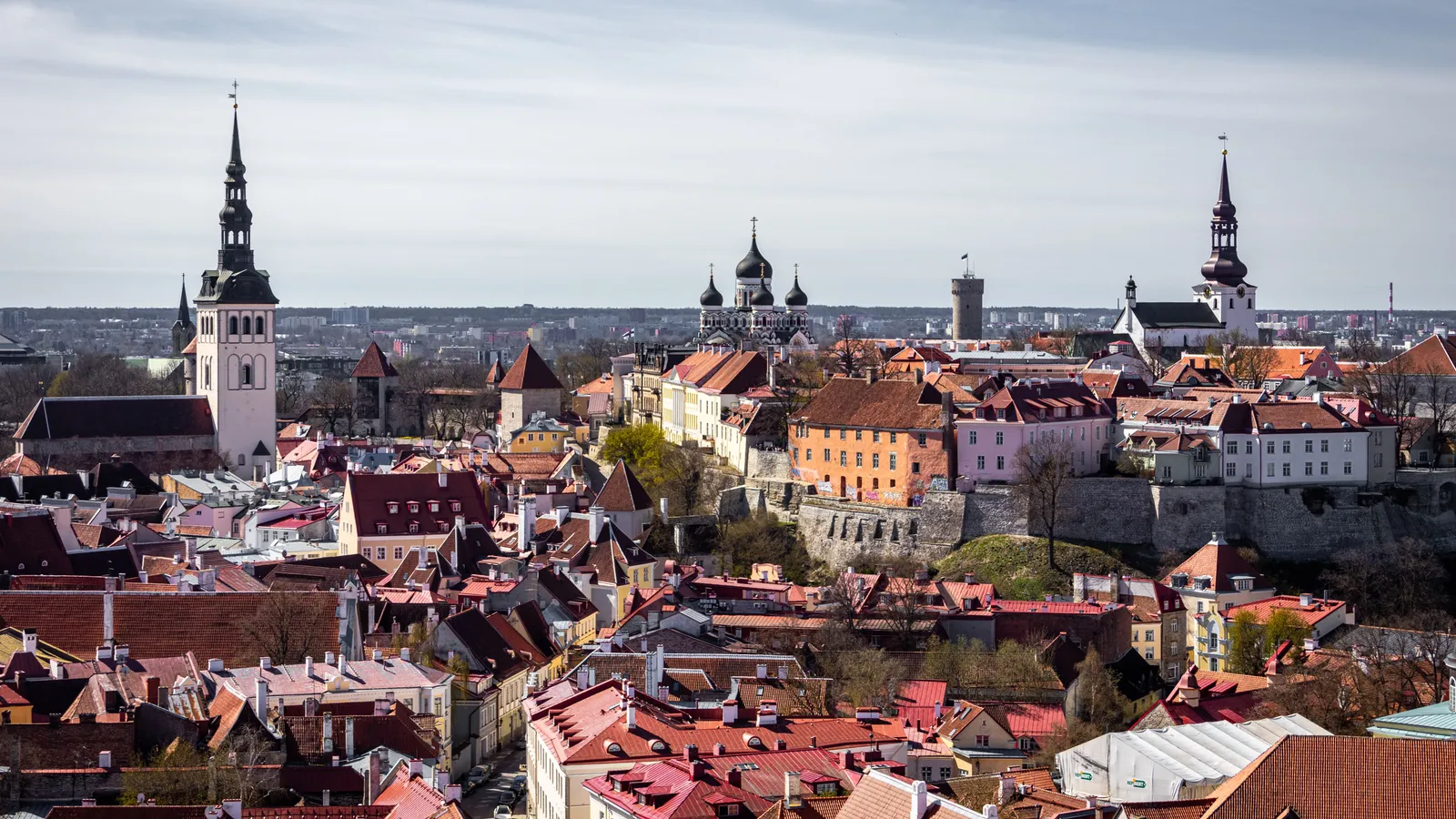
Estonia sells seamless digital admin and a real startup buzz, but it wants proof of roughly 4,500 euros a month and taxes residents at a flat 22 percent. Croatia asks for less income, around 3,622 euros, exempts your foreign earnings from local tax while you hold the permit, and throws in a coastline, though you trade the northern efficiency for a slower Balkan pace.
Side by side
| Estonia | Croatia | |
|---|---|---|
| Digital nomad visa | Estonia Digital Nomad Visa | Digital nomad temporary stay permit |
| Income requirement | ~4,500 EUR/month evidenced over the prior 6 months (Digital Nomad Visa), derived from a 150 EUR/day sufficient-means rate so it moves whenever that rate is revised; Estonia's own pages differ on net vs gross, so confirm with the PBGB | ~EUR 3,622.50/mo (Digital Nomad Residence Permit, indexed annually; savings alt ~EUR 43,470/yr) |
| Tax residency | Two independent triggers: your permanent place of residence is in Estonia, OR you stay at least 183 days within 12 consecutive calendar months. It is at least 183, not more than 183, so day 183 already makes you resident, and the permanent-home test carries no day count at all. Residents pay Estonian income tax on worldwide income at a flat 22%, the rate since 2025 after the rise to 24% planned for 2026 was cancelled. The digital nomad visa carries no tax break of its own. | Croatian residence turns on a home or a habitual abode of at least 183 days across one or two calendar years (General Tax Act, Art. 43), so a stay straddling New Year still counts. Income from a foreign employer or your own non-Croatian company is exempt from Croatian income tax while you hold digital-nomad status (Personal Income Tax Act, Art. 9(1)(26)). That is a Croatian exemption on that income, not a ruling on which country you are resident in under a tax treaty, so confirm your own position before relying on it. |
| Cost of living | Moderate | Moderate |
| Currency | EUR | EUR |
| Healthcare | Foreigners need private or travel health insurance; access to Estonia's state system comes once you have residence and are contributing. | Visitors are not covered by Croatia's public system, so travel or private health insurance is needed, and residence permits require qualifying health insurance for the whole stay. |
| Driving | British photocard licences are accepted for visits without an IDP, but US and Indian visitors should carry an International Driving Permit alongside their licence. | A home licence works for short visits, but an International Driving Permit is recommended for non-EU drivers and is sometimes required by police or rental firms. |
The bottom line
For most remote workers the money maths tips toward Croatia: the income bar is lower, day-to-day costs sit around 1,600 to 1,900 euros a month, and foreign-source income you earn on the nomad permit is generally exempt from Croatian tax, though it does not cancel what you owe back home. Estonia wins on infrastructure, you can run almost your whole life online, but the higher income requirement and the flat 22 percent on worldwide income once you cross 183 days make it a costlier home base. Lifestyle splits them cleanly: Estonia is a long, dark winter and a tight tech scene, Croatia is a warm coast that gets crowded and pricey from June to September. Neither is a long-term base, though. Estonia's visa runs one year, and Croatia's permit up to 18 months before you have to leave and re-apply. Both use the same 183-day residency trigger, so treat every figure as an estimate and confirm the current thresholds with each consulate before you commit.
Pick Estonia if you are a high earner who prizes fully digital admin, a startup ecosystem, and does not mind a long northern winter.
Pick Croatia if you want a lower income bar, a foreign-income tax exemption, and Mediterranean coastal living over Baltic efficiency.
Read the full guides
Put it to work
- Free
Digital-Nomad Visa Checker
See which digital-nomad visas you could actually get with your passport and income, ranked, with the binding reason per country.
→ - Free
Tax-Residency Reality Checker
Go beyond the 183-day myth: model the treaty tie-breaker and see whether two countries could both claim you as a tax resident.
→ - Free
Cost-of-Relocation Calculator
Estimate the all-in, one-time cost of moving to a country (shipping, visa fees, flights, deposits) as low, likely and high bands.
→