Countries
Croatia: visas, tax & cost of living
Croatia digital nomad visa guide: income test, foreign-income tax exemption for permit holders, and a mid-range cost of living around EUR 1,600 to 1,900/mo.
United KingdomCroatia
Your move to Croatia on a United Kingdom passport
- VisitEasyVisa-free entry
- NomadEasyNomad visa, likely eligible
- RelocateFairly easyClear residence route
Visiting
Visa-free for up to 90 days. Travel on a passport valid for your whole stay, with a return or onward ticket and proof you can support yourself.
Passport validity: Valid at least 3 months beyond planned departure from the Schengen area, and issued within the last 10 years (Schengen visa applicants also need at least 2 blank pages).
Heads-up: EU Entry/Exit System (EES) live from 12 October 2025 registering fingerprints and photo at no cost; ETIAS pre-authorisation expected from late 2026 at around 20 euros.
At the border: Border may ask for proof of accommodation, a return or onward ticket, travel insurance and enough money for the stay, and your accommodation host must register your arrival with the police (usually within 48 hours).
Working remotely
Digital nomad temporary stay permit.
Income needed: ~EUR 3,622.50/mo (Digital Nomad Residence Permit, indexed annually; savings alt ~EUR 43,470/yr) (estimate)
Savings option: Instead of monthly income, savings of around 43,470 EUR for a 12-month stay or 65,205 EUR for 18 months, plus roughly 10% of the average net monthly salary per accompanying family member.
Duration: 18 months
Fee: ~88 EUR at a police station, up to ~190 EUR through a consulate (estimate)
Who qualifies: Third-country nationals working remotely via technology for a company or own company not registered in Croatia (not a Croatian employer), showing income about 3,622.50 EUR per month, health insurance, a clean criminal-record certificate and a Croatian address; granted for up to 18 months in total; a grant shorter than 18 months can be extended once by up to 6 months, and a new application is only possible 6 months after the previous stay expires.
Tax and residency
Croatian residence turns on a home or a habitual abode of at least 183 days across one or two calendar years (General Tax Act, Art. 43), so a stay straddling New Year still counts. Income from a foreign employer or your own non-Croatian company is exempt from Croatian income tax while you hold digital-nomad status (Personal Income Tax Act, Art. 9(1)(26)). That is a Croatian exemption on that income, not a ruling on which country you are resident in under a tax treaty, so confirm your own position before relying on it. (estimate)
The UK decides residence with its Statutory Residence Test (days in the UK plus your ties). As a non-resident you are usually taxed only on UK income; where one exists, a double-tax treaty with the destination decides who taxes what.
Double-tax treaty: yes, in force since 2015
Practical
Currency: EUR. Cost of living: mid.
Healthcare: Visitors are not covered by Croatia's public system, so travel or private health insurance is needed, and residence permits require qualifying health insurance for the whole stay.
Healthcare agreement: A UK GHIC or valid EHIC gives state-provided medically necessary care on the same terms as locals.
Driving: A home licence works for short visits, but an International Driving Permit is recommended for non-EU drivers and is sometimes required by police or rental firms.
Sources: Croatia, Ministry of the Interior (MUP): temporary stay of digital nomads, income thresholds, fees, extension and re-application rules · Personal Income Tax Act (Zakon o porezu na dohodak), Art. 9(1)(26): the digital-nomad income exemption · General Tax Act (Opci porezni zakon), Art. 43: domicile and habitual abode, the 183-day tax-residence test · GOV.UK: tax on foreign income · HMRC: double-taxation treaties
Estimates, not advice. Confirm with the official sources before you act.
United StatesCroatia
Your move to Croatia on a United States passport
- VisitEasyVisa-free entry
- NomadEasyNomad visa, likely eligible
- RelocateFairly easyClear residence route
Visiting
Visa-free for up to 90 days. Travel on a passport valid for your whole stay, with a return or onward ticket and proof you can support yourself.
Passport validity: Valid at least 3 months beyond planned departure from the Schengen area, and issued within the last 10 years (Schengen visa applicants also need at least 2 blank pages).
Heads-up: EU Entry/Exit System (EES) live from 12 October 2025 registering fingerprints and photo at no cost; ETIAS pre-authorisation expected from late 2026 at around 20 euros.
At the border: Border may ask for proof of accommodation, a return or onward ticket, travel insurance and enough money for the stay, and your accommodation host must register your arrival with the police (usually within 48 hours).
Working remotely
Digital nomad temporary stay permit.
Income needed: ~EUR 3,622.50/mo (Digital Nomad Residence Permit, indexed annually; savings alt ~EUR 43,470/yr) (estimate)
Savings option: Instead of monthly income, savings of around 43,470 EUR for a 12-month stay or 65,205 EUR for 18 months, plus roughly 10% of the average net monthly salary per accompanying family member.
Duration: 18 months
Fee: ~88 EUR at a police station, up to ~190 EUR through a consulate (estimate)
Who qualifies: Third-country nationals working remotely via technology for a company or own company not registered in Croatia (not a Croatian employer), showing income about 3,622.50 EUR per month, health insurance, a clean criminal-record certificate and a Croatian address; granted for up to 18 months in total; a grant shorter than 18 months can be extended once by up to 6 months, and a new application is only possible 6 months after the previous stay expires.
Tax and residency
Croatian residence turns on a home or a habitual abode of at least 183 days across one or two calendar years (General Tax Act, Art. 43), so a stay straddling New Year still counts. Income from a foreign employer or your own non-Croatian company is exempt from Croatian income tax while you hold digital-nomad status (Personal Income Tax Act, Art. 9(1)(26)). That is a Croatian exemption on that income, not a ruling on which country you are resident in under a tax treaty, so confirm your own position before relying on it. (estimate)
The US taxes its citizens on worldwide income wherever you live, so you keep filing US returns abroad. The Foreign Earned Income Exclusion and the foreign tax credit are what stop you being taxed twice.
Double-tax treaty: none
Practical
Currency: EUR. Cost of living: mid.
Healthcare: Visitors are not covered by Croatia's public system, so travel or private health insurance is needed, and residence permits require qualifying health insurance for the whole stay.
Driving: A home licence works for short visits, but an International Driving Permit is recommended for non-EU drivers and is sometimes required by police or rental firms.
Sources: Croatia, Ministry of the Interior (MUP): temporary stay of digital nomads, income thresholds, fees, extension and re-application rules · Personal Income Tax Act (Zakon o porezu na dohodak), Art. 9(1)(26): the digital-nomad income exemption · General Tax Act (Opci porezni zakon), Art. 43: domicile and habitual abode, the 183-day tax-residence test · IRS: Foreign Earned Income Exclusion · IRS: tax treaties
Estimates, not advice. Confirm with the official sources before you act.
IndiaCroatia
Your move to Croatia on a India passport
- VisitMediumVisa required in advance
- NomadFairly easyNomad visa, stricter rules
- RelocateMediumResidence with conditions
Visiting
You need a visa, arranged at a consulate before you travel. Plan ahead: gather the documents, book the appointment, and allow time for processing.
Passport validity: Valid at least 3 months beyond planned departure from the Schengen area, and issued within the last 10 years (Schengen visa applicants also need at least 2 blank pages).
Heads-up: EU Entry/Exit System (EES) live from 12 October 2025 registering fingerprints and photo at no cost; ETIAS pre-authorisation expected from late 2026 at around 20 euros.
At the border: Border may ask for proof of accommodation, a return or onward ticket, travel insurance and enough money for the stay, and your accommodation host must register your arrival with the police (usually within 48 hours).
Working remotely
Digital nomad temporary stay permit.
Income needed: ~EUR 3,622.50/mo (Digital Nomad Residence Permit, indexed annually; savings alt ~EUR 43,470/yr) (estimate)
Savings option: Instead of monthly income, savings of around 43,470 EUR for a 12-month stay or 65,205 EUR for 18 months, plus roughly 10% of the average net monthly salary per accompanying family member.
Duration: 18 months
Fee: ~88 EUR at a police station, up to ~190 EUR through a consulate (estimate)
Who qualifies: Third-country nationals working remotely via technology for a company or own company not registered in Croatia (not a Croatian employer), showing income about 3,622.50 EUR per month, health insurance, a clean criminal-record certificate and a Croatian address; granted for up to 18 months in total; a grant shorter than 18 months can be extended once by up to 6 months, and a new application is only possible 6 months after the previous stay expires.
Tax and residency
Croatian residence turns on a home or a habitual abode of at least 183 days across one or two calendar years (General Tax Act, Art. 43), so a stay straddling New Year still counts. Income from a foreign employer or your own non-Croatian company is exempt from Croatian income tax while you hold digital-nomad status (Personal Income Tax Act, Art. 9(1)(26)). That is a Croatian exemption on that income, not a ruling on which country you are resident in under a tax treaty, so confirm your own position before relying on it. (estimate)
India taxes residents on worldwide income; your status depends on the days you spend in India (broadly 182 or more in the year). As a non-resident (NRI) you are taxed only on Indian-source income, and the relevant double-tax treaty allocates the rest.
Double-tax treaty: yes, in force since 2015
Practical
Currency: EUR. Cost of living: mid.
Healthcare: Visitors are not covered by Croatia's public system, so travel or private health insurance is needed, and residence permits require qualifying health insurance for the whole stay.
Driving: A home licence works for short visits, but an International Driving Permit is recommended for non-EU drivers and is sometimes required by police or rental firms.
Sources: Croatia, Ministry of the Interior (MUP): temporary stay of digital nomads, income thresholds, fees, extension and re-application rules · Personal Income Tax Act (Zakon o porezu na dohodak), Art. 9(1)(26): the digital-nomad income exemption · General Tax Act (Opci porezni zakon), Art. 43: domicile and habitual abode, the 183-day tax-residence test · Income Tax Department, India · India: Double Taxation Avoidance Agreements
Estimates, not advice. Confirm with the official sources before you act.
GermanyCroatia
Your move to Croatia on a Germany passport
- VisitEasyVisa-free entry
- NomadEasyFree movement, no nomad visa needed
- RelocateEasyStraightforward residence
Visiting
You have freedom of movement here: you can live, work and stay with no visa.
Passport validity: Valid at least 3 months beyond planned departure from the Schengen area, and issued within the last 10 years (Schengen visa applicants also need at least 2 blank pages).
Heads-up: EU Entry/Exit System (EES) live from 12 October 2025 registering fingerprints and photo at no cost; ETIAS pre-authorisation expected from late 2026 at around 20 euros.
At the border: Border may ask for proof of accommodation, a return or onward ticket, travel insurance and enough money for the stay, and your accommodation host must register your arrival with the police (usually within 48 hours).
Working remotely
Digital nomad temporary stay permit.
Income needed: ~EUR 3,622.50/mo (Digital Nomad Residence Permit, indexed annually; savings alt ~EUR 43,470/yr) (estimate)
Savings option: Instead of monthly income, savings of around 43,470 EUR for a 12-month stay or 65,205 EUR for 18 months, plus roughly 10% of the average net monthly salary per accompanying family member.
Duration: 18 months
Fee: ~88 EUR at a police station, up to ~190 EUR through a consulate (estimate)
Who qualifies: Third-country nationals working remotely via technology for a company or own company not registered in Croatia (not a Croatian employer), showing income about 3,622.50 EUR per month, health insurance, a clean criminal-record certificate and a Croatian address; granted for up to 18 months in total; a grant shorter than 18 months can be extended once by up to 6 months, and a new application is only possible 6 months after the previous stay expires.
Tax and residency
Croatian residence turns on a home or a habitual abode of at least 183 days across one or two calendar years (General Tax Act, Art. 43), so a stay straddling New Year still counts. Income from a foreign employer or your own non-Croatian company is exempt from Croatian income tax while you hold digital-nomad status (Personal Income Tax Act, Art. 9(1)(26)). That is a Croatian exemption on that income, not a ruling on which country you are resident in under a tax treaty, so confirm your own position before relying on it. (estimate)
Germany taxes residents on worldwide income; you become resident through a home available to you (Wohnsitz) or a habitual abode of more than six months. As a non-resident you are usually taxed only on German-source income, and where one exists a double-tax treaty with the destination decides who taxes what.
Double-tax treaty: yes, in force since 2006
Practical
Currency: EUR. Cost of living: mid.
Healthcare: Visitors are not covered by Croatia's public system, so travel or private health insurance is needed, and residence permits require qualifying health insurance for the whole stay.
Driving: A home licence works for short visits, but an International Driving Permit is recommended for non-EU drivers and is sometimes required by police or rental firms.
Sources: Croatia, Ministry of the Interior (MUP): temporary stay of digital nomads, income thresholds, fees, extension and re-application rules · Personal Income Tax Act (Zakon o porezu na dohodak), Art. 9(1)(26): the digital-nomad income exemption · General Tax Act (Opci porezni zakon), Art. 43: domicile and habitual abode, the 183-day tax-residence test · Bundeszentralamt für Steuern (BZSt) · Germany: double-taxation agreements (BMF)
Estimates, not advice. Confirm with the official sources before you act.
FranceCroatia
Your move to Croatia on a France passport
- VisitEasyVisa-free entry
- NomadEasyFree movement, no nomad visa needed
- RelocateEasyStraightforward residence
Visiting
You have freedom of movement here: you can live, work and stay with no visa.
Passport validity: Valid at least 3 months beyond planned departure from the Schengen area, and issued within the last 10 years (Schengen visa applicants also need at least 2 blank pages).
Heads-up: EU Entry/Exit System (EES) live from 12 October 2025 registering fingerprints and photo at no cost; ETIAS pre-authorisation expected from late 2026 at around 20 euros.
At the border: Border may ask for proof of accommodation, a return or onward ticket, travel insurance and enough money for the stay, and your accommodation host must register your arrival with the police (usually within 48 hours).
Working remotely
Digital nomad temporary stay permit.
Income needed: ~EUR 3,622.50/mo (Digital Nomad Residence Permit, indexed annually; savings alt ~EUR 43,470/yr) (estimate)
Savings option: Instead of monthly income, savings of around 43,470 EUR for a 12-month stay or 65,205 EUR for 18 months, plus roughly 10% of the average net monthly salary per accompanying family member.
Duration: 18 months
Fee: ~88 EUR at a police station, up to ~190 EUR through a consulate (estimate)
Who qualifies: Third-country nationals working remotely via technology for a company or own company not registered in Croatia (not a Croatian employer), showing income about 3,622.50 EUR per month, health insurance, a clean criminal-record certificate and a Croatian address; granted for up to 18 months in total; a grant shorter than 18 months can be extended once by up to 6 months, and a new application is only possible 6 months after the previous stay expires.
Tax and residency
Croatian residence turns on a home or a habitual abode of at least 183 days across one or two calendar years (General Tax Act, Art. 43), so a stay straddling New Year still counts. Income from a foreign employer or your own non-Croatian company is exempt from Croatian income tax while you hold digital-nomad status (Personal Income Tax Act, Art. 9(1)(26)). That is a Croatian exemption on that income, not a ruling on which country you are resident in under a tax treaty, so confirm your own position before relying on it. (estimate)
France taxes you on your worldwide income if your tax home (domicile fiscal) stays there, broadly when your household, main home, main job or main economic interests are in France, so moving abroad alone may not end it. Once you genuinely settle elsewhere you are usually taxed only on French-source income, and tax treaties typically prevent paying twice through an exemption or a foreign tax credit, but treat any figures as estimates and check your situation.
Double-tax treaty: yes, in force since 2005
Practical
Currency: EUR. Cost of living: mid.
Healthcare: Visitors are not covered by Croatia's public system, so travel or private health insurance is needed, and residence permits require qualifying health insurance for the whole stay.
Driving: A home licence works for short visits, but an International Driving Permit is recommended for non-EU drivers and is sometimes required by police or rental firms.
Sources: Croatia, Ministry of the Interior (MUP): temporary stay of digital nomads, income thresholds, fees, extension and re-application rules · Personal Income Tax Act (Zakon o porezu na dohodak), Art. 9(1)(26): the digital-nomad income exemption · General Tax Act (Opci porezni zakon), Art. 43: domicile and habitual abode, the 183-day tax-residence test · impots.gouv.fr - Résidents de France · impots.gouv.fr - Les conventions internationales
Estimates, not advice. Confirm with the official sources before you act.
SpainCroatia
Your move to Croatia on a Spain passport
- VisitEasyVisa-free entry
- NomadEasyFree movement, no nomad visa needed
- RelocateEasyStraightforward residence
Visiting
You have freedom of movement here: you can live, work and stay with no visa.
Passport validity: Valid at least 3 months beyond planned departure from the Schengen area, and issued within the last 10 years (Schengen visa applicants also need at least 2 blank pages).
Heads-up: EU Entry/Exit System (EES) live from 12 October 2025 registering fingerprints and photo at no cost; ETIAS pre-authorisation expected from late 2026 at around 20 euros.
At the border: Border may ask for proof of accommodation, a return or onward ticket, travel insurance and enough money for the stay, and your accommodation host must register your arrival with the police (usually within 48 hours).
Working remotely
Digital nomad temporary stay permit.
Income needed: ~EUR 3,622.50/mo (Digital Nomad Residence Permit, indexed annually; savings alt ~EUR 43,470/yr) (estimate)
Savings option: Instead of monthly income, savings of around 43,470 EUR for a 12-month stay or 65,205 EUR for 18 months, plus roughly 10% of the average net monthly salary per accompanying family member.
Duration: 18 months
Fee: ~88 EUR at a police station, up to ~190 EUR through a consulate (estimate)
Who qualifies: Third-country nationals working remotely via technology for a company or own company not registered in Croatia (not a Croatian employer), showing income about 3,622.50 EUR per month, health insurance, a clean criminal-record certificate and a Croatian address; granted for up to 18 months in total; a grant shorter than 18 months can be extended once by up to 6 months, and a new application is only possible 6 months after the previous stay expires.
Tax and residency
Croatian residence turns on a home or a habitual abode of at least 183 days across one or two calendar years (General Tax Act, Art. 43), so a stay straddling New Year still counts. Income from a foreign employer or your own non-Croatian company is exempt from Croatian income tax while you hold digital-nomad status (Personal Income Tax Act, Art. 9(1)(26)). That is a Croatian exemption on that income, not a ruling on which country you are resident in under a tax treaty, so confirm your own position before relying on it. (estimate)
If Spain still counts as your tax home (roughly 183+ days in the country in a year, or your main base of life and income sits there), Spain taxes your worldwide income at IRPF rates, so what you earn abroad usually counts too. The sting is softened by double-tax treaties and a foreign-tax credit, plus the Article 7.p exemption that can shelter work done abroad up to around 60,100 euros a year, but treat every figure as an estimate and check your own case before you file.
Double-tax treaty: yes, in force since 2006
Practical
Currency: EUR. Cost of living: mid.
Healthcare: Visitors are not covered by Croatia's public system, so travel or private health insurance is needed, and residence permits require qualifying health insurance for the whole stay.
Driving: A home licence works for short visits, but an International Driving Permit is recommended for non-EU drivers and is sometimes required by police or rental firms.
Sources: Croatia, Ministry of the Interior (MUP): temporary stay of digital nomads, income thresholds, fees, extension and re-application rules · Personal Income Tax Act (Zakon o porezu na dohodak), Art. 9(1)(26): the digital-nomad income exemption · General Tax Act (Opci porezni zakon), Art. 43: domicile and habitual abode, the 183-day tax-residence test · Agencia Tributaria: persona física residente en España · Agencia Tributaria: obtención de rentas extranjeras, reglas generales
Estimates, not advice. Confirm with the official sources before you act.
ItalyCroatia
Your move to Croatia on a Italy passport
- VisitEasyVisa-free entry
- NomadEasyFree movement, no nomad visa needed
- RelocateEasyStraightforward residence
Visiting
You have freedom of movement here: you can live, work and stay with no visa.
Passport validity: Valid at least 3 months beyond planned departure from the Schengen area, and issued within the last 10 years (Schengen visa applicants also need at least 2 blank pages).
Heads-up: EU Entry/Exit System (EES) live from 12 October 2025 registering fingerprints and photo at no cost; ETIAS pre-authorisation expected from late 2026 at around 20 euros.
At the border: Border may ask for proof of accommodation, a return or onward ticket, travel insurance and enough money for the stay, and your accommodation host must register your arrival with the police (usually within 48 hours).
Working remotely
Digital nomad temporary stay permit.
Income needed: ~EUR 3,622.50/mo (Digital Nomad Residence Permit, indexed annually; savings alt ~EUR 43,470/yr) (estimate)
Savings option: Instead of monthly income, savings of around 43,470 EUR for a 12-month stay or 65,205 EUR for 18 months, plus roughly 10% of the average net monthly salary per accompanying family member.
Duration: 18 months
Fee: ~88 EUR at a police station, up to ~190 EUR through a consulate (estimate)
Who qualifies: Third-country nationals working remotely via technology for a company or own company not registered in Croatia (not a Croatian employer), showing income about 3,622.50 EUR per month, health insurance, a clean criminal-record certificate and a Croatian address; granted for up to 18 months in total; a grant shorter than 18 months can be extended once by up to 6 months, and a new application is only possible 6 months after the previous stay expires.
Tax and residency
Croatian residence turns on a home or a habitual abode of at least 183 days across one or two calendar years (General Tax Act, Art. 43), so a stay straddling New Year still counts. Income from a foreign employer or your own non-Croatian company is exempt from Croatian income tax while you hold digital-nomad status (Personal Income Tax Act, Art. 9(1)(26)). That is a Croatian exemption on that income, not a ruling on which country you are resident in under a tax treaty, so confirm your own position before relying on it. (estimate)
Italy generally treats you as a tax resident if for most of the year (roughly 183 days or more) your home, family or registration ties are here, and residents are taxed on worldwide income wherever they live. The relief is usually a foreign tax credit for tax already paid abroad, often shaped by Italy's double-taxation treaties, so the same income should not be taxed twice.
Double-tax treaty: yes, in force since 2009
Practical
Currency: EUR. Cost of living: mid.
Healthcare: Visitors are not covered by Croatia's public system, so travel or private health insurance is needed, and residence permits require qualifying health insurance for the whole stay.
Driving: A home licence works for short visits, but an International Driving Permit is recommended for non-EU drivers and is sometimes required by police or rental firms.
Sources: Croatia, Ministry of the Interior (MUP): temporary stay of digital nomads, income thresholds, fees, extension and re-application rules · Personal Income Tax Act (Zakon o porezu na dohodak), Art. 9(1)(26): the digital-nomad income exemption · General Tax Act (Opci porezni zakon), Art. 43: domicile and habitual abode, the 183-day tax-residence test · Agenzia delle Entrate, Residence for tax purposes · Agenzia delle Entrate, Bilateral agreements to prevent double taxation
Estimates, not advice. Confirm with the official sources before you act.
CanadaCroatia
Your move to Croatia on a Canada passport
- VisitEasyVisa-free entry
- NomadEasyNomad visa, likely eligible
- RelocateFairly easyClear residence route
Visiting
Visa-free for up to 90 days. Travel on a passport valid for your whole stay, with a return or onward ticket and proof you can support yourself.
Passport validity: Valid at least 3 months beyond planned departure from the Schengen area, and issued within the last 10 years (Schengen visa applicants also need at least 2 blank pages).
Heads-up: EU Entry/Exit System (EES) live from 12 October 2025 registering fingerprints and photo at no cost; ETIAS pre-authorisation expected from late 2026 at around 20 euros.
At the border: Border may ask for proof of accommodation, a return or onward ticket, travel insurance and enough money for the stay, and your accommodation host must register your arrival with the police (usually within 48 hours).
Working remotely
Digital nomad temporary stay permit.
Income needed: ~EUR 3,622.50/mo (Digital Nomad Residence Permit, indexed annually; savings alt ~EUR 43,470/yr) (estimate)
Savings option: Instead of monthly income, savings of around 43,470 EUR for a 12-month stay or 65,205 EUR for 18 months, plus roughly 10% of the average net monthly salary per accompanying family member.
Duration: 18 months
Fee: ~88 EUR at a police station, up to ~190 EUR through a consulate (estimate)
Who qualifies: Third-country nationals working remotely via technology for a company or own company not registered in Croatia (not a Croatian employer), showing income about 3,622.50 EUR per month, health insurance, a clean criminal-record certificate and a Croatian address; granted for up to 18 months in total; a grant shorter than 18 months can be extended once by up to 6 months, and a new application is only possible 6 months after the previous stay expires.
Tax and residency
Croatian residence turns on a home or a habitual abode of at least 183 days across one or two calendar years (General Tax Act, Art. 43), so a stay straddling New Year still counts. Income from a foreign employer or your own non-Croatian company is exempt from Croatian income tax while you hold digital-nomad status (Personal Income Tax Act, Art. 9(1)(26)). That is a Croatian exemption on that income, not a ruling on which country you are resident in under a tax treaty, so confirm your own position before relying on it. (estimate)
Canada taxes you on residency, not on holding the passport, so as long as the CRA still treats you as a resident (kept home, family or strong ties) you generally owe Canadian tax on your worldwide income. The relief is usually a foreign tax credit for tax you already paid abroad, often topped up by a tax treaty, though the exact amounts are only estimates until you check your own case.
Double-tax treaty: yes, in force since 1999
Practical
Currency: EUR. Cost of living: mid.
Healthcare: Visitors are not covered by Croatia's public system, so travel or private health insurance is needed, and residence permits require qualifying health insurance for the whole stay.
Driving: A home licence works for short visits, but an International Driving Permit is recommended for non-EU drivers and is sometimes required by police or rental firms.
Working-holiday visa: yes, ages 18-35
Sources: Croatia, Ministry of the Interior (MUP): temporary stay of digital nomads, income thresholds, fees, extension and re-application rules · Personal Income Tax Act (Zakon o porezu na dohodak), Art. 9(1)(26): the digital-nomad income exemption · General Tax Act (Opci porezni zakon), Art. 43: domicile and habitual abode, the 183-day tax-residence test · Canada Revenue Agency, Determining your residency status · Department of Finance Canada, Tax treaties in force
Estimates, not advice. Confirm with the official sources before you act.
AustraliaCroatia
Your move to Croatia on a Australia passport
- VisitEasyVisa-free entry
- NomadEasyNomad visa, likely eligible
- RelocateFairly easyClear residence route
Visiting
Visa-free for up to 90 days. Travel on a passport valid for your whole stay, with a return or onward ticket and proof you can support yourself.
Passport validity: Valid at least 3 months beyond planned departure from the Schengen area, and issued within the last 10 years (Schengen visa applicants also need at least 2 blank pages).
Heads-up: EU Entry/Exit System (EES) live from 12 October 2025 registering fingerprints and photo at no cost; ETIAS pre-authorisation expected from late 2026 at around 20 euros.
At the border: Border may ask for proof of accommodation, a return or onward ticket, travel insurance and enough money for the stay, and your accommodation host must register your arrival with the police (usually within 48 hours).
Working remotely
Digital nomad temporary stay permit.
Income needed: ~EUR 3,622.50/mo (Digital Nomad Residence Permit, indexed annually; savings alt ~EUR 43,470/yr) (estimate)
Savings option: Instead of monthly income, savings of around 43,470 EUR for a 12-month stay or 65,205 EUR for 18 months, plus roughly 10% of the average net monthly salary per accompanying family member.
Duration: 18 months
Fee: ~88 EUR at a police station, up to ~190 EUR through a consulate (estimate)
Who qualifies: Third-country nationals working remotely via technology for a company or own company not registered in Croatia (not a Croatian employer), showing income about 3,622.50 EUR per month, health insurance, a clean criminal-record certificate and a Croatian address; granted for up to 18 months in total; a grant shorter than 18 months can be extended once by up to 6 months, and a new application is only possible 6 months after the previous stay expires.
Tax and residency
Croatian residence turns on a home or a habitual abode of at least 183 days across one or two calendar years (General Tax Act, Art. 43), so a stay straddling New Year still counts. Income from a foreign employer or your own non-Croatian company is exempt from Croatian income tax while you hold digital-nomad status (Personal Income Tax Act, Art. 9(1)(26)). That is a Croatian exemption on that income, not a ruling on which country you are resident in under a tax treaty, so confirm your own position before relying on it. (estimate)
If you stay an Australian resident for tax purposes, Australia generally taxes your worldwide income wherever you live, with residency turned on the moment your real home and ties are here (a continuous stay of roughly 6 months can be enough). To soften double tax, you can usually claim a Foreign Income Tax Offset for tax already paid abroad, capped at the Australian tax on that income, and treaties may help too, so treat these figures as estimates and check your own case.
Double-tax treaty: none
Practical
Currency: EUR. Cost of living: mid.
Healthcare: Visitors are not covered by Croatia's public system, so travel or private health insurance is needed, and residence permits require qualifying health insurance for the whole stay.
Driving: A home licence works for short visits, but an International Driving Permit is recommended for non-EU drivers and is sometimes required by police or rental firms.
Sources: Croatia, Ministry of the Interior (MUP): temporary stay of digital nomads, income thresholds, fees, extension and re-application rules · Personal Income Tax Act (Zakon o porezu na dohodak), Art. 9(1)(26): the digital-nomad income exemption · General Tax Act (Opci porezni zakon), Art. 43: domicile and habitual abode, the 183-day tax-residence test · Australian Taxation Office, Australian resident for tax purposes · Australian Taxation Office, International tax agreements (tax treaties)
Estimates, not advice. Confirm with the official sources before you act.
BrazilCroatia
Your move to Croatia on a Brazil passport
- VisitEasyVisa-free entry
- NomadEasyNomad visa, likely eligible
- RelocateFairly easyClear residence route
Visiting
Visa-free for up to 90 days. Travel on a passport valid for your whole stay, with a return or onward ticket and proof you can support yourself.
Passport validity: Valid at least 3 months beyond planned departure from the Schengen area, and issued within the last 10 years (Schengen visa applicants also need at least 2 blank pages).
Heads-up: EU Entry/Exit System (EES) live from 12 October 2025 registering fingerprints and photo at no cost; ETIAS pre-authorisation expected from late 2026 at around 20 euros.
At the border: Border may ask for proof of accommodation, a return or onward ticket, travel insurance and enough money for the stay, and your accommodation host must register your arrival with the police (usually within 48 hours).
Working remotely
Digital nomad temporary stay permit.
Income needed: ~EUR 3,622.50/mo (Digital Nomad Residence Permit, indexed annually; savings alt ~EUR 43,470/yr) (estimate)
Savings option: Instead of monthly income, savings of around 43,470 EUR for a 12-month stay or 65,205 EUR for 18 months, plus roughly 10% of the average net monthly salary per accompanying family member.
Duration: 18 months
Fee: ~88 EUR at a police station, up to ~190 EUR through a consulate (estimate)
Who qualifies: Third-country nationals working remotely via technology for a company or own company not registered in Croatia (not a Croatian employer), showing income about 3,622.50 EUR per month, health insurance, a clean criminal-record certificate and a Croatian address; granted for up to 18 months in total; a grant shorter than 18 months can be extended once by up to 6 months, and a new application is only possible 6 months after the previous stay expires.
Tax and residency
Croatian residence turns on a home or a habitual abode of at least 183 days across one or two calendar years (General Tax Act, Art. 43), so a stay straddling New Year still counts. Income from a foreign employer or your own non-Croatian company is exempt from Croatian income tax while you hold digital-nomad status (Personal Income Tax Act, Art. 9(1)(26)). That is a Croatian exemption on that income, not a ruling on which country you are resident in under a tax treaty, so confirm your own position before relying on it. (estimate)
If Brazil still counts you as tax-resident, usually triggered by a permanent visa, a temporary visa plus a job, or roughly 183 days in the country within any 12 months, the Receita Federal taxes your worldwide income, so you keep filing the annual return wherever you live. The relief is real but partial: tax paid abroad can normally be credited against what you owe in Brazil under a treaty or recognised reciprocity, so most people are not taxed twice on the same income.
Double-tax treaty: none
Practical
Currency: EUR. Cost of living: mid.
Healthcare: Visitors are not covered by Croatia's public system, so travel or private health insurance is needed, and residence permits require qualifying health insurance for the whole stay.
Driving: A home licence works for short visits, but an International Driving Permit is recommended for non-EU drivers and is sometimes required by police or rental firms.
Sources: Croatia, Ministry of the Interior (MUP): temporary stay of digital nomads, income thresholds, fees, extension and re-application rules · Personal Income Tax Act (Zakon o porezu na dohodak), Art. 9(1)(26): the digital-nomad income exemption · General Tax Act (Opci porezni zakon), Art. 43: domicile and habitual abode, the 183-day tax-residence test · Receita Federal, Acordos para evitar a dupla tributação · Receita Federal, Imposto sobre a Renda da Pessoa Física (IRPF)
Estimates, not advice. Confirm with the official sources before you act.
MexicoCroatia
Your move to Croatia on a Mexico passport
- VisitEasyVisa-free entry
- NomadEasyNomad visa, likely eligible
- RelocateFairly easyClear residence route
Visiting
Visa-free for up to 90 days. Travel on a passport valid for your whole stay, with a return or onward ticket and proof you can support yourself.
Passport validity: Valid at least 3 months beyond planned departure from the Schengen area, and issued within the last 10 years (Schengen visa applicants also need at least 2 blank pages).
Heads-up: EU Entry/Exit System (EES) live from 12 October 2025 registering fingerprints and photo at no cost; ETIAS pre-authorisation expected from late 2026 at around 20 euros.
At the border: Border may ask for proof of accommodation, a return or onward ticket, travel insurance and enough money for the stay, and your accommodation host must register your arrival with the police (usually within 48 hours).
Working remotely
Digital nomad temporary stay permit.
Income needed: ~EUR 3,622.50/mo (Digital Nomad Residence Permit, indexed annually; savings alt ~EUR 43,470/yr) (estimate)
Savings option: Instead of monthly income, savings of around 43,470 EUR for a 12-month stay or 65,205 EUR for 18 months, plus roughly 10% of the average net monthly salary per accompanying family member.
Duration: 18 months
Fee: ~88 EUR at a police station, up to ~190 EUR through a consulate (estimate)
Who qualifies: Third-country nationals working remotely via technology for a company or own company not registered in Croatia (not a Croatian employer), showing income about 3,622.50 EUR per month, health insurance, a clean criminal-record certificate and a Croatian address; granted for up to 18 months in total; a grant shorter than 18 months can be extended once by up to 6 months, and a new application is only possible 6 months after the previous stay expires.
Tax and residency
Croatian residence turns on a home or a habitual abode of at least 183 days across one or two calendar years (General Tax Act, Art. 43), so a stay straddling New Year still counts. Income from a foreign employer or your own non-Croatian company is exempt from Croatian income tax while you hold digital-nomad status (Personal Income Tax Act, Art. 9(1)(26)). That is a Croatian exemption on that income, not a ruling on which country you are resident in under a tax treaty, so confirm your own position before relying on it. (estimate)
Mexico taxes you on your worldwide income once you count as a tax resident, which usually means your main home or your center of life is here (very roughly, spending more than about 183 days a year can tip the balance). The good news is the SAT lets you credit foreign income tax you already paid, and Mexico's double-taxation treaties mean the same money should not normally be taxed twice.
Double-tax treaty: none
Practical
Currency: EUR. Cost of living: mid.
Healthcare: Visitors are not covered by Croatia's public system, so travel or private health insurance is needed, and residence permits require qualifying health insurance for the whole stay.
Driving: A home licence works for short visits, but an International Driving Permit is recommended for non-EU drivers and is sometimes required by police or rental firms.
Sources: Croatia, Ministry of the Interior (MUP): temporary stay of digital nomads, income thresholds, fees, extension and re-application rules · Personal Income Tax Act (Zakon o porezu na dohodak), Art. 9(1)(26): the digital-nomad income exemption · General Tax Act (Opci porezni zakon), Art. 43: domicile and habitual abode, the 183-day tax-residence test · SAT - Servicio de Administración Tributaria · SAT - Tratados en Materia Fiscal (para evitar la doble tributación)
Estimates, not advice. Confirm with the official sources before you act.
PhilippinesCroatia
Your move to Croatia on a Philippines passport
- VisitMediumVisa required in advance
- NomadFairly easyNomad visa, stricter rules
- RelocateMediumResidence with conditions
Visiting
You need a visa, arranged at a consulate before you travel. Plan ahead: gather the documents, book the appointment, and allow time for processing.
Passport validity: Valid at least 3 months beyond planned departure from the Schengen area, and issued within the last 10 years (Schengen visa applicants also need at least 2 blank pages).
Heads-up: EU Entry/Exit System (EES) live from 12 October 2025 registering fingerprints and photo at no cost; ETIAS pre-authorisation expected from late 2026 at around 20 euros.
At the border: Border may ask for proof of accommodation, a return or onward ticket, travel insurance and enough money for the stay, and your accommodation host must register your arrival with the police (usually within 48 hours).
Working remotely
Digital nomad temporary stay permit.
Income needed: ~EUR 3,622.50/mo (Digital Nomad Residence Permit, indexed annually; savings alt ~EUR 43,470/yr) (estimate)
Savings option: Instead of monthly income, savings of around 43,470 EUR for a 12-month stay or 65,205 EUR for 18 months, plus roughly 10% of the average net monthly salary per accompanying family member.
Duration: 18 months
Fee: ~88 EUR at a police station, up to ~190 EUR through a consulate (estimate)
Who qualifies: Third-country nationals working remotely via technology for a company or own company not registered in Croatia (not a Croatian employer), showing income about 3,622.50 EUR per month, health insurance, a clean criminal-record certificate and a Croatian address; granted for up to 18 months in total; a grant shorter than 18 months can be extended once by up to 6 months, and a new application is only possible 6 months after the previous stay expires.
Tax and residency
Croatian residence turns on a home or a habitual abode of at least 183 days across one or two calendar years (General Tax Act, Art. 43), so a stay straddling New Year still counts. Income from a foreign employer or your own non-Croatian company is exempt from Croatian income tax while you hold digital-nomad status (Personal Income Tax Act, Art. 9(1)(26)). That is a Croatian exemption on that income, not a ruling on which country you are resident in under a tax treaty, so confirm your own position before relying on it. (estimate)
If you stay a resident citizen, the Philippines taxes your worldwide income, but once you genuinely live and work abroad you usually count as a non-resident citizen and are taxed only on income from Philippine sources. The exact line depends on how long you are out and your ties back home, so treat these as estimates, and a foreign tax credit can offset tax already paid abroad.
Double-tax treaty: none
Practical
Currency: EUR. Cost of living: mid.
Healthcare: Visitors are not covered by Croatia's public system, so travel or private health insurance is needed, and residence permits require qualifying health insurance for the whole stay.
Driving: A home licence works for short visits, but an International Driving Permit is recommended for non-EU drivers and is sometimes required by police or rental firms.
Sources: Croatia, Ministry of the Interior (MUP): temporary stay of digital nomads, income thresholds, fees, extension and re-application rules · Personal Income Tax Act (Zakon o porezu na dohodak), Art. 9(1)(26): the digital-nomad income exemption · General Tax Act (Opci porezni zakon), Art. 43: domicile and habitual abode, the 183-day tax-residence test · BIR - Taxation of Foreign Source Income · BIR - Taxation of Non-Residents
Estimates, not advice. Confirm with the official sources before you act.
NigeriaCroatia
Your move to Croatia on a Nigeria passport
- VisitMediumVisa required in advance
- NomadFairly easyNomad visa, stricter rules
- RelocateMediumResidence with conditions
Visiting
You need a visa, arranged at a consulate before you travel. Plan ahead: gather the documents, book the appointment, and allow time for processing.
Passport validity: Valid at least 3 months beyond planned departure from the Schengen area, and issued within the last 10 years (Schengen visa applicants also need at least 2 blank pages).
Heads-up: EU Entry/Exit System (EES) live from 12 October 2025 registering fingerprints and photo at no cost; ETIAS pre-authorisation expected from late 2026 at around 20 euros.
At the border: Border may ask for proof of accommodation, a return or onward ticket, travel insurance and enough money for the stay, and your accommodation host must register your arrival with the police (usually within 48 hours).
Working remotely
Digital nomad temporary stay permit.
Income needed: ~EUR 3,622.50/mo (Digital Nomad Residence Permit, indexed annually; savings alt ~EUR 43,470/yr) (estimate)
Savings option: Instead of monthly income, savings of around 43,470 EUR for a 12-month stay or 65,205 EUR for 18 months, plus roughly 10% of the average net monthly salary per accompanying family member.
Duration: 18 months
Fee: ~88 EUR at a police station, up to ~190 EUR through a consulate (estimate)
Who qualifies: Third-country nationals working remotely via technology for a company or own company not registered in Croatia (not a Croatian employer), showing income about 3,622.50 EUR per month, health insurance, a clean criminal-record certificate and a Croatian address; granted for up to 18 months in total; a grant shorter than 18 months can be extended once by up to 6 months, and a new application is only possible 6 months after the previous stay expires.
Tax and residency
Croatian residence turns on a home or a habitual abode of at least 183 days across one or two calendar years (General Tax Act, Art. 43), so a stay straddling New Year still counts. Income from a foreign employer or your own non-Croatian company is exempt from Croatian income tax while you hold digital-nomad status (Personal Income Tax Act, Art. 9(1)(26)). That is a Croatian exemption on that income, not a ruling on which country you are resident in under a tax treaty, so confirm your own position before relying on it. (estimate)
If Nigeria still counts you as resident, roughly 183 or more days in the country in a year, or you keep a home, habitual abode or close family and economic ties there, you are generally taxed on your worldwide income, not just what you earn in Nigeria. There is usually a foreign tax credit, and Nigeria's tax treaties, so tax you already paid abroad can typically be set against your Nigerian bill, but treat these figures as estimates and check the current rules before you file.
Double-tax treaty: none
Practical
Currency: EUR. Cost of living: mid.
Healthcare: Visitors are not covered by Croatia's public system, so travel or private health insurance is needed, and residence permits require qualifying health insurance for the whole stay.
Driving: A home licence works for short visits, but an International Driving Permit is recommended for non-EU drivers and is sometimes required by police or rental firms.
Sources: Croatia, Ministry of the Interior (MUP): temporary stay of digital nomads, income thresholds, fees, extension and re-application rules · Personal Income Tax Act (Zakon o porezu na dohodak), Art. 9(1)(26): the digital-nomad income exemption · General Tax Act (Opci porezni zakon), Art. 43: domicile and habitual abode, the 183-day tax-residence test · Federal Inland Revenue Service (FIRS) · FIRS - Tax Treaties and Related Matters
Estimates, not advice. Confirm with the official sources before you act.
VietnamCroatia
Your move to Croatia on a Vietnam passport
- VisitMediumVisa required in advance
- NomadFairly easyNomad visa, stricter rules
- RelocateMediumResidence with conditions
Visiting
You need a visa, arranged at a consulate before you travel. Plan ahead: gather the documents, book the appointment, and allow time for processing.
Passport validity: Valid at least 3 months beyond planned departure from the Schengen area, and issued within the last 10 years (Schengen visa applicants also need at least 2 blank pages).
Heads-up: EU Entry/Exit System (EES) live from 12 October 2025 registering fingerprints and photo at no cost; ETIAS pre-authorisation expected from late 2026 at around 20 euros.
At the border: Border may ask for proof of accommodation, a return or onward ticket, travel insurance and enough money for the stay, and your accommodation host must register your arrival with the police (usually within 48 hours).
Working remotely
Digital nomad temporary stay permit.
Income needed: ~EUR 3,622.50/mo (Digital Nomad Residence Permit, indexed annually; savings alt ~EUR 43,470/yr) (estimate)
Savings option: Instead of monthly income, savings of around 43,470 EUR for a 12-month stay or 65,205 EUR for 18 months, plus roughly 10% of the average net monthly salary per accompanying family member.
Duration: 18 months
Fee: ~88 EUR at a police station, up to ~190 EUR through a consulate (estimate)
Who qualifies: Third-country nationals working remotely via technology for a company or own company not registered in Croatia (not a Croatian employer), showing income about 3,622.50 EUR per month, health insurance, a clean criminal-record certificate and a Croatian address; granted for up to 18 months in total; a grant shorter than 18 months can be extended once by up to 6 months, and a new application is only possible 6 months after the previous stay expires.
Tax and residency
Croatian residence turns on a home or a habitual abode of at least 183 days across one or two calendar years (General Tax Act, Art. 43), so a stay straddling New Year still counts. Income from a foreign employer or your own non-Croatian company is exempt from Croatian income tax while you hold digital-nomad status (Personal Income Tax Act, Art. 9(1)(26)). That is a Croatian exemption on that income, not a ruling on which country you are resident in under a tax treaty, so confirm your own position before relying on it. (estimate)
Vietnam treats you as a tax resident once you spend roughly 183 days there in a calendar year (or any rolling 12 months) or keep a permanent home, and residents are taxed on worldwide income at progressive rates of around 5% to 35%; there is no foreign-earned-income exclusion, but Vietnam's tax treaties and a foreign tax credit usually stop the same income being taxed twice.
Double-tax treaty: yes, in force since 2019
Practical
Currency: EUR. Cost of living: mid.
Healthcare: Visitors are not covered by Croatia's public system, so travel or private health insurance is needed, and residence permits require qualifying health insurance for the whole stay.
Driving: A home licence works for short visits, but an International Driving Permit is recommended for non-EU drivers and is sometimes required by police or rental firms.
Sources: Croatia, Ministry of the Interior (MUP): temporary stay of digital nomads, income thresholds, fees, extension and re-application rules · Personal Income Tax Act (Zakon o porezu na dohodak), Art. 9(1)(26): the digital-nomad income exemption · General Tax Act (Opci porezni zakon), Art. 43: domicile and habitual abode, the 183-day tax-residence test · General Department of Taxation (Tổng cục Thuế) · GDT - Agreements for Avoidance of Double Taxation
Estimates, not advice. Confirm with the official sources before you act.
Should you move to Croatia?
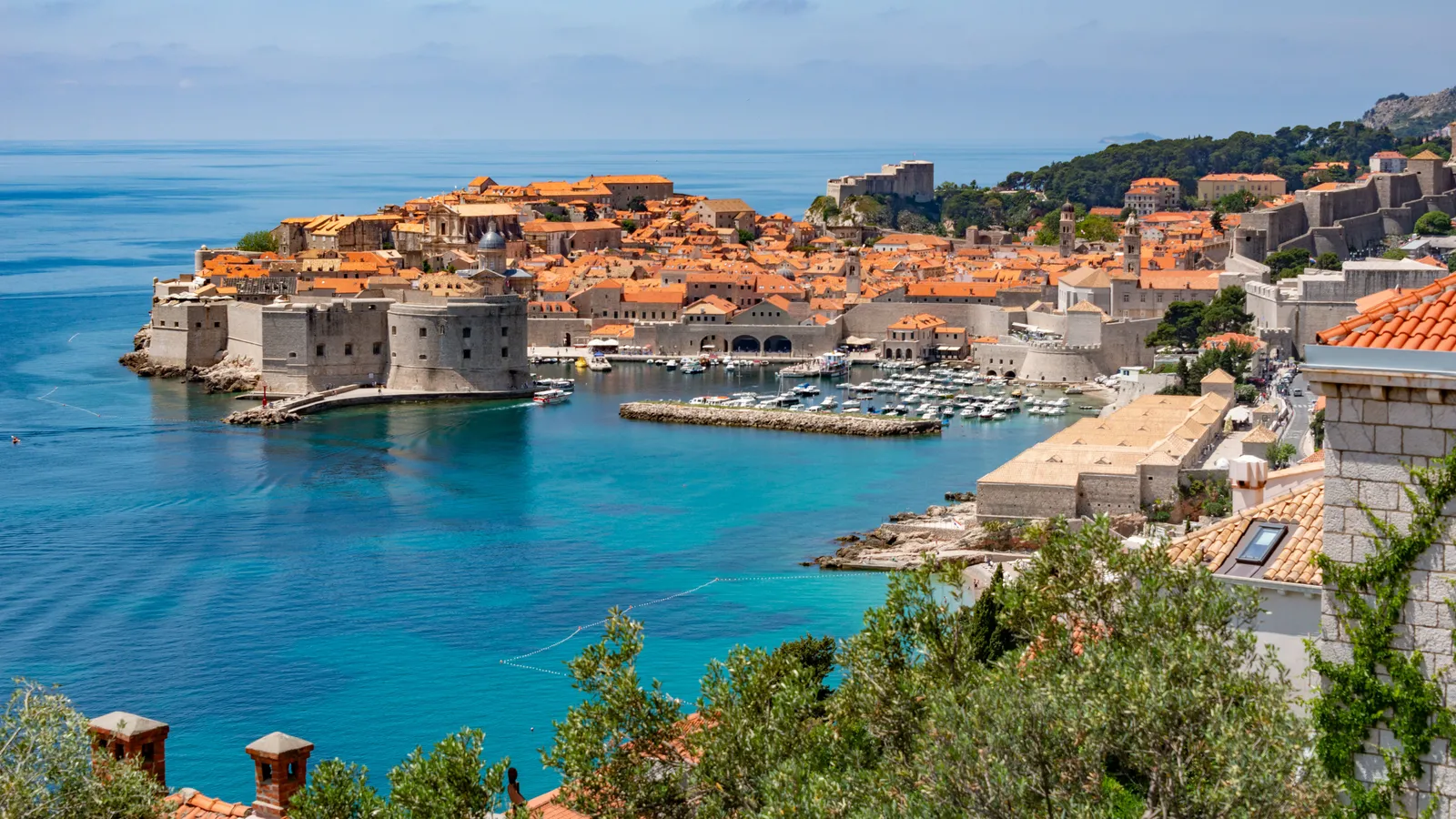
Croatia is a comfortable landing spot if you want EU-edge living, a long coastline, walkable old towns, and a real remote-work crowd to plug into. Zagreb is the sensible year-round base, with a growing tech and coworking scene and rents that stay reasonable. Split and the islands are gorgeous, but they get pricey and packed from June to September. For a solo nomad in a city, budget roughly EUR 1,600 to 1,900 a month. That puts Croatia in the mid range for Europe.
Croatia digital nomad visa and entry
Yes, Croatia runs a dedicated digital nomad residence permit, aimed at people working remotely for non-Croatian companies or clients. You generally need to show steady monthly income of around EUR 3,622.50. That number is reset every year against the average net salary, so check the current figure before you apply. You also need health insurance and a clean record, and you cannot take a local job on this permit. The permit runs up to 18 months, and if you are granted less than that you can extend once by up to 6 months inside the same ceiling, as long as you apply at least 60 days before it expires. A fresh application is only possible 6 months after the previous stay ends. Non-EU nationals are the main audience here. If you hold an EU passport, you have free movement and follow a much simpler registration path instead.
Tax residency and what to check
The usual trigger is a home or a habitual abode in Croatia for at least 183 days, counted across one or two calendar years, so a stay that straddles New Year still adds up. The digital nomad permit comes with a real perk, though. Income from a foreign employer or your own non-Croatian company is generally exempt from Croatian income tax while you hold the status. The catch is that this does not erase what you owe back home or wherever your employer sits. It is a Croatian exemption on that income, not a ruling on which country counts you as resident under a tax treaty, so treat it as an estimate and confirm your own position before you lean on it.
Figures are estimates. Always check the official source linked below.
At a glance
- Currency
- EUR
- Cost of living
- Moderate
- Digital-nomad visa
- Yes
Frequently asked questions
- Croatia: is there a digital nomad visa?
- Digital nomad temporary stay permit. Third-country nationals working remotely via technology for a company or own company not registered in Croatia (not a Croatian employer), showing income about 3,622.50 EUR per month, health insurance, a clean criminal-record certificate and a Croatian address; granted for up to 18 months in total; a grant shorter than 18 months can be extended once by up to 6 months, and a new application is only possible 6 months after the previous stay expires.
- Croatia: when do you become a tax resident?
- Croatian residence turns on a home or a habitual abode of at least 183 days across one or two calendar years (General Tax Act, Art. 43), so a stay straddling New Year still counts. Income from a foreign employer or your own non-Croatian company is exempt from Croatian income tax while you hold digital-nomad status (Personal Income Tax Act, Art. 9(1)(26)). That is a Croatian exemption on that income, not a ruling on which country you are resident in under a tax treaty, so confirm your own position before relying on it.
- Croatia: what is the cost of living?
- The cost of living is moderate and the local currency is the EUR. Treat any figures as estimates.
- Croatia: do you need health insurance?
- Visitors are not covered by Croatia's public system, so travel or private health insurance is needed, and residence permits require qualifying health insurance for the whole stay.
- Croatia: can you drive on a foreign licence?
- A home licence works for short visits, but an International Driving Permit is recommended for non-EU drivers and is sometimes required by police or rental firms.
Guides for this country
Terms worth knowing
Europe: more countries to explore
Put it to work
- Free
Digital-Nomad Visa Checker
See which digital-nomad visas you could actually get with your passport and income, ranked, with the binding reason per country.
→ - Free
Tax-Residency Reality Checker
Go beyond the 183-day myth: model the treaty tie-breaker and see whether two countries could both claim you as a tax resident.
→ - Free
Nomad Insurance Picker
Match SafetyWing, Genki, World Nomads and others to your situation, and see which policies satisfy specific visa proof requirements.
→ - Free
Banking & FX Picker
Find the right account stack to avoid fees and hold multiple currencies abroad, Wise, Revolut, N26, for your nationality and spending.
→