Countries
Finland: visas, tax & cost of living
Moving to Finland as a remote worker: real cost of living, why there is no digital nomad visa, the residence permit and D visa routes, tax and healthcare.
United KingdomFinland
Your move to Finland on a United Kingdom passport
- VisitEasyVisa-free entry
- NomadMediumNo nomad visa, other route
- RelocateMediumResidence with conditions
Visiting
Visa-free for up to 90 days. Travel on a passport valid for your whole stay, with a return or onward ticket and proof you can support yourself.
Passport validity: Passport should be valid for at least three months beyond your planned departure from the Schengen Area and issued within the last 10 years.
Heads-up: The EES biometric entry system has been fully operational at Schengen borders since 10 April 2026. ETIAS, the pre-travel authorisation for visa-exempt visitors (fee EUR 20), is not running yet and has no announced start date; the EU says it will publish the date several months ahead.
At the border: Valid passport, proof of funds and purpose of stay, and onward or return travel; biometric data is captured at the border under EES.
Working remotely
No dedicated nomad visa; the usual route is a standard residence permit.
Tax and residency
You become a Finnish tax resident if your main abode and home is here or you stay in Finland continuously for more than six months, and temporary absences do not break that period; residents are taxed on worldwide income, with relief possible under tax treaties. (estimate)
The UK decides residence with its Statutory Residence Test (days in the UK plus your ties). As a non-resident you are usually taxed only on UK income; where one exists, a double-tax treaty with the destination decides who taxes what.
Practical
Currency: EUR. Cost of living: high.
Healthcare: With a municipality of residence in Finland you are entitled to all the care you need in the public system. Visitors from the EU/EEA, Switzerland and the UK get necessary care, meaning treatment that cannot wait until they get home, on a physical EHIC (UK visitors can also show a GHIC); other visitors are entitled only to emergency care and can be billed for it, so carry private cover.
Driving: A licence from a Geneva or Vienna Convention country stays valid until two years after you move to Finland (one year for other recognised states); carry an international driving permit or an official translation into Finnish, Swedish or English unless your licence clearly shows its categories and validity.
Sources: Migri - Residence permit application for an entrepreneur · Migri - Start-up entrepreneur (2026 income floor, funds for one year) · Migri - Income requirement · Vero - Tax residency for natural persons · Kela - Entitlement to medical care in Finland · Traficom - Driving in Finland with a foreign driving licence · Schengen Borders Code, Regulation (EU) 2016/399 art. 6 (EUR-Lex) · European Commission - EES fully operational since 10 April 2026 (EES and ETIAS explained) · European Commission (Migration and Home Affairs) - ETIAS · GOV.UK: tax on foreign income · HMRC: double-taxation treaties
Estimates, not advice. Confirm with the official sources before you act.
United StatesFinland
Your move to Finland on a United States passport
- VisitEasyVisa-free entry
- NomadMediumNo nomad visa, other route
- RelocateMediumResidence with conditions
Visiting
Visa-free for up to 90 days. Travel on a passport valid for your whole stay, with a return or onward ticket and proof you can support yourself.
Passport validity: Passport should be valid for at least three months beyond your planned departure from the Schengen Area and issued within the last 10 years.
Heads-up: The EES biometric entry system has been fully operational at Schengen borders since 10 April 2026. ETIAS, the pre-travel authorisation for visa-exempt visitors (fee EUR 20), is not running yet and has no announced start date; the EU says it will publish the date several months ahead.
At the border: Valid passport, proof of funds and purpose of stay, and onward or return travel; biometric data is captured at the border under EES.
Working remotely
No dedicated nomad visa; the usual route is a standard residence permit.
Tax and residency
You become a Finnish tax resident if your main abode and home is here or you stay in Finland continuously for more than six months, and temporary absences do not break that period; residents are taxed on worldwide income, with relief possible under tax treaties. (estimate)
The US taxes its citizens on worldwide income wherever you live, so you keep filing US returns abroad. The Foreign Earned Income Exclusion and the foreign tax credit are what stop you being taxed twice.
Practical
Currency: EUR. Cost of living: high.
Healthcare: With a municipality of residence in Finland you are entitled to all the care you need in the public system. Visitors from the EU/EEA, Switzerland and the UK get necessary care, meaning treatment that cannot wait until they get home, on a physical EHIC (UK visitors can also show a GHIC); other visitors are entitled only to emergency care and can be billed for it, so carry private cover.
Driving: A licence from a Geneva or Vienna Convention country stays valid until two years after you move to Finland (one year for other recognised states); carry an international driving permit or an official translation into Finnish, Swedish or English unless your licence clearly shows its categories and validity.
Sources: Migri - Residence permit application for an entrepreneur · Migri - Start-up entrepreneur (2026 income floor, funds for one year) · Migri - Income requirement · Vero - Tax residency for natural persons · Kela - Entitlement to medical care in Finland · Traficom - Driving in Finland with a foreign driving licence · Schengen Borders Code, Regulation (EU) 2016/399 art. 6 (EUR-Lex) · European Commission - EES fully operational since 10 April 2026 (EES and ETIAS explained) · European Commission (Migration and Home Affairs) - ETIAS · IRS: Foreign Earned Income Exclusion · IRS: tax treaties
Estimates, not advice. Confirm with the official sources before you act.
IndiaFinland
Your move to Finland on a India passport
- VisitMediumVisa required in advance
- NomadMediumNo nomad visa, other route
- RelocateMediumResidence with conditions
Visiting
You need a visa, arranged at a consulate before you travel. Plan ahead: gather the documents, book the appointment, and allow time for processing.
Passport validity: Passport should be valid for at least three months beyond your planned departure from the Schengen Area and issued within the last 10 years.
Heads-up: The EES biometric entry system has been fully operational at Schengen borders since 10 April 2026. ETIAS, the pre-travel authorisation for visa-exempt visitors (fee EUR 20), is not running yet and has no announced start date; the EU says it will publish the date several months ahead.
At the border: Valid passport, proof of funds and purpose of stay, and onward or return travel; biometric data is captured at the border under EES.
Working remotely
No dedicated nomad visa; the usual route is a standard residence permit.
Tax and residency
You become a Finnish tax resident if your main abode and home is here or you stay in Finland continuously for more than six months, and temporary absences do not break that period; residents are taxed on worldwide income, with relief possible under tax treaties. (estimate)
India taxes residents on worldwide income; your status depends on the days you spend in India (broadly 182 or more in the year). As a non-resident (NRI) you are taxed only on Indian-source income, and the relevant double-tax treaty allocates the rest.
Practical
Currency: EUR. Cost of living: high.
Healthcare: With a municipality of residence in Finland you are entitled to all the care you need in the public system. Visitors from the EU/EEA, Switzerland and the UK get necessary care, meaning treatment that cannot wait until they get home, on a physical EHIC (UK visitors can also show a GHIC); other visitors are entitled only to emergency care and can be billed for it, so carry private cover.
Driving: A licence from a Geneva or Vienna Convention country stays valid until two years after you move to Finland (one year for other recognised states); carry an international driving permit or an official translation into Finnish, Swedish or English unless your licence clearly shows its categories and validity.
Sources: Migri - Residence permit application for an entrepreneur · Migri - Start-up entrepreneur (2026 income floor, funds for one year) · Migri - Income requirement · Vero - Tax residency for natural persons · Kela - Entitlement to medical care in Finland · Traficom - Driving in Finland with a foreign driving licence · Schengen Borders Code, Regulation (EU) 2016/399 art. 6 (EUR-Lex) · European Commission - EES fully operational since 10 April 2026 (EES and ETIAS explained) · European Commission (Migration and Home Affairs) - ETIAS · Income Tax Department, India · India: Double Taxation Avoidance Agreements
Estimates, not advice. Confirm with the official sources before you act.
GermanyFinland
Your move to Finland on a Germany passport
- VisitEasyVisa-free entry
- NomadEasyFree movement, no nomad visa needed
- RelocateEasyStraightforward residence
Visiting
You have freedom of movement here: you can live, work and stay with no visa.
Passport validity: Passport should be valid for at least three months beyond your planned departure from the Schengen Area and issued within the last 10 years.
Heads-up: The EES biometric entry system has been fully operational at Schengen borders since 10 April 2026. ETIAS, the pre-travel authorisation for visa-exempt visitors (fee EUR 20), is not running yet and has no announced start date; the EU says it will publish the date several months ahead.
At the border: Valid passport, proof of funds and purpose of stay, and onward or return travel; biometric data is captured at the border under EES.
Working remotely
No dedicated nomad visa; the usual route is a standard residence permit.
Tax and residency
You become a Finnish tax resident if your main abode and home is here or you stay in Finland continuously for more than six months, and temporary absences do not break that period; residents are taxed on worldwide income, with relief possible under tax treaties. (estimate)
Germany taxes residents on worldwide income; you become resident through a home available to you (Wohnsitz) or a habitual abode of more than six months. As a non-resident you are usually taxed only on German-source income, and where one exists a double-tax treaty with the destination decides who taxes what.
Practical
Currency: EUR. Cost of living: high.
Healthcare: With a municipality of residence in Finland you are entitled to all the care you need in the public system. Visitors from the EU/EEA, Switzerland and the UK get necessary care, meaning treatment that cannot wait until they get home, on a physical EHIC (UK visitors can also show a GHIC); other visitors are entitled only to emergency care and can be billed for it, so carry private cover.
Driving: A licence from a Geneva or Vienna Convention country stays valid until two years after you move to Finland (one year for other recognised states); carry an international driving permit or an official translation into Finnish, Swedish or English unless your licence clearly shows its categories and validity.
Sources: Migri - Residence permit application for an entrepreneur · Migri - Start-up entrepreneur (2026 income floor, funds for one year) · Migri - Income requirement · Vero - Tax residency for natural persons · Kela - Entitlement to medical care in Finland · Traficom - Driving in Finland with a foreign driving licence · Schengen Borders Code, Regulation (EU) 2016/399 art. 6 (EUR-Lex) · European Commission - EES fully operational since 10 April 2026 (EES and ETIAS explained) · European Commission (Migration and Home Affairs) - ETIAS · Bundeszentralamt für Steuern (BZSt) · Germany: double-taxation agreements (BMF)
Estimates, not advice. Confirm with the official sources before you act.
FranceFinland
Your move to Finland on a France passport
- VisitEasyVisa-free entry
- NomadEasyFree movement, no nomad visa needed
- RelocateEasyStraightforward residence
Visiting
You have freedom of movement here: you can live, work and stay with no visa.
Passport validity: Passport should be valid for at least three months beyond your planned departure from the Schengen Area and issued within the last 10 years.
Heads-up: The EES biometric entry system has been fully operational at Schengen borders since 10 April 2026. ETIAS, the pre-travel authorisation for visa-exempt visitors (fee EUR 20), is not running yet and has no announced start date; the EU says it will publish the date several months ahead.
At the border: Valid passport, proof of funds and purpose of stay, and onward or return travel; biometric data is captured at the border under EES.
Working remotely
No dedicated nomad visa; the usual route is a standard residence permit.
Tax and residency
You become a Finnish tax resident if your main abode and home is here or you stay in Finland continuously for more than six months, and temporary absences do not break that period; residents are taxed on worldwide income, with relief possible under tax treaties. (estimate)
France taxes you on your worldwide income if your tax home (domicile fiscal) stays there, broadly when your household, main home, main job or main economic interests are in France, so moving abroad alone may not end it. Once you genuinely settle elsewhere you are usually taxed only on French-source income, and tax treaties typically prevent paying twice through an exemption or a foreign tax credit, but treat any figures as estimates and check your situation.
Practical
Currency: EUR. Cost of living: high.
Healthcare: With a municipality of residence in Finland you are entitled to all the care you need in the public system. Visitors from the EU/EEA, Switzerland and the UK get necessary care, meaning treatment that cannot wait until they get home, on a physical EHIC (UK visitors can also show a GHIC); other visitors are entitled only to emergency care and can be billed for it, so carry private cover.
Driving: A licence from a Geneva or Vienna Convention country stays valid until two years after you move to Finland (one year for other recognised states); carry an international driving permit or an official translation into Finnish, Swedish or English unless your licence clearly shows its categories and validity.
Sources: Migri - Residence permit application for an entrepreneur · Migri - Start-up entrepreneur (2026 income floor, funds for one year) · Migri - Income requirement · Vero - Tax residency for natural persons · Kela - Entitlement to medical care in Finland · Traficom - Driving in Finland with a foreign driving licence · Schengen Borders Code, Regulation (EU) 2016/399 art. 6 (EUR-Lex) · European Commission - EES fully operational since 10 April 2026 (EES and ETIAS explained) · European Commission (Migration and Home Affairs) - ETIAS · impots.gouv.fr - Résidents de France · impots.gouv.fr - Les conventions internationales
Estimates, not advice. Confirm with the official sources before you act.
SpainFinland
Your move to Finland on a Spain passport
- VisitEasyVisa-free entry
- NomadEasyFree movement, no nomad visa needed
- RelocateEasyStraightforward residence
Visiting
You have freedom of movement here: you can live, work and stay with no visa.
Passport validity: Passport should be valid for at least three months beyond your planned departure from the Schengen Area and issued within the last 10 years.
Heads-up: The EES biometric entry system has been fully operational at Schengen borders since 10 April 2026. ETIAS, the pre-travel authorisation for visa-exempt visitors (fee EUR 20), is not running yet and has no announced start date; the EU says it will publish the date several months ahead.
At the border: Valid passport, proof of funds and purpose of stay, and onward or return travel; biometric data is captured at the border under EES.
Working remotely
No dedicated nomad visa; the usual route is a standard residence permit.
Tax and residency
You become a Finnish tax resident if your main abode and home is here or you stay in Finland continuously for more than six months, and temporary absences do not break that period; residents are taxed on worldwide income, with relief possible under tax treaties. (estimate)
If Spain still counts as your tax home (roughly 183+ days in the country in a year, or your main base of life and income sits there), Spain taxes your worldwide income at IRPF rates, so what you earn abroad usually counts too. The sting is softened by double-tax treaties and a foreign-tax credit, plus the Article 7.p exemption that can shelter work done abroad up to around 60,100 euros a year, but treat every figure as an estimate and check your own case before you file.
Practical
Currency: EUR. Cost of living: high.
Healthcare: With a municipality of residence in Finland you are entitled to all the care you need in the public system. Visitors from the EU/EEA, Switzerland and the UK get necessary care, meaning treatment that cannot wait until they get home, on a physical EHIC (UK visitors can also show a GHIC); other visitors are entitled only to emergency care and can be billed for it, so carry private cover.
Driving: A licence from a Geneva or Vienna Convention country stays valid until two years after you move to Finland (one year for other recognised states); carry an international driving permit or an official translation into Finnish, Swedish or English unless your licence clearly shows its categories and validity.
Sources: Migri - Residence permit application for an entrepreneur · Migri - Start-up entrepreneur (2026 income floor, funds for one year) · Migri - Income requirement · Vero - Tax residency for natural persons · Kela - Entitlement to medical care in Finland · Traficom - Driving in Finland with a foreign driving licence · Schengen Borders Code, Regulation (EU) 2016/399 art. 6 (EUR-Lex) · European Commission - EES fully operational since 10 April 2026 (EES and ETIAS explained) · European Commission (Migration and Home Affairs) - ETIAS · Agencia Tributaria: persona física residente en España · Agencia Tributaria: obtención de rentas extranjeras, reglas generales
Estimates, not advice. Confirm with the official sources before you act.
ItalyFinland
Your move to Finland on a Italy passport
- VisitEasyVisa-free entry
- NomadEasyFree movement, no nomad visa needed
- RelocateEasyStraightforward residence
Visiting
You have freedom of movement here: you can live, work and stay with no visa.
Passport validity: Passport should be valid for at least three months beyond your planned departure from the Schengen Area and issued within the last 10 years.
Heads-up: The EES biometric entry system has been fully operational at Schengen borders since 10 April 2026. ETIAS, the pre-travel authorisation for visa-exempt visitors (fee EUR 20), is not running yet and has no announced start date; the EU says it will publish the date several months ahead.
At the border: Valid passport, proof of funds and purpose of stay, and onward or return travel; biometric data is captured at the border under EES.
Working remotely
No dedicated nomad visa; the usual route is a standard residence permit.
Tax and residency
You become a Finnish tax resident if your main abode and home is here or you stay in Finland continuously for more than six months, and temporary absences do not break that period; residents are taxed on worldwide income, with relief possible under tax treaties. (estimate)
Italy generally treats you as a tax resident if for most of the year (roughly 183 days or more) your home, family or registration ties are here, and residents are taxed on worldwide income wherever they live. The relief is usually a foreign tax credit for tax already paid abroad, often shaped by Italy's double-taxation treaties, so the same income should not be taxed twice.
Practical
Currency: EUR. Cost of living: high.
Healthcare: With a municipality of residence in Finland you are entitled to all the care you need in the public system. Visitors from the EU/EEA, Switzerland and the UK get necessary care, meaning treatment that cannot wait until they get home, on a physical EHIC (UK visitors can also show a GHIC); other visitors are entitled only to emergency care and can be billed for it, so carry private cover.
Driving: A licence from a Geneva or Vienna Convention country stays valid until two years after you move to Finland (one year for other recognised states); carry an international driving permit or an official translation into Finnish, Swedish or English unless your licence clearly shows its categories and validity.
Sources: Migri - Residence permit application for an entrepreneur · Migri - Start-up entrepreneur (2026 income floor, funds for one year) · Migri - Income requirement · Vero - Tax residency for natural persons · Kela - Entitlement to medical care in Finland · Traficom - Driving in Finland with a foreign driving licence · Schengen Borders Code, Regulation (EU) 2016/399 art. 6 (EUR-Lex) · European Commission - EES fully operational since 10 April 2026 (EES and ETIAS explained) · European Commission (Migration and Home Affairs) - ETIAS · Agenzia delle Entrate, Residence for tax purposes · Agenzia delle Entrate, Bilateral agreements to prevent double taxation
Estimates, not advice. Confirm with the official sources before you act.
CanadaFinland
Your move to Finland on a Canada passport
- VisitEasyVisa-free entry
- NomadMediumNo nomad visa, other route
- RelocateMediumResidence with conditions
Visiting
Visa-free for up to 90 days. Travel on a passport valid for your whole stay, with a return or onward ticket and proof you can support yourself.
Passport validity: Passport should be valid for at least three months beyond your planned departure from the Schengen Area and issued within the last 10 years.
Heads-up: The EES biometric entry system has been fully operational at Schengen borders since 10 April 2026. ETIAS, the pre-travel authorisation for visa-exempt visitors (fee EUR 20), is not running yet and has no announced start date; the EU says it will publish the date several months ahead.
At the border: Valid passport, proof of funds and purpose of stay, and onward or return travel; biometric data is captured at the border under EES.
Working remotely
No dedicated nomad visa; the usual route is a standard residence permit.
Tax and residency
You become a Finnish tax resident if your main abode and home is here or you stay in Finland continuously for more than six months, and temporary absences do not break that period; residents are taxed on worldwide income, with relief possible under tax treaties. (estimate)
Canada taxes you on residency, not on holding the passport, so as long as the CRA still treats you as a resident (kept home, family or strong ties) you generally owe Canadian tax on your worldwide income. The relief is usually a foreign tax credit for tax you already paid abroad, often topped up by a tax treaty, though the exact amounts are only estimates until you check your own case.
Practical
Currency: EUR. Cost of living: high.
Healthcare: With a municipality of residence in Finland you are entitled to all the care you need in the public system. Visitors from the EU/EEA, Switzerland and the UK get necessary care, meaning treatment that cannot wait until they get home, on a physical EHIC (UK visitors can also show a GHIC); other visitors are entitled only to emergency care and can be billed for it, so carry private cover.
Driving: A licence from a Geneva or Vienna Convention country stays valid until two years after you move to Finland (one year for other recognised states); carry an international driving permit or an official translation into Finnish, Swedish or English unless your licence clearly shows its categories and validity.
Sources: Migri - Residence permit application for an entrepreneur · Migri - Start-up entrepreneur (2026 income floor, funds for one year) · Migri - Income requirement · Vero - Tax residency for natural persons · Kela - Entitlement to medical care in Finland · Traficom - Driving in Finland with a foreign driving licence · Schengen Borders Code, Regulation (EU) 2016/399 art. 6 (EUR-Lex) · European Commission - EES fully operational since 10 April 2026 (EES and ETIAS explained) · European Commission (Migration and Home Affairs) - ETIAS · Canada Revenue Agency, Determining your residency status · Department of Finance Canada, Tax treaties in force
Estimates, not advice. Confirm with the official sources before you act.
AustraliaFinland
Your move to Finland on a Australia passport
- VisitEasyVisa-free entry
- NomadMediumNo nomad visa, other route
- RelocateMediumResidence with conditions
Visiting
Visa-free for up to 90 days. Travel on a passport valid for your whole stay, with a return or onward ticket and proof you can support yourself.
Passport validity: Passport should be valid for at least three months beyond your planned departure from the Schengen Area and issued within the last 10 years.
Heads-up: The EES biometric entry system has been fully operational at Schengen borders since 10 April 2026. ETIAS, the pre-travel authorisation for visa-exempt visitors (fee EUR 20), is not running yet and has no announced start date; the EU says it will publish the date several months ahead.
At the border: Valid passport, proof of funds and purpose of stay, and onward or return travel; biometric data is captured at the border under EES.
Working remotely
No dedicated nomad visa; the usual route is a standard residence permit.
Tax and residency
You become a Finnish tax resident if your main abode and home is here or you stay in Finland continuously for more than six months, and temporary absences do not break that period; residents are taxed on worldwide income, with relief possible under tax treaties. (estimate)
If you stay an Australian resident for tax purposes, Australia generally taxes your worldwide income wherever you live, with residency turned on the moment your real home and ties are here (a continuous stay of roughly 6 months can be enough). To soften double tax, you can usually claim a Foreign Income Tax Offset for tax already paid abroad, capped at the Australian tax on that income, and treaties may help too, so treat these figures as estimates and check your own case.
Practical
Currency: EUR. Cost of living: high.
Healthcare: With a municipality of residence in Finland you are entitled to all the care you need in the public system. Visitors from the EU/EEA, Switzerland and the UK get necessary care, meaning treatment that cannot wait until they get home, on a physical EHIC (UK visitors can also show a GHIC); other visitors are entitled only to emergency care and can be billed for it, so carry private cover.
Driving: A licence from a Geneva or Vienna Convention country stays valid until two years after you move to Finland (one year for other recognised states); carry an international driving permit or an official translation into Finnish, Swedish or English unless your licence clearly shows its categories and validity.
Sources: Migri - Residence permit application for an entrepreneur · Migri - Start-up entrepreneur (2026 income floor, funds for one year) · Migri - Income requirement · Vero - Tax residency for natural persons · Kela - Entitlement to medical care in Finland · Traficom - Driving in Finland with a foreign driving licence · Schengen Borders Code, Regulation (EU) 2016/399 art. 6 (EUR-Lex) · European Commission - EES fully operational since 10 April 2026 (EES and ETIAS explained) · European Commission (Migration and Home Affairs) - ETIAS · Australian Taxation Office, Australian resident for tax purposes · Australian Taxation Office, International tax agreements (tax treaties)
Estimates, not advice. Confirm with the official sources before you act.
BrazilFinland
Your move to Finland on a Brazil passport
- VisitEasyVisa-free entry
- NomadMediumNo nomad visa, other route
- RelocateMediumResidence with conditions
Visiting
Visa-free for up to 90 days. Travel on a passport valid for your whole stay, with a return or onward ticket and proof you can support yourself.
Passport validity: Passport should be valid for at least three months beyond your planned departure from the Schengen Area and issued within the last 10 years.
Heads-up: The EES biometric entry system has been fully operational at Schengen borders since 10 April 2026. ETIAS, the pre-travel authorisation for visa-exempt visitors (fee EUR 20), is not running yet and has no announced start date; the EU says it will publish the date several months ahead.
At the border: Valid passport, proof of funds and purpose of stay, and onward or return travel; biometric data is captured at the border under EES.
Working remotely
No dedicated nomad visa; the usual route is a standard residence permit.
Tax and residency
You become a Finnish tax resident if your main abode and home is here or you stay in Finland continuously for more than six months, and temporary absences do not break that period; residents are taxed on worldwide income, with relief possible under tax treaties. (estimate)
If Brazil still counts you as tax-resident, usually triggered by a permanent visa, a temporary visa plus a job, or roughly 183 days in the country within any 12 months, the Receita Federal taxes your worldwide income, so you keep filing the annual return wherever you live. The relief is real but partial: tax paid abroad can normally be credited against what you owe in Brazil under a treaty or recognised reciprocity, so most people are not taxed twice on the same income.
Practical
Currency: EUR. Cost of living: high.
Healthcare: With a municipality of residence in Finland you are entitled to all the care you need in the public system. Visitors from the EU/EEA, Switzerland and the UK get necessary care, meaning treatment that cannot wait until they get home, on a physical EHIC (UK visitors can also show a GHIC); other visitors are entitled only to emergency care and can be billed for it, so carry private cover.
Driving: A licence from a Geneva or Vienna Convention country stays valid until two years after you move to Finland (one year for other recognised states); carry an international driving permit or an official translation into Finnish, Swedish or English unless your licence clearly shows its categories and validity.
Sources: Migri - Residence permit application for an entrepreneur · Migri - Start-up entrepreneur (2026 income floor, funds for one year) · Migri - Income requirement · Vero - Tax residency for natural persons · Kela - Entitlement to medical care in Finland · Traficom - Driving in Finland with a foreign driving licence · Schengen Borders Code, Regulation (EU) 2016/399 art. 6 (EUR-Lex) · European Commission - EES fully operational since 10 April 2026 (EES and ETIAS explained) · European Commission (Migration and Home Affairs) - ETIAS · Receita Federal, Acordos para evitar a dupla tributação · Receita Federal, Imposto sobre a Renda da Pessoa Física (IRPF)
Estimates, not advice. Confirm with the official sources before you act.
MexicoFinland
Your move to Finland on a Mexico passport
- VisitEasyVisa-free entry
- NomadMediumNo nomad visa, other route
- RelocateMediumResidence with conditions
Visiting
Visa-free for up to 90 days. Travel on a passport valid for your whole stay, with a return or onward ticket and proof you can support yourself.
Passport validity: Passport should be valid for at least three months beyond your planned departure from the Schengen Area and issued within the last 10 years.
Heads-up: The EES biometric entry system has been fully operational at Schengen borders since 10 April 2026. ETIAS, the pre-travel authorisation for visa-exempt visitors (fee EUR 20), is not running yet and has no announced start date; the EU says it will publish the date several months ahead.
At the border: Valid passport, proof of funds and purpose of stay, and onward or return travel; biometric data is captured at the border under EES.
Working remotely
No dedicated nomad visa; the usual route is a standard residence permit.
Tax and residency
You become a Finnish tax resident if your main abode and home is here or you stay in Finland continuously for more than six months, and temporary absences do not break that period; residents are taxed on worldwide income, with relief possible under tax treaties. (estimate)
Mexico taxes you on your worldwide income once you count as a tax resident, which usually means your main home or your center of life is here (very roughly, spending more than about 183 days a year can tip the balance). The good news is the SAT lets you credit foreign income tax you already paid, and Mexico's double-taxation treaties mean the same money should not normally be taxed twice.
Practical
Currency: EUR. Cost of living: high.
Healthcare: With a municipality of residence in Finland you are entitled to all the care you need in the public system. Visitors from the EU/EEA, Switzerland and the UK get necessary care, meaning treatment that cannot wait until they get home, on a physical EHIC (UK visitors can also show a GHIC); other visitors are entitled only to emergency care and can be billed for it, so carry private cover.
Driving: A licence from a Geneva or Vienna Convention country stays valid until two years after you move to Finland (one year for other recognised states); carry an international driving permit or an official translation into Finnish, Swedish or English unless your licence clearly shows its categories and validity.
Sources: Migri - Residence permit application for an entrepreneur · Migri - Start-up entrepreneur (2026 income floor, funds for one year) · Migri - Income requirement · Vero - Tax residency for natural persons · Kela - Entitlement to medical care in Finland · Traficom - Driving in Finland with a foreign driving licence · Schengen Borders Code, Regulation (EU) 2016/399 art. 6 (EUR-Lex) · European Commission - EES fully operational since 10 April 2026 (EES and ETIAS explained) · European Commission (Migration and Home Affairs) - ETIAS · SAT - Servicio de Administración Tributaria · SAT - Tratados en Materia Fiscal (para evitar la doble tributación)
Estimates, not advice. Confirm with the official sources before you act.
PhilippinesFinland
Your move to Finland on a Philippines passport
- VisitMediumVisa required in advance
- NomadMediumNo nomad visa, other route
- RelocateMediumResidence with conditions
Visiting
You need a visa, arranged at a consulate before you travel. Plan ahead: gather the documents, book the appointment, and allow time for processing.
Passport validity: Passport should be valid for at least three months beyond your planned departure from the Schengen Area and issued within the last 10 years.
Heads-up: The EES biometric entry system has been fully operational at Schengen borders since 10 April 2026. ETIAS, the pre-travel authorisation for visa-exempt visitors (fee EUR 20), is not running yet and has no announced start date; the EU says it will publish the date several months ahead.
At the border: Valid passport, proof of funds and purpose of stay, and onward or return travel; biometric data is captured at the border under EES.
Working remotely
No dedicated nomad visa; the usual route is a standard residence permit.
Tax and residency
You become a Finnish tax resident if your main abode and home is here or you stay in Finland continuously for more than six months, and temporary absences do not break that period; residents are taxed on worldwide income, with relief possible under tax treaties. (estimate)
If you stay a resident citizen, the Philippines taxes your worldwide income, but once you genuinely live and work abroad you usually count as a non-resident citizen and are taxed only on income from Philippine sources. The exact line depends on how long you are out and your ties back home, so treat these as estimates, and a foreign tax credit can offset tax already paid abroad.
Practical
Currency: EUR. Cost of living: high.
Healthcare: With a municipality of residence in Finland you are entitled to all the care you need in the public system. Visitors from the EU/EEA, Switzerland and the UK get necessary care, meaning treatment that cannot wait until they get home, on a physical EHIC (UK visitors can also show a GHIC); other visitors are entitled only to emergency care and can be billed for it, so carry private cover.
Driving: A licence from a Geneva or Vienna Convention country stays valid until two years after you move to Finland (one year for other recognised states); carry an international driving permit or an official translation into Finnish, Swedish or English unless your licence clearly shows its categories and validity.
Sources: Migri - Residence permit application for an entrepreneur · Migri - Start-up entrepreneur (2026 income floor, funds for one year) · Migri - Income requirement · Vero - Tax residency for natural persons · Kela - Entitlement to medical care in Finland · Traficom - Driving in Finland with a foreign driving licence · Schengen Borders Code, Regulation (EU) 2016/399 art. 6 (EUR-Lex) · European Commission - EES fully operational since 10 April 2026 (EES and ETIAS explained) · European Commission (Migration and Home Affairs) - ETIAS · BIR - Taxation of Foreign Source Income · BIR - Taxation of Non-Residents
Estimates, not advice. Confirm with the official sources before you act.
NigeriaFinland
Your move to Finland on a Nigeria passport
- VisitMediumVisa required in advance
- NomadMediumNo nomad visa, other route
- RelocateMediumResidence with conditions
Visiting
You need a visa, arranged at a consulate before you travel. Plan ahead: gather the documents, book the appointment, and allow time for processing.
Passport validity: Passport should be valid for at least three months beyond your planned departure from the Schengen Area and issued within the last 10 years.
Heads-up: The EES biometric entry system has been fully operational at Schengen borders since 10 April 2026. ETIAS, the pre-travel authorisation for visa-exempt visitors (fee EUR 20), is not running yet and has no announced start date; the EU says it will publish the date several months ahead.
At the border: Valid passport, proof of funds and purpose of stay, and onward or return travel; biometric data is captured at the border under EES.
Working remotely
No dedicated nomad visa; the usual route is a standard residence permit.
Tax and residency
You become a Finnish tax resident if your main abode and home is here or you stay in Finland continuously for more than six months, and temporary absences do not break that period; residents are taxed on worldwide income, with relief possible under tax treaties. (estimate)
If Nigeria still counts you as resident, roughly 183 or more days in the country in a year, or you keep a home, habitual abode or close family and economic ties there, you are generally taxed on your worldwide income, not just what you earn in Nigeria. There is usually a foreign tax credit, and Nigeria's tax treaties, so tax you already paid abroad can typically be set against your Nigerian bill, but treat these figures as estimates and check the current rules before you file.
Practical
Currency: EUR. Cost of living: high.
Healthcare: With a municipality of residence in Finland you are entitled to all the care you need in the public system. Visitors from the EU/EEA, Switzerland and the UK get necessary care, meaning treatment that cannot wait until they get home, on a physical EHIC (UK visitors can also show a GHIC); other visitors are entitled only to emergency care and can be billed for it, so carry private cover.
Driving: A licence from a Geneva or Vienna Convention country stays valid until two years after you move to Finland (one year for other recognised states); carry an international driving permit or an official translation into Finnish, Swedish or English unless your licence clearly shows its categories and validity.
Sources: Migri - Residence permit application for an entrepreneur · Migri - Start-up entrepreneur (2026 income floor, funds for one year) · Migri - Income requirement · Vero - Tax residency for natural persons · Kela - Entitlement to medical care in Finland · Traficom - Driving in Finland with a foreign driving licence · Schengen Borders Code, Regulation (EU) 2016/399 art. 6 (EUR-Lex) · European Commission - EES fully operational since 10 April 2026 (EES and ETIAS explained) · European Commission (Migration and Home Affairs) - ETIAS · Federal Inland Revenue Service (FIRS) · FIRS - Tax Treaties and Related Matters
Estimates, not advice. Confirm with the official sources before you act.
VietnamFinland
Your move to Finland on a Vietnam passport
- VisitMediumVisa required in advance
- NomadMediumNo nomad visa, other route
- RelocateMediumResidence with conditions
Visiting
You need a visa, arranged at a consulate before you travel. Plan ahead: gather the documents, book the appointment, and allow time for processing.
Passport validity: Passport should be valid for at least three months beyond your planned departure from the Schengen Area and issued within the last 10 years.
Heads-up: The EES biometric entry system has been fully operational at Schengen borders since 10 April 2026. ETIAS, the pre-travel authorisation for visa-exempt visitors (fee EUR 20), is not running yet and has no announced start date; the EU says it will publish the date several months ahead.
At the border: Valid passport, proof of funds and purpose of stay, and onward or return travel; biometric data is captured at the border under EES.
Working remotely
No dedicated nomad visa; the usual route is a standard residence permit.
Tax and residency
You become a Finnish tax resident if your main abode and home is here or you stay in Finland continuously for more than six months, and temporary absences do not break that period; residents are taxed on worldwide income, with relief possible under tax treaties. (estimate)
Vietnam treats you as a tax resident once you spend roughly 183 days there in a calendar year (or any rolling 12 months) or keep a permanent home, and residents are taxed on worldwide income at progressive rates of around 5% to 35%; there is no foreign-earned-income exclusion, but Vietnam's tax treaties and a foreign tax credit usually stop the same income being taxed twice.
Practical
Currency: EUR. Cost of living: high.
Healthcare: With a municipality of residence in Finland you are entitled to all the care you need in the public system. Visitors from the EU/EEA, Switzerland and the UK get necessary care, meaning treatment that cannot wait until they get home, on a physical EHIC (UK visitors can also show a GHIC); other visitors are entitled only to emergency care and can be billed for it, so carry private cover.
Driving: A licence from a Geneva or Vienna Convention country stays valid until two years after you move to Finland (one year for other recognised states); carry an international driving permit or an official translation into Finnish, Swedish or English unless your licence clearly shows its categories and validity.
Sources: Migri - Residence permit application for an entrepreneur · Migri - Start-up entrepreneur (2026 income floor, funds for one year) · Migri - Income requirement · Vero - Tax residency for natural persons · Kela - Entitlement to medical care in Finland · Traficom - Driving in Finland with a foreign driving licence · Schengen Borders Code, Regulation (EU) 2016/399 art. 6 (EUR-Lex) · European Commission - EES fully operational since 10 April 2026 (EES and ETIAS explained) · European Commission (Migration and Home Affairs) - ETIAS · General Department of Taxation (Tổng cục Thuế) · GDT - Agreements for Avoidance of Double Taxation
Estimates, not advice. Confirm with the official sources before you act.
Should you move to Finland?
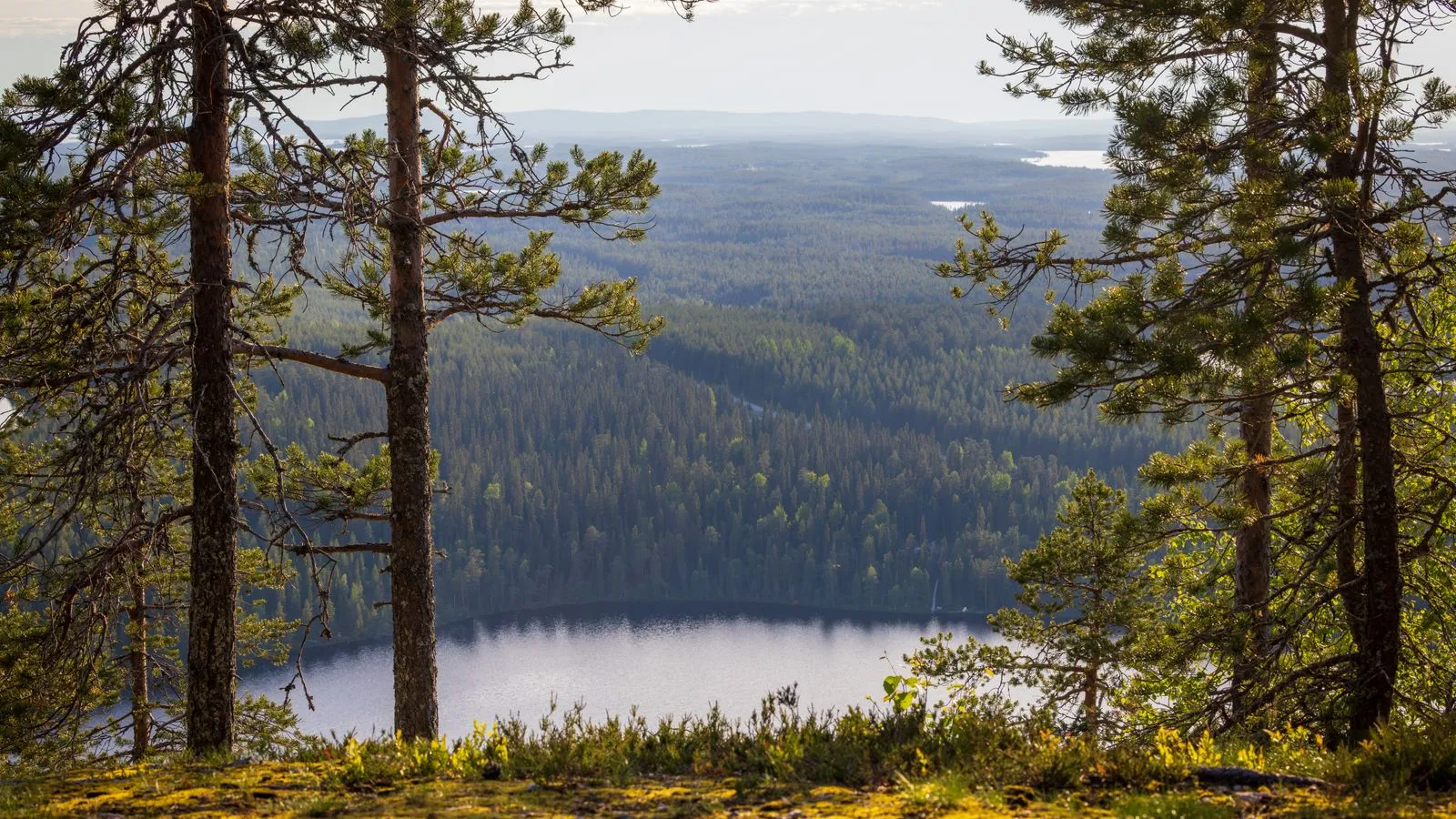
Finland is the quiet overachiever of the Nordics. It runs on trust, clean design and infrastructure that simply works: fast fibre almost everywhere, punctual trains, tap water you can drink without a second thought, and a public sector that does what it says. For a remote worker who values focus, safety and space, it is close to ideal. For a nomad chasing cheap sun and a big social scene, it is a harder sell.
Most newcomers land in Helsinki, the capital and the hub for tech, startups and English-speaking work. Espoo (next door, home to Aalto University and a lot of engineering) and Tampere (younger, cheaper, a real startup energy) are the other two obvious bases. Turku and Oulu round out the shortlist.
Budget honestly. A single person in Helsinki should plan for roughly €1,900 to €2,600 a month all in, more if you want a central one-bedroom to yourself. A couple can run comfortably on around €3,000 to €3,800. That buys a high standard of living, but Finland is not a place you move to save money.
The trade-offs are real, so let us name them. Winter is long and dark: in December, Helsinki gets under six hours of weak daylight, and the far north sees the sun barely rise at all. The language is genuinely hard, though English is very widely spoken, especially by younger Finns. Finns are warm once you are in, but reserved at first, so building a circle takes patience. And bureaucracy, while efficient, is exacting: paperwork gets done properly or not at all.
Cost of living in Finland
Finland sits among the pricier countries in the EU, roughly on par with Germany and below Norway or Switzerland. Housing is the biggest line, and it varies a lot by city.
According to Numbeo, a one-bedroom apartment in a city centre averages around €775 a month, and about €620 outside the centre, though a central Helsinki one-bedroom realistically runs €900 to €1,200. Basic utilities for a mid-sized flat come to roughly €125 a month, and home internet is cheap and fast, often under €30.
Day to day, groceries for one person land around €250 to €350 a month if you cook. Eating out is where the price bites: a meal at an inexpensive restaurant is about €15, and a lunch buffet (the famous Finnish lounas) is one of the best-value meals in the country at roughly €11 to €14. A beer out is often €7 to €9. Numbeo puts the estimated monthly cost for a single person, excluding rent, at around €940, which fits the on-the-ground feel.
The upside: many things you would pay extra for elsewhere are baked in. Public transport is excellent and affordable, tap water is free and pristine, and public libraries (like Helsinki’s Oodi) are genuinely world-class free workspaces. Treat these figures as a starting point and verify current rents for your specific city before you commit.
Finland residence permits and the long-stay D visa
Let us be direct: Finland does not have a dedicated digital nomad visa. There is no remote-work permit you can apply for the way you can in Portugal or Estonia. What matters instead is your passport.
If you hold an EU, EEA or Swiss passport, you have freedom of movement. You can arrive, work remotely and stay, and you only need to register your right of residence with the Finnish Immigration Service (Migri) once you have been in the country for more than three months.
If you are a non-EU citizen, you need a residence permit, and there is no category that simply says “remote employee of a foreign company”. The realistic routes are the residence permit for an entrepreneur and the start-up entrepreneur permit, and neither is built for remote work. The entrepreneur permit needs your own Business ID and real work in your company in Finland, and the Economic Development Centre rules on the business before Migri decides. Freelancers and light entrepreneurs who bill through an invoicing service cannot use it, so it does not fit remote work for a foreign employer. A first permit costs €750 online or €900 on paper. The start-up permit needs a positive eligibility statement from Business Finland, a 2026 net income of at least €1,210, €1,090 or €1,030 a month depending on where you live, and enough money for at least one year. Finland also issues a D visa, a 100-day entry visa for some permit holders (start-up entrepreneurs, specialists and their families among them), which comes alongside a residence permit rather than instead of one.
Because the rules turn entirely on nationality and business setup, run your own situation through our digital nomad visa checker before you plan anything, and confirm current requirements directly with Migri, since permit categories and income thresholds change.
Tax residency and the 183 day rule
Tax is where a Finnish stay gets expensive, and where the details matter. This is general information, not tax advice, so check your own case with a professional.
Finland taxes you differently depending on how long you stay. Broadly, if you live in Finland for a continuous period of more than six months (the practical version of the 183-day idea, and temporary absences do not break it), the Finnish Tax Administration (Vero) treats you as a tax resident, meaning you are taxed on your worldwide income. Stay six months or less and you are usually a non-resident, taxed only on Finnish-source income: wages from a Finnish employer are usually taxed at a flat 35% at source, and a tax-at-source card can include a deduction of €510 a month (€17 a day) before the rate applies.
Residents pay a progressive national income tax plus a municipal tax whose rate depends on your municipality, and possibly a church tax. Vero’s own 2026 example puts the tax rate on €70,000 of pay in Helsinki at 25%, with pension and unemployment contributions of about 8% on top, which is a real jump if you are coming from a low-tax country. The flip side is that this funds the healthcare, transport and public services you actually use.
The six-month clock and any tax treaty between Finland and your home country can change the picture completely. Use our tax residency checker to see how the day-count logic applies to you, and verify the current rates on Vero before you rely on any number.
Healthcare and insurance
Finland’s public healthcare is strong, and once you have a municipality of residence in Finland, you are entitled to all the care you need in the public system; Kela, the social insurance institution, explains who qualifies. Care runs through local public health centres (terveysasema), where a doctor visit carries only a small client fee, and your charges for the year stop once you reach an annual payment ceiling. It is high quality but not always fast: non-urgent appointments can involve a wait.
That waiting time is exactly why many working residents also use private clinics. The big names are Mehiläinen, Terveystalo and Aava, where you can usually see a GP within a day or two. A private specialist visit costs a good deal more out of pocket, and many employers include private cover as a perk.
Until you have a municipality of residence, the public system gives you only necessary care, meaning treatment that cannot wait until you get home: EU/EEA, Swiss and UK visitors access it with a physical EHIC (UK visitors can also show a GHIC), while other visitors are entitled only to emergency care and can be billed for it. Either way, carry private health insurance. The price depends on your age and the scope of cover, so check your own entitlement with Kela and price a couple of insurers before you travel. InfoFinland, the official multilingual service for newcomers, is a reliable place to check current healthcare access rules.
Money, banking and settling in
Finland is close to cashless. Cards and mobile payments work everywhere, and you can go weeks without touching a coin. The catch is that opening a proper local bank account can be surprisingly slow, because banks want your personal identity code (henkilötunnus) and often proof of a residence permit first.
The main banks are Nordea, OP and S-Pankki. Expect to book an in-person appointment, bring your passport and permit, and be patient: strong-authentication rules mean the process is thorough. In the gap before your account is live, a multi-currency card like Wise or Revolut covers day-to-day spending well.
For your first weeks, prioritise three things in order: register with the Digital and Population Data Services Agency to get your personal identity code, register your right of residence or activate your permit with Migri, then sort your bank and tax card with Vero. Almost everything downstream (a phone contract, a gym, a lease) hangs on that identity code, so chase it early. InfoFinland walks through each official step in plain English.
One last honest note: settling in socially is the slow part. Join a sauna group, a sports club or a language course early. Finns open up around shared activities far more than small talk. Give it a winter, and the place tends to win people over.
Figures are estimates. Always check the official source.
Frequently asked questions
- Finland: is there a digital nomad visa?
- No dedicated digital nomad visa; most people use a standard residence permit instead.
- Finland: when do you become a tax resident?
- You become a Finnish tax resident if your main abode and home is here or you stay in Finland continuously for more than six months, and temporary absences do not break that period; residents are taxed on worldwide income, with relief possible under tax treaties.
- Finland: what is the cost of living?
- The cost of living is high and the local currency is the EUR. Treat any figures as estimates.
- Finland: do you need health insurance?
- With a municipality of residence in Finland you are entitled to all the care you need in the public system. Visitors from the EU/EEA, Switzerland and the UK get necessary care, meaning treatment that cannot wait until they get home, on a physical EHIC (UK visitors can also show a GHIC); other visitors are entitled only to emergency care and can be billed for it, so carry private cover.
- Finland: can you drive on a foreign licence?
- A licence from a Geneva or Vienna Convention country stays valid until two years after you move to Finland (one year for other recognised states); carry an international driving permit or an official translation into Finnish, Swedish or English unless your licence clearly shows its categories and validity.
Terms worth knowing
Europe: more countries to explore
Put it to work
- Free
Digital-Nomad Visa Checker
See which digital-nomad visas you could actually get with your passport and income, ranked, with the binding reason per country.
→ - Free
Tax-Residency Reality Checker
Go beyond the 183-day myth: model the treaty tie-breaker and see whether two countries could both claim you as a tax resident.
→ - Free
Nomad Insurance Picker
Match SafetyWing, Genki, World Nomads and others to your situation, and see which policies satisfy specific visa proof requirements.
→ - Free
Banking & FX Picker
Find the right account stack to avoid fees and hold multiple currencies abroad, Wise, Revolut, N26, for your nationality and spending.
→ - Free
Schengen 90/180 Calculator
Count how many of your 90 Schengen days are left and the earliest date you can re-enter. All math runs in your browser, nothing is sent anywhere.
→