Countries
Guatemala: visas, tax & cost of living
A warm, honest guide to moving to Guatemala as a remote worker: the residence route for people paid from abroad, real costs, tax, healthcare and banking.
United KingdomGuatemala
Your move to Guatemala on a United Kingdom passport
- VisitEasyVisa-free entry
- NomadFairly easyNomad visa, stricter rules
- RelocateMediumResidence with conditions
Visiting
Visa-free for up to 90 days. Travel on a passport valid for your whole stay, with a return or onward ticket and proof you can support yourself.
Passport validity: Many nationalities need a passport valid at least three to six months beyond the intended stay, check your own rule before travel.
At the border: Onward or return ticket and an electronic immigration and customs declaration completed before arrival; most visitors get up to 90 days under the CA-4 agreement.
Working remotely
Temporary residence as a migrant worker with a foreign employer (marketed as the digital nomad residence).
Income needed: USD 2,000 a month from abroad, USD 3,000 a month if dependants come with you, shown on bank statements covering the last year (or a certified accountant's statement) (estimate)
Duration: 12 months
Fee: USD 25 to file, then USD 200 for 1 year, USD 300 for 2 years or USD 500 for 3 to 5 years (estimate)
Who qualifies: People paid from abroad by a foreign employer (Acuerdo IGM-016-2025, art. 11(2)); no Guatemalan guarantor is needed on this track. The self-employed track in the same article asks for Guatemalan tax registration (RTU) and a local trading authorisation, so a freelancer with foreign clients should confirm with IGM which track fits. Granted for 1 to 5 years and renewable; after five years as a temporary resident you can apply for permanent residence. Temporary residents must show a tax solvency certificate every year.
Tax and residency
Resident if you are in Guatemala more than 183 days in the calendar year (1 January to 31 December), even if not continuous, or if your centre of economic interests is there unless you hold a tax residence certificate from another country (Decreto 10-2012, art. 6). Only Guatemalan-source income is taxed, but the law counts services performed in or exported from Guatemala, and a resident's employment income for work done in Guatemala, as Guatemalan-source (art. 4), so remote income earned while living there is not automatically exempt. (estimate)
The UK decides residence with its Statutory Residence Test (days in the UK plus your ties). As a non-resident you are usually taxed only on UK income; where one exists, a double-tax treaty with the destination decides who taxes what.
Practical
Currency: GTQ. Cost of living: low.
Healthcare: Public care is limited and uneven, so foreigners typically rely on private clinics and should carry comprehensive private health insurance.
Driving: An International Driving Permit alongside your home licence is recommended for short stays, with a local licence needed for longer residence.
Sources: Guatemala, IGM, Acuerdo IGM-016-2025 (Reglamento de Residencias, approved as AMN-05-2025): art. 7 duration, art. 11(2) USD 2,000 / 3,000 foreign-employer track, art. 46 annual tax solvency · Guatemala, IGM Subdirección de Extranjería, residence fee schedule (tarifario) · Guatemala, IGM Subdirección de Extranjería, temporary residence categories · Guatemala, Decreto 10-2012, Ley de Actualización Tributaria (arts. 3, 4, 6, 73) · Superintendencia de Administracion Tributaria (SAT) · UK FCDO Guatemala entry requirements · GOV.UK: tax on foreign income · HMRC: double-taxation treaties
Estimates, not advice. Confirm with the official sources before you act.
United StatesGuatemala
Your move to Guatemala on a United States passport
- VisitEasyVisa-free entry
- NomadFairly easyNomad visa, stricter rules
- RelocateMediumResidence with conditions
Visiting
Visa-free for up to 90 days. Travel on a passport valid for your whole stay, with a return or onward ticket and proof you can support yourself.
Passport validity: Many nationalities need a passport valid at least three to six months beyond the intended stay, check your own rule before travel.
At the border: Onward or return ticket and an electronic immigration and customs declaration completed before arrival; most visitors get up to 90 days under the CA-4 agreement.
Working remotely
Temporary residence as a migrant worker with a foreign employer (marketed as the digital nomad residence).
Income needed: USD 2,000 a month from abroad, USD 3,000 a month if dependants come with you, shown on bank statements covering the last year (or a certified accountant's statement) (estimate)
Duration: 12 months
Fee: USD 25 to file, then USD 200 for 1 year, USD 300 for 2 years or USD 500 for 3 to 5 years (estimate)
Who qualifies: People paid from abroad by a foreign employer (Acuerdo IGM-016-2025, art. 11(2)); no Guatemalan guarantor is needed on this track. The self-employed track in the same article asks for Guatemalan tax registration (RTU) and a local trading authorisation, so a freelancer with foreign clients should confirm with IGM which track fits. Granted for 1 to 5 years and renewable; after five years as a temporary resident you can apply for permanent residence. Temporary residents must show a tax solvency certificate every year.
Tax and residency
Resident if you are in Guatemala more than 183 days in the calendar year (1 January to 31 December), even if not continuous, or if your centre of economic interests is there unless you hold a tax residence certificate from another country (Decreto 10-2012, art. 6). Only Guatemalan-source income is taxed, but the law counts services performed in or exported from Guatemala, and a resident's employment income for work done in Guatemala, as Guatemalan-source (art. 4), so remote income earned while living there is not automatically exempt. (estimate)
The US taxes its citizens on worldwide income wherever you live, so you keep filing US returns abroad. The Foreign Earned Income Exclusion and the foreign tax credit are what stop you being taxed twice.
Practical
Currency: GTQ. Cost of living: low.
Healthcare: Public care is limited and uneven, so foreigners typically rely on private clinics and should carry comprehensive private health insurance.
Driving: An International Driving Permit alongside your home licence is recommended for short stays, with a local licence needed for longer residence.
Sources: Guatemala, IGM, Acuerdo IGM-016-2025 (Reglamento de Residencias, approved as AMN-05-2025): art. 7 duration, art. 11(2) USD 2,000 / 3,000 foreign-employer track, art. 46 annual tax solvency · Guatemala, IGM Subdirección de Extranjería, residence fee schedule (tarifario) · Guatemala, IGM Subdirección de Extranjería, temporary residence categories · Guatemala, Decreto 10-2012, Ley de Actualización Tributaria (arts. 3, 4, 6, 73) · Superintendencia de Administracion Tributaria (SAT) · UK FCDO Guatemala entry requirements · IRS: Foreign Earned Income Exclusion · IRS: tax treaties
Estimates, not advice. Confirm with the official sources before you act.
IndiaGuatemala
Your move to Guatemala on a India passport
- VisitMediumVisa required in advance
- NomadFairly easyNomad visa, stricter rules
- RelocateMediumResidence with conditions
Visiting
You need a visa, arranged at a consulate before you travel. Plan ahead: gather the documents, book the appointment, and allow time for processing.
Passport validity: Many nationalities need a passport valid at least three to six months beyond the intended stay, check your own rule before travel.
At the border: Onward or return ticket and an electronic immigration and customs declaration completed before arrival; most visitors get up to 90 days under the CA-4 agreement.
Working remotely
Temporary residence as a migrant worker with a foreign employer (marketed as the digital nomad residence).
Income needed: USD 2,000 a month from abroad, USD 3,000 a month if dependants come with you, shown on bank statements covering the last year (or a certified accountant's statement) (estimate)
Duration: 12 months
Fee: USD 25 to file, then USD 200 for 1 year, USD 300 for 2 years or USD 500 for 3 to 5 years (estimate)
Who qualifies: People paid from abroad by a foreign employer (Acuerdo IGM-016-2025, art. 11(2)); no Guatemalan guarantor is needed on this track. The self-employed track in the same article asks for Guatemalan tax registration (RTU) and a local trading authorisation, so a freelancer with foreign clients should confirm with IGM which track fits. Granted for 1 to 5 years and renewable; after five years as a temporary resident you can apply for permanent residence. Temporary residents must show a tax solvency certificate every year.
Tax and residency
Resident if you are in Guatemala more than 183 days in the calendar year (1 January to 31 December), even if not continuous, or if your centre of economic interests is there unless you hold a tax residence certificate from another country (Decreto 10-2012, art. 6). Only Guatemalan-source income is taxed, but the law counts services performed in or exported from Guatemala, and a resident's employment income for work done in Guatemala, as Guatemalan-source (art. 4), so remote income earned while living there is not automatically exempt. (estimate)
India taxes residents on worldwide income; your status depends on the days you spend in India (broadly 182 or more in the year). As a non-resident (NRI) you are taxed only on Indian-source income, and the relevant double-tax treaty allocates the rest.
Practical
Currency: GTQ. Cost of living: low.
Healthcare: Public care is limited and uneven, so foreigners typically rely on private clinics and should carry comprehensive private health insurance.
Driving: An International Driving Permit alongside your home licence is recommended for short stays, with a local licence needed for longer residence.
Sources: Guatemala, IGM, Acuerdo IGM-016-2025 (Reglamento de Residencias, approved as AMN-05-2025): art. 7 duration, art. 11(2) USD 2,000 / 3,000 foreign-employer track, art. 46 annual tax solvency · Guatemala, IGM Subdirección de Extranjería, residence fee schedule (tarifario) · Guatemala, IGM Subdirección de Extranjería, temporary residence categories · Guatemala, Decreto 10-2012, Ley de Actualización Tributaria (arts. 3, 4, 6, 73) · Superintendencia de Administracion Tributaria (SAT) · UK FCDO Guatemala entry requirements · Income Tax Department, India · India: Double Taxation Avoidance Agreements
Estimates, not advice. Confirm with the official sources before you act.
GermanyGuatemala
Your move to Guatemala on a Germany passport
- VisitEasyVisa-free entry
- NomadFairly easyNomad visa, stricter rules
- RelocateMediumResidence with conditions
Visiting
Visa-free for up to 90 days. Travel on a passport valid for your whole stay, with a return or onward ticket and proof you can support yourself.
Passport validity: Many nationalities need a passport valid at least three to six months beyond the intended stay, check your own rule before travel.
At the border: Onward or return ticket and an electronic immigration and customs declaration completed before arrival; most visitors get up to 90 days under the CA-4 agreement.
Working remotely
Temporary residence as a migrant worker with a foreign employer (marketed as the digital nomad residence).
Income needed: USD 2,000 a month from abroad, USD 3,000 a month if dependants come with you, shown on bank statements covering the last year (or a certified accountant's statement) (estimate)
Duration: 12 months
Fee: USD 25 to file, then USD 200 for 1 year, USD 300 for 2 years or USD 500 for 3 to 5 years (estimate)
Who qualifies: People paid from abroad by a foreign employer (Acuerdo IGM-016-2025, art. 11(2)); no Guatemalan guarantor is needed on this track. The self-employed track in the same article asks for Guatemalan tax registration (RTU) and a local trading authorisation, so a freelancer with foreign clients should confirm with IGM which track fits. Granted for 1 to 5 years and renewable; after five years as a temporary resident you can apply for permanent residence. Temporary residents must show a tax solvency certificate every year.
Tax and residency
Resident if you are in Guatemala more than 183 days in the calendar year (1 January to 31 December), even if not continuous, or if your centre of economic interests is there unless you hold a tax residence certificate from another country (Decreto 10-2012, art. 6). Only Guatemalan-source income is taxed, but the law counts services performed in or exported from Guatemala, and a resident's employment income for work done in Guatemala, as Guatemalan-source (art. 4), so remote income earned while living there is not automatically exempt. (estimate)
Germany taxes residents on worldwide income; you become resident through a home available to you (Wohnsitz) or a habitual abode of more than six months. As a non-resident you are usually taxed only on German-source income, and where one exists a double-tax treaty with the destination decides who taxes what.
Practical
Currency: GTQ. Cost of living: low.
Healthcare: Public care is limited and uneven, so foreigners typically rely on private clinics and should carry comprehensive private health insurance.
Driving: An International Driving Permit alongside your home licence is recommended for short stays, with a local licence needed for longer residence.
Sources: Guatemala, IGM, Acuerdo IGM-016-2025 (Reglamento de Residencias, approved as AMN-05-2025): art. 7 duration, art. 11(2) USD 2,000 / 3,000 foreign-employer track, art. 46 annual tax solvency · Guatemala, IGM Subdirección de Extranjería, residence fee schedule (tarifario) · Guatemala, IGM Subdirección de Extranjería, temporary residence categories · Guatemala, Decreto 10-2012, Ley de Actualización Tributaria (arts. 3, 4, 6, 73) · Superintendencia de Administracion Tributaria (SAT) · UK FCDO Guatemala entry requirements · Bundeszentralamt für Steuern (BZSt) · Germany: double-taxation agreements (BMF)
Estimates, not advice. Confirm with the official sources before you act.
FranceGuatemala
Your move to Guatemala on a France passport
- VisitEasyVisa-free entry
- NomadFairly easyNomad visa, stricter rules
- RelocateMediumResidence with conditions
Visiting
Visa-free for up to 90 days. Travel on a passport valid for your whole stay, with a return or onward ticket and proof you can support yourself.
Passport validity: Many nationalities need a passport valid at least three to six months beyond the intended stay, check your own rule before travel.
At the border: Onward or return ticket and an electronic immigration and customs declaration completed before arrival; most visitors get up to 90 days under the CA-4 agreement.
Working remotely
Temporary residence as a migrant worker with a foreign employer (marketed as the digital nomad residence).
Income needed: USD 2,000 a month from abroad, USD 3,000 a month if dependants come with you, shown on bank statements covering the last year (or a certified accountant's statement) (estimate)
Duration: 12 months
Fee: USD 25 to file, then USD 200 for 1 year, USD 300 for 2 years or USD 500 for 3 to 5 years (estimate)
Who qualifies: People paid from abroad by a foreign employer (Acuerdo IGM-016-2025, art. 11(2)); no Guatemalan guarantor is needed on this track. The self-employed track in the same article asks for Guatemalan tax registration (RTU) and a local trading authorisation, so a freelancer with foreign clients should confirm with IGM which track fits. Granted for 1 to 5 years and renewable; after five years as a temporary resident you can apply for permanent residence. Temporary residents must show a tax solvency certificate every year.
Tax and residency
Resident if you are in Guatemala more than 183 days in the calendar year (1 January to 31 December), even if not continuous, or if your centre of economic interests is there unless you hold a tax residence certificate from another country (Decreto 10-2012, art. 6). Only Guatemalan-source income is taxed, but the law counts services performed in or exported from Guatemala, and a resident's employment income for work done in Guatemala, as Guatemalan-source (art. 4), so remote income earned while living there is not automatically exempt. (estimate)
France taxes you on your worldwide income if your tax home (domicile fiscal) stays there, broadly when your household, main home, main job or main economic interests are in France, so moving abroad alone may not end it. Once you genuinely settle elsewhere you are usually taxed only on French-source income, and tax treaties typically prevent paying twice through an exemption or a foreign tax credit, but treat any figures as estimates and check your situation.
Practical
Currency: GTQ. Cost of living: low.
Healthcare: Public care is limited and uneven, so foreigners typically rely on private clinics and should carry comprehensive private health insurance.
Driving: An International Driving Permit alongside your home licence is recommended for short stays, with a local licence needed for longer residence.
Sources: Guatemala, IGM, Acuerdo IGM-016-2025 (Reglamento de Residencias, approved as AMN-05-2025): art. 7 duration, art. 11(2) USD 2,000 / 3,000 foreign-employer track, art. 46 annual tax solvency · Guatemala, IGM Subdirección de Extranjería, residence fee schedule (tarifario) · Guatemala, IGM Subdirección de Extranjería, temporary residence categories · Guatemala, Decreto 10-2012, Ley de Actualización Tributaria (arts. 3, 4, 6, 73) · Superintendencia de Administracion Tributaria (SAT) · UK FCDO Guatemala entry requirements · impots.gouv.fr - Résidents de France · impots.gouv.fr - Les conventions internationales
Estimates, not advice. Confirm with the official sources before you act.
SpainGuatemala
Your move to Guatemala on a Spain passport
- VisitEasyVisa-free entry
- NomadFairly easyNomad visa, stricter rules
- RelocateMediumResidence with conditions
Visiting
Visa-free for up to 90 days. Travel on a passport valid for your whole stay, with a return or onward ticket and proof you can support yourself.
Passport validity: Many nationalities need a passport valid at least three to six months beyond the intended stay, check your own rule before travel.
At the border: Onward or return ticket and an electronic immigration and customs declaration completed before arrival; most visitors get up to 90 days under the CA-4 agreement.
Working remotely
Temporary residence as a migrant worker with a foreign employer (marketed as the digital nomad residence).
Income needed: USD 2,000 a month from abroad, USD 3,000 a month if dependants come with you, shown on bank statements covering the last year (or a certified accountant's statement) (estimate)
Duration: 12 months
Fee: USD 25 to file, then USD 200 for 1 year, USD 300 for 2 years or USD 500 for 3 to 5 years (estimate)
Who qualifies: People paid from abroad by a foreign employer (Acuerdo IGM-016-2025, art. 11(2)); no Guatemalan guarantor is needed on this track. The self-employed track in the same article asks for Guatemalan tax registration (RTU) and a local trading authorisation, so a freelancer with foreign clients should confirm with IGM which track fits. Granted for 1 to 5 years and renewable; after five years as a temporary resident you can apply for permanent residence. Temporary residents must show a tax solvency certificate every year.
Tax and residency
Resident if you are in Guatemala more than 183 days in the calendar year (1 January to 31 December), even if not continuous, or if your centre of economic interests is there unless you hold a tax residence certificate from another country (Decreto 10-2012, art. 6). Only Guatemalan-source income is taxed, but the law counts services performed in or exported from Guatemala, and a resident's employment income for work done in Guatemala, as Guatemalan-source (art. 4), so remote income earned while living there is not automatically exempt. (estimate)
If Spain still counts as your tax home (roughly 183+ days in the country in a year, or your main base of life and income sits there), Spain taxes your worldwide income at IRPF rates, so what you earn abroad usually counts too. The sting is softened by double-tax treaties and a foreign-tax credit, plus the Article 7.p exemption that can shelter work done abroad up to around 60,100 euros a year, but treat every figure as an estimate and check your own case before you file.
Practical
Currency: GTQ. Cost of living: low.
Healthcare: Public care is limited and uneven, so foreigners typically rely on private clinics and should carry comprehensive private health insurance.
Driving: An International Driving Permit alongside your home licence is recommended for short stays, with a local licence needed for longer residence.
Sources: Guatemala, IGM, Acuerdo IGM-016-2025 (Reglamento de Residencias, approved as AMN-05-2025): art. 7 duration, art. 11(2) USD 2,000 / 3,000 foreign-employer track, art. 46 annual tax solvency · Guatemala, IGM Subdirección de Extranjería, residence fee schedule (tarifario) · Guatemala, IGM Subdirección de Extranjería, temporary residence categories · Guatemala, Decreto 10-2012, Ley de Actualización Tributaria (arts. 3, 4, 6, 73) · Superintendencia de Administracion Tributaria (SAT) · UK FCDO Guatemala entry requirements · Agencia Tributaria: persona física residente en España · Agencia Tributaria: obtención de rentas extranjeras, reglas generales
Estimates, not advice. Confirm with the official sources before you act.
ItalyGuatemala
Your move to Guatemala on a Italy passport
- VisitEasyVisa-free entry
- NomadFairly easyNomad visa, stricter rules
- RelocateMediumResidence with conditions
Visiting
Visa-free for up to 90 days. Travel on a passport valid for your whole stay, with a return or onward ticket and proof you can support yourself.
Passport validity: Many nationalities need a passport valid at least three to six months beyond the intended stay, check your own rule before travel.
At the border: Onward or return ticket and an electronic immigration and customs declaration completed before arrival; most visitors get up to 90 days under the CA-4 agreement.
Working remotely
Temporary residence as a migrant worker with a foreign employer (marketed as the digital nomad residence).
Income needed: USD 2,000 a month from abroad, USD 3,000 a month if dependants come with you, shown on bank statements covering the last year (or a certified accountant's statement) (estimate)
Duration: 12 months
Fee: USD 25 to file, then USD 200 for 1 year, USD 300 for 2 years or USD 500 for 3 to 5 years (estimate)
Who qualifies: People paid from abroad by a foreign employer (Acuerdo IGM-016-2025, art. 11(2)); no Guatemalan guarantor is needed on this track. The self-employed track in the same article asks for Guatemalan tax registration (RTU) and a local trading authorisation, so a freelancer with foreign clients should confirm with IGM which track fits. Granted for 1 to 5 years and renewable; after five years as a temporary resident you can apply for permanent residence. Temporary residents must show a tax solvency certificate every year.
Tax and residency
Resident if you are in Guatemala more than 183 days in the calendar year (1 January to 31 December), even if not continuous, or if your centre of economic interests is there unless you hold a tax residence certificate from another country (Decreto 10-2012, art. 6). Only Guatemalan-source income is taxed, but the law counts services performed in or exported from Guatemala, and a resident's employment income for work done in Guatemala, as Guatemalan-source (art. 4), so remote income earned while living there is not automatically exempt. (estimate)
Italy generally treats you as a tax resident if for most of the year (roughly 183 days or more) your home, family or registration ties are here, and residents are taxed on worldwide income wherever they live. The relief is usually a foreign tax credit for tax already paid abroad, often shaped by Italy's double-taxation treaties, so the same income should not be taxed twice.
Practical
Currency: GTQ. Cost of living: low.
Healthcare: Public care is limited and uneven, so foreigners typically rely on private clinics and should carry comprehensive private health insurance.
Driving: An International Driving Permit alongside your home licence is recommended for short stays, with a local licence needed for longer residence.
Sources: Guatemala, IGM, Acuerdo IGM-016-2025 (Reglamento de Residencias, approved as AMN-05-2025): art. 7 duration, art. 11(2) USD 2,000 / 3,000 foreign-employer track, art. 46 annual tax solvency · Guatemala, IGM Subdirección de Extranjería, residence fee schedule (tarifario) · Guatemala, IGM Subdirección de Extranjería, temporary residence categories · Guatemala, Decreto 10-2012, Ley de Actualización Tributaria (arts. 3, 4, 6, 73) · Superintendencia de Administracion Tributaria (SAT) · UK FCDO Guatemala entry requirements · Agenzia delle Entrate, Residence for tax purposes · Agenzia delle Entrate, Bilateral agreements to prevent double taxation
Estimates, not advice. Confirm with the official sources before you act.
CanadaGuatemala
Your move to Guatemala on a Canada passport
- VisitEasyVisa-free entry
- NomadFairly easyNomad visa, stricter rules
- RelocateMediumResidence with conditions
Visiting
Visa-free for up to 90 days. Travel on a passport valid for your whole stay, with a return or onward ticket and proof you can support yourself.
Passport validity: Many nationalities need a passport valid at least three to six months beyond the intended stay, check your own rule before travel.
At the border: Onward or return ticket and an electronic immigration and customs declaration completed before arrival; most visitors get up to 90 days under the CA-4 agreement.
Working remotely
Temporary residence as a migrant worker with a foreign employer (marketed as the digital nomad residence).
Income needed: USD 2,000 a month from abroad, USD 3,000 a month if dependants come with you, shown on bank statements covering the last year (or a certified accountant's statement) (estimate)
Duration: 12 months
Fee: USD 25 to file, then USD 200 for 1 year, USD 300 for 2 years or USD 500 for 3 to 5 years (estimate)
Who qualifies: People paid from abroad by a foreign employer (Acuerdo IGM-016-2025, art. 11(2)); no Guatemalan guarantor is needed on this track. The self-employed track in the same article asks for Guatemalan tax registration (RTU) and a local trading authorisation, so a freelancer with foreign clients should confirm with IGM which track fits. Granted for 1 to 5 years and renewable; after five years as a temporary resident you can apply for permanent residence. Temporary residents must show a tax solvency certificate every year.
Tax and residency
Resident if you are in Guatemala more than 183 days in the calendar year (1 January to 31 December), even if not continuous, or if your centre of economic interests is there unless you hold a tax residence certificate from another country (Decreto 10-2012, art. 6). Only Guatemalan-source income is taxed, but the law counts services performed in or exported from Guatemala, and a resident's employment income for work done in Guatemala, as Guatemalan-source (art. 4), so remote income earned while living there is not automatically exempt. (estimate)
Canada taxes you on residency, not on holding the passport, so as long as the CRA still treats you as a resident (kept home, family or strong ties) you generally owe Canadian tax on your worldwide income. The relief is usually a foreign tax credit for tax you already paid abroad, often topped up by a tax treaty, though the exact amounts are only estimates until you check your own case.
Practical
Currency: GTQ. Cost of living: low.
Healthcare: Public care is limited and uneven, so foreigners typically rely on private clinics and should carry comprehensive private health insurance.
Driving: An International Driving Permit alongside your home licence is recommended for short stays, with a local licence needed for longer residence.
Sources: Guatemala, IGM, Acuerdo IGM-016-2025 (Reglamento de Residencias, approved as AMN-05-2025): art. 7 duration, art. 11(2) USD 2,000 / 3,000 foreign-employer track, art. 46 annual tax solvency · Guatemala, IGM Subdirección de Extranjería, residence fee schedule (tarifario) · Guatemala, IGM Subdirección de Extranjería, temporary residence categories · Guatemala, Decreto 10-2012, Ley de Actualización Tributaria (arts. 3, 4, 6, 73) · Superintendencia de Administracion Tributaria (SAT) · UK FCDO Guatemala entry requirements · Canada Revenue Agency, Determining your residency status · Department of Finance Canada, Tax treaties in force
Estimates, not advice. Confirm with the official sources before you act.
AustraliaGuatemala
Your move to Guatemala on a Australia passport
- VisitEasyVisa-free entry
- NomadFairly easyNomad visa, stricter rules
- RelocateMediumResidence with conditions
Visiting
Visa-free for up to 90 days. Travel on a passport valid for your whole stay, with a return or onward ticket and proof you can support yourself.
Passport validity: Many nationalities need a passport valid at least three to six months beyond the intended stay, check your own rule before travel.
At the border: Onward or return ticket and an electronic immigration and customs declaration completed before arrival; most visitors get up to 90 days under the CA-4 agreement.
Working remotely
Temporary residence as a migrant worker with a foreign employer (marketed as the digital nomad residence).
Income needed: USD 2,000 a month from abroad, USD 3,000 a month if dependants come with you, shown on bank statements covering the last year (or a certified accountant's statement) (estimate)
Duration: 12 months
Fee: USD 25 to file, then USD 200 for 1 year, USD 300 for 2 years or USD 500 for 3 to 5 years (estimate)
Who qualifies: People paid from abroad by a foreign employer (Acuerdo IGM-016-2025, art. 11(2)); no Guatemalan guarantor is needed on this track. The self-employed track in the same article asks for Guatemalan tax registration (RTU) and a local trading authorisation, so a freelancer with foreign clients should confirm with IGM which track fits. Granted for 1 to 5 years and renewable; after five years as a temporary resident you can apply for permanent residence. Temporary residents must show a tax solvency certificate every year.
Tax and residency
Resident if you are in Guatemala more than 183 days in the calendar year (1 January to 31 December), even if not continuous, or if your centre of economic interests is there unless you hold a tax residence certificate from another country (Decreto 10-2012, art. 6). Only Guatemalan-source income is taxed, but the law counts services performed in or exported from Guatemala, and a resident's employment income for work done in Guatemala, as Guatemalan-source (art. 4), so remote income earned while living there is not automatically exempt. (estimate)
If you stay an Australian resident for tax purposes, Australia generally taxes your worldwide income wherever you live, with residency turned on the moment your real home and ties are here (a continuous stay of roughly 6 months can be enough). To soften double tax, you can usually claim a Foreign Income Tax Offset for tax already paid abroad, capped at the Australian tax on that income, and treaties may help too, so treat these figures as estimates and check your own case.
Practical
Currency: GTQ. Cost of living: low.
Healthcare: Public care is limited and uneven, so foreigners typically rely on private clinics and should carry comprehensive private health insurance.
Driving: An International Driving Permit alongside your home licence is recommended for short stays, with a local licence needed for longer residence.
Sources: Guatemala, IGM, Acuerdo IGM-016-2025 (Reglamento de Residencias, approved as AMN-05-2025): art. 7 duration, art. 11(2) USD 2,000 / 3,000 foreign-employer track, art. 46 annual tax solvency · Guatemala, IGM Subdirección de Extranjería, residence fee schedule (tarifario) · Guatemala, IGM Subdirección de Extranjería, temporary residence categories · Guatemala, Decreto 10-2012, Ley de Actualización Tributaria (arts. 3, 4, 6, 73) · Superintendencia de Administracion Tributaria (SAT) · UK FCDO Guatemala entry requirements · Australian Taxation Office, Australian resident for tax purposes · Australian Taxation Office, International tax agreements (tax treaties)
Estimates, not advice. Confirm with the official sources before you act.
BrazilGuatemala
Your move to Guatemala on a Brazil passport
- VisitEasyVisa-free entry
- NomadFairly easyNomad visa, stricter rules
- RelocateMediumResidence with conditions
Visiting
Visa-free for up to 90 days. Travel on a passport valid for your whole stay, with a return or onward ticket and proof you can support yourself.
Passport validity: Many nationalities need a passport valid at least three to six months beyond the intended stay, check your own rule before travel.
At the border: Onward or return ticket and an electronic immigration and customs declaration completed before arrival; most visitors get up to 90 days under the CA-4 agreement.
Working remotely
Temporary residence as a migrant worker with a foreign employer (marketed as the digital nomad residence).
Income needed: USD 2,000 a month from abroad, USD 3,000 a month if dependants come with you, shown on bank statements covering the last year (or a certified accountant's statement) (estimate)
Duration: 12 months
Fee: USD 25 to file, then USD 200 for 1 year, USD 300 for 2 years or USD 500 for 3 to 5 years (estimate)
Who qualifies: People paid from abroad by a foreign employer (Acuerdo IGM-016-2025, art. 11(2)); no Guatemalan guarantor is needed on this track. The self-employed track in the same article asks for Guatemalan tax registration (RTU) and a local trading authorisation, so a freelancer with foreign clients should confirm with IGM which track fits. Granted for 1 to 5 years and renewable; after five years as a temporary resident you can apply for permanent residence. Temporary residents must show a tax solvency certificate every year.
Tax and residency
Resident if you are in Guatemala more than 183 days in the calendar year (1 January to 31 December), even if not continuous, or if your centre of economic interests is there unless you hold a tax residence certificate from another country (Decreto 10-2012, art. 6). Only Guatemalan-source income is taxed, but the law counts services performed in or exported from Guatemala, and a resident's employment income for work done in Guatemala, as Guatemalan-source (art. 4), so remote income earned while living there is not automatically exempt. (estimate)
If Brazil still counts you as tax-resident, usually triggered by a permanent visa, a temporary visa plus a job, or roughly 183 days in the country within any 12 months, the Receita Federal taxes your worldwide income, so you keep filing the annual return wherever you live. The relief is real but partial: tax paid abroad can normally be credited against what you owe in Brazil under a treaty or recognised reciprocity, so most people are not taxed twice on the same income.
Practical
Currency: GTQ. Cost of living: low.
Healthcare: Public care is limited and uneven, so foreigners typically rely on private clinics and should carry comprehensive private health insurance.
Driving: An International Driving Permit alongside your home licence is recommended for short stays, with a local licence needed for longer residence.
Sources: Guatemala, IGM, Acuerdo IGM-016-2025 (Reglamento de Residencias, approved as AMN-05-2025): art. 7 duration, art. 11(2) USD 2,000 / 3,000 foreign-employer track, art. 46 annual tax solvency · Guatemala, IGM Subdirección de Extranjería, residence fee schedule (tarifario) · Guatemala, IGM Subdirección de Extranjería, temporary residence categories · Guatemala, Decreto 10-2012, Ley de Actualización Tributaria (arts. 3, 4, 6, 73) · Superintendencia de Administracion Tributaria (SAT) · UK FCDO Guatemala entry requirements · Receita Federal, Acordos para evitar a dupla tributação · Receita Federal, Imposto sobre a Renda da Pessoa Física (IRPF)
Estimates, not advice. Confirm with the official sources before you act.
MexicoGuatemala
Your move to Guatemala on a Mexico passport
- VisitEasyVisa-free entry
- NomadFairly easyNomad visa, stricter rules
- RelocateMediumResidence with conditions
Visiting
Visa-free for up to 90 days. Travel on a passport valid for your whole stay, with a return or onward ticket and proof you can support yourself.
Passport validity: Many nationalities need a passport valid at least three to six months beyond the intended stay, check your own rule before travel.
At the border: Onward or return ticket and an electronic immigration and customs declaration completed before arrival; most visitors get up to 90 days under the CA-4 agreement.
Working remotely
Temporary residence as a migrant worker with a foreign employer (marketed as the digital nomad residence).
Income needed: USD 2,000 a month from abroad, USD 3,000 a month if dependants come with you, shown on bank statements covering the last year (or a certified accountant's statement) (estimate)
Duration: 12 months
Fee: USD 25 to file, then USD 200 for 1 year, USD 300 for 2 years or USD 500 for 3 to 5 years (estimate)
Who qualifies: People paid from abroad by a foreign employer (Acuerdo IGM-016-2025, art. 11(2)); no Guatemalan guarantor is needed on this track. The self-employed track in the same article asks for Guatemalan tax registration (RTU) and a local trading authorisation, so a freelancer with foreign clients should confirm with IGM which track fits. Granted for 1 to 5 years and renewable; after five years as a temporary resident you can apply for permanent residence. Temporary residents must show a tax solvency certificate every year.
Tax and residency
Resident if you are in Guatemala more than 183 days in the calendar year (1 January to 31 December), even if not continuous, or if your centre of economic interests is there unless you hold a tax residence certificate from another country (Decreto 10-2012, art. 6). Only Guatemalan-source income is taxed, but the law counts services performed in or exported from Guatemala, and a resident's employment income for work done in Guatemala, as Guatemalan-source (art. 4), so remote income earned while living there is not automatically exempt. (estimate)
Mexico taxes you on your worldwide income once you count as a tax resident, which usually means your main home or your center of life is here (very roughly, spending more than about 183 days a year can tip the balance). The good news is the SAT lets you credit foreign income tax you already paid, and Mexico's double-taxation treaties mean the same money should not normally be taxed twice.
Practical
Currency: GTQ. Cost of living: low.
Healthcare: Public care is limited and uneven, so foreigners typically rely on private clinics and should carry comprehensive private health insurance.
Driving: An International Driving Permit alongside your home licence is recommended for short stays, with a local licence needed for longer residence.
Sources: Guatemala, IGM, Acuerdo IGM-016-2025 (Reglamento de Residencias, approved as AMN-05-2025): art. 7 duration, art. 11(2) USD 2,000 / 3,000 foreign-employer track, art. 46 annual tax solvency · Guatemala, IGM Subdirección de Extranjería, residence fee schedule (tarifario) · Guatemala, IGM Subdirección de Extranjería, temporary residence categories · Guatemala, Decreto 10-2012, Ley de Actualización Tributaria (arts. 3, 4, 6, 73) · Superintendencia de Administracion Tributaria (SAT) · UK FCDO Guatemala entry requirements · SAT - Servicio de Administración Tributaria · SAT - Tratados en Materia Fiscal (para evitar la doble tributación)
Estimates, not advice. Confirm with the official sources before you act.
PhilippinesGuatemala
Your move to Guatemala on a Philippines passport
- VisitMediumVisa required in advance
- NomadFairly easyNomad visa, stricter rules
- RelocateMediumResidence with conditions
Visiting
You need a visa, arranged at a consulate before you travel. Plan ahead: gather the documents, book the appointment, and allow time for processing.
Passport validity: Many nationalities need a passport valid at least three to six months beyond the intended stay, check your own rule before travel.
At the border: Onward or return ticket and an electronic immigration and customs declaration completed before arrival; most visitors get up to 90 days under the CA-4 agreement.
Working remotely
Temporary residence as a migrant worker with a foreign employer (marketed as the digital nomad residence).
Income needed: USD 2,000 a month from abroad, USD 3,000 a month if dependants come with you, shown on bank statements covering the last year (or a certified accountant's statement) (estimate)
Duration: 12 months
Fee: USD 25 to file, then USD 200 for 1 year, USD 300 for 2 years or USD 500 for 3 to 5 years (estimate)
Who qualifies: People paid from abroad by a foreign employer (Acuerdo IGM-016-2025, art. 11(2)); no Guatemalan guarantor is needed on this track. The self-employed track in the same article asks for Guatemalan tax registration (RTU) and a local trading authorisation, so a freelancer with foreign clients should confirm with IGM which track fits. Granted for 1 to 5 years and renewable; after five years as a temporary resident you can apply for permanent residence. Temporary residents must show a tax solvency certificate every year.
Tax and residency
Resident if you are in Guatemala more than 183 days in the calendar year (1 January to 31 December), even if not continuous, or if your centre of economic interests is there unless you hold a tax residence certificate from another country (Decreto 10-2012, art. 6). Only Guatemalan-source income is taxed, but the law counts services performed in or exported from Guatemala, and a resident's employment income for work done in Guatemala, as Guatemalan-source (art. 4), so remote income earned while living there is not automatically exempt. (estimate)
If you stay a resident citizen, the Philippines taxes your worldwide income, but once you genuinely live and work abroad you usually count as a non-resident citizen and are taxed only on income from Philippine sources. The exact line depends on how long you are out and your ties back home, so treat these as estimates, and a foreign tax credit can offset tax already paid abroad.
Practical
Currency: GTQ. Cost of living: low.
Healthcare: Public care is limited and uneven, so foreigners typically rely on private clinics and should carry comprehensive private health insurance.
Driving: An International Driving Permit alongside your home licence is recommended for short stays, with a local licence needed for longer residence.
Sources: Guatemala, IGM, Acuerdo IGM-016-2025 (Reglamento de Residencias, approved as AMN-05-2025): art. 7 duration, art. 11(2) USD 2,000 / 3,000 foreign-employer track, art. 46 annual tax solvency · Guatemala, IGM Subdirección de Extranjería, residence fee schedule (tarifario) · Guatemala, IGM Subdirección de Extranjería, temporary residence categories · Guatemala, Decreto 10-2012, Ley de Actualización Tributaria (arts. 3, 4, 6, 73) · Superintendencia de Administracion Tributaria (SAT) · UK FCDO Guatemala entry requirements · BIR - Taxation of Foreign Source Income · BIR - Taxation of Non-Residents
Estimates, not advice. Confirm with the official sources before you act.
NigeriaGuatemala
Your move to Guatemala on a Nigeria passport
- VisitMediumVisa required in advance
- NomadFairly easyNomad visa, stricter rules
- RelocateMediumResidence with conditions
Visiting
You need a visa, arranged at a consulate before you travel. Plan ahead: gather the documents, book the appointment, and allow time for processing.
Passport validity: Many nationalities need a passport valid at least three to six months beyond the intended stay, check your own rule before travel.
At the border: Onward or return ticket and an electronic immigration and customs declaration completed before arrival; most visitors get up to 90 days under the CA-4 agreement.
Working remotely
Temporary residence as a migrant worker with a foreign employer (marketed as the digital nomad residence).
Income needed: USD 2,000 a month from abroad, USD 3,000 a month if dependants come with you, shown on bank statements covering the last year (or a certified accountant's statement) (estimate)
Duration: 12 months
Fee: USD 25 to file, then USD 200 for 1 year, USD 300 for 2 years or USD 500 for 3 to 5 years (estimate)
Who qualifies: People paid from abroad by a foreign employer (Acuerdo IGM-016-2025, art. 11(2)); no Guatemalan guarantor is needed on this track. The self-employed track in the same article asks for Guatemalan tax registration (RTU) and a local trading authorisation, so a freelancer with foreign clients should confirm with IGM which track fits. Granted for 1 to 5 years and renewable; after five years as a temporary resident you can apply for permanent residence. Temporary residents must show a tax solvency certificate every year.
Tax and residency
Resident if you are in Guatemala more than 183 days in the calendar year (1 January to 31 December), even if not continuous, or if your centre of economic interests is there unless you hold a tax residence certificate from another country (Decreto 10-2012, art. 6). Only Guatemalan-source income is taxed, but the law counts services performed in or exported from Guatemala, and a resident's employment income for work done in Guatemala, as Guatemalan-source (art. 4), so remote income earned while living there is not automatically exempt. (estimate)
If Nigeria still counts you as resident, roughly 183 or more days in the country in a year, or you keep a home, habitual abode or close family and economic ties there, you are generally taxed on your worldwide income, not just what you earn in Nigeria. There is usually a foreign tax credit, and Nigeria's tax treaties, so tax you already paid abroad can typically be set against your Nigerian bill, but treat these figures as estimates and check the current rules before you file.
Practical
Currency: GTQ. Cost of living: low.
Healthcare: Public care is limited and uneven, so foreigners typically rely on private clinics and should carry comprehensive private health insurance.
Driving: An International Driving Permit alongside your home licence is recommended for short stays, with a local licence needed for longer residence.
Sources: Guatemala, IGM, Acuerdo IGM-016-2025 (Reglamento de Residencias, approved as AMN-05-2025): art. 7 duration, art. 11(2) USD 2,000 / 3,000 foreign-employer track, art. 46 annual tax solvency · Guatemala, IGM Subdirección de Extranjería, residence fee schedule (tarifario) · Guatemala, IGM Subdirección de Extranjería, temporary residence categories · Guatemala, Decreto 10-2012, Ley de Actualización Tributaria (arts. 3, 4, 6, 73) · Superintendencia de Administracion Tributaria (SAT) · UK FCDO Guatemala entry requirements · Federal Inland Revenue Service (FIRS) · FIRS - Tax Treaties and Related Matters
Estimates, not advice. Confirm with the official sources before you act.
VietnamGuatemala
Your move to Guatemala on a Vietnam passport
- VisitMediumVisa required in advance
- NomadFairly easyNomad visa, stricter rules
- RelocateMediumResidence with conditions
Visiting
You need a visa, arranged at a consulate before you travel. Plan ahead: gather the documents, book the appointment, and allow time for processing.
Passport validity: Many nationalities need a passport valid at least three to six months beyond the intended stay, check your own rule before travel.
At the border: Onward or return ticket and an electronic immigration and customs declaration completed before arrival; most visitors get up to 90 days under the CA-4 agreement.
Working remotely
Temporary residence as a migrant worker with a foreign employer (marketed as the digital nomad residence).
Income needed: USD 2,000 a month from abroad, USD 3,000 a month if dependants come with you, shown on bank statements covering the last year (or a certified accountant's statement) (estimate)
Duration: 12 months
Fee: USD 25 to file, then USD 200 for 1 year, USD 300 for 2 years or USD 500 for 3 to 5 years (estimate)
Who qualifies: People paid from abroad by a foreign employer (Acuerdo IGM-016-2025, art. 11(2)); no Guatemalan guarantor is needed on this track. The self-employed track in the same article asks for Guatemalan tax registration (RTU) and a local trading authorisation, so a freelancer with foreign clients should confirm with IGM which track fits. Granted for 1 to 5 years and renewable; after five years as a temporary resident you can apply for permanent residence. Temporary residents must show a tax solvency certificate every year.
Tax and residency
Resident if you are in Guatemala more than 183 days in the calendar year (1 January to 31 December), even if not continuous, or if your centre of economic interests is there unless you hold a tax residence certificate from another country (Decreto 10-2012, art. 6). Only Guatemalan-source income is taxed, but the law counts services performed in or exported from Guatemala, and a resident's employment income for work done in Guatemala, as Guatemalan-source (art. 4), so remote income earned while living there is not automatically exempt. (estimate)
Vietnam treats you as a tax resident once you spend roughly 183 days there in a calendar year (or any rolling 12 months) or keep a permanent home, and residents are taxed on worldwide income at progressive rates of around 5% to 35%; there is no foreign-earned-income exclusion, but Vietnam's tax treaties and a foreign tax credit usually stop the same income being taxed twice.
Practical
Currency: GTQ. Cost of living: low.
Healthcare: Public care is limited and uneven, so foreigners typically rely on private clinics and should carry comprehensive private health insurance.
Driving: An International Driving Permit alongside your home licence is recommended for short stays, with a local licence needed for longer residence.
Sources: Guatemala, IGM, Acuerdo IGM-016-2025 (Reglamento de Residencias, approved as AMN-05-2025): art. 7 duration, art. 11(2) USD 2,000 / 3,000 foreign-employer track, art. 46 annual tax solvency · Guatemala, IGM Subdirección de Extranjería, residence fee schedule (tarifario) · Guatemala, IGM Subdirección de Extranjería, temporary residence categories · Guatemala, Decreto 10-2012, Ley de Actualización Tributaria (arts. 3, 4, 6, 73) · Superintendencia de Administracion Tributaria (SAT) · UK FCDO Guatemala entry requirements · General Department of Taxation (Tổng cục Thuế) · GDT - Agreements for Avoidance of Double Taxation
Estimates, not advice. Confirm with the official sources before you act.
Should you move to Guatemala?
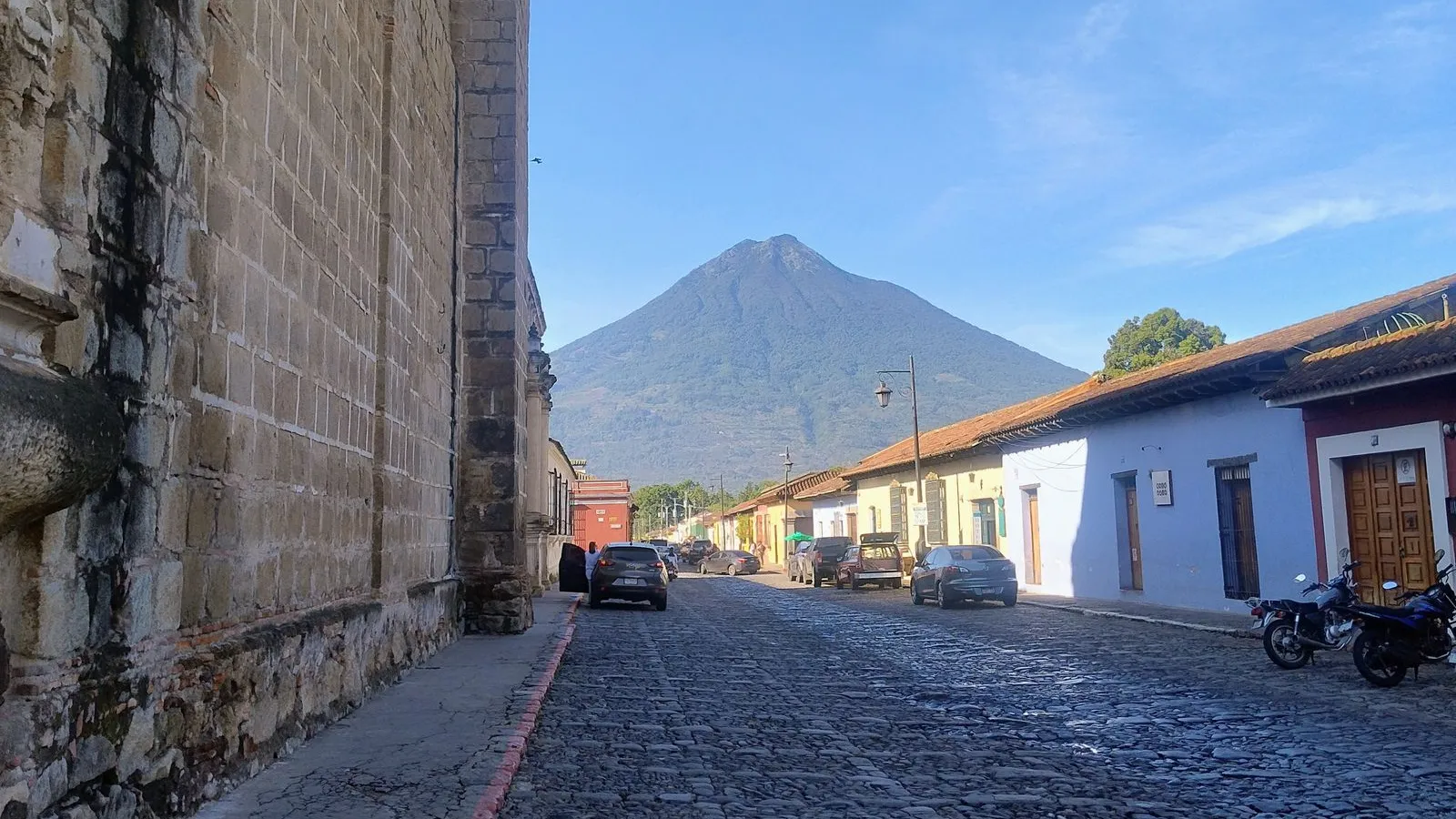
Guatemala is one of those places that quietly wins people over. You come for the volcanoes and the Spanish schools, and you stay for the cobblestone mornings in Antigua, the lake light at Panajachel, and a cost of living that lets you breathe. For remote workers the appeal got a lot more concrete recently: IGM’s 2025 residence rules opened a temporary residence track for people paid from abroad, and Guatemala taxes only Guatemalan-source income, though what counts as Guatemalan-source is broader than most guides admit.
It is not for everyone. Internet outside the main hubs can be patchy, bureaucracy moves at its own pace, and you will want reasonable Spanish. But if you want a warm, affordable, culturally rich base in Central America and you can work from a good WiFi cafe, Guatemala is well worth a serious look. Below is what actually matters before you book a one-way flight, with every figure treated as a starting estimate you should confirm against the official source.
Cost of living in Guatemala
This is the headline reason most people move to Guatemala: your money simply goes further. Estimates vary by city and lifestyle, but a comfortable single person in Antigua tends to land somewhere around 1,200 to 1,700 USD a month including rent, with Wise putting the all-in figure near 1,300 USD (Wise, CityCost, 2026). Live frugally, cook at home, and shop at the mercado, and 800 to 1,200 USD is realistic.
Rent is the swing factor. A one-bedroom in the center of Antigua averages roughly 880 USD, dropping to around 560 USD a little further out (Wise, 2026). Basic utilities run about 60 USD a month and groceries somewhere between 150 and 250 USD. Across the whole country the range is wide, roughly 600 to 2,800 USD depending on where and how you live, with the national average often quoted near 630 USD excluding rent (globalcostdata.com, 2026). Guatemala City and lakeside towns each have their own math, so treat these as ballpark numbers and price your own neighborhood before committing.
Guatemala digital nomad visa and entry
Good news: Guatemala now has a residence route that fits remote workers, even if the law never calls it a “digital nomad visa”. It sits in IGM’s 2025 residence regulation (Acuerdo IGM-016-2025, article 11) as temporary residence for a migrant worker with a foreign employer, and that is what guides are describing when they talk about the nomad visa.
The bar is concrete. You show bank statements proving pay from abroad of at least USD 2,000 a month over the last year, or USD 3,000 a month if dependants come with you; a certified accountant’s statement can stand in for the statements. Unlike a local job, this track needs no Guatemalan guarantor. You also bring the general residence paperwork: passport, a criminal record certificate from your home country or wherever you lived for the last two years, and IGM’s certificate of your last entry. If you are self-employed, read carefully: the self-employed track in the same article asks for Guatemalan tax registration (RTU) and a permit to trade locally, so a freelancer with only foreign clients should ask IGM which track applies before filing.
Costs are on IGM’s fee schedule: USD 25 to file, then USD 200 for a one-year residence, USD 300 for two years or USD 500 for three to five years. Residence is granted for one to five years and can be renewed, and after five years as a temporary resident you can apply for permanent residence. One obligation to know from day one: temporary residents must show a tax solvency certificate (solvencia tributaria) every year, which ties straight into the tax section below.
If you just want to test the waters first, most visitors get 90 days visa-free on arrival under the regional CA-4 agreement. That is enough for a long scouting trip before you commit. Rules and thresholds do shift, so run your own situation through Voymo’s digital nomad visa checker and then confirm the current requirements with the Instituto Guatemalteco de Migración before you file anything.
Tax residency and the 183-day rule
Here is where Guatemala gets genuinely interesting. Under Decreto 10-2012, article 6, you are a tax resident if you spend more than 183 days in the calendar year (1 January to 31 December), whether or not the days are consecutive, so 183 days exactly still leaves you non-resident. You are also resident if your centre of economic interests is in Guatemala, unless you hold a tax residence certificate from another country.
Guatemala taxes only Guatemalan-source income, resident or not, and that is why it reads as so friendly for expats. But be careful with the word “foreign”. Article 4 of the same law counts services provided in Guatemala or exported from Guatemala as Guatemalan-source, and a resident’s employment income for work done in the country too. So remote income you earn while physically living in Guatemala is not automatically exempt, and the yearly tax solvency certificate IGM asks for means SAT will know who you are. Employment income is taxed at 5% up to Q300,000 of taxable income and 7% above that (article 73). Treat the exemption as something to confirm with a Guatemalan tax adviser, not something to assume.
One important caveat: this is not tax advice, and it does not cancel your home-country obligations. US citizens still file with the IRS wherever they live, and other nationalities have their own rules. Map your full picture with Voymo’s tax residency checker, then confirm the specifics with a Guatemalan tax professional and your home tax authority.
Healthcare and insurance
Guatemala runs public hospitals (IGSS and the Ministry of Health), private for-profit hospitals, and NGO clinics, but the public system is essentially reserved for citizens, so nearly all expats use private care (internationalinsurance.com, 2026). The good news is that private care in Guatemala City and Antigua is decent and inexpensive by Western standards, which is one reason so many people rate Guatemala for digital nomads.
IGM’s residence rules do not list health insurance as a requirement for this track, but going without it here would be a real mistake. Expat plans from providers like Cigna, Allianz and Bupa commonly run somewhere around 100 to 500 USD a month depending on your age and coverage (insurancy, pacificprime, 2026). Get a plan that covers medical evacuation, since the most complex cases are sometimes handled abroad.
Money, banking and settling in
Guatemala is still a cash-friendly country, so expect to carry quetzales for markets, tuk-tuks and small shops, with cards accepted in larger establishments. Opening a local bank account is doable but not instant: Banco Industrial is widely regarded as the most established option, followed by BAM, and both typically ask for a local sponsor and require you to be physically present in the country to open the account (internationalinsurance.com, 2026).
In practice many nomads keep earning and holding money abroad, use a multi-currency card for day-to-day spending, and open a local account only once their residency is settled. Whatever route you take, budget a few weeks for paperwork, lean on the friendly expat communities in Antigua and around Lake Atitlan, and confirm every requirement directly with the bank before you show up.
Figures are estimates. Always check the official source.
Frequently asked questions
- Guatemala: is there a digital nomad visa?
- Temporary residence as a migrant worker with a foreign employer (marketed as the digital nomad residence). People paid from abroad by a foreign employer (Acuerdo IGM-016-2025, art. 11(2)); no Guatemalan guarantor is needed on this track. The self-employed track in the same article asks for Guatemalan tax registration (RTU) and a local trading authorisation, so a freelancer with foreign clients should confirm with IGM which track fits. Granted for 1 to 5 years and renewable; after five years as a temporary resident you can apply for permanent residence. Temporary residents must show a tax solvency certificate every year.
- Guatemala: when do you become a tax resident?
- Resident if you are in Guatemala more than 183 days in the calendar year (1 January to 31 December), even if not continuous, or if your centre of economic interests is there unless you hold a tax residence certificate from another country (Decreto 10-2012, art. 6). Only Guatemalan-source income is taxed, but the law counts services performed in or exported from Guatemala, and a resident's employment income for work done in Guatemala, as Guatemalan-source (art. 4), so remote income earned while living there is not automatically exempt.
- Guatemala: what is the cost of living?
- The cost of living is low and the local currency is the GTQ. Treat any figures as estimates.
- Guatemala: do you need health insurance?
- Public care is limited and uneven, so foreigners typically rely on private clinics and should carry comprehensive private health insurance.
- Guatemala: can you drive on a foreign licence?
- An International Driving Permit alongside your home licence is recommended for short stays, with a local licence needed for longer residence.
Terms worth knowing
Americas: more countries to explore
Put it to work
- Free
Digital-Nomad Visa Checker
See which digital-nomad visas you could actually get with your passport and income, ranked, with the binding reason per country.
→ - Free
Tax-Residency Reality Checker
Go beyond the 183-day myth: model the treaty tie-breaker and see whether two countries could both claim you as a tax resident.
→ - Free
Nomad Insurance Picker
Match SafetyWing, Genki, World Nomads and others to your situation, and see which policies satisfy specific visa proof requirements.
→ - Free
Banking & FX Picker
Find the right account stack to avoid fees and hold multiple currencies abroad, Wise, Revolut, N26, for your nationality and spending.
→