Countries
Paraguay: visas, tax & cost of living
Thinking about moving to Paraguay as a remote worker? A warm, honest guide to cost of living, the real residency route, tax residency and settling in.
United KingdomParaguay
Your move to Paraguay on a United Kingdom passport
- VisitEasyVisa-free entry
- NomadMediumNo nomad visa, other route
- RelocateMediumResidence with conditions
Visiting
Visa-free for up to 90 days. Travel on a passport valid for your whole stay, with a return or onward ticket and proof you can support yourself.
Passport validity: Passport generally must be valid for at least 6 months on entry.
At the border: Valid passport, and officials may ask for proof of onward travel and sufficient funds; many nationalities including EU and US citizens enter visa free for up to 90 days, though some pay a reciprocity fee.
Working remotely
No dedicated nomad visa; the usual route is a standard residence permit.
Tax and residency
Territorial system: once you hold residency and a RUC tax ID you are treated as a tax resident even with little physical presence, and only Paraguay source income is taxed (around 10 percent) while foreign source income is generally exempt; these figures are estimates, confirm with the tax authority. (estimate)
The UK decides residence with its Statutory Residence Test (days in the UK plus your ties). As a non-resident you are usually taxed only on UK income; where one exists, a double-tax treaty with the destination decides who taxes what.
Practical
Currency: PYG. Cost of living: low.
Healthcare: Free public hospitals are open to anyone with valid ID including foreigners but are often under resourced, so most expats use affordable private clinics and insurance.
Driving: Visitors may drive on a valid home licence for short tourist stays, but a 1949 International Driving Permit is recommended and often required by car rental firms.
Sources: Direccion Nacional de Migraciones (immigration portal) · Migraciones - Temporary residency (Law 6984/2022) · Migraciones - Permanent residency · DNIT - Personal income tax (IRP) · GOV.UK: tax on foreign income · HMRC: double-taxation treaties
Estimates, not advice. Confirm with the official sources before you act.
United StatesParaguay
Your move to Paraguay on a United States passport
- VisitEasyVisa-free entry
- NomadMediumNo nomad visa, other route
- RelocateMediumResidence with conditions
Visiting
Visa-free for up to 90 days. Travel on a passport valid for your whole stay, with a return or onward ticket and proof you can support yourself.
Passport validity: Passport generally must be valid for at least 6 months on entry.
At the border: Valid passport, and officials may ask for proof of onward travel and sufficient funds; many nationalities including EU and US citizens enter visa free for up to 90 days, though some pay a reciprocity fee.
Working remotely
No dedicated nomad visa; the usual route is a standard residence permit.
Tax and residency
Territorial system: once you hold residency and a RUC tax ID you are treated as a tax resident even with little physical presence, and only Paraguay source income is taxed (around 10 percent) while foreign source income is generally exempt; these figures are estimates, confirm with the tax authority. (estimate)
The US taxes its citizens on worldwide income wherever you live, so you keep filing US returns abroad. The Foreign Earned Income Exclusion and the foreign tax credit are what stop you being taxed twice.
Practical
Currency: PYG. Cost of living: low.
Healthcare: Free public hospitals are open to anyone with valid ID including foreigners but are often under resourced, so most expats use affordable private clinics and insurance.
Driving: Visitors may drive on a valid home licence for short tourist stays, but a 1949 International Driving Permit is recommended and often required by car rental firms.
Sources: Direccion Nacional de Migraciones (immigration portal) · Migraciones - Temporary residency (Law 6984/2022) · Migraciones - Permanent residency · DNIT - Personal income tax (IRP) · IRS: Foreign Earned Income Exclusion · IRS: tax treaties
Estimates, not advice. Confirm with the official sources before you act.
IndiaParaguay
Your move to Paraguay on a India passport
- VisitMediumVisa required in advance
- NomadMediumNo nomad visa, other route
- RelocateMediumResidence with conditions
Visiting
You need a visa, arranged at a consulate before you travel. Plan ahead: gather the documents, book the appointment, and allow time for processing.
Passport validity: Passport generally must be valid for at least 6 months on entry.
At the border: Valid passport, and officials may ask for proof of onward travel and sufficient funds; many nationalities including EU and US citizens enter visa free for up to 90 days, though some pay a reciprocity fee.
Working remotely
No dedicated nomad visa; the usual route is a standard residence permit.
Tax and residency
Territorial system: once you hold residency and a RUC tax ID you are treated as a tax resident even with little physical presence, and only Paraguay source income is taxed (around 10 percent) while foreign source income is generally exempt; these figures are estimates, confirm with the tax authority. (estimate)
India taxes residents on worldwide income; your status depends on the days you spend in India (broadly 182 or more in the year). As a non-resident (NRI) you are taxed only on Indian-source income, and the relevant double-tax treaty allocates the rest.
Practical
Currency: PYG. Cost of living: low.
Healthcare: Free public hospitals are open to anyone with valid ID including foreigners but are often under resourced, so most expats use affordable private clinics and insurance.
Driving: Visitors may drive on a valid home licence for short tourist stays, but a 1949 International Driving Permit is recommended and often required by car rental firms.
Sources: Direccion Nacional de Migraciones (immigration portal) · Migraciones - Temporary residency (Law 6984/2022) · Migraciones - Permanent residency · DNIT - Personal income tax (IRP) · Income Tax Department, India · India: Double Taxation Avoidance Agreements
Estimates, not advice. Confirm with the official sources before you act.
GermanyParaguay
Your move to Paraguay on a Germany passport
- VisitEasyVisa-free entry
- NomadMediumNo nomad visa, other route
- RelocateMediumResidence with conditions
Visiting
Visa-free for up to 90 days. Travel on a passport valid for your whole stay, with a return or onward ticket and proof you can support yourself.
Passport validity: Passport generally must be valid for at least 6 months on entry.
At the border: Valid passport, and officials may ask for proof of onward travel and sufficient funds; many nationalities including EU and US citizens enter visa free for up to 90 days, though some pay a reciprocity fee.
Working remotely
No dedicated nomad visa; the usual route is a standard residence permit.
Tax and residency
Territorial system: once you hold residency and a RUC tax ID you are treated as a tax resident even with little physical presence, and only Paraguay source income is taxed (around 10 percent) while foreign source income is generally exempt; these figures are estimates, confirm with the tax authority. (estimate)
Germany taxes residents on worldwide income; you become resident through a home available to you (Wohnsitz) or a habitual abode of more than six months. As a non-resident you are usually taxed only on German-source income, and where one exists a double-tax treaty with the destination decides who taxes what.
Practical
Currency: PYG. Cost of living: low.
Healthcare: Free public hospitals are open to anyone with valid ID including foreigners but are often under resourced, so most expats use affordable private clinics and insurance.
Driving: Visitors may drive on a valid home licence for short tourist stays, but a 1949 International Driving Permit is recommended and often required by car rental firms.
Sources: Direccion Nacional de Migraciones (immigration portal) · Migraciones - Temporary residency (Law 6984/2022) · Migraciones - Permanent residency · DNIT - Personal income tax (IRP) · Bundeszentralamt für Steuern (BZSt) · Germany: double-taxation agreements (BMF)
Estimates, not advice. Confirm with the official sources before you act.
FranceParaguay
Your move to Paraguay on a France passport
- VisitEasyVisa-free entry
- NomadMediumNo nomad visa, other route
- RelocateMediumResidence with conditions
Visiting
Visa-free for up to 90 days. Travel on a passport valid for your whole stay, with a return or onward ticket and proof you can support yourself.
Passport validity: Passport generally must be valid for at least 6 months on entry.
At the border: Valid passport, and officials may ask for proof of onward travel and sufficient funds; many nationalities including EU and US citizens enter visa free for up to 90 days, though some pay a reciprocity fee.
Working remotely
No dedicated nomad visa; the usual route is a standard residence permit.
Tax and residency
Territorial system: once you hold residency and a RUC tax ID you are treated as a tax resident even with little physical presence, and only Paraguay source income is taxed (around 10 percent) while foreign source income is generally exempt; these figures are estimates, confirm with the tax authority. (estimate)
France taxes you on your worldwide income if your tax home (domicile fiscal) stays there, broadly when your household, main home, main job or main economic interests are in France, so moving abroad alone may not end it. Once you genuinely settle elsewhere you are usually taxed only on French-source income, and tax treaties typically prevent paying twice through an exemption or a foreign tax credit, but treat any figures as estimates and check your situation.
Practical
Currency: PYG. Cost of living: low.
Healthcare: Free public hospitals are open to anyone with valid ID including foreigners but are often under resourced, so most expats use affordable private clinics and insurance.
Driving: Visitors may drive on a valid home licence for short tourist stays, but a 1949 International Driving Permit is recommended and often required by car rental firms.
Sources: Direccion Nacional de Migraciones (immigration portal) · Migraciones - Temporary residency (Law 6984/2022) · Migraciones - Permanent residency · DNIT - Personal income tax (IRP) · impots.gouv.fr - Résidents de France · impots.gouv.fr - Les conventions internationales
Estimates, not advice. Confirm with the official sources before you act.
SpainParaguay
Your move to Paraguay on a Spain passport
- VisitEasyVisa-free entry
- NomadMediumNo nomad visa, other route
- RelocateMediumResidence with conditions
Visiting
Visa-free for up to 90 days. Travel on a passport valid for your whole stay, with a return or onward ticket and proof you can support yourself.
Passport validity: Passport generally must be valid for at least 6 months on entry.
At the border: Valid passport, and officials may ask for proof of onward travel and sufficient funds; many nationalities including EU and US citizens enter visa free for up to 90 days, though some pay a reciprocity fee.
Working remotely
No dedicated nomad visa; the usual route is a standard residence permit.
Tax and residency
Territorial system: once you hold residency and a RUC tax ID you are treated as a tax resident even with little physical presence, and only Paraguay source income is taxed (around 10 percent) while foreign source income is generally exempt; these figures are estimates, confirm with the tax authority. (estimate)
If Spain still counts as your tax home (roughly 183+ days in the country in a year, or your main base of life and income sits there), Spain taxes your worldwide income at IRPF rates, so what you earn abroad usually counts too. The sting is softened by double-tax treaties and a foreign-tax credit, plus the Article 7.p exemption that can shelter work done abroad up to around 60,100 euros a year, but treat every figure as an estimate and check your own case before you file.
Practical
Currency: PYG. Cost of living: low.
Healthcare: Free public hospitals are open to anyone with valid ID including foreigners but are often under resourced, so most expats use affordable private clinics and insurance.
Driving: Visitors may drive on a valid home licence for short tourist stays, but a 1949 International Driving Permit is recommended and often required by car rental firms.
Sources: Direccion Nacional de Migraciones (immigration portal) · Migraciones - Temporary residency (Law 6984/2022) · Migraciones - Permanent residency · DNIT - Personal income tax (IRP) · Agencia Tributaria: persona física residente en España · Agencia Tributaria: obtención de rentas extranjeras, reglas generales
Estimates, not advice. Confirm with the official sources before you act.
ItalyParaguay
Your move to Paraguay on a Italy passport
- VisitEasyVisa-free entry
- NomadMediumNo nomad visa, other route
- RelocateMediumResidence with conditions
Visiting
Visa-free for up to 90 days. Travel on a passport valid for your whole stay, with a return or onward ticket and proof you can support yourself.
Passport validity: Passport generally must be valid for at least 6 months on entry.
At the border: Valid passport, and officials may ask for proof of onward travel and sufficient funds; many nationalities including EU and US citizens enter visa free for up to 90 days, though some pay a reciprocity fee.
Working remotely
No dedicated nomad visa; the usual route is a standard residence permit.
Tax and residency
Territorial system: once you hold residency and a RUC tax ID you are treated as a tax resident even with little physical presence, and only Paraguay source income is taxed (around 10 percent) while foreign source income is generally exempt; these figures are estimates, confirm with the tax authority. (estimate)
Italy generally treats you as a tax resident if for most of the year (roughly 183 days or more) your home, family or registration ties are here, and residents are taxed on worldwide income wherever they live. The relief is usually a foreign tax credit for tax already paid abroad, often shaped by Italy's double-taxation treaties, so the same income should not be taxed twice.
Practical
Currency: PYG. Cost of living: low.
Healthcare: Free public hospitals are open to anyone with valid ID including foreigners but are often under resourced, so most expats use affordable private clinics and insurance.
Driving: Visitors may drive on a valid home licence for short tourist stays, but a 1949 International Driving Permit is recommended and often required by car rental firms.
Sources: Direccion Nacional de Migraciones (immigration portal) · Migraciones - Temporary residency (Law 6984/2022) · Migraciones - Permanent residency · DNIT - Personal income tax (IRP) · Agenzia delle Entrate, Residence for tax purposes · Agenzia delle Entrate, Bilateral agreements to prevent double taxation
Estimates, not advice. Confirm with the official sources before you act.
CanadaParaguay
Your move to Paraguay on a Canada passport
- VisitEasyVisa-free entry
- NomadMediumNo nomad visa, other route
- RelocateMediumResidence with conditions
Visiting
Visa-free for up to 90 days. Travel on a passport valid for your whole stay, with a return or onward ticket and proof you can support yourself.
Passport validity: Passport generally must be valid for at least 6 months on entry.
At the border: Valid passport, and officials may ask for proof of onward travel and sufficient funds; many nationalities including EU and US citizens enter visa free for up to 90 days, though some pay a reciprocity fee.
Working remotely
No dedicated nomad visa; the usual route is a standard residence permit.
Tax and residency
Territorial system: once you hold residency and a RUC tax ID you are treated as a tax resident even with little physical presence, and only Paraguay source income is taxed (around 10 percent) while foreign source income is generally exempt; these figures are estimates, confirm with the tax authority. (estimate)
Canada taxes you on residency, not on holding the passport, so as long as the CRA still treats you as a resident (kept home, family or strong ties) you generally owe Canadian tax on your worldwide income. The relief is usually a foreign tax credit for tax you already paid abroad, often topped up by a tax treaty, though the exact amounts are only estimates until you check your own case.
Practical
Currency: PYG. Cost of living: low.
Healthcare: Free public hospitals are open to anyone with valid ID including foreigners but are often under resourced, so most expats use affordable private clinics and insurance.
Driving: Visitors may drive on a valid home licence for short tourist stays, but a 1949 International Driving Permit is recommended and often required by car rental firms.
Sources: Direccion Nacional de Migraciones (immigration portal) · Migraciones - Temporary residency (Law 6984/2022) · Migraciones - Permanent residency · DNIT - Personal income tax (IRP) · Canada Revenue Agency, Determining your residency status · Department of Finance Canada, Tax treaties in force
Estimates, not advice. Confirm with the official sources before you act.
AustraliaParaguay
Your move to Paraguay on a Australia passport
- VisitEasyVisa-free entry
- NomadMediumNo nomad visa, other route
- RelocateMediumResidence with conditions
Visiting
Visa-free for up to 90 days. Travel on a passport valid for your whole stay, with a return or onward ticket and proof you can support yourself.
Passport validity: Passport generally must be valid for at least 6 months on entry.
At the border: Valid passport, and officials may ask for proof of onward travel and sufficient funds; many nationalities including EU and US citizens enter visa free for up to 90 days, though some pay a reciprocity fee.
Working remotely
No dedicated nomad visa; the usual route is a standard residence permit.
Tax and residency
Territorial system: once you hold residency and a RUC tax ID you are treated as a tax resident even with little physical presence, and only Paraguay source income is taxed (around 10 percent) while foreign source income is generally exempt; these figures are estimates, confirm with the tax authority. (estimate)
If you stay an Australian resident for tax purposes, Australia generally taxes your worldwide income wherever you live, with residency turned on the moment your real home and ties are here (a continuous stay of roughly 6 months can be enough). To soften double tax, you can usually claim a Foreign Income Tax Offset for tax already paid abroad, capped at the Australian tax on that income, and treaties may help too, so treat these figures as estimates and check your own case.
Practical
Currency: PYG. Cost of living: low.
Healthcare: Free public hospitals are open to anyone with valid ID including foreigners but are often under resourced, so most expats use affordable private clinics and insurance.
Driving: Visitors may drive on a valid home licence for short tourist stays, but a 1949 International Driving Permit is recommended and often required by car rental firms.
Sources: Direccion Nacional de Migraciones (immigration portal) · Migraciones - Temporary residency (Law 6984/2022) · Migraciones - Permanent residency · DNIT - Personal income tax (IRP) · Australian Taxation Office, Australian resident for tax purposes · Australian Taxation Office, International tax agreements (tax treaties)
Estimates, not advice. Confirm with the official sources before you act.
BrazilParaguay
Your move to Paraguay on a Brazil passport
- VisitEasyVisa-free entry
- NomadMediumNo nomad visa, other route
- RelocateMediumResidence with conditions
Visiting
Visa-free for up to 90 days. Travel on a passport valid for your whole stay, with a return or onward ticket and proof you can support yourself.
Passport validity: Passport generally must be valid for at least 6 months on entry.
At the border: Valid passport, and officials may ask for proof of onward travel and sufficient funds; many nationalities including EU and US citizens enter visa free for up to 90 days, though some pay a reciprocity fee.
Working remotely
No dedicated nomad visa; the usual route is a standard residence permit.
Tax and residency
Territorial system: once you hold residency and a RUC tax ID you are treated as a tax resident even with little physical presence, and only Paraguay source income is taxed (around 10 percent) while foreign source income is generally exempt; these figures are estimates, confirm with the tax authority. (estimate)
If Brazil still counts you as tax-resident, usually triggered by a permanent visa, a temporary visa plus a job, or roughly 183 days in the country within any 12 months, the Receita Federal taxes your worldwide income, so you keep filing the annual return wherever you live. The relief is real but partial: tax paid abroad can normally be credited against what you owe in Brazil under a treaty or recognised reciprocity, so most people are not taxed twice on the same income.
Practical
Currency: PYG. Cost of living: low.
Healthcare: Free public hospitals are open to anyone with valid ID including foreigners but are often under resourced, so most expats use affordable private clinics and insurance.
Driving: Visitors may drive on a valid home licence for short tourist stays, but a 1949 International Driving Permit is recommended and often required by car rental firms.
Sources: Direccion Nacional de Migraciones (immigration portal) · Migraciones - Temporary residency (Law 6984/2022) · Migraciones - Permanent residency · DNIT - Personal income tax (IRP) · Receita Federal, Acordos para evitar a dupla tributação · Receita Federal, Imposto sobre a Renda da Pessoa Física (IRPF)
Estimates, not advice. Confirm with the official sources before you act.
MexicoParaguay
Your move to Paraguay on a Mexico passport
- VisitEasyVisa-free entry
- NomadMediumNo nomad visa, other route
- RelocateMediumResidence with conditions
Visiting
Visa-free for up to 90 days. Travel on a passport valid for your whole stay, with a return or onward ticket and proof you can support yourself.
Passport validity: Passport generally must be valid for at least 6 months on entry.
At the border: Valid passport, and officials may ask for proof of onward travel and sufficient funds; many nationalities including EU and US citizens enter visa free for up to 90 days, though some pay a reciprocity fee.
Working remotely
No dedicated nomad visa; the usual route is a standard residence permit.
Tax and residency
Territorial system: once you hold residency and a RUC tax ID you are treated as a tax resident even with little physical presence, and only Paraguay source income is taxed (around 10 percent) while foreign source income is generally exempt; these figures are estimates, confirm with the tax authority. (estimate)
Mexico taxes you on your worldwide income once you count as a tax resident, which usually means your main home or your center of life is here (very roughly, spending more than about 183 days a year can tip the balance). The good news is the SAT lets you credit foreign income tax you already paid, and Mexico's double-taxation treaties mean the same money should not normally be taxed twice.
Practical
Currency: PYG. Cost of living: low.
Healthcare: Free public hospitals are open to anyone with valid ID including foreigners but are often under resourced, so most expats use affordable private clinics and insurance.
Driving: Visitors may drive on a valid home licence for short tourist stays, but a 1949 International Driving Permit is recommended and often required by car rental firms.
Sources: Direccion Nacional de Migraciones (immigration portal) · Migraciones - Temporary residency (Law 6984/2022) · Migraciones - Permanent residency · DNIT - Personal income tax (IRP) · SAT - Servicio de Administración Tributaria · SAT - Tratados en Materia Fiscal (para evitar la doble tributación)
Estimates, not advice. Confirm with the official sources before you act.
PhilippinesParaguay
Your move to Paraguay on a Philippines passport
- VisitMediumVisa required in advance
- NomadMediumNo nomad visa, other route
- RelocateMediumResidence with conditions
Visiting
You need a visa, arranged at a consulate before you travel. Plan ahead: gather the documents, book the appointment, and allow time for processing.
Passport validity: Passport generally must be valid for at least 6 months on entry.
At the border: Valid passport, and officials may ask for proof of onward travel and sufficient funds; many nationalities including EU and US citizens enter visa free for up to 90 days, though some pay a reciprocity fee.
Working remotely
No dedicated nomad visa; the usual route is a standard residence permit.
Tax and residency
Territorial system: once you hold residency and a RUC tax ID you are treated as a tax resident even with little physical presence, and only Paraguay source income is taxed (around 10 percent) while foreign source income is generally exempt; these figures are estimates, confirm with the tax authority. (estimate)
If you stay a resident citizen, the Philippines taxes your worldwide income, but once you genuinely live and work abroad you usually count as a non-resident citizen and are taxed only on income from Philippine sources. The exact line depends on how long you are out and your ties back home, so treat these as estimates, and a foreign tax credit can offset tax already paid abroad.
Practical
Currency: PYG. Cost of living: low.
Healthcare: Free public hospitals are open to anyone with valid ID including foreigners but are often under resourced, so most expats use affordable private clinics and insurance.
Driving: Visitors may drive on a valid home licence for short tourist stays, but a 1949 International Driving Permit is recommended and often required by car rental firms.
Sources: Direccion Nacional de Migraciones (immigration portal) · Migraciones - Temporary residency (Law 6984/2022) · Migraciones - Permanent residency · DNIT - Personal income tax (IRP) · BIR - Taxation of Foreign Source Income · BIR - Taxation of Non-Residents
Estimates, not advice. Confirm with the official sources before you act.
NigeriaParaguay
Your move to Paraguay on a Nigeria passport
- VisitMediumVisa required in advance
- NomadMediumNo nomad visa, other route
- RelocateMediumResidence with conditions
Visiting
You need a visa, arranged at a consulate before you travel. Plan ahead: gather the documents, book the appointment, and allow time for processing.
Passport validity: Passport generally must be valid for at least 6 months on entry.
At the border: Valid passport, and officials may ask for proof of onward travel and sufficient funds; many nationalities including EU and US citizens enter visa free for up to 90 days, though some pay a reciprocity fee.
Working remotely
No dedicated nomad visa; the usual route is a standard residence permit.
Tax and residency
Territorial system: once you hold residency and a RUC tax ID you are treated as a tax resident even with little physical presence, and only Paraguay source income is taxed (around 10 percent) while foreign source income is generally exempt; these figures are estimates, confirm with the tax authority. (estimate)
If Nigeria still counts you as resident, roughly 183 or more days in the country in a year, or you keep a home, habitual abode or close family and economic ties there, you are generally taxed on your worldwide income, not just what you earn in Nigeria. There is usually a foreign tax credit, and Nigeria's tax treaties, so tax you already paid abroad can typically be set against your Nigerian bill, but treat these figures as estimates and check the current rules before you file.
Practical
Currency: PYG. Cost of living: low.
Healthcare: Free public hospitals are open to anyone with valid ID including foreigners but are often under resourced, so most expats use affordable private clinics and insurance.
Driving: Visitors may drive on a valid home licence for short tourist stays, but a 1949 International Driving Permit is recommended and often required by car rental firms.
Sources: Direccion Nacional de Migraciones (immigration portal) · Migraciones - Temporary residency (Law 6984/2022) · Migraciones - Permanent residency · DNIT - Personal income tax (IRP) · Federal Inland Revenue Service (FIRS) · FIRS - Tax Treaties and Related Matters
Estimates, not advice. Confirm with the official sources before you act.
VietnamParaguay
Your move to Paraguay on a Vietnam passport
- VisitMediumVisa required in advance
- NomadMediumNo nomad visa, other route
- RelocateMediumResidence with conditions
Visiting
You need a visa, arranged at a consulate before you travel. Plan ahead: gather the documents, book the appointment, and allow time for processing.
Passport validity: Passport generally must be valid for at least 6 months on entry.
At the border: Valid passport, and officials may ask for proof of onward travel and sufficient funds; many nationalities including EU and US citizens enter visa free for up to 90 days, though some pay a reciprocity fee.
Working remotely
No dedicated nomad visa; the usual route is a standard residence permit.
Tax and residency
Territorial system: once you hold residency and a RUC tax ID you are treated as a tax resident even with little physical presence, and only Paraguay source income is taxed (around 10 percent) while foreign source income is generally exempt; these figures are estimates, confirm with the tax authority. (estimate)
Vietnam treats you as a tax resident once you spend roughly 183 days there in a calendar year (or any rolling 12 months) or keep a permanent home, and residents are taxed on worldwide income at progressive rates of around 5% to 35%; there is no foreign-earned-income exclusion, but Vietnam's tax treaties and a foreign tax credit usually stop the same income being taxed twice.
Practical
Currency: PYG. Cost of living: low.
Healthcare: Free public hospitals are open to anyone with valid ID including foreigners but are often under resourced, so most expats use affordable private clinics and insurance.
Driving: Visitors may drive on a valid home licence for short tourist stays, but a 1949 International Driving Permit is recommended and often required by car rental firms.
Sources: Direccion Nacional de Migraciones (immigration portal) · Migraciones - Temporary residency (Law 6984/2022) · Migraciones - Permanent residency · DNIT - Personal income tax (IRP) · General Department of Taxation (Tổng cục Thuế) · GDT - Agreements for Avoidance of Double Taxation
Estimates, not advice. Confirm with the official sources before you act.
Should you move to Paraguay?
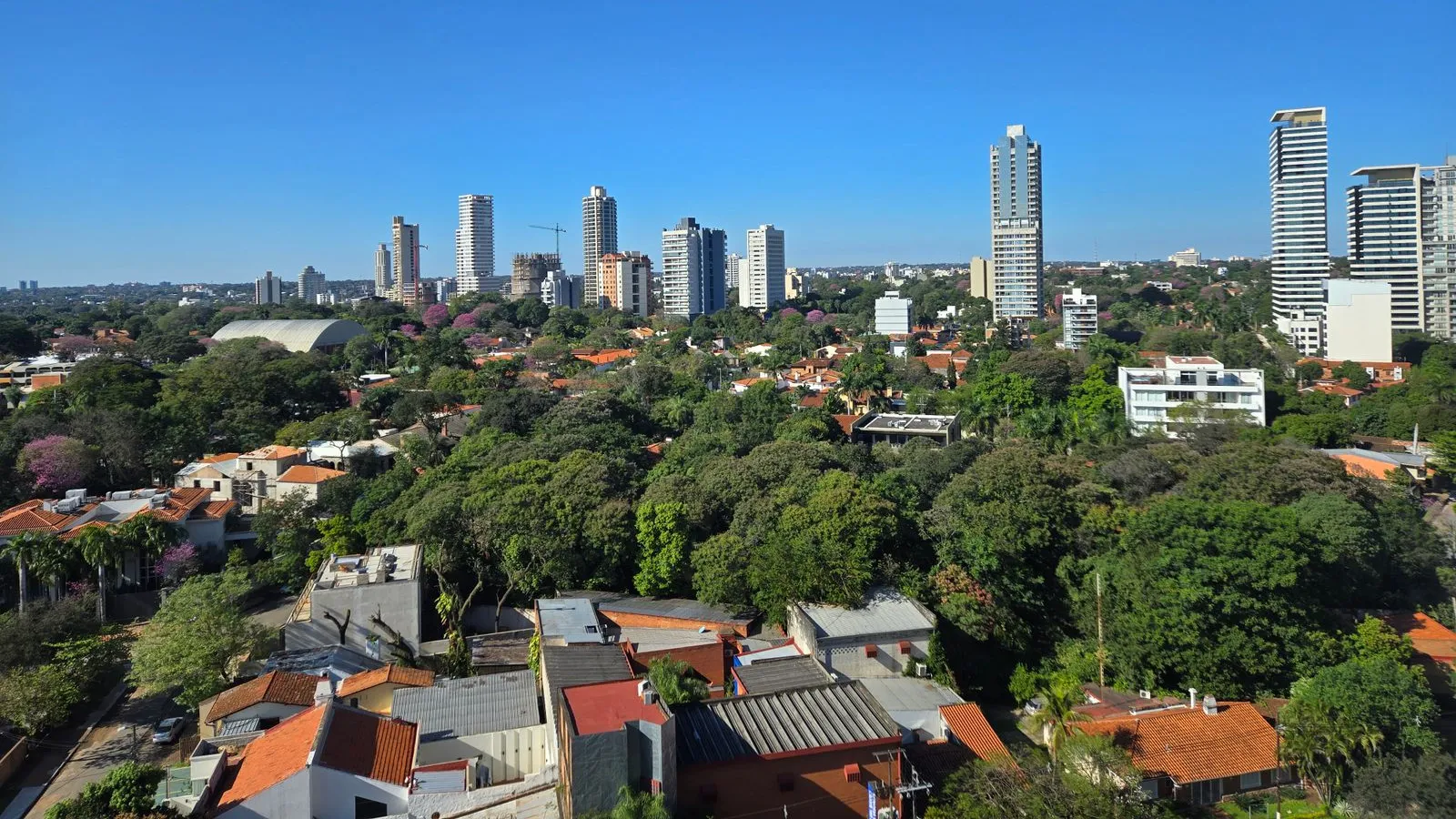
Paraguay is the quiet one in South America, and that is exactly why a certain kind of remote worker falls for it. It is landlocked, low-key, warm most of the year, and genuinely cheap in a way that is getting rare. Nobody moves here for beaches or nightlife. People move here for a low cost of living, a famously light tax treatment of foreign income, and one of the shortest paths to permanent status and citizenship anywhere. If your income lands in your account from clients abroad and you want your money to stretch, Paraguay for digital nomads makes a lot of sense.
Be honest with yourself about the trade-offs first. Spanish (and Guarani) run daily life, English is not widely spoken outside expat and business circles, and Asuncion is a functional capital rather than a polished one. Summers are hot and humid. If you want a buzzing nomad scene with cafes full of laptops, this is not it yet. If you want space, low costs, and paperwork that actually leads somewhere, read on.
Cost of living in Paraguay
This is the headline. A single person living comfortably in Asuncion typically reports around 1,000 to 1,500 USD a month all in, which is why cost of living in Paraguay keeps drawing people who have been priced out elsewhere (Expatlife.ai). A furnished one-bedroom in the popular expat neighborhoods of Villa Morra or Carmelitas runs roughly 400 to 600 USD a month, with plainer one-beds closer to 350 to 500 (Benoit Properties). Groceries, eating out, transport and utilities are all modest by Western standards; one index pegs Asuncion’s average monthly cost near 752 USD, among the cheaper capitals tracked (Expatistan).
Treat these as sourced estimates, not a budget. Prime neighborhoods, imported goods and a car push the number up fast, and rents in the best areas climb quickest. Confirm current figures with a live cost-of-living index before you commit.
Paraguay digital nomad visa and entry
Here is the plain truth: there is no Paraguay digital nomad visa. No dedicated remote-worker permit exists as of 2026. What Paraguay offers instead is arguably better for anyone planning to stay, and it is the route almost every long-term expat actually uses.
That route is temporary residency (Residencia Temporal). It is generally valid for two years and renewable, and it puts you on a genuine path: after your temporary period you can apply for permanent residency, and Paraguay is known for a relatively short road to citizenship from there. The often-quoted “three years” is the constitutional residency minimum for naturalization, not a door-to-door timeline; once you count the temporary phase first, most people report the realistic path landing closer to five years (GoResident). Reporting also suggests standard temporary residency no longer requires the old bank deposit and carries no formal minimum income, though 2026 brought tighter economic-solvency checks at the permanent-residency stage, and requirements are handled document by document. Verify the current list with Paraguay’s immigration authority (Direccion General de Migraciones) or a licensed local lawyer before you count on anything.
Not sure which country route actually fits your situation? Voymo’s digital nomad visa checker is a quick, educational way to compare the real options side by side.
Tax residency and the 183 day rule
Paraguay runs a strictly territorial tax system. In plain terms, income earned outside Paraguay is generally taxed at 0 percent, and only Paraguay-sourced income is taxed locally, where the personal rate sits around 10 percent (GoParaguay). For a remote worker billing foreign clients, that foreign income typically stays outside the local tax net. This is the core of the Paraguay tax for expats appeal, and it is why the country shows up on every “low tax” shortlist.
The 183 day rule is worth understanding carefully, because Paraguay is unusual here. There is no statutory 183-day requirement to keep your residency card, and temporary residents generally need only enter the country at least once a year to keep status (Legal Migration Paraguay). Tax residency itself is established by making Paraguay your center of life, which can include spending more than 183 days there or showing real ties. But your home country may still tax you based on where you actually live, and rules change. This is educational only, not advice. Model your own situation with Voymo’s tax residency checker and then confirm everything with a cross-border tax professional and the official source.
Healthcare and insurance
Paraguay has a dual system: low-cost public care and a private sector that most expats lean on for comfort and shorter waits. Well-regarded private hospitals in Asuncion include Sanatorio Bautista, Hospital San Roque and the British Hospital (MoveToParaguay). Private health insurance is affordable, with local plans often quoted around 50 to 150 USD a month and routine consultations in the 20 to 80 USD range (ExpatSettle). International plans cost more but travel with you. Get a current quote for your age and coverage before you rely on these numbers.
Money, banking and settling in
Banking is the step that trips people up, so plan for it. Opening a local account effectively requires residency first: banks ask for a physical cedula (national ID), a tax ID (RUC), proof of a local address and proof of legal residency, with minimum deposits commonly cited between 500 and 3,000 USD depending on the bank (MoveToParaguay). Your cedula is usually issued within days of residency approval, but expect a short “recognition gap” before it registers across banking systems.
For the first weeks, live off international cards, a multi-currency account and cash, keep your source-of-funds paperwork tidy, and lean on a local contact or lawyer to smooth the setup. Do that, and moving to Paraguay is far less bureaucratic than its reputation suggests.
Figures are estimates. Always check the official source.
Frequently asked questions
- Paraguay: is there a digital nomad visa?
- No dedicated digital nomad visa; most people use a standard residence permit instead.
- Paraguay: when do you become a tax resident?
- Territorial system: once you hold residency and a RUC tax ID you are treated as a tax resident even with little physical presence, and only Paraguay source income is taxed (around 10 percent) while foreign source income is generally exempt; these figures are estimates, confirm with the tax authority.
- Paraguay: what is the cost of living?
- The cost of living is low and the local currency is the PYG. Treat any figures as estimates.
- Paraguay: do you need health insurance?
- Free public hospitals are open to anyone with valid ID including foreigners but are often under resourced, so most expats use affordable private clinics and insurance.
- Paraguay: can you drive on a foreign licence?
- Visitors may drive on a valid home licence for short tourist stays, but a 1949 International Driving Permit is recommended and often required by car rental firms.
Terms worth knowing
Americas: more countries to explore
Put it to work
- Free
Digital-Nomad Visa Checker
See which digital-nomad visas you could actually get with your passport and income, ranked, with the binding reason per country.
→ - Free
Tax-Residency Reality Checker
Go beyond the 183-day myth: model the treaty tie-breaker and see whether two countries could both claim you as a tax resident.
→ - Free
Nomad Insurance Picker
Match SafetyWing, Genki, World Nomads and others to your situation, and see which policies satisfy specific visa proof requirements.
→ - Free
Banking & FX Picker
Find the right account stack to avoid fees and hold multiple currencies abroad, Wise, Revolut, N26, for your nationality and spending.
→