Countries
Trinidad and Tobago: visas, tax & cost of living
Moving to Trinidad and Tobago as a remote worker? Honest guide to cost of living, the no-digital-nomad-visa reality, tax, healthcare and banking.
United KingdomTrinidad and Tobago
Your move to Trinidad and Tobago on a United Kingdom passport
- VisitEasyVisa-free entry
- NomadMediumNo nomad visa, other route
- RelocateMediumResidence with conditions
Visiting
Visa-free for up to short stays. Travel on a passport valid for your whole stay, with a return or onward ticket and proof you can support yourself.
Passport validity: Passport generally valid for at least 6 months beyond your arrival date
At the border: Officers may ask for a return or onward ticket, proof of accommodation or an address, and proof of sufficient funds
Working remotely
No dedicated nomad visa; the usual route is a standard residence permit.
Tax and residency
You are generally treated as tax resident if you have a permanent home in the country or spend at least 183 days there in a calendar year, and residents are taxed on worldwide income while non-residents are taxed only on local-source income (estimate, confirm current rules). (estimate)
The UK decides residence with its Statutory Residence Test (days in the UK plus your ties). As a non-resident you are usually taxed only on UK income; where one exists, a double-tax treaty with the destination decides who taxes what.
Practical
Currency: TTD. Cost of living: mid.
Healthcare: Public emergency care is available to all but foreigners pay for most medicines and specialist treatment, so comprehensive travel or expat health insurance with evacuation cover is strongly recommended.
Driving: Visitors can usually drive for up to about 90 days on a valid foreign licence, ideally carried together with an International Driving Permit.
Sources: Immigration Division, Ministry of National Security · Inland Revenue Division (IRD) · Ministry of Finance · ttconnect government services portal · UK FCDO entry requirements · GOV.UK: tax on foreign income · HMRC: double-taxation treaties
Estimates, not advice. Confirm with the official sources before you act.
United StatesTrinidad and Tobago
Your move to Trinidad and Tobago on a United States passport
- VisitEasyVisa-free entry
- NomadMediumNo nomad visa, other route
- RelocateMediumResidence with conditions
Visiting
Visa-free for up to 90 days. Travel on a passport valid for your whole stay, with a return or onward ticket and proof you can support yourself.
Passport validity: Passport generally valid for at least 6 months beyond your arrival date
At the border: Officers may ask for a return or onward ticket, proof of accommodation or an address, and proof of sufficient funds
Working remotely
No dedicated nomad visa; the usual route is a standard residence permit.
Tax and residency
You are generally treated as tax resident if you have a permanent home in the country or spend at least 183 days there in a calendar year, and residents are taxed on worldwide income while non-residents are taxed only on local-source income (estimate, confirm current rules). (estimate)
The US taxes its citizens on worldwide income wherever you live, so you keep filing US returns abroad. The Foreign Earned Income Exclusion and the foreign tax credit are what stop you being taxed twice.
Practical
Currency: TTD. Cost of living: mid.
Healthcare: Public emergency care is available to all but foreigners pay for most medicines and specialist treatment, so comprehensive travel or expat health insurance with evacuation cover is strongly recommended.
Driving: Visitors can usually drive for up to about 90 days on a valid foreign licence, ideally carried together with an International Driving Permit.
Sources: Immigration Division, Ministry of National Security · Inland Revenue Division (IRD) · Ministry of Finance · ttconnect government services portal · UK FCDO entry requirements · IRS: Foreign Earned Income Exclusion · IRS: tax treaties
Estimates, not advice. Confirm with the official sources before you act.
IndiaTrinidad and Tobago
Your move to Trinidad and Tobago on a India passport
- VisitEasyVisa-free entry
- NomadMediumNo nomad visa, other route
- RelocateMediumResidence with conditions
Visiting
Visa-free for up to 90 days. Travel on a passport valid for your whole stay, with a return or onward ticket and proof you can support yourself.
Passport validity: Passport generally valid for at least 6 months beyond your arrival date
At the border: Officers may ask for a return or onward ticket, proof of accommodation or an address, and proof of sufficient funds
Working remotely
No dedicated nomad visa; the usual route is a standard residence permit.
Tax and residency
You are generally treated as tax resident if you have a permanent home in the country or spend at least 183 days there in a calendar year, and residents are taxed on worldwide income while non-residents are taxed only on local-source income (estimate, confirm current rules). (estimate)
India taxes residents on worldwide income; your status depends on the days you spend in India (broadly 182 or more in the year). As a non-resident (NRI) you are taxed only on Indian-source income, and the relevant double-tax treaty allocates the rest.
Practical
Currency: TTD. Cost of living: mid.
Healthcare: Public emergency care is available to all but foreigners pay for most medicines and specialist treatment, so comprehensive travel or expat health insurance with evacuation cover is strongly recommended.
Driving: Visitors can usually drive for up to about 90 days on a valid foreign licence, ideally carried together with an International Driving Permit.
Sources: Immigration Division, Ministry of National Security · Inland Revenue Division (IRD) · Ministry of Finance · ttconnect government services portal · UK FCDO entry requirements · Income Tax Department, India · India: Double Taxation Avoidance Agreements
Estimates, not advice. Confirm with the official sources before you act.
GermanyTrinidad and Tobago
Your move to Trinidad and Tobago on a Germany passport
- VisitEasyVisa-free entry
- NomadMediumNo nomad visa, other route
- RelocateMediumResidence with conditions
Visiting
Visa-free for up to 90 days. Travel on a passport valid for your whole stay, with a return or onward ticket and proof you can support yourself.
Passport validity: Passport generally valid for at least 6 months beyond your arrival date
At the border: Officers may ask for a return or onward ticket, proof of accommodation or an address, and proof of sufficient funds
Working remotely
No dedicated nomad visa; the usual route is a standard residence permit.
Tax and residency
You are generally treated as tax resident if you have a permanent home in the country or spend at least 183 days there in a calendar year, and residents are taxed on worldwide income while non-residents are taxed only on local-source income (estimate, confirm current rules). (estimate)
Germany taxes residents on worldwide income; you become resident through a home available to you (Wohnsitz) or a habitual abode of more than six months. As a non-resident you are usually taxed only on German-source income, and where one exists a double-tax treaty with the destination decides who taxes what.
Practical
Currency: TTD. Cost of living: mid.
Healthcare: Public emergency care is available to all but foreigners pay for most medicines and specialist treatment, so comprehensive travel or expat health insurance with evacuation cover is strongly recommended.
Driving: Visitors can usually drive for up to about 90 days on a valid foreign licence, ideally carried together with an International Driving Permit.
Sources: Immigration Division, Ministry of National Security · Inland Revenue Division (IRD) · Ministry of Finance · ttconnect government services portal · UK FCDO entry requirements · Bundeszentralamt für Steuern (BZSt) · Germany: double-taxation agreements (BMF)
Estimates, not advice. Confirm with the official sources before you act.
FranceTrinidad and Tobago
Your move to Trinidad and Tobago on a France passport
- VisitEasyVisa-free entry
- NomadMediumNo nomad visa, other route
- RelocateMediumResidence with conditions
Visiting
Visa-free for up to 90 days. Travel on a passport valid for your whole stay, with a return or onward ticket and proof you can support yourself.
Passport validity: Passport generally valid for at least 6 months beyond your arrival date
At the border: Officers may ask for a return or onward ticket, proof of accommodation or an address, and proof of sufficient funds
Working remotely
No dedicated nomad visa; the usual route is a standard residence permit.
Tax and residency
You are generally treated as tax resident if you have a permanent home in the country or spend at least 183 days there in a calendar year, and residents are taxed on worldwide income while non-residents are taxed only on local-source income (estimate, confirm current rules). (estimate)
France taxes you on your worldwide income if your tax home (domicile fiscal) stays there, broadly when your household, main home, main job or main economic interests are in France, so moving abroad alone may not end it. Once you genuinely settle elsewhere you are usually taxed only on French-source income, and tax treaties typically prevent paying twice through an exemption or a foreign tax credit, but treat any figures as estimates and check your situation.
Practical
Currency: TTD. Cost of living: mid.
Healthcare: Public emergency care is available to all but foreigners pay for most medicines and specialist treatment, so comprehensive travel or expat health insurance with evacuation cover is strongly recommended.
Driving: Visitors can usually drive for up to about 90 days on a valid foreign licence, ideally carried together with an International Driving Permit.
Sources: Immigration Division, Ministry of National Security · Inland Revenue Division (IRD) · Ministry of Finance · ttconnect government services portal · UK FCDO entry requirements · impots.gouv.fr - Résidents de France · impots.gouv.fr - Les conventions internationales
Estimates, not advice. Confirm with the official sources before you act.
SpainTrinidad and Tobago
Your move to Trinidad and Tobago on a Spain passport
- VisitEasyVisa-free entry
- NomadMediumNo nomad visa, other route
- RelocateMediumResidence with conditions
Visiting
Visa-free for up to 90 days. Travel on a passport valid for your whole stay, with a return or onward ticket and proof you can support yourself.
Passport validity: Passport generally valid for at least 6 months beyond your arrival date
At the border: Officers may ask for a return or onward ticket, proof of accommodation or an address, and proof of sufficient funds
Working remotely
No dedicated nomad visa; the usual route is a standard residence permit.
Tax and residency
You are generally treated as tax resident if you have a permanent home in the country or spend at least 183 days there in a calendar year, and residents are taxed on worldwide income while non-residents are taxed only on local-source income (estimate, confirm current rules). (estimate)
If Spain still counts as your tax home (roughly 183+ days in the country in a year, or your main base of life and income sits there), Spain taxes your worldwide income at IRPF rates, so what you earn abroad usually counts too. The sting is softened by double-tax treaties and a foreign-tax credit, plus the Article 7.p exemption that can shelter work done abroad up to around 60,100 euros a year, but treat every figure as an estimate and check your own case before you file.
Practical
Currency: TTD. Cost of living: mid.
Healthcare: Public emergency care is available to all but foreigners pay for most medicines and specialist treatment, so comprehensive travel or expat health insurance with evacuation cover is strongly recommended.
Driving: Visitors can usually drive for up to about 90 days on a valid foreign licence, ideally carried together with an International Driving Permit.
Sources: Immigration Division, Ministry of National Security · Inland Revenue Division (IRD) · Ministry of Finance · ttconnect government services portal · UK FCDO entry requirements · Agencia Tributaria: persona física residente en España · Agencia Tributaria: obtención de rentas extranjeras, reglas generales
Estimates, not advice. Confirm with the official sources before you act.
ItalyTrinidad and Tobago
Your move to Trinidad and Tobago on a Italy passport
- VisitEasyVisa-free entry
- NomadMediumNo nomad visa, other route
- RelocateMediumResidence with conditions
Visiting
Visa-free for up to 90 days. Travel on a passport valid for your whole stay, with a return or onward ticket and proof you can support yourself.
Passport validity: Passport generally valid for at least 6 months beyond your arrival date
At the border: Officers may ask for a return or onward ticket, proof of accommodation or an address, and proof of sufficient funds
Working remotely
No dedicated nomad visa; the usual route is a standard residence permit.
Tax and residency
You are generally treated as tax resident if you have a permanent home in the country or spend at least 183 days there in a calendar year, and residents are taxed on worldwide income while non-residents are taxed only on local-source income (estimate, confirm current rules). (estimate)
Italy generally treats you as a tax resident if for most of the year (roughly 183 days or more) your home, family or registration ties are here, and residents are taxed on worldwide income wherever they live. The relief is usually a foreign tax credit for tax already paid abroad, often shaped by Italy's double-taxation treaties, so the same income should not be taxed twice.
Practical
Currency: TTD. Cost of living: mid.
Healthcare: Public emergency care is available to all but foreigners pay for most medicines and specialist treatment, so comprehensive travel or expat health insurance with evacuation cover is strongly recommended.
Driving: Visitors can usually drive for up to about 90 days on a valid foreign licence, ideally carried together with an International Driving Permit.
Sources: Immigration Division, Ministry of National Security · Inland Revenue Division (IRD) · Ministry of Finance · ttconnect government services portal · UK FCDO entry requirements · Agenzia delle Entrate, Residence for tax purposes · Agenzia delle Entrate, Bilateral agreements to prevent double taxation
Estimates, not advice. Confirm with the official sources before you act.
CanadaTrinidad and Tobago
Your move to Trinidad and Tobago on a Canada passport
- VisitEasyVisa-free entry
- NomadMediumNo nomad visa, other route
- RelocateMediumResidence with conditions
Visiting
Visa-free for up to short stays. Travel on a passport valid for your whole stay, with a return or onward ticket and proof you can support yourself.
Passport validity: Passport generally valid for at least 6 months beyond your arrival date
At the border: Officers may ask for a return or onward ticket, proof of accommodation or an address, and proof of sufficient funds
Working remotely
No dedicated nomad visa; the usual route is a standard residence permit.
Tax and residency
You are generally treated as tax resident if you have a permanent home in the country or spend at least 183 days there in a calendar year, and residents are taxed on worldwide income while non-residents are taxed only on local-source income (estimate, confirm current rules). (estimate)
Canada taxes you on residency, not on holding the passport, so as long as the CRA still treats you as a resident (kept home, family or strong ties) you generally owe Canadian tax on your worldwide income. The relief is usually a foreign tax credit for tax you already paid abroad, often topped up by a tax treaty, though the exact amounts are only estimates until you check your own case.
Practical
Currency: TTD. Cost of living: mid.
Healthcare: Public emergency care is available to all but foreigners pay for most medicines and specialist treatment, so comprehensive travel or expat health insurance with evacuation cover is strongly recommended.
Driving: Visitors can usually drive for up to about 90 days on a valid foreign licence, ideally carried together with an International Driving Permit.
Sources: Immigration Division, Ministry of National Security · Inland Revenue Division (IRD) · Ministry of Finance · ttconnect government services portal · UK FCDO entry requirements · Canada Revenue Agency, Determining your residency status · Department of Finance Canada, Tax treaties in force
Estimates, not advice. Confirm with the official sources before you act.
AustraliaTrinidad and Tobago
Your move to Trinidad and Tobago on a Australia passport
- VisitFairly easyVisa on arrival, e-visa or travel authorization (ETA)
- NomadMediumNo nomad visa, other route
- RelocateMediumResidence with conditions
Visiting
You can get a visa on arrival. Carry the fee and the documents the border asks for, and confirm the current rules before you fly.
Passport validity: Passport generally valid for at least 6 months beyond your arrival date
At the border: Officers may ask for a return or onward ticket, proof of accommodation or an address, and proof of sufficient funds
Working remotely
No dedicated nomad visa; the usual route is a standard residence permit.
Tax and residency
You are generally treated as tax resident if you have a permanent home in the country or spend at least 183 days there in a calendar year, and residents are taxed on worldwide income while non-residents are taxed only on local-source income (estimate, confirm current rules). (estimate)
If you stay an Australian resident for tax purposes, Australia generally taxes your worldwide income wherever you live, with residency turned on the moment your real home and ties are here (a continuous stay of roughly 6 months can be enough). To soften double tax, you can usually claim a Foreign Income Tax Offset for tax already paid abroad, capped at the Australian tax on that income, and treaties may help too, so treat these figures as estimates and check your own case.
Practical
Currency: TTD. Cost of living: mid.
Healthcare: Public emergency care is available to all but foreigners pay for most medicines and specialist treatment, so comprehensive travel or expat health insurance with evacuation cover is strongly recommended.
Driving: Visitors can usually drive for up to about 90 days on a valid foreign licence, ideally carried together with an International Driving Permit.
Sources: Immigration Division, Ministry of National Security · Inland Revenue Division (IRD) · Ministry of Finance · ttconnect government services portal · UK FCDO entry requirements · Australian Taxation Office, Australian resident for tax purposes · Australian Taxation Office, International tax agreements (tax treaties)
Estimates, not advice. Confirm with the official sources before you act.
BrazilTrinidad and Tobago
Your move to Trinidad and Tobago on a Brazil passport
- VisitEasyVisa-free entry
- NomadMediumNo nomad visa, other route
- RelocateMediumResidence with conditions
Visiting
Visa-free for up to 90 days. Travel on a passport valid for your whole stay, with a return or onward ticket and proof you can support yourself.
Passport validity: Passport generally valid for at least 6 months beyond your arrival date
At the border: Officers may ask for a return or onward ticket, proof of accommodation or an address, and proof of sufficient funds
Working remotely
No dedicated nomad visa; the usual route is a standard residence permit.
Tax and residency
You are generally treated as tax resident if you have a permanent home in the country or spend at least 183 days there in a calendar year, and residents are taxed on worldwide income while non-residents are taxed only on local-source income (estimate, confirm current rules). (estimate)
If Brazil still counts you as tax-resident, usually triggered by a permanent visa, a temporary visa plus a job, or roughly 183 days in the country within any 12 months, the Receita Federal taxes your worldwide income, so you keep filing the annual return wherever you live. The relief is real but partial: tax paid abroad can normally be credited against what you owe in Brazil under a treaty or recognised reciprocity, so most people are not taxed twice on the same income.
Practical
Currency: TTD. Cost of living: mid.
Healthcare: Public emergency care is available to all but foreigners pay for most medicines and specialist treatment, so comprehensive travel or expat health insurance with evacuation cover is strongly recommended.
Driving: Visitors can usually drive for up to about 90 days on a valid foreign licence, ideally carried together with an International Driving Permit.
Sources: Immigration Division, Ministry of National Security · Inland Revenue Division (IRD) · Ministry of Finance · ttconnect government services portal · UK FCDO entry requirements · Receita Federal, Acordos para evitar a dupla tributação · Receita Federal, Imposto sobre a Renda da Pessoa Física (IRPF)
Estimates, not advice. Confirm with the official sources before you act.
MexicoTrinidad and Tobago
Your move to Trinidad and Tobago on a Mexico passport
- VisitEasyVisa-free entry
- NomadMediumNo nomad visa, other route
- RelocateMediumResidence with conditions
Visiting
Visa-free for up to 90 days. Travel on a passport valid for your whole stay, with a return or onward ticket and proof you can support yourself.
Passport validity: Passport generally valid for at least 6 months beyond your arrival date
At the border: Officers may ask for a return or onward ticket, proof of accommodation or an address, and proof of sufficient funds
Working remotely
No dedicated nomad visa; the usual route is a standard residence permit.
Tax and residency
You are generally treated as tax resident if you have a permanent home in the country or spend at least 183 days there in a calendar year, and residents are taxed on worldwide income while non-residents are taxed only on local-source income (estimate, confirm current rules). (estimate)
Mexico taxes you on your worldwide income once you count as a tax resident, which usually means your main home or your center of life is here (very roughly, spending more than about 183 days a year can tip the balance). The good news is the SAT lets you credit foreign income tax you already paid, and Mexico's double-taxation treaties mean the same money should not normally be taxed twice.
Practical
Currency: TTD. Cost of living: mid.
Healthcare: Public emergency care is available to all but foreigners pay for most medicines and specialist treatment, so comprehensive travel or expat health insurance with evacuation cover is strongly recommended.
Driving: Visitors can usually drive for up to about 90 days on a valid foreign licence, ideally carried together with an International Driving Permit.
Sources: Immigration Division, Ministry of National Security · Inland Revenue Division (IRD) · Ministry of Finance · ttconnect government services portal · UK FCDO entry requirements · SAT - Servicio de Administración Tributaria · SAT - Tratados en Materia Fiscal (para evitar la doble tributación)
Estimates, not advice. Confirm with the official sources before you act.
PhilippinesTrinidad and Tobago
Your move to Trinidad and Tobago on a Philippines passport
- VisitFairly easyVisa on arrival, e-visa or travel authorization (ETA)
- NomadMediumNo nomad visa, other route
- RelocateMediumResidence with conditions
Visiting
You can get a visa on arrival. Carry the fee and the documents the border asks for, and confirm the current rules before you fly.
Passport validity: Passport generally valid for at least 6 months beyond your arrival date
At the border: Officers may ask for a return or onward ticket, proof of accommodation or an address, and proof of sufficient funds
Working remotely
No dedicated nomad visa; the usual route is a standard residence permit.
Tax and residency
You are generally treated as tax resident if you have a permanent home in the country or spend at least 183 days there in a calendar year, and residents are taxed on worldwide income while non-residents are taxed only on local-source income (estimate, confirm current rules). (estimate)
If you stay a resident citizen, the Philippines taxes your worldwide income, but once you genuinely live and work abroad you usually count as a non-resident citizen and are taxed only on income from Philippine sources. The exact line depends on how long you are out and your ties back home, so treat these as estimates, and a foreign tax credit can offset tax already paid abroad.
Practical
Currency: TTD. Cost of living: mid.
Healthcare: Public emergency care is available to all but foreigners pay for most medicines and specialist treatment, so comprehensive travel or expat health insurance with evacuation cover is strongly recommended.
Driving: Visitors can usually drive for up to about 90 days on a valid foreign licence, ideally carried together with an International Driving Permit.
Sources: Immigration Division, Ministry of National Security · Inland Revenue Division (IRD) · Ministry of Finance · ttconnect government services portal · UK FCDO entry requirements · BIR - Taxation of Foreign Source Income · BIR - Taxation of Non-Residents
Estimates, not advice. Confirm with the official sources before you act.
NigeriaTrinidad and Tobago
Your move to Trinidad and Tobago on a Nigeria passport
- VisitMediumVisa required in advance
- NomadMediumNo nomad visa, other route
- RelocateMediumResidence with conditions
Visiting
You need a visa, arranged at a consulate before you travel. Plan ahead: gather the documents, book the appointment, and allow time for processing.
Passport validity: Passport generally valid for at least 6 months beyond your arrival date
At the border: Officers may ask for a return or onward ticket, proof of accommodation or an address, and proof of sufficient funds
Working remotely
No dedicated nomad visa; the usual route is a standard residence permit.
Tax and residency
You are generally treated as tax resident if you have a permanent home in the country or spend at least 183 days there in a calendar year, and residents are taxed on worldwide income while non-residents are taxed only on local-source income (estimate, confirm current rules). (estimate)
If Nigeria still counts you as resident, roughly 183 or more days in the country in a year, or you keep a home, habitual abode or close family and economic ties there, you are generally taxed on your worldwide income, not just what you earn in Nigeria. There is usually a foreign tax credit, and Nigeria's tax treaties, so tax you already paid abroad can typically be set against your Nigerian bill, but treat these figures as estimates and check the current rules before you file.
Practical
Currency: TTD. Cost of living: mid.
Healthcare: Public emergency care is available to all but foreigners pay for most medicines and specialist treatment, so comprehensive travel or expat health insurance with evacuation cover is strongly recommended.
Driving: Visitors can usually drive for up to about 90 days on a valid foreign licence, ideally carried together with an International Driving Permit.
Sources: Immigration Division, Ministry of National Security · Inland Revenue Division (IRD) · Ministry of Finance · ttconnect government services portal · UK FCDO entry requirements · Federal Inland Revenue Service (FIRS) · FIRS - Tax Treaties and Related Matters
Estimates, not advice. Confirm with the official sources before you act.
VietnamTrinidad and Tobago
Your move to Trinidad and Tobago on a Vietnam passport
- VisitMediumVisa required in advance
- NomadMediumNo nomad visa, other route
- RelocateMediumResidence with conditions
Visiting
You need a visa, arranged at a consulate before you travel. Plan ahead: gather the documents, book the appointment, and allow time for processing.
Passport validity: Passport generally valid for at least 6 months beyond your arrival date
At the border: Officers may ask for a return or onward ticket, proof of accommodation or an address, and proof of sufficient funds
Working remotely
No dedicated nomad visa; the usual route is a standard residence permit.
Tax and residency
You are generally treated as tax resident if you have a permanent home in the country or spend at least 183 days there in a calendar year, and residents are taxed on worldwide income while non-residents are taxed only on local-source income (estimate, confirm current rules). (estimate)
Vietnam treats you as a tax resident once you spend roughly 183 days there in a calendar year (or any rolling 12 months) or keep a permanent home, and residents are taxed on worldwide income at progressive rates of around 5% to 35%; there is no foreign-earned-income exclusion, but Vietnam's tax treaties and a foreign tax credit usually stop the same income being taxed twice.
Practical
Currency: TTD. Cost of living: mid.
Healthcare: Public emergency care is available to all but foreigners pay for most medicines and specialist treatment, so comprehensive travel or expat health insurance with evacuation cover is strongly recommended.
Driving: Visitors can usually drive for up to about 90 days on a valid foreign licence, ideally carried together with an International Driving Permit.
Sources: Immigration Division, Ministry of National Security · Inland Revenue Division (IRD) · Ministry of Finance · ttconnect government services portal · UK FCDO entry requirements · General Department of Taxation (Tổng cục Thuế) · GDT - Agreements for Avoidance of Double Taxation
Estimates, not advice. Confirm with the official sources before you act.
Should you move to Trinidad and Tobago?
Let me be straight with you: Trinidad and Tobago is not a country people move to for a laptop-and-a-beach nomad year. It is a working country. The economy runs on oil and gas, and the expat community is built around that: engineers, project managers, and their families posted in by energy majors and the industrial estate at Point Lisas. If you are coming, you are usually coming for a job or for family, not for a visa that lets you sit on a Tobago beach and code.
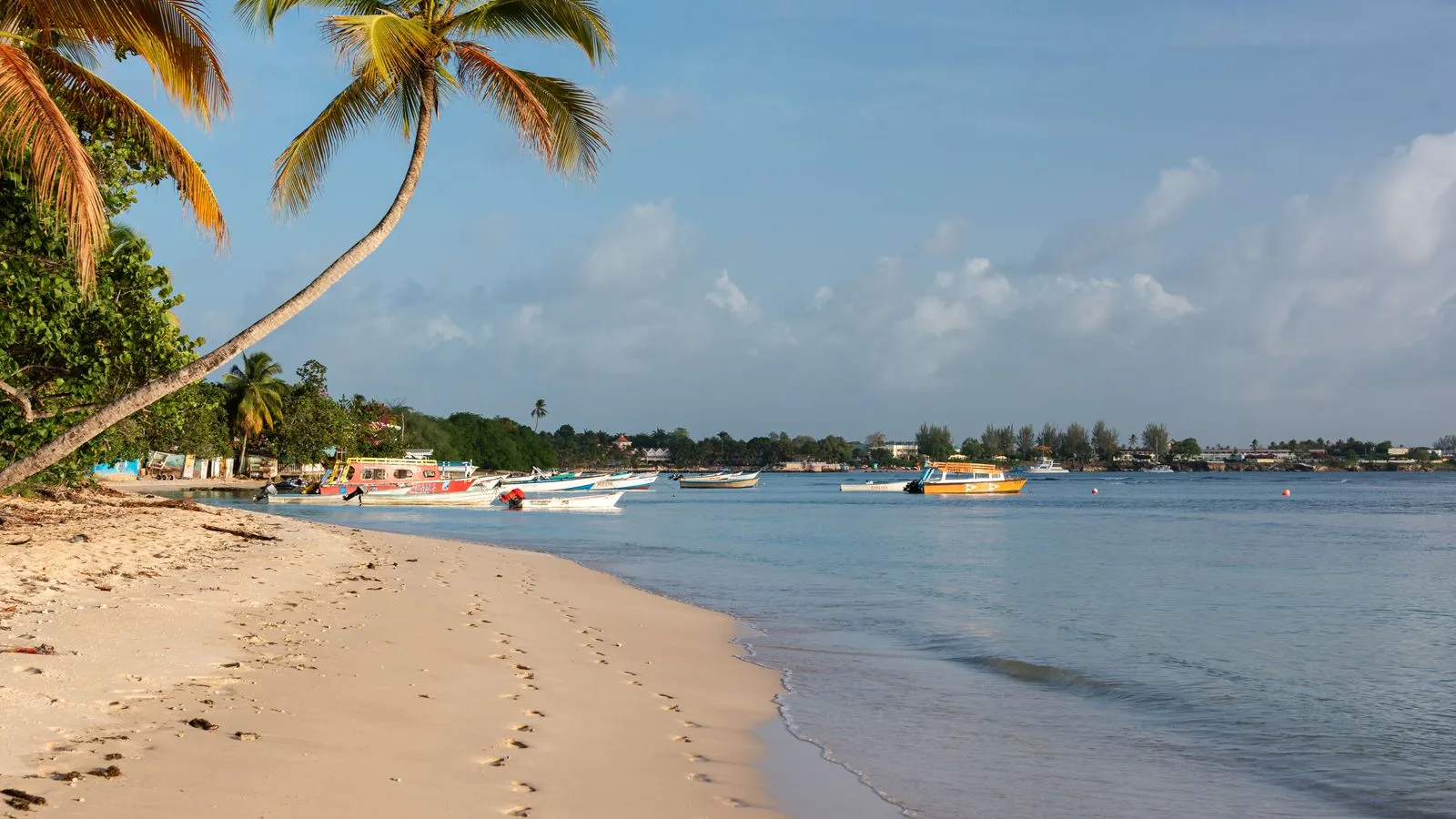
That said, it has real pull. Everyone speaks English, so there is no language wall. Carnival is one of the great parties on earth, and it colours the whole national temperament: warm, loud, quick to laugh. Port of Spain has the jobs, the restaurants, and the traffic. Tobago, a short flight or ferry away, is the quieter, greener sibling with the beaches. And unlike most of the Caribbean, the islands sit far enough south that hurricanes rarely make a direct hit, which is a genuine, underrated plus.
The trade-offs are real. Crime, especially violent crime in parts of Trinidad, is a serious and well-documented problem, and the government has declared states of emergency in recent years. Check your country’s current travel advisory before you commit. Foreign-exchange controls make getting US dollars out of the local banking system a chronic headache. Bureaucracy is slow. Budget-wise, a single person renting a one-bedroom and living reasonably should plan for somewhere around USD 1,300 to 1,800 a month all in, more in central Port of Spain.
Cost of living in Trinidad and Tobago
Costs are moderate by Caribbean standards, helped by subsidised fuel and a currency that trades around 6.8 TTD to the US dollar.
According to Numbeo, a one-bedroom apartment in a city centre runs around TT$4,065 a month (roughly USD 600), dropping to about TT$2,800 (near USD 415) outside the centre. Expat-grade housing in desirable Port of Spain suburbs like Westmoorings or Maraval will cost noticeably more, often quoted directly in US dollars.
Day-to-day, a single person’s costs excluding rent land around TT$6,660 a month (close to USD 980). A meal at an inexpensive restaurant is roughly TT$70 (about USD 10). In the grocery basket, a kilo of chicken fillets is around TT$66 (near USD 9.70) and a litre of milk about TT$16. Basic utilities for a mid-size apartment come to roughly TT$600 (about USD 88), kept low by heavily subsidised electricity. These are estimates that drift, so treat them as a starting sketch and verify current prices before you go.
Trinidad and Tobago digital nomad visa and entry
Here is the honest answer, because it matters: Trinidad and Tobago has no digital nomad visa. There is no remote-work permit, no self-employment stream, nothing designed for someone who earns abroad and wants to live here legally on that basis. If a site tells you otherwise, it is wrong.
What actually exists is ordinary entry and ordinary immigration. Most Western passport holders (US, UK, Canada, and most EU citizens) enter visa-free and are typically granted a stay of up to 90 days at the officer’s discretion, per the visa policy. That is a tourist stamp. It does not permit work, even remote work for a foreign employer, and it is not a residency.
To live and work here legally, the real routes are a work permit (arranged and sponsored by an employer before you arrive), marriage to a citizen, or permanent residence, which generally comes after several years of lawful residency. In practice almost every expat here is on an employer-sponsored work permit. If your plan is “move first, figure out status later,” this is not the country for it. You can sanity-check your options against your nationality with our digital nomad visa checker, but expect it to confirm that the path here is employment, not a nomad visa.
Tax residency and the 183 day rule
This section is educational, not tax advice, and the rules here genuinely matter if you spend real time in the country.
You become tax-resident once you are present in Trinidad and Tobago for more than 183 days in a calendar year, per PwC’s tax summary. Cross that line and your worldwide income can fall into scope. Stay under it and, as a non-resident, you are generally taxed only on income arising in Trinidad and Tobago.
Personal income tax is a two-tier system: around 25% on chargeable income up to TT$1 million and 30% above that. There is a tax-free personal allowance (recently in the region of TT$90,000 a year, though the figure has been adjusted, so confirm the current number with the Board of Inland Revenue). Self-employed people over a gross-income threshold may also face a small business levy. Because the 183-day count and any double-taxation treaty with your home country can change your outcome completely, run your situation through our tax residency checker and, honestly, talk to a local accountant before you assume anything.
Healthcare and insurance
The public system, run through the Regional Health Authorities, is free at the point of use and includes major hospitals like the Port of Spain General Hospital, the Eric Williams Medical Sciences Complex at Mount Hope, and the San Fernando General Hospital. It is a genuine safety net, but public facilities are stretched and waits can be long.
Expats almost always carry private cover and use private hospitals such as St. Clair Medical Centre or Westshore Medical in Port of Spain. Local insurers include Sagicor, Guardian Life, Beacon, and Pan-American Life. Employer packages often bundle this in. If yours does not, price both a local plan and an international policy, and keep evacuation cover in mind given the islands’ size. Rough private consultation fees start around TT$400 to TT$700, but verify with the clinic directly.
Money, banking and settling in
Opening a local account is the first real hurdle. The main banks are Republic Bank, First Citizens, Scotiabank, and RBC. Expect to provide your passport, proof of local address, references, and usually evidence of your work permit or residency status. Without one of those, a full account is difficult.
Two practical warnings save real pain. First, this is a cash-and-debit economy: the local Linx debit network is everywhere, but card acceptance is patchy at smaller vendors, so carry cash. Second, foreign-exchange controls are tight. Banks ration US dollars, and there are limits on how much foreign currency you can access through cards and transfers, so do not assume you can freely move money out. In your first weeks, sort a local SIM (bmobile or Digicel), set up home internet with Flow or Amplia, and lean on the tight, welcoming expat networks around the energy sector. They will tell you which neighbourhoods to live in and which to skip, and that local knowledge is worth more here than any guide.
Figures are estimates. Always check the official source.
Frequently asked questions
- Trinidad and Tobago: is there a digital nomad visa?
- No dedicated digital nomad visa; most people use a standard residence permit instead.
- Trinidad and Tobago: when do you become a tax resident?
- You are generally treated as tax resident if you have a permanent home in the country or spend at least 183 days there in a calendar year, and residents are taxed on worldwide income while non-residents are taxed only on local-source income (estimate, confirm current rules).
- Trinidad and Tobago: what is the cost of living?
- The cost of living is moderate and the local currency is the TTD. Treat any figures as estimates.
- Trinidad and Tobago: do you need health insurance?
- Public emergency care is available to all but foreigners pay for most medicines and specialist treatment, so comprehensive travel or expat health insurance with evacuation cover is strongly recommended.
- Trinidad and Tobago: can you drive on a foreign licence?
- Visitors can usually drive for up to about 90 days on a valid foreign licence, ideally carried together with an International Driving Permit.
Terms worth knowing
Americas: more countries to explore
Put it to work
- Free
Digital-Nomad Visa Checker
See which digital-nomad visas you could actually get with your passport and income, ranked, with the binding reason per country.
→ - Free
Tax-Residency Reality Checker
Go beyond the 183-day myth: model the treaty tie-breaker and see whether two countries could both claim you as a tax resident.
→ - Free
Nomad Insurance Picker
Match SafetyWing, Genki, World Nomads and others to your situation, and see which policies satisfy specific visa proof requirements.
→ - Free
Banking & FX Picker
Find the right account stack to avoid fees and hold multiple currencies abroad, Wise, Revolut, N26, for your nationality and spending.
→