Countries
Lebanon: visas, tax & cost of living
Moving to Lebanon as a remote worker: honest 2026 guide to cost of living, entry rules, tax, healthcare, and surviving the cash-and-dollar banking crisis.
United KingdomLebanon
Your move to Lebanon on a United Kingdom passport
- VisitFairly easyVisa on arrival, e-visa or travel authorization (ETA)
- NomadMediumNo nomad visa, other route
- RelocateMediumResidence with conditions
Visiting
You can get a visa on arrival. Carry the fee and the documents the border asks for, and confirm the current rules before you fly.
Passport validity: Passport typically valid for at least 3 months beyond your intended stay, with blank pages.
At the border: Many nationalities get a free 30 day visa on arrival at Beirut airport; you may be asked for a local address, a contact number and an onward or return ticket. Any Israeli stamp, visa or evidence of travel to Israel will almost certainly mean refused entry.
Working remotely
No dedicated nomad visa; the usual route is a standard residence permit.
Tax and residency
You are likely tax resident if you spend more than 183 days in any 12 month period, or keep a home or place of business in Lebanon; taxation is broadly territorial, so foreign source income is generally untaxed though certain foreign investment income of residents can be taxed. (estimate)
The UK decides residence with its Statutory Residence Test (days in the UK plus your ties). As a non-resident you are usually taxed only on UK income; where one exists, a double-tax treaty with the destination decides who taxes what.
Practical
Currency: LBP. Cost of living: mid.
Healthcare: There is no public health cover for foreigners, so plan on private hospitals and pay as you go care, and carry comprehensive international health insurance.
Driving: Bring an International Driving Permit alongside your home licence, as it is widely expected by police and rental firms.
Sources: Lebanese General Security (Directorate) · PwC Tax Summaries, Lebanon residence · Visa policy of Lebanon (overview) · US State Department, Lebanon travel information · GOV.UK: tax on foreign income · HMRC: double-taxation treaties
Estimates, not advice. Confirm with the official sources before you act.
United StatesLebanon
Your move to Lebanon on a United States passport
- VisitFairly easyVisa on arrival, e-visa or travel authorization (ETA)
- NomadMediumNo nomad visa, other route
- RelocateMediumResidence with conditions
Visiting
You can get a visa on arrival. Carry the fee and the documents the border asks for, and confirm the current rules before you fly.
Passport validity: Passport typically valid for at least 3 months beyond your intended stay, with blank pages.
At the border: Many nationalities get a free 30 day visa on arrival at Beirut airport; you may be asked for a local address, a contact number and an onward or return ticket. Any Israeli stamp, visa or evidence of travel to Israel will almost certainly mean refused entry.
Working remotely
No dedicated nomad visa; the usual route is a standard residence permit.
Tax and residency
You are likely tax resident if you spend more than 183 days in any 12 month period, or keep a home or place of business in Lebanon; taxation is broadly territorial, so foreign source income is generally untaxed though certain foreign investment income of residents can be taxed. (estimate)
The US taxes its citizens on worldwide income wherever you live, so you keep filing US returns abroad. The Foreign Earned Income Exclusion and the foreign tax credit are what stop you being taxed twice.
Practical
Currency: LBP. Cost of living: mid.
Healthcare: There is no public health cover for foreigners, so plan on private hospitals and pay as you go care, and carry comprehensive international health insurance.
Driving: Bring an International Driving Permit alongside your home licence, as it is widely expected by police and rental firms.
Sources: Lebanese General Security (Directorate) · PwC Tax Summaries, Lebanon residence · Visa policy of Lebanon (overview) · US State Department, Lebanon travel information · IRS: Foreign Earned Income Exclusion · IRS: tax treaties
Estimates, not advice. Confirm with the official sources before you act.
IndiaLebanon
Your move to Lebanon on a India passport
- VisitMediumVisa required in advance
- NomadMediumNo nomad visa, other route
- RelocateMediumResidence with conditions
Visiting
You need a visa, arranged at a consulate before you travel. Plan ahead: gather the documents, book the appointment, and allow time for processing.
Passport validity: Passport typically valid for at least 3 months beyond your intended stay, with blank pages.
At the border: Many nationalities get a free 30 day visa on arrival at Beirut airport; you may be asked for a local address, a contact number and an onward or return ticket. Any Israeli stamp, visa or evidence of travel to Israel will almost certainly mean refused entry.
Working remotely
No dedicated nomad visa; the usual route is a standard residence permit.
Tax and residency
You are likely tax resident if you spend more than 183 days in any 12 month period, or keep a home or place of business in Lebanon; taxation is broadly territorial, so foreign source income is generally untaxed though certain foreign investment income of residents can be taxed. (estimate)
India taxes residents on worldwide income; your status depends on the days you spend in India (broadly 182 or more in the year). As a non-resident (NRI) you are taxed only on Indian-source income, and the relevant double-tax treaty allocates the rest.
Practical
Currency: LBP. Cost of living: mid.
Healthcare: There is no public health cover for foreigners, so plan on private hospitals and pay as you go care, and carry comprehensive international health insurance.
Driving: Bring an International Driving Permit alongside your home licence, as it is widely expected by police and rental firms.
Sources: Lebanese General Security (Directorate) · PwC Tax Summaries, Lebanon residence · Visa policy of Lebanon (overview) · US State Department, Lebanon travel information · Income Tax Department, India · India: Double Taxation Avoidance Agreements
Estimates, not advice. Confirm with the official sources before you act.
GermanyLebanon
Your move to Lebanon on a Germany passport
- VisitFairly easyVisa on arrival, e-visa or travel authorization (ETA)
- NomadMediumNo nomad visa, other route
- RelocateMediumResidence with conditions
Visiting
You can get a visa on arrival. Carry the fee and the documents the border asks for, and confirm the current rules before you fly.
Passport validity: Passport typically valid for at least 3 months beyond your intended stay, with blank pages.
At the border: Many nationalities get a free 30 day visa on arrival at Beirut airport; you may be asked for a local address, a contact number and an onward or return ticket. Any Israeli stamp, visa or evidence of travel to Israel will almost certainly mean refused entry.
Working remotely
No dedicated nomad visa; the usual route is a standard residence permit.
Tax and residency
You are likely tax resident if you spend more than 183 days in any 12 month period, or keep a home or place of business in Lebanon; taxation is broadly territorial, so foreign source income is generally untaxed though certain foreign investment income of residents can be taxed. (estimate)
Germany taxes residents on worldwide income; you become resident through a home available to you (Wohnsitz) or a habitual abode of more than six months. As a non-resident you are usually taxed only on German-source income, and where one exists a double-tax treaty with the destination decides who taxes what.
Practical
Currency: LBP. Cost of living: mid.
Healthcare: There is no public health cover for foreigners, so plan on private hospitals and pay as you go care, and carry comprehensive international health insurance.
Driving: Bring an International Driving Permit alongside your home licence, as it is widely expected by police and rental firms.
Sources: Lebanese General Security (Directorate) · PwC Tax Summaries, Lebanon residence · Visa policy of Lebanon (overview) · US State Department, Lebanon travel information · Bundeszentralamt für Steuern (BZSt) · Germany: double-taxation agreements (BMF)
Estimates, not advice. Confirm with the official sources before you act.
FranceLebanon
Your move to Lebanon on a France passport
- VisitFairly easyVisa on arrival, e-visa or travel authorization (ETA)
- NomadMediumNo nomad visa, other route
- RelocateMediumResidence with conditions
Visiting
You can get a visa on arrival. Carry the fee and the documents the border asks for, and confirm the current rules before you fly.
Passport validity: Passport typically valid for at least 3 months beyond your intended stay, with blank pages.
At the border: Many nationalities get a free 30 day visa on arrival at Beirut airport; you may be asked for a local address, a contact number and an onward or return ticket. Any Israeli stamp, visa or evidence of travel to Israel will almost certainly mean refused entry.
Working remotely
No dedicated nomad visa; the usual route is a standard residence permit.
Tax and residency
You are likely tax resident if you spend more than 183 days in any 12 month period, or keep a home or place of business in Lebanon; taxation is broadly territorial, so foreign source income is generally untaxed though certain foreign investment income of residents can be taxed. (estimate)
France taxes you on your worldwide income if your tax home (domicile fiscal) stays there, broadly when your household, main home, main job or main economic interests are in France, so moving abroad alone may not end it. Once you genuinely settle elsewhere you are usually taxed only on French-source income, and tax treaties typically prevent paying twice through an exemption or a foreign tax credit, but treat any figures as estimates and check your situation.
Practical
Currency: LBP. Cost of living: mid.
Healthcare: There is no public health cover for foreigners, so plan on private hospitals and pay as you go care, and carry comprehensive international health insurance.
Driving: Bring an International Driving Permit alongside your home licence, as it is widely expected by police and rental firms.
Sources: Lebanese General Security (Directorate) · PwC Tax Summaries, Lebanon residence · Visa policy of Lebanon (overview) · US State Department, Lebanon travel information · impots.gouv.fr - Résidents de France · impots.gouv.fr - Les conventions internationales
Estimates, not advice. Confirm with the official sources before you act.
SpainLebanon
Your move to Lebanon on a Spain passport
- VisitFairly easyVisa on arrival, e-visa or travel authorization (ETA)
- NomadMediumNo nomad visa, other route
- RelocateMediumResidence with conditions
Visiting
You can get a visa on arrival. Carry the fee and the documents the border asks for, and confirm the current rules before you fly.
Passport validity: Passport typically valid for at least 3 months beyond your intended stay, with blank pages.
At the border: Many nationalities get a free 30 day visa on arrival at Beirut airport; you may be asked for a local address, a contact number and an onward or return ticket. Any Israeli stamp, visa or evidence of travel to Israel will almost certainly mean refused entry.
Working remotely
No dedicated nomad visa; the usual route is a standard residence permit.
Tax and residency
You are likely tax resident if you spend more than 183 days in any 12 month period, or keep a home or place of business in Lebanon; taxation is broadly territorial, so foreign source income is generally untaxed though certain foreign investment income of residents can be taxed. (estimate)
If Spain still counts as your tax home (roughly 183+ days in the country in a year, or your main base of life and income sits there), Spain taxes your worldwide income at IRPF rates, so what you earn abroad usually counts too. The sting is softened by double-tax treaties and a foreign-tax credit, plus the Article 7.p exemption that can shelter work done abroad up to around 60,100 euros a year, but treat every figure as an estimate and check your own case before you file.
Practical
Currency: LBP. Cost of living: mid.
Healthcare: There is no public health cover for foreigners, so plan on private hospitals and pay as you go care, and carry comprehensive international health insurance.
Driving: Bring an International Driving Permit alongside your home licence, as it is widely expected by police and rental firms.
Sources: Lebanese General Security (Directorate) · PwC Tax Summaries, Lebanon residence · Visa policy of Lebanon (overview) · US State Department, Lebanon travel information · Agencia Tributaria: persona física residente en España · Agencia Tributaria: obtención de rentas extranjeras, reglas generales
Estimates, not advice. Confirm with the official sources before you act.
ItalyLebanon
Your move to Lebanon on a Italy passport
- VisitFairly easyVisa on arrival, e-visa or travel authorization (ETA)
- NomadMediumNo nomad visa, other route
- RelocateMediumResidence with conditions
Visiting
You can get a visa on arrival. Carry the fee and the documents the border asks for, and confirm the current rules before you fly.
Passport validity: Passport typically valid for at least 3 months beyond your intended stay, with blank pages.
At the border: Many nationalities get a free 30 day visa on arrival at Beirut airport; you may be asked for a local address, a contact number and an onward or return ticket. Any Israeli stamp, visa or evidence of travel to Israel will almost certainly mean refused entry.
Working remotely
No dedicated nomad visa; the usual route is a standard residence permit.
Tax and residency
You are likely tax resident if you spend more than 183 days in any 12 month period, or keep a home or place of business in Lebanon; taxation is broadly territorial, so foreign source income is generally untaxed though certain foreign investment income of residents can be taxed. (estimate)
Italy generally treats you as a tax resident if for most of the year (roughly 183 days or more) your home, family or registration ties are here, and residents are taxed on worldwide income wherever they live. The relief is usually a foreign tax credit for tax already paid abroad, often shaped by Italy's double-taxation treaties, so the same income should not be taxed twice.
Practical
Currency: LBP. Cost of living: mid.
Healthcare: There is no public health cover for foreigners, so plan on private hospitals and pay as you go care, and carry comprehensive international health insurance.
Driving: Bring an International Driving Permit alongside your home licence, as it is widely expected by police and rental firms.
Sources: Lebanese General Security (Directorate) · PwC Tax Summaries, Lebanon residence · Visa policy of Lebanon (overview) · US State Department, Lebanon travel information · Agenzia delle Entrate, Residence for tax purposes · Agenzia delle Entrate, Bilateral agreements to prevent double taxation
Estimates, not advice. Confirm with the official sources before you act.
CanadaLebanon
Your move to Lebanon on a Canada passport
- VisitFairly easyVisa on arrival, e-visa or travel authorization (ETA)
- NomadMediumNo nomad visa, other route
- RelocateMediumResidence with conditions
Visiting
You can get a visa on arrival. Carry the fee and the documents the border asks for, and confirm the current rules before you fly.
Passport validity: Passport typically valid for at least 3 months beyond your intended stay, with blank pages.
At the border: Many nationalities get a free 30 day visa on arrival at Beirut airport; you may be asked for a local address, a contact number and an onward or return ticket. Any Israeli stamp, visa or evidence of travel to Israel will almost certainly mean refused entry.
Working remotely
No dedicated nomad visa; the usual route is a standard residence permit.
Tax and residency
You are likely tax resident if you spend more than 183 days in any 12 month period, or keep a home or place of business in Lebanon; taxation is broadly territorial, so foreign source income is generally untaxed though certain foreign investment income of residents can be taxed. (estimate)
Canada taxes you on residency, not on holding the passport, so as long as the CRA still treats you as a resident (kept home, family or strong ties) you generally owe Canadian tax on your worldwide income. The relief is usually a foreign tax credit for tax you already paid abroad, often topped up by a tax treaty, though the exact amounts are only estimates until you check your own case.
Practical
Currency: LBP. Cost of living: mid.
Healthcare: There is no public health cover for foreigners, so plan on private hospitals and pay as you go care, and carry comprehensive international health insurance.
Driving: Bring an International Driving Permit alongside your home licence, as it is widely expected by police and rental firms.
Sources: Lebanese General Security (Directorate) · PwC Tax Summaries, Lebanon residence · Visa policy of Lebanon (overview) · US State Department, Lebanon travel information · Canada Revenue Agency, Determining your residency status · Department of Finance Canada, Tax treaties in force
Estimates, not advice. Confirm with the official sources before you act.
AustraliaLebanon
Your move to Lebanon on a Australia passport
- VisitFairly easyVisa on arrival, e-visa or travel authorization (ETA)
- NomadMediumNo nomad visa, other route
- RelocateMediumResidence with conditions
Visiting
You can get a visa on arrival. Carry the fee and the documents the border asks for, and confirm the current rules before you fly.
Passport validity: Passport typically valid for at least 3 months beyond your intended stay, with blank pages.
At the border: Many nationalities get a free 30 day visa on arrival at Beirut airport; you may be asked for a local address, a contact number and an onward or return ticket. Any Israeli stamp, visa or evidence of travel to Israel will almost certainly mean refused entry.
Working remotely
No dedicated nomad visa; the usual route is a standard residence permit.
Tax and residency
You are likely tax resident if you spend more than 183 days in any 12 month period, or keep a home or place of business in Lebanon; taxation is broadly territorial, so foreign source income is generally untaxed though certain foreign investment income of residents can be taxed. (estimate)
If you stay an Australian resident for tax purposes, Australia generally taxes your worldwide income wherever you live, with residency turned on the moment your real home and ties are here (a continuous stay of roughly 6 months can be enough). To soften double tax, you can usually claim a Foreign Income Tax Offset for tax already paid abroad, capped at the Australian tax on that income, and treaties may help too, so treat these figures as estimates and check your own case.
Practical
Currency: LBP. Cost of living: mid.
Healthcare: There is no public health cover for foreigners, so plan on private hospitals and pay as you go care, and carry comprehensive international health insurance.
Driving: Bring an International Driving Permit alongside your home licence, as it is widely expected by police and rental firms.
Sources: Lebanese General Security (Directorate) · PwC Tax Summaries, Lebanon residence · Visa policy of Lebanon (overview) · US State Department, Lebanon travel information · Australian Taxation Office, Australian resident for tax purposes · Australian Taxation Office, International tax agreements (tax treaties)
Estimates, not advice. Confirm with the official sources before you act.
BrazilLebanon
Your move to Lebanon on a Brazil passport
- VisitFairly easyVisa on arrival, e-visa or travel authorization (ETA)
- NomadMediumNo nomad visa, other route
- RelocateMediumResidence with conditions
Visiting
You can get a visa on arrival. Carry the fee and the documents the border asks for, and confirm the current rules before you fly.
Passport validity: Passport typically valid for at least 3 months beyond your intended stay, with blank pages.
At the border: Many nationalities get a free 30 day visa on arrival at Beirut airport; you may be asked for a local address, a contact number and an onward or return ticket. Any Israeli stamp, visa or evidence of travel to Israel will almost certainly mean refused entry.
Working remotely
No dedicated nomad visa; the usual route is a standard residence permit.
Tax and residency
You are likely tax resident if you spend more than 183 days in any 12 month period, or keep a home or place of business in Lebanon; taxation is broadly territorial, so foreign source income is generally untaxed though certain foreign investment income of residents can be taxed. (estimate)
If Brazil still counts you as tax-resident, usually triggered by a permanent visa, a temporary visa plus a job, or roughly 183 days in the country within any 12 months, the Receita Federal taxes your worldwide income, so you keep filing the annual return wherever you live. The relief is real but partial: tax paid abroad can normally be credited against what you owe in Brazil under a treaty or recognised reciprocity, so most people are not taxed twice on the same income.
Practical
Currency: LBP. Cost of living: mid.
Healthcare: There is no public health cover for foreigners, so plan on private hospitals and pay as you go care, and carry comprehensive international health insurance.
Driving: Bring an International Driving Permit alongside your home licence, as it is widely expected by police and rental firms.
Sources: Lebanese General Security (Directorate) · PwC Tax Summaries, Lebanon residence · Visa policy of Lebanon (overview) · US State Department, Lebanon travel information · Receita Federal, Acordos para evitar a dupla tributação · Receita Federal, Imposto sobre a Renda da Pessoa Física (IRPF)
Estimates, not advice. Confirm with the official sources before you act.
MexicoLebanon
Your move to Lebanon on a Mexico passport
- VisitFairly easyVisa on arrival, e-visa or travel authorization (ETA)
- NomadMediumNo nomad visa, other route
- RelocateMediumResidence with conditions
Visiting
You can get a visa on arrival. Carry the fee and the documents the border asks for, and confirm the current rules before you fly.
Passport validity: Passport typically valid for at least 3 months beyond your intended stay, with blank pages.
At the border: Many nationalities get a free 30 day visa on arrival at Beirut airport; you may be asked for a local address, a contact number and an onward or return ticket. Any Israeli stamp, visa or evidence of travel to Israel will almost certainly mean refused entry.
Working remotely
No dedicated nomad visa; the usual route is a standard residence permit.
Tax and residency
You are likely tax resident if you spend more than 183 days in any 12 month period, or keep a home or place of business in Lebanon; taxation is broadly territorial, so foreign source income is generally untaxed though certain foreign investment income of residents can be taxed. (estimate)
Mexico taxes you on your worldwide income once you count as a tax resident, which usually means your main home or your center of life is here (very roughly, spending more than about 183 days a year can tip the balance). The good news is the SAT lets you credit foreign income tax you already paid, and Mexico's double-taxation treaties mean the same money should not normally be taxed twice.
Practical
Currency: LBP. Cost of living: mid.
Healthcare: There is no public health cover for foreigners, so plan on private hospitals and pay as you go care, and carry comprehensive international health insurance.
Driving: Bring an International Driving Permit alongside your home licence, as it is widely expected by police and rental firms.
Sources: Lebanese General Security (Directorate) · PwC Tax Summaries, Lebanon residence · Visa policy of Lebanon (overview) · US State Department, Lebanon travel information · SAT - Servicio de Administración Tributaria · SAT - Tratados en Materia Fiscal (para evitar la doble tributación)
Estimates, not advice. Confirm with the official sources before you act.
PhilippinesLebanon
Your move to Lebanon on a Philippines passport
- VisitMediumVisa required in advance
- NomadMediumNo nomad visa, other route
- RelocateMediumResidence with conditions
Visiting
You need a visa, arranged at a consulate before you travel. Plan ahead: gather the documents, book the appointment, and allow time for processing.
Passport validity: Passport typically valid for at least 3 months beyond your intended stay, with blank pages.
At the border: Many nationalities get a free 30 day visa on arrival at Beirut airport; you may be asked for a local address, a contact number and an onward or return ticket. Any Israeli stamp, visa or evidence of travel to Israel will almost certainly mean refused entry.
Working remotely
No dedicated nomad visa; the usual route is a standard residence permit.
Tax and residency
You are likely tax resident if you spend more than 183 days in any 12 month period, or keep a home or place of business in Lebanon; taxation is broadly territorial, so foreign source income is generally untaxed though certain foreign investment income of residents can be taxed. (estimate)
If you stay a resident citizen, the Philippines taxes your worldwide income, but once you genuinely live and work abroad you usually count as a non-resident citizen and are taxed only on income from Philippine sources. The exact line depends on how long you are out and your ties back home, so treat these as estimates, and a foreign tax credit can offset tax already paid abroad.
Practical
Currency: LBP. Cost of living: mid.
Healthcare: There is no public health cover for foreigners, so plan on private hospitals and pay as you go care, and carry comprehensive international health insurance.
Driving: Bring an International Driving Permit alongside your home licence, as it is widely expected by police and rental firms.
Sources: Lebanese General Security (Directorate) · PwC Tax Summaries, Lebanon residence · Visa policy of Lebanon (overview) · US State Department, Lebanon travel information · BIR - Taxation of Foreign Source Income · BIR - Taxation of Non-Residents
Estimates, not advice. Confirm with the official sources before you act.
NigeriaLebanon
Your move to Lebanon on a Nigeria passport
- VisitFairly easyVisa on arrival, e-visa or travel authorization (ETA)
- NomadMediumNo nomad visa, other route
- RelocateMediumResidence with conditions
Visiting
You can get a visa on arrival. Carry the fee and the documents the border asks for, and confirm the current rules before you fly.
Passport validity: Passport typically valid for at least 3 months beyond your intended stay, with blank pages.
At the border: Many nationalities get a free 30 day visa on arrival at Beirut airport; you may be asked for a local address, a contact number and an onward or return ticket. Any Israeli stamp, visa or evidence of travel to Israel will almost certainly mean refused entry.
Working remotely
No dedicated nomad visa; the usual route is a standard residence permit.
Tax and residency
You are likely tax resident if you spend more than 183 days in any 12 month period, or keep a home or place of business in Lebanon; taxation is broadly territorial, so foreign source income is generally untaxed though certain foreign investment income of residents can be taxed. (estimate)
If Nigeria still counts you as resident, roughly 183 or more days in the country in a year, or you keep a home, habitual abode or close family and economic ties there, you are generally taxed on your worldwide income, not just what you earn in Nigeria. There is usually a foreign tax credit, and Nigeria's tax treaties, so tax you already paid abroad can typically be set against your Nigerian bill, but treat these figures as estimates and check the current rules before you file.
Practical
Currency: LBP. Cost of living: mid.
Healthcare: There is no public health cover for foreigners, so plan on private hospitals and pay as you go care, and carry comprehensive international health insurance.
Driving: Bring an International Driving Permit alongside your home licence, as it is widely expected by police and rental firms.
Sources: Lebanese General Security (Directorate) · PwC Tax Summaries, Lebanon residence · Visa policy of Lebanon (overview) · US State Department, Lebanon travel information · Federal Inland Revenue Service (FIRS) · FIRS - Tax Treaties and Related Matters
Estimates, not advice. Confirm with the official sources before you act.
VietnamLebanon
Your move to Lebanon on a Vietnam passport
- VisitMediumVisa required in advance
- NomadMediumNo nomad visa, other route
- RelocateMediumResidence with conditions
Visiting
You need a visa, arranged at a consulate before you travel. Plan ahead: gather the documents, book the appointment, and allow time for processing.
Passport validity: Passport typically valid for at least 3 months beyond your intended stay, with blank pages.
At the border: Many nationalities get a free 30 day visa on arrival at Beirut airport; you may be asked for a local address, a contact number and an onward or return ticket. Any Israeli stamp, visa or evidence of travel to Israel will almost certainly mean refused entry.
Working remotely
No dedicated nomad visa; the usual route is a standard residence permit.
Tax and residency
You are likely tax resident if you spend more than 183 days in any 12 month period, or keep a home or place of business in Lebanon; taxation is broadly territorial, so foreign source income is generally untaxed though certain foreign investment income of residents can be taxed. (estimate)
Vietnam treats you as a tax resident once you spend roughly 183 days there in a calendar year (or any rolling 12 months) or keep a permanent home, and residents are taxed on worldwide income at progressive rates of around 5% to 35%; there is no foreign-earned-income exclusion, but Vietnam's tax treaties and a foreign tax credit usually stop the same income being taxed twice.
Practical
Currency: LBP. Cost of living: mid.
Healthcare: There is no public health cover for foreigners, so plan on private hospitals and pay as you go care, and carry comprehensive international health insurance.
Driving: Bring an International Driving Permit alongside your home licence, as it is widely expected by police and rental firms.
Sources: Lebanese General Security (Directorate) · PwC Tax Summaries, Lebanon residence · Visa policy of Lebanon (overview) · US State Department, Lebanon travel information · General Department of Taxation (Tổng cục Thuế) · GDT - Agreements for Avoidance of Double Taxation
Estimates, not advice. Confirm with the official sources before you act.
Should you move to Lebanon?
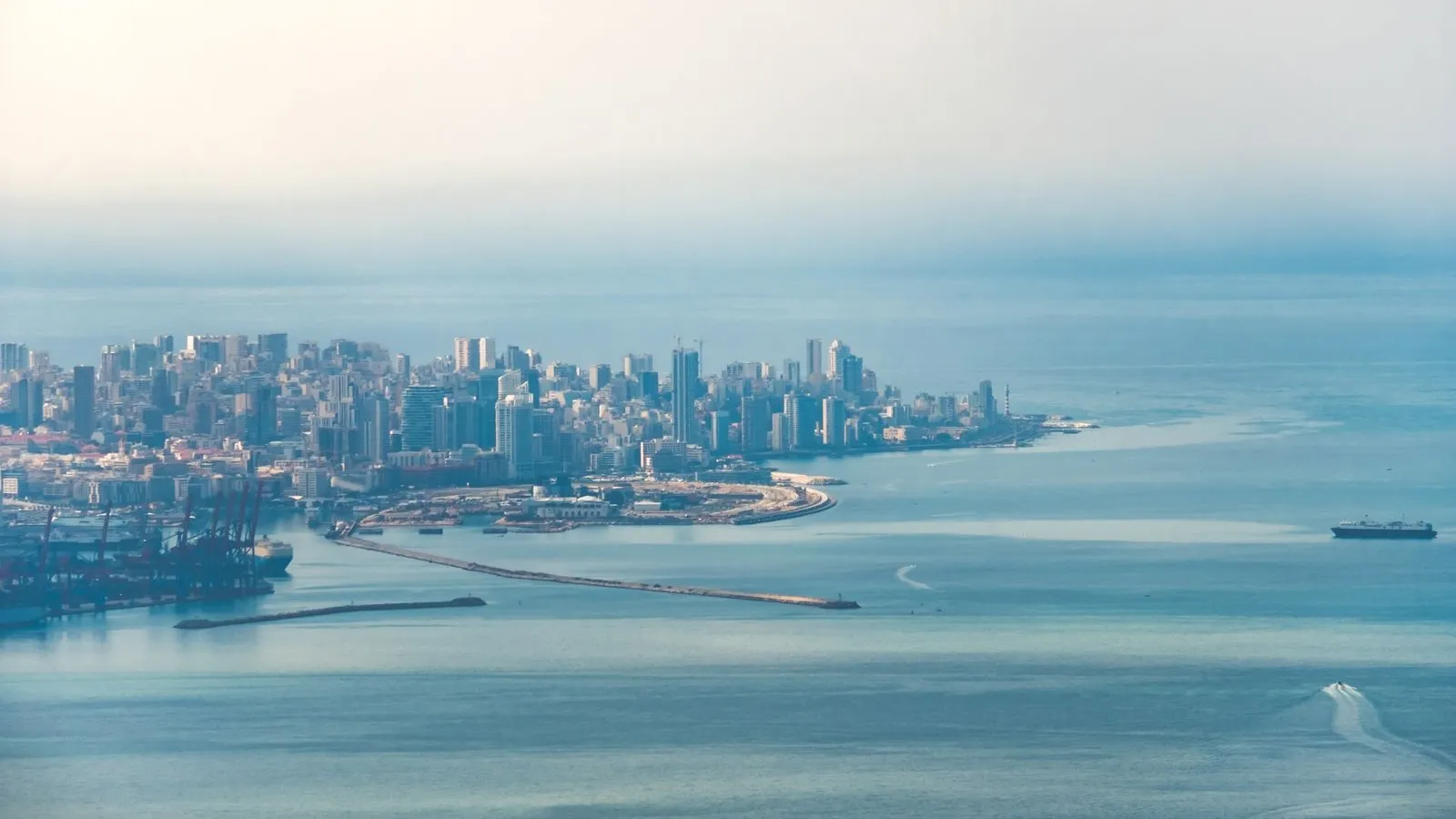
Let me be straight with you before you fall in love with the idea. Beirut is one of the great cities of the Mediterranean: layered, loud, generous, with a food scene and a nightlife that people fly in for, and a diaspora so vast that half the world seems to have a Lebanese cousin. If your heart is set on the culture, the sea, the mountains an hour from the coast, and the warmth of the people, Lebanon delivers all of it. But it is also a country living through one of the worst economic collapses in modern history, and you should walk in with both eyes open.
Since 2019 the Lebanese pound has lost around 98% of its value and the banking sector has been effectively insolvent, according to the World Bank. Daily life runs on cash US dollars. Power comes and goes, and most buildings lean on private generators to cover the gaps. This is a place for a specific kind of nomad: someone with a stable foreign income paid outside Lebanon, a high tolerance for improvisation, a good local network, and no need to rely on the domestic banking system.
The main hub is Beirut, with the neighbourhoods of Mar Mikhael, Gemmayzeh, Achrafieh, and Hamra drawing most newcomers. Byblos and the mountain towns above the city are calmer alternatives. As a rough monthly budget, a single person can live reasonably on somewhere around 1,300 to 1,800 US dollars, though comfort in a city with unreliable power and water costs more. Run your situation through our digital nomad visa checker before you commit to anything.
Cost of living in Lebanon
Prices here are strange, because a dollar economy sits on top of a collapsed currency. In fresh US dollars (the cash everyone actually wants), Lebanon can feel affordable in some places and surprisingly steep in others, especially for imported goods and generator electricity.
As a starting point, Livingcost puts total monthly costs for a single person at roughly 1,300 US dollars including rent, with a one-bedroom apartment in a central area around 650 US dollars and closer to 350 in cheaper neighbourhoods. Monthly food for one person lands near 400 US dollars. Treat these as estimates and verify before you go, because dollar rents in prime Beirut districts have climbed hard as landlords price in the crisis.
The line item newcomers forget is the generator subscription. When the state grid is down, you pay a private operator for backup power, and in summer that bill can rival your groceries. Budget for it. Eating out ranges from a few dollars for street food (a manoushe or a shawarma) to 40 US dollars and up per person at the fashionable Beirut restaurants.
Lebanon digital nomad visa and entry
Here is the honest answer: Lebanon has no digital nomad visa. There is no remote-worker permit, no self-employment residency track marketed at location-independent professionals. Do not wait for one.
What exists instead is genuinely simple for short stays. Most Western nationals get a free single-entry tourist visa on arrival at Beirut airport, valid for one month, and you can extend it at the General Security offices for up to three months total, according to UK government guidance. Your passport must be valid for at least three months, and any Israeli stamp or evidence of travel to Israel can get you refused entry, so check your passport carefully.
Staying beyond three months means a proper residency permit, and those are tied to real anchors: work sponsored by a Lebanese employer, study, marriage to a Lebanese citizen, property, or the route many people of Lebanese descent use to reclaim citizenship. There is no clean path for a foreigner simply working online. Many remote workers run on tourist stays and reset the clock, which is legally grey and worth taking local advice on.
Tax residency and the 183 day rule
This is one area where Lebanon is, counterintuitively, gentle on the remote worker. The system runs on territoriality, which means foreign-source income is generally outside the Lebanese net unless the work is performed on Lebanese soil or benefits a Lebanese company, per PwC’s tax summary.
You become a Lebanese tax resident if you spend more than 183 days in the country within any 12-month period, or keep a place of business or a permanent home available to your family there, according to PwC. Local salaries face progressive payroll tax of roughly 2% to 25%. The subtle point for nomads is that residency here does not automatically mean Lebanon taxes your overseas earnings, but your home country may still consider you tax resident there, and double-taxation depends on the treaty in play. This is educational, not advice, so map your own position with our tax residency checker and a cross-border accountant before you assume anything.
Healthcare and insurance
Lebanon’s private hospitals are excellent, and that is not an accident: this was long the medical hub of the region. The American University of Beirut Medical Center (AUBMC), Hotel-Dieu de France, and Clemenceau Medical Center are genuinely world-class, staffed by doctors trained in Europe and the US.
The catch is that care is overwhelmingly private and paid out of pocket, and the public safety net is thin and strained after years of crisis and an exodus of medical staff. There is no meaningful cover for you as a foreigner without insurance. Take out comprehensive international health insurance (global insurers like Cigna, Allianz Care, and Bupa Global cover Lebanon, and there are local options too) with a policy that includes medical evacuation, given the security picture. Routine consultations at a good private clinic run to a few tens of dollars, but a serious admission without insurance can be ruinous. Carry any regular medication with you, since shortages have hit pharmacies during the crisis.
Money, banking and settling in
Assume you cannot bank locally in any normal sense, and plan around cash. Lebanon runs on physical US dollars, credit and debit cards are frequently refused, and getting local currency from an ATM can be unreliable or expensive, as the UK government notes. The term you will hear is “lollar”, the trapped dollars stuck inside insolvent banks that are worth only a fraction of their face value. Keep your real money in your home account and bring what you need as fresh cash.
For your first weeks: arrive with a solid float of clean US dollar notes in mixed denominations, line up a generator-backed apartment before your grid power fails you, buy a local SIM (Alfa or touch) for data, and lean on the network of expats and returning diaspora who know which building has reliable backup and which landlord takes dollars sensibly. Keep a cash reserve for the fine you pay on departure if you overstay, since it must be paid in Lebanese pounds. Above all, watch the security situation, which can shift quickly near the southern border and in specific districts, and keep a flexible exit plan.
Figures are estimates. Always check the official source.
Frequently asked questions
- Lebanon: is there a digital nomad visa?
- No dedicated digital nomad visa; most people use a standard residence permit instead.
- Lebanon: when do you become a tax resident?
- You are likely tax resident if you spend more than 183 days in any 12 month period, or keep a home or place of business in Lebanon; taxation is broadly territorial, so foreign source income is generally untaxed though certain foreign investment income of residents can be taxed.
- Lebanon: what is the cost of living?
- The cost of living is moderate and the local currency is the LBP. Treat any figures as estimates.
- Lebanon: do you need health insurance?
- There is no public health cover for foreigners, so plan on private hospitals and pay as you go care, and carry comprehensive international health insurance.
- Lebanon: can you drive on a foreign licence?
- Bring an International Driving Permit alongside your home licence, as it is widely expected by police and rental firms.
Terms worth knowing
Asia: more countries to explore
Put it to work
- Free
Digital-Nomad Visa Checker
See which digital-nomad visas you could actually get with your passport and income, ranked, with the binding reason per country.
→ - Free
Tax-Residency Reality Checker
Go beyond the 183-day myth: model the treaty tie-breaker and see whether two countries could both claim you as a tax resident.
→ - Free
Nomad Insurance Picker
Match SafetyWing, Genki, World Nomads and others to your situation, and see which policies satisfy specific visa proof requirements.
→ - Free
Banking & FX Picker
Find the right account stack to avoid fees and hold multiple currencies abroad, Wise, Revolut, N26, for your nationality and spending.
→