Countries
Uzbekistan: visas, tax & cost of living
Moving to Uzbekistan as a remote worker? The real IT Visa route, Tashkent cost of living, the 12% flat tax, healthcare and banking, honestly explained.
United KingdomUzbekistan
Your move to Uzbekistan on a United Kingdom passport
- VisitHardExceeds visa-free stay
- NomadMediumNo nomad visa, other route
- RelocateMediumResidence with conditions
Visiting
Visa-free for up to 30 days. Travel on a passport valid for your whole stay, with a return or onward ticket and proof you can support yourself.
Passport validity: Passport generally valid at least 3 months beyond your stay, though 6 months is often advised.
Heads-up: From 1 January 2026 some nationalities (including US citizens) can enter visa-free for up to 30 days; check your nationality before travel.
At the border: Valid passport and an e-visa where required; register your stay with local authorities within 3 days of arrival.
Working remotely
No dedicated nomad visa; the usual route is a standard residence permit.
Tax and residency
You are generally treated as a tax resident if present 183 days or more in any rolling 12-month period, and residents are taxed on worldwide income; a voluntary special regime from January 2026 can exempt foreign income but requires a large one-time fee, so confirm before relying on it. (estimate)
The UK decides residence with its Statutory Residence Test (days in the UK plus your ties). As a non-resident you are usually taxed only on UK income; where one exists, a double-tax treaty with the destination decides who taxes what.
Practical
Currency: UZS. Cost of living: low.
Healthcare: Public facilities are basic, so foreigners typically use private clinics and should carry private or travel health insurance.
Driving: An International Driving Permit alongside your home licence is recommended for renting or driving.
Sources: Official e-visa portal of Uzbekistan · PwC Tax Summaries, Uzbekistan individual residence · PwC Tax Summaries, Uzbekistan taxes on personal income · US State Department, Uzbekistan travel information · GOV.UK: tax on foreign income · HMRC: double-taxation treaties
Estimates, not advice. Confirm with the official sources before you act.
United StatesUzbekistan
Your move to Uzbekistan on a United States passport
- VisitFairly easyVisa on arrival, e-visa or travel authorization (ETA)
- NomadMediumNo nomad visa, other route
- RelocateMediumResidence with conditions
Visiting
You need an e-visa. Apply online before you travel and carry the approval. It is usually quick, but leave a few days of buffer.
Passport validity: Passport generally valid at least 3 months beyond your stay, though 6 months is often advised.
Heads-up: From 1 January 2026 some nationalities (including US citizens) can enter visa-free for up to 30 days; check your nationality before travel.
At the border: Valid passport and an e-visa where required; register your stay with local authorities within 3 days of arrival.
Working remotely
No dedicated nomad visa; the usual route is a standard residence permit.
Tax and residency
You are generally treated as a tax resident if present 183 days or more in any rolling 12-month period, and residents are taxed on worldwide income; a voluntary special regime from January 2026 can exempt foreign income but requires a large one-time fee, so confirm before relying on it. (estimate)
The US taxes its citizens on worldwide income wherever you live, so you keep filing US returns abroad. The Foreign Earned Income Exclusion and the foreign tax credit are what stop you being taxed twice.
Practical
Currency: UZS. Cost of living: low.
Healthcare: Public facilities are basic, so foreigners typically use private clinics and should carry private or travel health insurance.
Driving: An International Driving Permit alongside your home licence is recommended for renting or driving.
Sources: Official e-visa portal of Uzbekistan · PwC Tax Summaries, Uzbekistan individual residence · PwC Tax Summaries, Uzbekistan taxes on personal income · US State Department, Uzbekistan travel information · IRS: Foreign Earned Income Exclusion · IRS: tax treaties
Estimates, not advice. Confirm with the official sources before you act.
IndiaUzbekistan
Your move to Uzbekistan on a India passport
- VisitFairly easyVisa on arrival, e-visa or travel authorization (ETA)
- NomadMediumNo nomad visa, other route
- RelocateMediumResidence with conditions
Visiting
You need an e-visa. Apply online before you travel and carry the approval. It is usually quick, but leave a few days of buffer.
Passport validity: Passport generally valid at least 3 months beyond your stay, though 6 months is often advised.
Heads-up: From 1 January 2026 some nationalities (including US citizens) can enter visa-free for up to 30 days; check your nationality before travel.
At the border: Valid passport and an e-visa where required; register your stay with local authorities within 3 days of arrival.
Working remotely
No dedicated nomad visa; the usual route is a standard residence permit.
Tax and residency
You are generally treated as a tax resident if present 183 days or more in any rolling 12-month period, and residents are taxed on worldwide income; a voluntary special regime from January 2026 can exempt foreign income but requires a large one-time fee, so confirm before relying on it. (estimate)
India taxes residents on worldwide income; your status depends on the days you spend in India (broadly 182 or more in the year). As a non-resident (NRI) you are taxed only on Indian-source income, and the relevant double-tax treaty allocates the rest.
Practical
Currency: UZS. Cost of living: low.
Healthcare: Public facilities are basic, so foreigners typically use private clinics and should carry private or travel health insurance.
Driving: An International Driving Permit alongside your home licence is recommended for renting or driving.
Sources: Official e-visa portal of Uzbekistan · PwC Tax Summaries, Uzbekistan individual residence · PwC Tax Summaries, Uzbekistan taxes on personal income · US State Department, Uzbekistan travel information · Income Tax Department, India · India: Double Taxation Avoidance Agreements
Estimates, not advice. Confirm with the official sources before you act.
GermanyUzbekistan
Your move to Uzbekistan on a Germany passport
- VisitHardExceeds visa-free stay
- NomadMediumNo nomad visa, other route
- RelocateMediumResidence with conditions
Visiting
Visa-free for up to 30 days. Travel on a passport valid for your whole stay, with a return or onward ticket and proof you can support yourself.
Passport validity: Passport generally valid at least 3 months beyond your stay, though 6 months is often advised.
Heads-up: From 1 January 2026 some nationalities (including US citizens) can enter visa-free for up to 30 days; check your nationality before travel.
At the border: Valid passport and an e-visa where required; register your stay with local authorities within 3 days of arrival.
Working remotely
No dedicated nomad visa; the usual route is a standard residence permit.
Tax and residency
You are generally treated as a tax resident if present 183 days or more in any rolling 12-month period, and residents are taxed on worldwide income; a voluntary special regime from January 2026 can exempt foreign income but requires a large one-time fee, so confirm before relying on it. (estimate)
Germany taxes residents on worldwide income; you become resident through a home available to you (Wohnsitz) or a habitual abode of more than six months. As a non-resident you are usually taxed only on German-source income, and where one exists a double-tax treaty with the destination decides who taxes what.
Practical
Currency: UZS. Cost of living: low.
Healthcare: Public facilities are basic, so foreigners typically use private clinics and should carry private or travel health insurance.
Driving: An International Driving Permit alongside your home licence is recommended for renting or driving.
Sources: Official e-visa portal of Uzbekistan · PwC Tax Summaries, Uzbekistan individual residence · PwC Tax Summaries, Uzbekistan taxes on personal income · US State Department, Uzbekistan travel information · Bundeszentralamt für Steuern (BZSt) · Germany: double-taxation agreements (BMF)
Estimates, not advice. Confirm with the official sources before you act.
FranceUzbekistan
Your move to Uzbekistan on a France passport
- VisitHardExceeds visa-free stay
- NomadMediumNo nomad visa, other route
- RelocateMediumResidence with conditions
Visiting
Visa-free for up to 30 days. Travel on a passport valid for your whole stay, with a return or onward ticket and proof you can support yourself.
Passport validity: Passport generally valid at least 3 months beyond your stay, though 6 months is often advised.
Heads-up: From 1 January 2026 some nationalities (including US citizens) can enter visa-free for up to 30 days; check your nationality before travel.
At the border: Valid passport and an e-visa where required; register your stay with local authorities within 3 days of arrival.
Working remotely
No dedicated nomad visa; the usual route is a standard residence permit.
Tax and residency
You are generally treated as a tax resident if present 183 days or more in any rolling 12-month period, and residents are taxed on worldwide income; a voluntary special regime from January 2026 can exempt foreign income but requires a large one-time fee, so confirm before relying on it. (estimate)
France taxes you on your worldwide income if your tax home (domicile fiscal) stays there, broadly when your household, main home, main job or main economic interests are in France, so moving abroad alone may not end it. Once you genuinely settle elsewhere you are usually taxed only on French-source income, and tax treaties typically prevent paying twice through an exemption or a foreign tax credit, but treat any figures as estimates and check your situation.
Practical
Currency: UZS. Cost of living: low.
Healthcare: Public facilities are basic, so foreigners typically use private clinics and should carry private or travel health insurance.
Driving: An International Driving Permit alongside your home licence is recommended for renting or driving.
Sources: Official e-visa portal of Uzbekistan · PwC Tax Summaries, Uzbekistan individual residence · PwC Tax Summaries, Uzbekistan taxes on personal income · US State Department, Uzbekistan travel information · impots.gouv.fr - Résidents de France · impots.gouv.fr - Les conventions internationales
Estimates, not advice. Confirm with the official sources before you act.
SpainUzbekistan
Your move to Uzbekistan on a Spain passport
- VisitHardExceeds visa-free stay
- NomadMediumNo nomad visa, other route
- RelocateMediumResidence with conditions
Visiting
Visa-free for up to 30 days. Travel on a passport valid for your whole stay, with a return or onward ticket and proof you can support yourself.
Passport validity: Passport generally valid at least 3 months beyond your stay, though 6 months is often advised.
Heads-up: From 1 January 2026 some nationalities (including US citizens) can enter visa-free for up to 30 days; check your nationality before travel.
At the border: Valid passport and an e-visa where required; register your stay with local authorities within 3 days of arrival.
Working remotely
No dedicated nomad visa; the usual route is a standard residence permit.
Tax and residency
You are generally treated as a tax resident if present 183 days or more in any rolling 12-month period, and residents are taxed on worldwide income; a voluntary special regime from January 2026 can exempt foreign income but requires a large one-time fee, so confirm before relying on it. (estimate)
If Spain still counts as your tax home (roughly 183+ days in the country in a year, or your main base of life and income sits there), Spain taxes your worldwide income at IRPF rates, so what you earn abroad usually counts too. The sting is softened by double-tax treaties and a foreign-tax credit, plus the Article 7.p exemption that can shelter work done abroad up to around 60,100 euros a year, but treat every figure as an estimate and check your own case before you file.
Practical
Currency: UZS. Cost of living: low.
Healthcare: Public facilities are basic, so foreigners typically use private clinics and should carry private or travel health insurance.
Driving: An International Driving Permit alongside your home licence is recommended for renting or driving.
Sources: Official e-visa portal of Uzbekistan · PwC Tax Summaries, Uzbekistan individual residence · PwC Tax Summaries, Uzbekistan taxes on personal income · US State Department, Uzbekistan travel information · Agencia Tributaria: persona física residente en España · Agencia Tributaria: obtención de rentas extranjeras, reglas generales
Estimates, not advice. Confirm with the official sources before you act.
ItalyUzbekistan
Your move to Uzbekistan on a Italy passport
- VisitHardExceeds visa-free stay
- NomadMediumNo nomad visa, other route
- RelocateMediumResidence with conditions
Visiting
Visa-free for up to 30 days. Travel on a passport valid for your whole stay, with a return or onward ticket and proof you can support yourself.
Passport validity: Passport generally valid at least 3 months beyond your stay, though 6 months is often advised.
Heads-up: From 1 January 2026 some nationalities (including US citizens) can enter visa-free for up to 30 days; check your nationality before travel.
At the border: Valid passport and an e-visa where required; register your stay with local authorities within 3 days of arrival.
Working remotely
No dedicated nomad visa; the usual route is a standard residence permit.
Tax and residency
You are generally treated as a tax resident if present 183 days or more in any rolling 12-month period, and residents are taxed on worldwide income; a voluntary special regime from January 2026 can exempt foreign income but requires a large one-time fee, so confirm before relying on it. (estimate)
Italy generally treats you as a tax resident if for most of the year (roughly 183 days or more) your home, family or registration ties are here, and residents are taxed on worldwide income wherever they live. The relief is usually a foreign tax credit for tax already paid abroad, often shaped by Italy's double-taxation treaties, so the same income should not be taxed twice.
Practical
Currency: UZS. Cost of living: low.
Healthcare: Public facilities are basic, so foreigners typically use private clinics and should carry private or travel health insurance.
Driving: An International Driving Permit alongside your home licence is recommended for renting or driving.
Sources: Official e-visa portal of Uzbekistan · PwC Tax Summaries, Uzbekistan individual residence · PwC Tax Summaries, Uzbekistan taxes on personal income · US State Department, Uzbekistan travel information · Agenzia delle Entrate, Residence for tax purposes · Agenzia delle Entrate, Bilateral agreements to prevent double taxation
Estimates, not advice. Confirm with the official sources before you act.
CanadaUzbekistan
Your move to Uzbekistan on a Canada passport
- VisitHardExceeds visa-free stay
- NomadMediumNo nomad visa, other route
- RelocateMediumResidence with conditions
Visiting
Visa-free for up to 30 days. Travel on a passport valid for your whole stay, with a return or onward ticket and proof you can support yourself.
Passport validity: Passport generally valid at least 3 months beyond your stay, though 6 months is often advised.
Heads-up: From 1 January 2026 some nationalities (including US citizens) can enter visa-free for up to 30 days; check your nationality before travel.
At the border: Valid passport and an e-visa where required; register your stay with local authorities within 3 days of arrival.
Working remotely
No dedicated nomad visa; the usual route is a standard residence permit.
Tax and residency
You are generally treated as a tax resident if present 183 days or more in any rolling 12-month period, and residents are taxed on worldwide income; a voluntary special regime from January 2026 can exempt foreign income but requires a large one-time fee, so confirm before relying on it. (estimate)
Canada taxes you on residency, not on holding the passport, so as long as the CRA still treats you as a resident (kept home, family or strong ties) you generally owe Canadian tax on your worldwide income. The relief is usually a foreign tax credit for tax you already paid abroad, often topped up by a tax treaty, though the exact amounts are only estimates until you check your own case.
Practical
Currency: UZS. Cost of living: low.
Healthcare: Public facilities are basic, so foreigners typically use private clinics and should carry private or travel health insurance.
Driving: An International Driving Permit alongside your home licence is recommended for renting or driving.
Sources: Official e-visa portal of Uzbekistan · PwC Tax Summaries, Uzbekistan individual residence · PwC Tax Summaries, Uzbekistan taxes on personal income · US State Department, Uzbekistan travel information · Canada Revenue Agency, Determining your residency status · Department of Finance Canada, Tax treaties in force
Estimates, not advice. Confirm with the official sources before you act.
AustraliaUzbekistan
Your move to Uzbekistan on a Australia passport
- VisitHardExceeds visa-free stay
- NomadMediumNo nomad visa, other route
- RelocateMediumResidence with conditions
Visiting
Visa-free for up to 30 days. Travel on a passport valid for your whole stay, with a return or onward ticket and proof you can support yourself.
Passport validity: Passport generally valid at least 3 months beyond your stay, though 6 months is often advised.
Heads-up: From 1 January 2026 some nationalities (including US citizens) can enter visa-free for up to 30 days; check your nationality before travel.
At the border: Valid passport and an e-visa where required; register your stay with local authorities within 3 days of arrival.
Working remotely
No dedicated nomad visa; the usual route is a standard residence permit.
Tax and residency
You are generally treated as a tax resident if present 183 days or more in any rolling 12-month period, and residents are taxed on worldwide income; a voluntary special regime from January 2026 can exempt foreign income but requires a large one-time fee, so confirm before relying on it. (estimate)
If you stay an Australian resident for tax purposes, Australia generally taxes your worldwide income wherever you live, with residency turned on the moment your real home and ties are here (a continuous stay of roughly 6 months can be enough). To soften double tax, you can usually claim a Foreign Income Tax Offset for tax already paid abroad, capped at the Australian tax on that income, and treaties may help too, so treat these figures as estimates and check your own case.
Practical
Currency: UZS. Cost of living: low.
Healthcare: Public facilities are basic, so foreigners typically use private clinics and should carry private or travel health insurance.
Driving: An International Driving Permit alongside your home licence is recommended for renting or driving.
Sources: Official e-visa portal of Uzbekistan · PwC Tax Summaries, Uzbekistan individual residence · PwC Tax Summaries, Uzbekistan taxes on personal income · US State Department, Uzbekistan travel information · Australian Taxation Office, Australian resident for tax purposes · Australian Taxation Office, International tax agreements (tax treaties)
Estimates, not advice. Confirm with the official sources before you act.
BrazilUzbekistan
Your move to Uzbekistan on a Brazil passport
- VisitHardExceeds visa-free stay
- NomadMediumNo nomad visa, other route
- RelocateMediumResidence with conditions
Visiting
Visa-free for up to 30 days. Travel on a passport valid for your whole stay, with a return or onward ticket and proof you can support yourself.
Passport validity: Passport generally valid at least 3 months beyond your stay, though 6 months is often advised.
Heads-up: From 1 January 2026 some nationalities (including US citizens) can enter visa-free for up to 30 days; check your nationality before travel.
At the border: Valid passport and an e-visa where required; register your stay with local authorities within 3 days of arrival.
Working remotely
No dedicated nomad visa; the usual route is a standard residence permit.
Tax and residency
You are generally treated as a tax resident if present 183 days or more in any rolling 12-month period, and residents are taxed on worldwide income; a voluntary special regime from January 2026 can exempt foreign income but requires a large one-time fee, so confirm before relying on it. (estimate)
If Brazil still counts you as tax-resident, usually triggered by a permanent visa, a temporary visa plus a job, or roughly 183 days in the country within any 12 months, the Receita Federal taxes your worldwide income, so you keep filing the annual return wherever you live. The relief is real but partial: tax paid abroad can normally be credited against what you owe in Brazil under a treaty or recognised reciprocity, so most people are not taxed twice on the same income.
Practical
Currency: UZS. Cost of living: low.
Healthcare: Public facilities are basic, so foreigners typically use private clinics and should carry private or travel health insurance.
Driving: An International Driving Permit alongside your home licence is recommended for renting or driving.
Sources: Official e-visa portal of Uzbekistan · PwC Tax Summaries, Uzbekistan individual residence · PwC Tax Summaries, Uzbekistan taxes on personal income · US State Department, Uzbekistan travel information · Receita Federal, Acordos para evitar a dupla tributação · Receita Federal, Imposto sobre a Renda da Pessoa Física (IRPF)
Estimates, not advice. Confirm with the official sources before you act.
MexicoUzbekistan
Your move to Uzbekistan on a Mexico passport
- VisitHardExceeds visa-free stay
- NomadMediumNo nomad visa, other route
- RelocateMediumResidence with conditions
Visiting
Visa-free for up to 30 days. Travel on a passport valid for your whole stay, with a return or onward ticket and proof you can support yourself.
Passport validity: Passport generally valid at least 3 months beyond your stay, though 6 months is often advised.
Heads-up: From 1 January 2026 some nationalities (including US citizens) can enter visa-free for up to 30 days; check your nationality before travel.
At the border: Valid passport and an e-visa where required; register your stay with local authorities within 3 days of arrival.
Working remotely
No dedicated nomad visa; the usual route is a standard residence permit.
Tax and residency
You are generally treated as a tax resident if present 183 days or more in any rolling 12-month period, and residents are taxed on worldwide income; a voluntary special regime from January 2026 can exempt foreign income but requires a large one-time fee, so confirm before relying on it. (estimate)
Mexico taxes you on your worldwide income once you count as a tax resident, which usually means your main home or your center of life is here (very roughly, spending more than about 183 days a year can tip the balance). The good news is the SAT lets you credit foreign income tax you already paid, and Mexico's double-taxation treaties mean the same money should not normally be taxed twice.
Practical
Currency: UZS. Cost of living: low.
Healthcare: Public facilities are basic, so foreigners typically use private clinics and should carry private or travel health insurance.
Driving: An International Driving Permit alongside your home licence is recommended for renting or driving.
Sources: Official e-visa portal of Uzbekistan · PwC Tax Summaries, Uzbekistan individual residence · PwC Tax Summaries, Uzbekistan taxes on personal income · US State Department, Uzbekistan travel information · SAT - Servicio de Administración Tributaria · SAT - Tratados en Materia Fiscal (para evitar la doble tributación)
Estimates, not advice. Confirm with the official sources before you act.
PhilippinesUzbekistan
Your move to Uzbekistan on a Philippines passport
- VisitFairly easyVisa on arrival, e-visa or travel authorization (ETA)
- NomadMediumNo nomad visa, other route
- RelocateMediumResidence with conditions
Visiting
You need an e-visa. Apply online before you travel and carry the approval. It is usually quick, but leave a few days of buffer.
Passport validity: Passport generally valid at least 3 months beyond your stay, though 6 months is often advised.
Heads-up: From 1 January 2026 some nationalities (including US citizens) can enter visa-free for up to 30 days; check your nationality before travel.
At the border: Valid passport and an e-visa where required; register your stay with local authorities within 3 days of arrival.
Working remotely
No dedicated nomad visa; the usual route is a standard residence permit.
Tax and residency
You are generally treated as a tax resident if present 183 days or more in any rolling 12-month period, and residents are taxed on worldwide income; a voluntary special regime from January 2026 can exempt foreign income but requires a large one-time fee, so confirm before relying on it. (estimate)
If you stay a resident citizen, the Philippines taxes your worldwide income, but once you genuinely live and work abroad you usually count as a non-resident citizen and are taxed only on income from Philippine sources. The exact line depends on how long you are out and your ties back home, so treat these as estimates, and a foreign tax credit can offset tax already paid abroad.
Practical
Currency: UZS. Cost of living: low.
Healthcare: Public facilities are basic, so foreigners typically use private clinics and should carry private or travel health insurance.
Driving: An International Driving Permit alongside your home licence is recommended for renting or driving.
Sources: Official e-visa portal of Uzbekistan · PwC Tax Summaries, Uzbekistan individual residence · PwC Tax Summaries, Uzbekistan taxes on personal income · US State Department, Uzbekistan travel information · BIR - Taxation of Foreign Source Income · BIR - Taxation of Non-Residents
Estimates, not advice. Confirm with the official sources before you act.
NigeriaUzbekistan
Your move to Uzbekistan on a Nigeria passport
- VisitMediumVisa required in advance
- NomadMediumNo nomad visa, other route
- RelocateMediumResidence with conditions
Visiting
You need a visa, arranged at a consulate before you travel. Plan ahead: gather the documents, book the appointment, and allow time for processing.
Passport validity: Passport generally valid at least 3 months beyond your stay, though 6 months is often advised.
Heads-up: From 1 January 2026 some nationalities (including US citizens) can enter visa-free for up to 30 days; check your nationality before travel.
At the border: Valid passport and an e-visa where required; register your stay with local authorities within 3 days of arrival.
Working remotely
No dedicated nomad visa; the usual route is a standard residence permit.
Tax and residency
You are generally treated as a tax resident if present 183 days or more in any rolling 12-month period, and residents are taxed on worldwide income; a voluntary special regime from January 2026 can exempt foreign income but requires a large one-time fee, so confirm before relying on it. (estimate)
If Nigeria still counts you as resident, roughly 183 or more days in the country in a year, or you keep a home, habitual abode or close family and economic ties there, you are generally taxed on your worldwide income, not just what you earn in Nigeria. There is usually a foreign tax credit, and Nigeria's tax treaties, so tax you already paid abroad can typically be set against your Nigerian bill, but treat these figures as estimates and check the current rules before you file.
Practical
Currency: UZS. Cost of living: low.
Healthcare: Public facilities are basic, so foreigners typically use private clinics and should carry private or travel health insurance.
Driving: An International Driving Permit alongside your home licence is recommended for renting or driving.
Sources: Official e-visa portal of Uzbekistan · PwC Tax Summaries, Uzbekistan individual residence · PwC Tax Summaries, Uzbekistan taxes on personal income · US State Department, Uzbekistan travel information · Federal Inland Revenue Service (FIRS) · FIRS - Tax Treaties and Related Matters
Estimates, not advice. Confirm with the official sources before you act.
VietnamUzbekistan
Your move to Uzbekistan on a Vietnam passport
- VisitFairly easyVisa on arrival, e-visa or travel authorization (ETA)
- NomadMediumNo nomad visa, other route
- RelocateMediumResidence with conditions
Visiting
You need an e-visa. Apply online before you travel and carry the approval. It is usually quick, but leave a few days of buffer.
Passport validity: Passport generally valid at least 3 months beyond your stay, though 6 months is often advised.
Heads-up: From 1 January 2026 some nationalities (including US citizens) can enter visa-free for up to 30 days; check your nationality before travel.
At the border: Valid passport and an e-visa where required; register your stay with local authorities within 3 days of arrival.
Working remotely
No dedicated nomad visa; the usual route is a standard residence permit.
Tax and residency
You are generally treated as a tax resident if present 183 days or more in any rolling 12-month period, and residents are taxed on worldwide income; a voluntary special regime from January 2026 can exempt foreign income but requires a large one-time fee, so confirm before relying on it. (estimate)
Vietnam treats you as a tax resident once you spend roughly 183 days there in a calendar year (or any rolling 12 months) or keep a permanent home, and residents are taxed on worldwide income at progressive rates of around 5% to 35%; there is no foreign-earned-income exclusion, but Vietnam's tax treaties and a foreign tax credit usually stop the same income being taxed twice.
Practical
Currency: UZS. Cost of living: low.
Healthcare: Public facilities are basic, so foreigners typically use private clinics and should carry private or travel health insurance.
Driving: An International Driving Permit alongside your home licence is recommended for renting or driving.
Sources: Official e-visa portal of Uzbekistan · PwC Tax Summaries, Uzbekistan individual residence · PwC Tax Summaries, Uzbekistan taxes on personal income · US State Department, Uzbekistan travel information · General Department of Taxation (Tổng cục Thuế) · GDT - Agreements for Avoidance of Double Taxation
Estimates, not advice. Confirm with the official sources before you act.
Should you move to Uzbekistan?
Uzbekistan is the move for a specific kind of person: an IT worker or founder who wants Central Asia on a shoestring, and who is genuinely curious rather than just chasing a cheap tax number. If that is you, the fit can be excellent. If you need a big English-speaking expat scene, polished bureaucracy, and easy international banking on day one, look elsewhere for now.
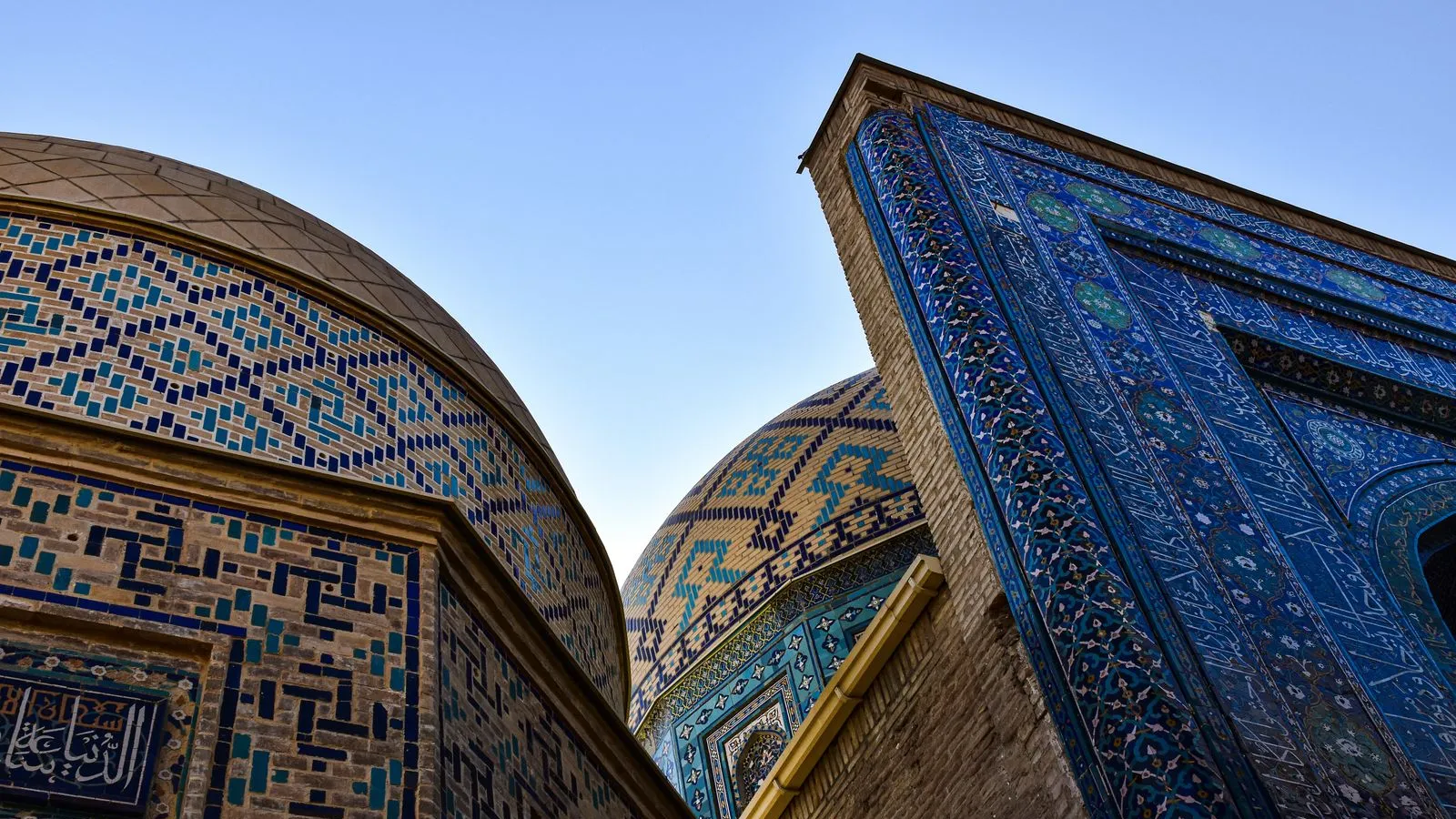
The country has spent the last few years opening up fast, and it shows. Tashkent, the capital, is the practical base: leafy, flat, safe to walk at night, with a metro, decent cafes, and a growing tech crowd around IT Park. Samarkand and Bukhara are the postcard cities, stunning Silk Road architecture, better for a long stay than a work base. The trade-offs are real. Russian and Uzbek do most of the daily work, English is patchy outside young professionals, winters in Tashkent are grey and cold, summers are punishing (40C plus), and paperwork still runs on stamps and in-person visits.
Budget-wise it is one of the cheapest capitals you will find. A comfortable single person can live well on roughly 700 to 1,100 US dollars a month including rent, less if you go local. That headroom is the real draw.
Cost of living in Uzbekistan
Numbers first, hedged as always. Per Numbeo, a single person’s comfortable monthly spend in Tashkent lands around 6.3 million som (roughly 500 US dollars) before rent, and a family of four sits near 1,830 US dollars before rent. Treat these as a starting sketch, not a quote.
Rent is where Tashkent shines. A one-bedroom in the city centre runs somewhere around 450 to 600 US dollars a month, and noticeably less outside the centre, closer to 300, according to Wise’s cost breakdown. Furnished flats aimed at foreigners cost more, and landlords often prefer cash and short leases, so budget a cushion.
Groceries are cheap if you shop like a local at bazaars such as Chorsu: milk, rice, eggs, seasonal fruit and vegetables, and famously good bread and melons. Eating out barely dents the budget, a proper plov or lagman lunch can cost a couple of dollars, and a sit-down dinner for two with drinks rarely climbs far. Imported goods and Western brands are the exception and get pricey. Verify current figures before you go, because the som moves and inflation has been real.
Uzbekistan IT visa and entry
Here is the honest version. Uzbekistan does not have a classic “digital nomad visa,” and several sites that claim otherwise are wrong. What it does have, and it is genuinely well suited to remote tech workers, is the IT Visa run through IT Park Uzbekistan.
The IT Visa is a multiple-entry visa valid for up to three years, extendable, and it can cover family members, as Fragomen and the Tashkent Times both describe. You apply for an IT Park recommendation through the official portal, and visas are typically issued within a few business days.
Eligibility is the catch, so read it carefully. It is aimed at IT specialists, founders, and investors, not any remote worker. As an IT specialist you generally need to show income from IT activity of at least the equivalent of 30,000 US dollars over the last 12 months. Founders and shareholders of an IT Park resident company are expected to hold a stake of at least 30,000 US dollars. A 2026 update confirmed the eligible categories, which also cover digital start-up teams and foreign university lecturers with an IT degree. If you are outside tech, this route likely is not open to you, and you would be looking at ordinary tourist entry (many nationalities get 30 days visa-free or a straightforward e-visa) plus a different long-stay path.
Not sure whether you clear the bar? Run your situation through our digital nomad visa checker before you book anything, and confirm the current rules on the official site, because this program is young and the details shift.
Tax residency and the 183 day rule
The famous 183-day rule is the old story here, and Uzbekistan has changed the script. From January 2026, the country moved away from the pure half-year count toward a much lower threshold, reportedly around 30 days of presence, combined with a “centre of vital interests” test, where renting or buying a home becomes the anchor, as IncFine and legalact.uz explain. In plain terms, spending real time and keeping a home there can make you a resident sooner than the classic 183 days would.
The rate is friendly: a flat 12 percent personal income tax for residents, per PwC’s tax summary. The headline for remote earners is a special regime introduced for 2026 that reportedly exempts foreign-source income from personal income tax, while income earned inside Uzbekistan stays taxable. That is potentially attractive, but it is new, the fine print matters, and none of this is advice. Your home country may still tax you, and tie-breaker treaty rules can override where you “feel” resident. Sketch your own picture with our tax residency checker, then pay a local accountant to confirm before you rely on a single figure.
Healthcare and insurance
Public healthcare exists and is cheap or free at the point of use for basics, but the quality is uneven and most foreigners do not lean on it. The practical path is private. In Tashkent, clinics like the Tashkent International Medical Clinic cater to foreigners with English-speaking staff, and there are solid private centres such as Horev Medical Center.
Private care is affordable by Western standards but adds up, and coverage is patchy for anything serious. The consistent advice from expat insurers like Pacific Prime is to arrive with an international health insurance policy that includes medical evacuation, since complex treatment often means flying to Turkey, the UAE, or India. Do not treat travel insurance as a substitute for a proper long-stay plan.
Money, banking and settling in
Cash and cards coexist. Uzbekistan runs its own domestic card networks, Uzcard and Humo, which you need for local apps, transport, and many shops, alongside Visa and Mastercard at bigger venues. Major banks such as Kapitalbank and KDB Bank can open accounts for non-residents, though you will usually need local registration (proof of where you are staying) before they issue a card, so sort your accommodation and registration first.
First-weeks checklist, from experience shared by other movers: keep some US dollars in clean, newer bills for exchange, register your stay properly (hotels do this automatically, private landlords sometimes forget), get a local SIM from Beeline, Ucell, or Uzmobile for cheap data, and download Yandex Go for taxis. Expect friction: international transfers can be slow, some foreign cards do not play nicely at ATMs, and English drops off fast at government offices, so a Russian or Uzbek speaker at your side is worth a lot. Go in patient and curious, and Uzbekistan rewards you.
Figures are estimates. Always check the official source.
Frequently asked questions
- Uzbekistan: is there a digital nomad visa?
- No dedicated digital nomad visa; most people use a standard residence permit instead.
- Uzbekistan: when do you become a tax resident?
- You are generally treated as a tax resident if present 183 days or more in any rolling 12-month period, and residents are taxed on worldwide income; a voluntary special regime from January 2026 can exempt foreign income but requires a large one-time fee, so confirm before relying on it.
- Uzbekistan: what is the cost of living?
- The cost of living is low and the local currency is the UZS. Treat any figures as estimates.
- Uzbekistan: do you need health insurance?
- Public facilities are basic, so foreigners typically use private clinics and should carry private or travel health insurance.
- Uzbekistan: can you drive on a foreign licence?
- An International Driving Permit alongside your home licence is recommended for renting or driving.
Terms worth knowing
Asia: more countries to explore
Put it to work
- Free
Digital-Nomad Visa Checker
See which digital-nomad visas you could actually get with your passport and income, ranked, with the binding reason per country.
→ - Free
Tax-Residency Reality Checker
Go beyond the 183-day myth: model the treaty tie-breaker and see whether two countries could both claim you as a tax resident.
→ - Free
Nomad Insurance Picker
Match SafetyWing, Genki, World Nomads and others to your situation, and see which policies satisfy specific visa proof requirements.
→ - Free
Banking & FX Picker
Find the right account stack to avoid fees and hold multiple currencies abroad, Wise, Revolut, N26, for your nationality and spending.
→