Countries
Kenya: visas, tax & cost of living
Thinking of working remotely from Kenya? Honest guide to the Class N digital nomad permit, Nairobi cost of living, tax residency, healthcare and banking.
United KingdomKenya
Your move to Kenya on a United Kingdom passport
- VisitFairly easyVisa on arrival, e-visa or travel authorization (ETA)
- NomadFairly easyNomad visa, stricter rules
- RelocateMediumResidence with conditions
Visiting
You need a travel authorization (an ETA) before you board. Apply online, pay the small fee, and keep the approval with your passport.
Passport validity: Passport valid for at least six months beyond your stay with at least one blank page.
At the border: Approved eTA (Electronic Travel Authorization) before you board, unless your nationality is exempt (for example Nigerian citizens, for stays up to 60 days, under the Seventeenth Schedule added by L.N. 93/2025), plus proof of onward or return travel, proof of accommodation, and a yellow fever certificate if arriving from an endemic country.
Working remotely
Class N Digital Nomad Permit.
Income needed: USD 55,000 a year of assured income from sources outside Kenya (Seventh Schedule, Class N) (estimate)
Duration: 12 months
Fee: USD 200 processing fee (non-refundable) plus USD 1,000 issuance fee per year (estimate)
Who qualifies: People employed by a company registered outside Kenya, shareholders or people doing business for a foreign company, and self-employed people whose clients are outside Kenya. You need proof of remote work, three months of bank statements or payslips, proof of accommodation, a police clearance certificate and a letter of no objection from your home country's embassy, and you must undertake not to work or earn income in any way for an employer or company based in Kenya. Issued for one or two years and renewable.
Tax and residency
Resident if you have a permanent home in Kenya and are there at any point in the year, or, with no permanent home, if you spend 183 days or more in Kenya in the year of income, or are present that year and each of the two previous years for periods averaging more than 122 days a year (Income Tax Act, s. 2). Kenya taxes income accrued in or derived from Kenya (s. 3(1)), but pay a resident earns for employment or services rendered in Kenya or abroad is deemed Kenyan (s. 5(1)(a)), and a resident's business carried on partly in Kenya is taxed in full (s. 4(a)), so once resident your remote earnings are in scope. (estimate)
The UK decides residence with its Statutory Residence Test (days in the UK plus your ties). As a non-resident you are usually taxed only on UK income; where one exists, a double-tax treaty with the destination decides who taxes what.
Practical
Currency: KES. Cost of living: mid.
Healthcare: Public hospitals are limited, so foreigners are strongly advised to carry private international health insurance and use private clinics in Nairobi or Mombasa.
Driving: You can drive on a foreign licence or International Driving Permit for up to about three months, after which a Kenyan licence is needed; an IDP is recommended if your licence is not in English.
Sources: Kenya Directorate of Immigration Services, eFNS information pack: Class N (Digital Nomads) permit, eligibility, documents, USD 200 + USD 1,000 per year · Kenya Citizenship and Immigration Regulations (L.N. 64/2012) as at 30 May 2025: Seventh Schedule Class N (USD 55,000), reg. 19(4) Class K (USD 24,000, retirees), Seventeenth Schedule eTA exemptions (L.N. 93/2025) · Kenya Revenue Authority, Income Tax Act Cap. 470, Revised 2021 (ss. 2, 3, 4, 5) · KRA Taxation of Foreign Income · Kenya eTA (official government portal) · AA Kenya Licensing (IDP) · GOV.UK: tax on foreign income · HMRC: double-taxation treaties
Estimates, not advice. Confirm with the official sources before you act.
United StatesKenya
Your move to Kenya on a United States passport
- VisitFairly easyVisa on arrival, e-visa or travel authorization (ETA)
- NomadFairly easyNomad visa, stricter rules
- RelocateMediumResidence with conditions
Visiting
You need a travel authorization (an ETA) before you board. Apply online, pay the small fee, and keep the approval with your passport.
Passport validity: Passport valid for at least six months beyond your stay with at least one blank page.
At the border: Approved eTA (Electronic Travel Authorization) before you board, unless your nationality is exempt (for example Nigerian citizens, for stays up to 60 days, under the Seventeenth Schedule added by L.N. 93/2025), plus proof of onward or return travel, proof of accommodation, and a yellow fever certificate if arriving from an endemic country.
Working remotely
Class N Digital Nomad Permit.
Income needed: USD 55,000 a year of assured income from sources outside Kenya (Seventh Schedule, Class N) (estimate)
Duration: 12 months
Fee: USD 200 processing fee (non-refundable) plus USD 1,000 issuance fee per year (estimate)
Who qualifies: People employed by a company registered outside Kenya, shareholders or people doing business for a foreign company, and self-employed people whose clients are outside Kenya. You need proof of remote work, three months of bank statements or payslips, proof of accommodation, a police clearance certificate and a letter of no objection from your home country's embassy, and you must undertake not to work or earn income in any way for an employer or company based in Kenya. Issued for one or two years and renewable.
Tax and residency
Resident if you have a permanent home in Kenya and are there at any point in the year, or, with no permanent home, if you spend 183 days or more in Kenya in the year of income, or are present that year and each of the two previous years for periods averaging more than 122 days a year (Income Tax Act, s. 2). Kenya taxes income accrued in or derived from Kenya (s. 3(1)), but pay a resident earns for employment or services rendered in Kenya or abroad is deemed Kenyan (s. 5(1)(a)), and a resident's business carried on partly in Kenya is taxed in full (s. 4(a)), so once resident your remote earnings are in scope. (estimate)
The US taxes its citizens on worldwide income wherever you live, so you keep filing US returns abroad. The Foreign Earned Income Exclusion and the foreign tax credit are what stop you being taxed twice.
Practical
Currency: KES. Cost of living: mid.
Healthcare: Public hospitals are limited, so foreigners are strongly advised to carry private international health insurance and use private clinics in Nairobi or Mombasa.
Driving: You can drive on a foreign licence or International Driving Permit for up to about three months, after which a Kenyan licence is needed; an IDP is recommended if your licence is not in English.
Sources: Kenya Directorate of Immigration Services, eFNS information pack: Class N (Digital Nomads) permit, eligibility, documents, USD 200 + USD 1,000 per year · Kenya Citizenship and Immigration Regulations (L.N. 64/2012) as at 30 May 2025: Seventh Schedule Class N (USD 55,000), reg. 19(4) Class K (USD 24,000, retirees), Seventeenth Schedule eTA exemptions (L.N. 93/2025) · Kenya Revenue Authority, Income Tax Act Cap. 470, Revised 2021 (ss. 2, 3, 4, 5) · KRA Taxation of Foreign Income · Kenya eTA (official government portal) · AA Kenya Licensing (IDP) · IRS: Foreign Earned Income Exclusion · IRS: tax treaties
Estimates, not advice. Confirm with the official sources before you act.
IndiaKenya
Your move to Kenya on a India passport
- VisitFairly easyVisa on arrival, e-visa or travel authorization (ETA)
- NomadFairly easyNomad visa, stricter rules
- RelocateMediumResidence with conditions
Visiting
You need a travel authorization (an ETA) before you board. Apply online, pay the small fee, and keep the approval with your passport.
Passport validity: Passport valid for at least six months beyond your stay with at least one blank page.
At the border: Approved eTA (Electronic Travel Authorization) before you board, unless your nationality is exempt (for example Nigerian citizens, for stays up to 60 days, under the Seventeenth Schedule added by L.N. 93/2025), plus proof of onward or return travel, proof of accommodation, and a yellow fever certificate if arriving from an endemic country.
Working remotely
Class N Digital Nomad Permit.
Income needed: USD 55,000 a year of assured income from sources outside Kenya (Seventh Schedule, Class N) (estimate)
Duration: 12 months
Fee: USD 200 processing fee (non-refundable) plus USD 1,000 issuance fee per year (estimate)
Who qualifies: People employed by a company registered outside Kenya, shareholders or people doing business for a foreign company, and self-employed people whose clients are outside Kenya. You need proof of remote work, three months of bank statements or payslips, proof of accommodation, a police clearance certificate and a letter of no objection from your home country's embassy, and you must undertake not to work or earn income in any way for an employer or company based in Kenya. Issued for one or two years and renewable.
Tax and residency
Resident if you have a permanent home in Kenya and are there at any point in the year, or, with no permanent home, if you spend 183 days or more in Kenya in the year of income, or are present that year and each of the two previous years for periods averaging more than 122 days a year (Income Tax Act, s. 2). Kenya taxes income accrued in or derived from Kenya (s. 3(1)), but pay a resident earns for employment or services rendered in Kenya or abroad is deemed Kenyan (s. 5(1)(a)), and a resident's business carried on partly in Kenya is taxed in full (s. 4(a)), so once resident your remote earnings are in scope. (estimate)
India taxes residents on worldwide income; your status depends on the days you spend in India (broadly 182 or more in the year). As a non-resident (NRI) you are taxed only on Indian-source income, and the relevant double-tax treaty allocates the rest.
Practical
Currency: KES. Cost of living: mid.
Healthcare: Public hospitals are limited, so foreigners are strongly advised to carry private international health insurance and use private clinics in Nairobi or Mombasa.
Driving: You can drive on a foreign licence or International Driving Permit for up to about three months, after which a Kenyan licence is needed; an IDP is recommended if your licence is not in English.
Sources: Kenya Directorate of Immigration Services, eFNS information pack: Class N (Digital Nomads) permit, eligibility, documents, USD 200 + USD 1,000 per year · Kenya Citizenship and Immigration Regulations (L.N. 64/2012) as at 30 May 2025: Seventh Schedule Class N (USD 55,000), reg. 19(4) Class K (USD 24,000, retirees), Seventeenth Schedule eTA exemptions (L.N. 93/2025) · Kenya Revenue Authority, Income Tax Act Cap. 470, Revised 2021 (ss. 2, 3, 4, 5) · KRA Taxation of Foreign Income · Kenya eTA (official government portal) · AA Kenya Licensing (IDP) · Income Tax Department, India · India: Double Taxation Avoidance Agreements
Estimates, not advice. Confirm with the official sources before you act.
GermanyKenya
Your move to Kenya on a Germany passport
- VisitFairly easyVisa on arrival, e-visa or travel authorization (ETA)
- NomadFairly easyNomad visa, stricter rules
- RelocateMediumResidence with conditions
Visiting
You need a travel authorization (an ETA) before you board. Apply online, pay the small fee, and keep the approval with your passport.
Passport validity: Passport valid for at least six months beyond your stay with at least one blank page.
At the border: Approved eTA (Electronic Travel Authorization) before you board, unless your nationality is exempt (for example Nigerian citizens, for stays up to 60 days, under the Seventeenth Schedule added by L.N. 93/2025), plus proof of onward or return travel, proof of accommodation, and a yellow fever certificate if arriving from an endemic country.
Working remotely
Class N Digital Nomad Permit.
Income needed: USD 55,000 a year of assured income from sources outside Kenya (Seventh Schedule, Class N) (estimate)
Duration: 12 months
Fee: USD 200 processing fee (non-refundable) plus USD 1,000 issuance fee per year (estimate)
Who qualifies: People employed by a company registered outside Kenya, shareholders or people doing business for a foreign company, and self-employed people whose clients are outside Kenya. You need proof of remote work, three months of bank statements or payslips, proof of accommodation, a police clearance certificate and a letter of no objection from your home country's embassy, and you must undertake not to work or earn income in any way for an employer or company based in Kenya. Issued for one or two years and renewable.
Tax and residency
Resident if you have a permanent home in Kenya and are there at any point in the year, or, with no permanent home, if you spend 183 days or more in Kenya in the year of income, or are present that year and each of the two previous years for periods averaging more than 122 days a year (Income Tax Act, s. 2). Kenya taxes income accrued in or derived from Kenya (s. 3(1)), but pay a resident earns for employment or services rendered in Kenya or abroad is deemed Kenyan (s. 5(1)(a)), and a resident's business carried on partly in Kenya is taxed in full (s. 4(a)), so once resident your remote earnings are in scope. (estimate)
Germany taxes residents on worldwide income; you become resident through a home available to you (Wohnsitz) or a habitual abode of more than six months. As a non-resident you are usually taxed only on German-source income, and where one exists a double-tax treaty with the destination decides who taxes what.
Practical
Currency: KES. Cost of living: mid.
Healthcare: Public hospitals are limited, so foreigners are strongly advised to carry private international health insurance and use private clinics in Nairobi or Mombasa.
Driving: You can drive on a foreign licence or International Driving Permit for up to about three months, after which a Kenyan licence is needed; an IDP is recommended if your licence is not in English.
Sources: Kenya Directorate of Immigration Services, eFNS information pack: Class N (Digital Nomads) permit, eligibility, documents, USD 200 + USD 1,000 per year · Kenya Citizenship and Immigration Regulations (L.N. 64/2012) as at 30 May 2025: Seventh Schedule Class N (USD 55,000), reg. 19(4) Class K (USD 24,000, retirees), Seventeenth Schedule eTA exemptions (L.N. 93/2025) · Kenya Revenue Authority, Income Tax Act Cap. 470, Revised 2021 (ss. 2, 3, 4, 5) · KRA Taxation of Foreign Income · Kenya eTA (official government portal) · AA Kenya Licensing (IDP) · Bundeszentralamt für Steuern (BZSt) · Germany: double-taxation agreements (BMF)
Estimates, not advice. Confirm with the official sources before you act.
FranceKenya
Your move to Kenya on a France passport
- VisitFairly easyVisa on arrival, e-visa or travel authorization (ETA)
- NomadFairly easyNomad visa, stricter rules
- RelocateMediumResidence with conditions
Visiting
You need a travel authorization (an ETA) before you board. Apply online, pay the small fee, and keep the approval with your passport.
Passport validity: Passport valid for at least six months beyond your stay with at least one blank page.
At the border: Approved eTA (Electronic Travel Authorization) before you board, unless your nationality is exempt (for example Nigerian citizens, for stays up to 60 days, under the Seventeenth Schedule added by L.N. 93/2025), plus proof of onward or return travel, proof of accommodation, and a yellow fever certificate if arriving from an endemic country.
Working remotely
Class N Digital Nomad Permit.
Income needed: USD 55,000 a year of assured income from sources outside Kenya (Seventh Schedule, Class N) (estimate)
Duration: 12 months
Fee: USD 200 processing fee (non-refundable) plus USD 1,000 issuance fee per year (estimate)
Who qualifies: People employed by a company registered outside Kenya, shareholders or people doing business for a foreign company, and self-employed people whose clients are outside Kenya. You need proof of remote work, three months of bank statements or payslips, proof of accommodation, a police clearance certificate and a letter of no objection from your home country's embassy, and you must undertake not to work or earn income in any way for an employer or company based in Kenya. Issued for one or two years and renewable.
Tax and residency
Resident if you have a permanent home in Kenya and are there at any point in the year, or, with no permanent home, if you spend 183 days or more in Kenya in the year of income, or are present that year and each of the two previous years for periods averaging more than 122 days a year (Income Tax Act, s. 2). Kenya taxes income accrued in or derived from Kenya (s. 3(1)), but pay a resident earns for employment or services rendered in Kenya or abroad is deemed Kenyan (s. 5(1)(a)), and a resident's business carried on partly in Kenya is taxed in full (s. 4(a)), so once resident your remote earnings are in scope. (estimate)
France taxes you on your worldwide income if your tax home (domicile fiscal) stays there, broadly when your household, main home, main job or main economic interests are in France, so moving abroad alone may not end it. Once you genuinely settle elsewhere you are usually taxed only on French-source income, and tax treaties typically prevent paying twice through an exemption or a foreign tax credit, but treat any figures as estimates and check your situation.
Practical
Currency: KES. Cost of living: mid.
Healthcare: Public hospitals are limited, so foreigners are strongly advised to carry private international health insurance and use private clinics in Nairobi or Mombasa.
Driving: You can drive on a foreign licence or International Driving Permit for up to about three months, after which a Kenyan licence is needed; an IDP is recommended if your licence is not in English.
Sources: Kenya Directorate of Immigration Services, eFNS information pack: Class N (Digital Nomads) permit, eligibility, documents, USD 200 + USD 1,000 per year · Kenya Citizenship and Immigration Regulations (L.N. 64/2012) as at 30 May 2025: Seventh Schedule Class N (USD 55,000), reg. 19(4) Class K (USD 24,000, retirees), Seventeenth Schedule eTA exemptions (L.N. 93/2025) · Kenya Revenue Authority, Income Tax Act Cap. 470, Revised 2021 (ss. 2, 3, 4, 5) · KRA Taxation of Foreign Income · Kenya eTA (official government portal) · AA Kenya Licensing (IDP) · impots.gouv.fr - Résidents de France · impots.gouv.fr - Les conventions internationales
Estimates, not advice. Confirm with the official sources before you act.
SpainKenya
Your move to Kenya on a Spain passport
- VisitFairly easyVisa on arrival, e-visa or travel authorization (ETA)
- NomadFairly easyNomad visa, stricter rules
- RelocateMediumResidence with conditions
Visiting
You need a travel authorization (an ETA) before you board. Apply online, pay the small fee, and keep the approval with your passport.
Passport validity: Passport valid for at least six months beyond your stay with at least one blank page.
At the border: Approved eTA (Electronic Travel Authorization) before you board, unless your nationality is exempt (for example Nigerian citizens, for stays up to 60 days, under the Seventeenth Schedule added by L.N. 93/2025), plus proof of onward or return travel, proof of accommodation, and a yellow fever certificate if arriving from an endemic country.
Working remotely
Class N Digital Nomad Permit.
Income needed: USD 55,000 a year of assured income from sources outside Kenya (Seventh Schedule, Class N) (estimate)
Duration: 12 months
Fee: USD 200 processing fee (non-refundable) plus USD 1,000 issuance fee per year (estimate)
Who qualifies: People employed by a company registered outside Kenya, shareholders or people doing business for a foreign company, and self-employed people whose clients are outside Kenya. You need proof of remote work, three months of bank statements or payslips, proof of accommodation, a police clearance certificate and a letter of no objection from your home country's embassy, and you must undertake not to work or earn income in any way for an employer or company based in Kenya. Issued for one or two years and renewable.
Tax and residency
Resident if you have a permanent home in Kenya and are there at any point in the year, or, with no permanent home, if you spend 183 days or more in Kenya in the year of income, or are present that year and each of the two previous years for periods averaging more than 122 days a year (Income Tax Act, s. 2). Kenya taxes income accrued in or derived from Kenya (s. 3(1)), but pay a resident earns for employment or services rendered in Kenya or abroad is deemed Kenyan (s. 5(1)(a)), and a resident's business carried on partly in Kenya is taxed in full (s. 4(a)), so once resident your remote earnings are in scope. (estimate)
If Spain still counts as your tax home (roughly 183+ days in the country in a year, or your main base of life and income sits there), Spain taxes your worldwide income at IRPF rates, so what you earn abroad usually counts too. The sting is softened by double-tax treaties and a foreign-tax credit, plus the Article 7.p exemption that can shelter work done abroad up to around 60,100 euros a year, but treat every figure as an estimate and check your own case before you file.
Practical
Currency: KES. Cost of living: mid.
Healthcare: Public hospitals are limited, so foreigners are strongly advised to carry private international health insurance and use private clinics in Nairobi or Mombasa.
Driving: You can drive on a foreign licence or International Driving Permit for up to about three months, after which a Kenyan licence is needed; an IDP is recommended if your licence is not in English.
Sources: Kenya Directorate of Immigration Services, eFNS information pack: Class N (Digital Nomads) permit, eligibility, documents, USD 200 + USD 1,000 per year · Kenya Citizenship and Immigration Regulations (L.N. 64/2012) as at 30 May 2025: Seventh Schedule Class N (USD 55,000), reg. 19(4) Class K (USD 24,000, retirees), Seventeenth Schedule eTA exemptions (L.N. 93/2025) · Kenya Revenue Authority, Income Tax Act Cap. 470, Revised 2021 (ss. 2, 3, 4, 5) · KRA Taxation of Foreign Income · Kenya eTA (official government portal) · AA Kenya Licensing (IDP) · Agencia Tributaria: persona física residente en España · Agencia Tributaria: obtención de rentas extranjeras, reglas generales
Estimates, not advice. Confirm with the official sources before you act.
ItalyKenya
Your move to Kenya on a Italy passport
- VisitFairly easyVisa on arrival, e-visa or travel authorization (ETA)
- NomadFairly easyNomad visa, stricter rules
- RelocateMediumResidence with conditions
Visiting
You need a travel authorization (an ETA) before you board. Apply online, pay the small fee, and keep the approval with your passport.
Passport validity: Passport valid for at least six months beyond your stay with at least one blank page.
At the border: Approved eTA (Electronic Travel Authorization) before you board, unless your nationality is exempt (for example Nigerian citizens, for stays up to 60 days, under the Seventeenth Schedule added by L.N. 93/2025), plus proof of onward or return travel, proof of accommodation, and a yellow fever certificate if arriving from an endemic country.
Working remotely
Class N Digital Nomad Permit.
Income needed: USD 55,000 a year of assured income from sources outside Kenya (Seventh Schedule, Class N) (estimate)
Duration: 12 months
Fee: USD 200 processing fee (non-refundable) plus USD 1,000 issuance fee per year (estimate)
Who qualifies: People employed by a company registered outside Kenya, shareholders or people doing business for a foreign company, and self-employed people whose clients are outside Kenya. You need proof of remote work, three months of bank statements or payslips, proof of accommodation, a police clearance certificate and a letter of no objection from your home country's embassy, and you must undertake not to work or earn income in any way for an employer or company based in Kenya. Issued for one or two years and renewable.
Tax and residency
Resident if you have a permanent home in Kenya and are there at any point in the year, or, with no permanent home, if you spend 183 days or more in Kenya in the year of income, or are present that year and each of the two previous years for periods averaging more than 122 days a year (Income Tax Act, s. 2). Kenya taxes income accrued in or derived from Kenya (s. 3(1)), but pay a resident earns for employment or services rendered in Kenya or abroad is deemed Kenyan (s. 5(1)(a)), and a resident's business carried on partly in Kenya is taxed in full (s. 4(a)), so once resident your remote earnings are in scope. (estimate)
Italy generally treats you as a tax resident if for most of the year (roughly 183 days or more) your home, family or registration ties are here, and residents are taxed on worldwide income wherever they live. The relief is usually a foreign tax credit for tax already paid abroad, often shaped by Italy's double-taxation treaties, so the same income should not be taxed twice.
Practical
Currency: KES. Cost of living: mid.
Healthcare: Public hospitals are limited, so foreigners are strongly advised to carry private international health insurance and use private clinics in Nairobi or Mombasa.
Driving: You can drive on a foreign licence or International Driving Permit for up to about three months, after which a Kenyan licence is needed; an IDP is recommended if your licence is not in English.
Sources: Kenya Directorate of Immigration Services, eFNS information pack: Class N (Digital Nomads) permit, eligibility, documents, USD 200 + USD 1,000 per year · Kenya Citizenship and Immigration Regulations (L.N. 64/2012) as at 30 May 2025: Seventh Schedule Class N (USD 55,000), reg. 19(4) Class K (USD 24,000, retirees), Seventeenth Schedule eTA exemptions (L.N. 93/2025) · Kenya Revenue Authority, Income Tax Act Cap. 470, Revised 2021 (ss. 2, 3, 4, 5) · KRA Taxation of Foreign Income · Kenya eTA (official government portal) · AA Kenya Licensing (IDP) · Agenzia delle Entrate, Residence for tax purposes · Agenzia delle Entrate, Bilateral agreements to prevent double taxation
Estimates, not advice. Confirm with the official sources before you act.
CanadaKenya
Your move to Kenya on a Canada passport
- VisitFairly easyVisa on arrival, e-visa or travel authorization (ETA)
- NomadFairly easyNomad visa, stricter rules
- RelocateMediumResidence with conditions
Visiting
You need a travel authorization (an ETA) before you board. Apply online, pay the small fee, and keep the approval with your passport.
Passport validity: Passport valid for at least six months beyond your stay with at least one blank page.
At the border: Approved eTA (Electronic Travel Authorization) before you board, unless your nationality is exempt (for example Nigerian citizens, for stays up to 60 days, under the Seventeenth Schedule added by L.N. 93/2025), plus proof of onward or return travel, proof of accommodation, and a yellow fever certificate if arriving from an endemic country.
Working remotely
Class N Digital Nomad Permit.
Income needed: USD 55,000 a year of assured income from sources outside Kenya (Seventh Schedule, Class N) (estimate)
Duration: 12 months
Fee: USD 200 processing fee (non-refundable) plus USD 1,000 issuance fee per year (estimate)
Who qualifies: People employed by a company registered outside Kenya, shareholders or people doing business for a foreign company, and self-employed people whose clients are outside Kenya. You need proof of remote work, three months of bank statements or payslips, proof of accommodation, a police clearance certificate and a letter of no objection from your home country's embassy, and you must undertake not to work or earn income in any way for an employer or company based in Kenya. Issued for one or two years and renewable.
Tax and residency
Resident if you have a permanent home in Kenya and are there at any point in the year, or, with no permanent home, if you spend 183 days or more in Kenya in the year of income, or are present that year and each of the two previous years for periods averaging more than 122 days a year (Income Tax Act, s. 2). Kenya taxes income accrued in or derived from Kenya (s. 3(1)), but pay a resident earns for employment or services rendered in Kenya or abroad is deemed Kenyan (s. 5(1)(a)), and a resident's business carried on partly in Kenya is taxed in full (s. 4(a)), so once resident your remote earnings are in scope. (estimate)
Canada taxes you on residency, not on holding the passport, so as long as the CRA still treats you as a resident (kept home, family or strong ties) you generally owe Canadian tax on your worldwide income. The relief is usually a foreign tax credit for tax you already paid abroad, often topped up by a tax treaty, though the exact amounts are only estimates until you check your own case.
Practical
Currency: KES. Cost of living: mid.
Healthcare: Public hospitals are limited, so foreigners are strongly advised to carry private international health insurance and use private clinics in Nairobi or Mombasa.
Driving: You can drive on a foreign licence or International Driving Permit for up to about three months, after which a Kenyan licence is needed; an IDP is recommended if your licence is not in English.
Sources: Kenya Directorate of Immigration Services, eFNS information pack: Class N (Digital Nomads) permit, eligibility, documents, USD 200 + USD 1,000 per year · Kenya Citizenship and Immigration Regulations (L.N. 64/2012) as at 30 May 2025: Seventh Schedule Class N (USD 55,000), reg. 19(4) Class K (USD 24,000, retirees), Seventeenth Schedule eTA exemptions (L.N. 93/2025) · Kenya Revenue Authority, Income Tax Act Cap. 470, Revised 2021 (ss. 2, 3, 4, 5) · KRA Taxation of Foreign Income · Kenya eTA (official government portal) · AA Kenya Licensing (IDP) · Canada Revenue Agency, Determining your residency status · Department of Finance Canada, Tax treaties in force
Estimates, not advice. Confirm with the official sources before you act.
AustraliaKenya
Your move to Kenya on a Australia passport
- VisitFairly easyVisa on arrival, e-visa or travel authorization (ETA)
- NomadFairly easyNomad visa, stricter rules
- RelocateMediumResidence with conditions
Visiting
You need a travel authorization (an ETA) before you board. Apply online, pay the small fee, and keep the approval with your passport.
Passport validity: Passport valid for at least six months beyond your stay with at least one blank page.
At the border: Approved eTA (Electronic Travel Authorization) before you board, unless your nationality is exempt (for example Nigerian citizens, for stays up to 60 days, under the Seventeenth Schedule added by L.N. 93/2025), plus proof of onward or return travel, proof of accommodation, and a yellow fever certificate if arriving from an endemic country.
Working remotely
Class N Digital Nomad Permit.
Income needed: USD 55,000 a year of assured income from sources outside Kenya (Seventh Schedule, Class N) (estimate)
Duration: 12 months
Fee: USD 200 processing fee (non-refundable) plus USD 1,000 issuance fee per year (estimate)
Who qualifies: People employed by a company registered outside Kenya, shareholders or people doing business for a foreign company, and self-employed people whose clients are outside Kenya. You need proof of remote work, three months of bank statements or payslips, proof of accommodation, a police clearance certificate and a letter of no objection from your home country's embassy, and you must undertake not to work or earn income in any way for an employer or company based in Kenya. Issued for one or two years and renewable.
Tax and residency
Resident if you have a permanent home in Kenya and are there at any point in the year, or, with no permanent home, if you spend 183 days or more in Kenya in the year of income, or are present that year and each of the two previous years for periods averaging more than 122 days a year (Income Tax Act, s. 2). Kenya taxes income accrued in or derived from Kenya (s. 3(1)), but pay a resident earns for employment or services rendered in Kenya or abroad is deemed Kenyan (s. 5(1)(a)), and a resident's business carried on partly in Kenya is taxed in full (s. 4(a)), so once resident your remote earnings are in scope. (estimate)
If you stay an Australian resident for tax purposes, Australia generally taxes your worldwide income wherever you live, with residency turned on the moment your real home and ties are here (a continuous stay of roughly 6 months can be enough). To soften double tax, you can usually claim a Foreign Income Tax Offset for tax already paid abroad, capped at the Australian tax on that income, and treaties may help too, so treat these figures as estimates and check your own case.
Practical
Currency: KES. Cost of living: mid.
Healthcare: Public hospitals are limited, so foreigners are strongly advised to carry private international health insurance and use private clinics in Nairobi or Mombasa.
Driving: You can drive on a foreign licence or International Driving Permit for up to about three months, after which a Kenyan licence is needed; an IDP is recommended if your licence is not in English.
Sources: Kenya Directorate of Immigration Services, eFNS information pack: Class N (Digital Nomads) permit, eligibility, documents, USD 200 + USD 1,000 per year · Kenya Citizenship and Immigration Regulations (L.N. 64/2012) as at 30 May 2025: Seventh Schedule Class N (USD 55,000), reg. 19(4) Class K (USD 24,000, retirees), Seventeenth Schedule eTA exemptions (L.N. 93/2025) · Kenya Revenue Authority, Income Tax Act Cap. 470, Revised 2021 (ss. 2, 3, 4, 5) · KRA Taxation of Foreign Income · Kenya eTA (official government portal) · AA Kenya Licensing (IDP) · Australian Taxation Office, Australian resident for tax purposes · Australian Taxation Office, International tax agreements (tax treaties)
Estimates, not advice. Confirm with the official sources before you act.
BrazilKenya
Your move to Kenya on a Brazil passport
- VisitFairly easyVisa on arrival, e-visa or travel authorization (ETA)
- NomadFairly easyNomad visa, stricter rules
- RelocateMediumResidence with conditions
Visiting
You need a travel authorization (an ETA) before you board. Apply online, pay the small fee, and keep the approval with your passport.
Passport validity: Passport valid for at least six months beyond your stay with at least one blank page.
At the border: Approved eTA (Electronic Travel Authorization) before you board, unless your nationality is exempt (for example Nigerian citizens, for stays up to 60 days, under the Seventeenth Schedule added by L.N. 93/2025), plus proof of onward or return travel, proof of accommodation, and a yellow fever certificate if arriving from an endemic country.
Working remotely
Class N Digital Nomad Permit.
Income needed: USD 55,000 a year of assured income from sources outside Kenya (Seventh Schedule, Class N) (estimate)
Duration: 12 months
Fee: USD 200 processing fee (non-refundable) plus USD 1,000 issuance fee per year (estimate)
Who qualifies: People employed by a company registered outside Kenya, shareholders or people doing business for a foreign company, and self-employed people whose clients are outside Kenya. You need proof of remote work, three months of bank statements or payslips, proof of accommodation, a police clearance certificate and a letter of no objection from your home country's embassy, and you must undertake not to work or earn income in any way for an employer or company based in Kenya. Issued for one or two years and renewable.
Tax and residency
Resident if you have a permanent home in Kenya and are there at any point in the year, or, with no permanent home, if you spend 183 days or more in Kenya in the year of income, or are present that year and each of the two previous years for periods averaging more than 122 days a year (Income Tax Act, s. 2). Kenya taxes income accrued in or derived from Kenya (s. 3(1)), but pay a resident earns for employment or services rendered in Kenya or abroad is deemed Kenyan (s. 5(1)(a)), and a resident's business carried on partly in Kenya is taxed in full (s. 4(a)), so once resident your remote earnings are in scope. (estimate)
If Brazil still counts you as tax-resident, usually triggered by a permanent visa, a temporary visa plus a job, or roughly 183 days in the country within any 12 months, the Receita Federal taxes your worldwide income, so you keep filing the annual return wherever you live. The relief is real but partial: tax paid abroad can normally be credited against what you owe in Brazil under a treaty or recognised reciprocity, so most people are not taxed twice on the same income.
Practical
Currency: KES. Cost of living: mid.
Healthcare: Public hospitals are limited, so foreigners are strongly advised to carry private international health insurance and use private clinics in Nairobi or Mombasa.
Driving: You can drive on a foreign licence or International Driving Permit for up to about three months, after which a Kenyan licence is needed; an IDP is recommended if your licence is not in English.
Sources: Kenya Directorate of Immigration Services, eFNS information pack: Class N (Digital Nomads) permit, eligibility, documents, USD 200 + USD 1,000 per year · Kenya Citizenship and Immigration Regulations (L.N. 64/2012) as at 30 May 2025: Seventh Schedule Class N (USD 55,000), reg. 19(4) Class K (USD 24,000, retirees), Seventeenth Schedule eTA exemptions (L.N. 93/2025) · Kenya Revenue Authority, Income Tax Act Cap. 470, Revised 2021 (ss. 2, 3, 4, 5) · KRA Taxation of Foreign Income · Kenya eTA (official government portal) · AA Kenya Licensing (IDP) · Receita Federal, Acordos para evitar a dupla tributação · Receita Federal, Imposto sobre a Renda da Pessoa Física (IRPF)
Estimates, not advice. Confirm with the official sources before you act.
MexicoKenya
Your move to Kenya on a Mexico passport
- VisitFairly easyVisa on arrival, e-visa or travel authorization (ETA)
- NomadFairly easyNomad visa, stricter rules
- RelocateMediumResidence with conditions
Visiting
You need a travel authorization (an ETA) before you board. Apply online, pay the small fee, and keep the approval with your passport.
Passport validity: Passport valid for at least six months beyond your stay with at least one blank page.
At the border: Approved eTA (Electronic Travel Authorization) before you board, unless your nationality is exempt (for example Nigerian citizens, for stays up to 60 days, under the Seventeenth Schedule added by L.N. 93/2025), plus proof of onward or return travel, proof of accommodation, and a yellow fever certificate if arriving from an endemic country.
Working remotely
Class N Digital Nomad Permit.
Income needed: USD 55,000 a year of assured income from sources outside Kenya (Seventh Schedule, Class N) (estimate)
Duration: 12 months
Fee: USD 200 processing fee (non-refundable) plus USD 1,000 issuance fee per year (estimate)
Who qualifies: People employed by a company registered outside Kenya, shareholders or people doing business for a foreign company, and self-employed people whose clients are outside Kenya. You need proof of remote work, three months of bank statements or payslips, proof of accommodation, a police clearance certificate and a letter of no objection from your home country's embassy, and you must undertake not to work or earn income in any way for an employer or company based in Kenya. Issued for one or two years and renewable.
Tax and residency
Resident if you have a permanent home in Kenya and are there at any point in the year, or, with no permanent home, if you spend 183 days or more in Kenya in the year of income, or are present that year and each of the two previous years for periods averaging more than 122 days a year (Income Tax Act, s. 2). Kenya taxes income accrued in or derived from Kenya (s. 3(1)), but pay a resident earns for employment or services rendered in Kenya or abroad is deemed Kenyan (s. 5(1)(a)), and a resident's business carried on partly in Kenya is taxed in full (s. 4(a)), so once resident your remote earnings are in scope. (estimate)
Mexico taxes you on your worldwide income once you count as a tax resident, which usually means your main home or your center of life is here (very roughly, spending more than about 183 days a year can tip the balance). The good news is the SAT lets you credit foreign income tax you already paid, and Mexico's double-taxation treaties mean the same money should not normally be taxed twice.
Practical
Currency: KES. Cost of living: mid.
Healthcare: Public hospitals are limited, so foreigners are strongly advised to carry private international health insurance and use private clinics in Nairobi or Mombasa.
Driving: You can drive on a foreign licence or International Driving Permit for up to about three months, after which a Kenyan licence is needed; an IDP is recommended if your licence is not in English.
Sources: Kenya Directorate of Immigration Services, eFNS information pack: Class N (Digital Nomads) permit, eligibility, documents, USD 200 + USD 1,000 per year · Kenya Citizenship and Immigration Regulations (L.N. 64/2012) as at 30 May 2025: Seventh Schedule Class N (USD 55,000), reg. 19(4) Class K (USD 24,000, retirees), Seventeenth Schedule eTA exemptions (L.N. 93/2025) · Kenya Revenue Authority, Income Tax Act Cap. 470, Revised 2021 (ss. 2, 3, 4, 5) · KRA Taxation of Foreign Income · Kenya eTA (official government portal) · AA Kenya Licensing (IDP) · SAT - Servicio de Administración Tributaria · SAT - Tratados en Materia Fiscal (para evitar la doble tributación)
Estimates, not advice. Confirm with the official sources before you act.
PhilippinesKenya
Your move to Kenya on a Philippines passport
- VisitFairly easyVisa on arrival, e-visa or travel authorization (ETA)
- NomadFairly easyNomad visa, stricter rules
- RelocateMediumResidence with conditions
Visiting
You need a travel authorization (an ETA) before you board. Apply online, pay the small fee, and keep the approval with your passport.
Passport validity: Passport valid for at least six months beyond your stay with at least one blank page.
At the border: Approved eTA (Electronic Travel Authorization) before you board, unless your nationality is exempt (for example Nigerian citizens, for stays up to 60 days, under the Seventeenth Schedule added by L.N. 93/2025), plus proof of onward or return travel, proof of accommodation, and a yellow fever certificate if arriving from an endemic country.
Working remotely
Class N Digital Nomad Permit.
Income needed: USD 55,000 a year of assured income from sources outside Kenya (Seventh Schedule, Class N) (estimate)
Duration: 12 months
Fee: USD 200 processing fee (non-refundable) plus USD 1,000 issuance fee per year (estimate)
Who qualifies: People employed by a company registered outside Kenya, shareholders or people doing business for a foreign company, and self-employed people whose clients are outside Kenya. You need proof of remote work, three months of bank statements or payslips, proof of accommodation, a police clearance certificate and a letter of no objection from your home country's embassy, and you must undertake not to work or earn income in any way for an employer or company based in Kenya. Issued for one or two years and renewable.
Tax and residency
Resident if you have a permanent home in Kenya and are there at any point in the year, or, with no permanent home, if you spend 183 days or more in Kenya in the year of income, or are present that year and each of the two previous years for periods averaging more than 122 days a year (Income Tax Act, s. 2). Kenya taxes income accrued in or derived from Kenya (s. 3(1)), but pay a resident earns for employment or services rendered in Kenya or abroad is deemed Kenyan (s. 5(1)(a)), and a resident's business carried on partly in Kenya is taxed in full (s. 4(a)), so once resident your remote earnings are in scope. (estimate)
If you stay a resident citizen, the Philippines taxes your worldwide income, but once you genuinely live and work abroad you usually count as a non-resident citizen and are taxed only on income from Philippine sources. The exact line depends on how long you are out and your ties back home, so treat these as estimates, and a foreign tax credit can offset tax already paid abroad.
Practical
Currency: KES. Cost of living: mid.
Healthcare: Public hospitals are limited, so foreigners are strongly advised to carry private international health insurance and use private clinics in Nairobi or Mombasa.
Driving: You can drive on a foreign licence or International Driving Permit for up to about three months, after which a Kenyan licence is needed; an IDP is recommended if your licence is not in English.
Sources: Kenya Directorate of Immigration Services, eFNS information pack: Class N (Digital Nomads) permit, eligibility, documents, USD 200 + USD 1,000 per year · Kenya Citizenship and Immigration Regulations (L.N. 64/2012) as at 30 May 2025: Seventh Schedule Class N (USD 55,000), reg. 19(4) Class K (USD 24,000, retirees), Seventeenth Schedule eTA exemptions (L.N. 93/2025) · Kenya Revenue Authority, Income Tax Act Cap. 470, Revised 2021 (ss. 2, 3, 4, 5) · KRA Taxation of Foreign Income · Kenya eTA (official government portal) · AA Kenya Licensing (IDP) · BIR - Taxation of Foreign Source Income · BIR - Taxation of Non-Residents
Estimates, not advice. Confirm with the official sources before you act.
NigeriaKenya
Your move to Kenya on a Nigeria passport
- VisitEasyVisa-free entry
- NomadFairly easyNomad visa, stricter rules
- RelocateMediumResidence with conditions
Visiting
Visa-free for up to 60 days. Travel on a passport valid for your whole stay, with a return or onward ticket and proof you can support yourself.
Passport validity: Passport valid for at least six months beyond your stay with at least one blank page.
At the border: Approved eTA (Electronic Travel Authorization) before you board, unless your nationality is exempt (for example Nigerian citizens, for stays up to 60 days, under the Seventeenth Schedule added by L.N. 93/2025), plus proof of onward or return travel, proof of accommodation, and a yellow fever certificate if arriving from an endemic country.
Working remotely
Class N Digital Nomad Permit.
Income needed: USD 55,000 a year of assured income from sources outside Kenya (Seventh Schedule, Class N) (estimate)
Duration: 12 months
Fee: USD 200 processing fee (non-refundable) plus USD 1,000 issuance fee per year (estimate)
Who qualifies: People employed by a company registered outside Kenya, shareholders or people doing business for a foreign company, and self-employed people whose clients are outside Kenya. You need proof of remote work, three months of bank statements or payslips, proof of accommodation, a police clearance certificate and a letter of no objection from your home country's embassy, and you must undertake not to work or earn income in any way for an employer or company based in Kenya. Issued for one or two years and renewable.
Tax and residency
Resident if you have a permanent home in Kenya and are there at any point in the year, or, with no permanent home, if you spend 183 days or more in Kenya in the year of income, or are present that year and each of the two previous years for periods averaging more than 122 days a year (Income Tax Act, s. 2). Kenya taxes income accrued in or derived from Kenya (s. 3(1)), but pay a resident earns for employment or services rendered in Kenya or abroad is deemed Kenyan (s. 5(1)(a)), and a resident's business carried on partly in Kenya is taxed in full (s. 4(a)), so once resident your remote earnings are in scope. (estimate)
If Nigeria still counts you as resident, roughly 183 or more days in the country in a year, or you keep a home, habitual abode or close family and economic ties there, you are generally taxed on your worldwide income, not just what you earn in Nigeria. There is usually a foreign tax credit, and Nigeria's tax treaties, so tax you already paid abroad can typically be set against your Nigerian bill, but treat these figures as estimates and check the current rules before you file.
Practical
Currency: KES. Cost of living: mid.
Healthcare: Public hospitals are limited, so foreigners are strongly advised to carry private international health insurance and use private clinics in Nairobi or Mombasa.
Driving: You can drive on a foreign licence or International Driving Permit for up to about three months, after which a Kenyan licence is needed; an IDP is recommended if your licence is not in English.
Sources: Kenya Directorate of Immigration Services, eFNS information pack: Class N (Digital Nomads) permit, eligibility, documents, USD 200 + USD 1,000 per year · Kenya Citizenship and Immigration Regulations (L.N. 64/2012) as at 30 May 2025: Seventh Schedule Class N (USD 55,000), reg. 19(4) Class K (USD 24,000, retirees), Seventeenth Schedule eTA exemptions (L.N. 93/2025) · Kenya Revenue Authority, Income Tax Act Cap. 470, Revised 2021 (ss. 2, 3, 4, 5) · KRA Taxation of Foreign Income · Kenya eTA (official government portal) · AA Kenya Licensing (IDP) · Federal Inland Revenue Service (FIRS) · FIRS - Tax Treaties and Related Matters
Estimates, not advice. Confirm with the official sources before you act.
VietnamKenya
Your move to Kenya on a Vietnam passport
- VisitFairly easyVisa on arrival, e-visa or travel authorization (ETA)
- NomadFairly easyNomad visa, stricter rules
- RelocateMediumResidence with conditions
Visiting
You need a travel authorization (an ETA) before you board. Apply online, pay the small fee, and keep the approval with your passport.
Passport validity: Passport valid for at least six months beyond your stay with at least one blank page.
At the border: Approved eTA (Electronic Travel Authorization) before you board, unless your nationality is exempt (for example Nigerian citizens, for stays up to 60 days, under the Seventeenth Schedule added by L.N. 93/2025), plus proof of onward or return travel, proof of accommodation, and a yellow fever certificate if arriving from an endemic country.
Working remotely
Class N Digital Nomad Permit.
Income needed: USD 55,000 a year of assured income from sources outside Kenya (Seventh Schedule, Class N) (estimate)
Duration: 12 months
Fee: USD 200 processing fee (non-refundable) plus USD 1,000 issuance fee per year (estimate)
Who qualifies: People employed by a company registered outside Kenya, shareholders or people doing business for a foreign company, and self-employed people whose clients are outside Kenya. You need proof of remote work, three months of bank statements or payslips, proof of accommodation, a police clearance certificate and a letter of no objection from your home country's embassy, and you must undertake not to work or earn income in any way for an employer or company based in Kenya. Issued for one or two years and renewable.
Tax and residency
Resident if you have a permanent home in Kenya and are there at any point in the year, or, with no permanent home, if you spend 183 days or more in Kenya in the year of income, or are present that year and each of the two previous years for periods averaging more than 122 days a year (Income Tax Act, s. 2). Kenya taxes income accrued in or derived from Kenya (s. 3(1)), but pay a resident earns for employment or services rendered in Kenya or abroad is deemed Kenyan (s. 5(1)(a)), and a resident's business carried on partly in Kenya is taxed in full (s. 4(a)), so once resident your remote earnings are in scope. (estimate)
Vietnam treats you as a tax resident once you spend roughly 183 days there in a calendar year (or any rolling 12 months) or keep a permanent home, and residents are taxed on worldwide income at progressive rates of around 5% to 35%; there is no foreign-earned-income exclusion, but Vietnam's tax treaties and a foreign tax credit usually stop the same income being taxed twice.
Practical
Currency: KES. Cost of living: mid.
Healthcare: Public hospitals are limited, so foreigners are strongly advised to carry private international health insurance and use private clinics in Nairobi or Mombasa.
Driving: You can drive on a foreign licence or International Driving Permit for up to about three months, after which a Kenyan licence is needed; an IDP is recommended if your licence is not in English.
Sources: Kenya Directorate of Immigration Services, eFNS information pack: Class N (Digital Nomads) permit, eligibility, documents, USD 200 + USD 1,000 per year · Kenya Citizenship and Immigration Regulations (L.N. 64/2012) as at 30 May 2025: Seventh Schedule Class N (USD 55,000), reg. 19(4) Class K (USD 24,000, retirees), Seventeenth Schedule eTA exemptions (L.N. 93/2025) · Kenya Revenue Authority, Income Tax Act Cap. 470, Revised 2021 (ss. 2, 3, 4, 5) · KRA Taxation of Foreign Income · Kenya eTA (official government portal) · AA Kenya Licensing (IDP) · General Department of Taxation (Tổng cục Thuế) · GDT - Agreements for Avoidance of Double Taxation
Estimates, not advice. Confirm with the official sources before you act.
Should you move to Kenya?
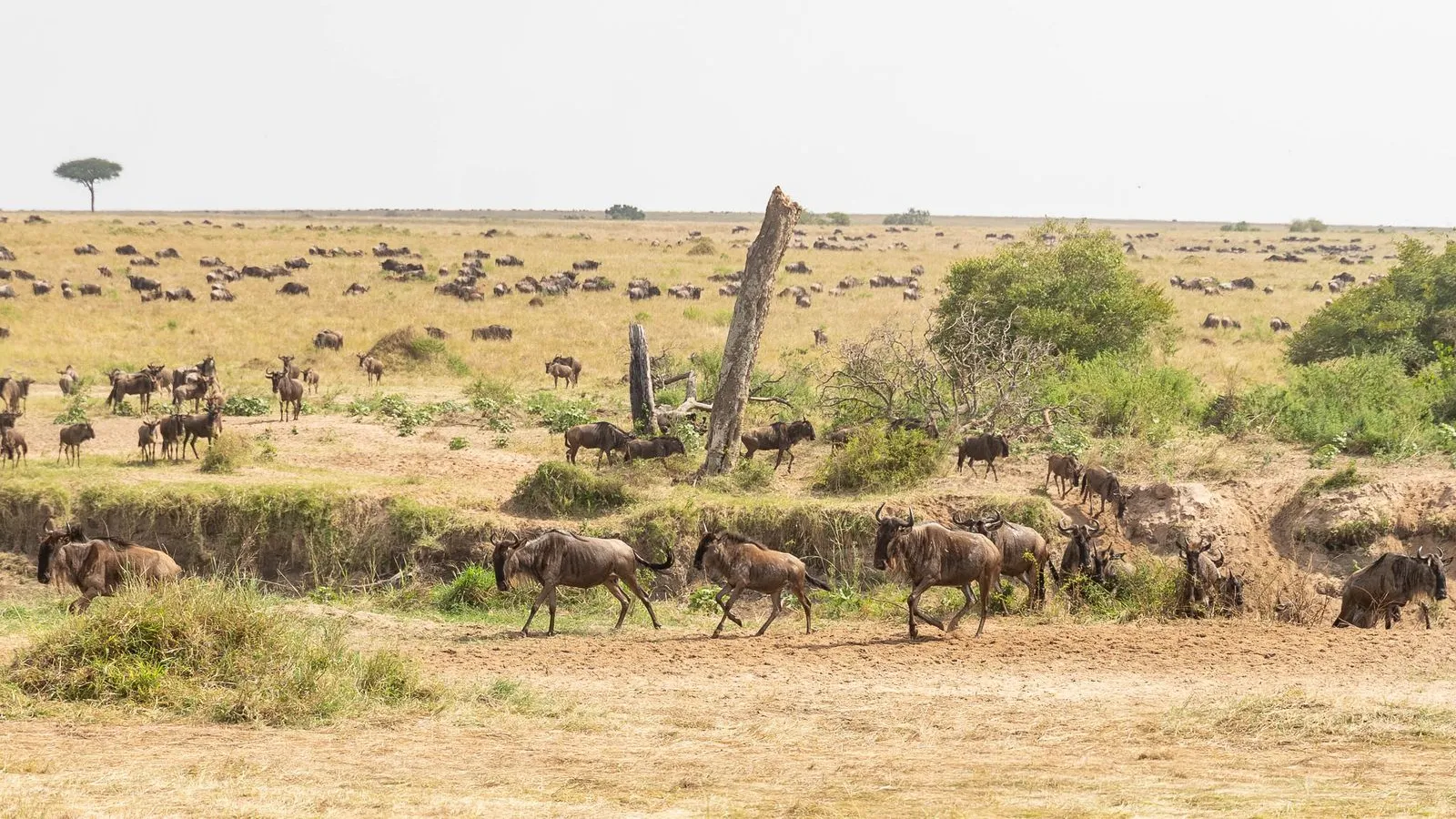
Kenya is one of those places that surprises people who arrive expecting only safari brochures. Nairobi is a genuine tech city (locals half-jokingly call it “Silicon Savannah”), with fast fibre, a real coworking scene in Westlands and Kilimani, and a startup culture that gave the world M-Pesa. Then, a short flight or a long drive away, you have the Indian Ocean coast at Diani and Watamu, where you can work mornings and be in warm water by lunch. If you want a base that mixes a proper urban hub with weekend wildlife and beaches, few countries pack it in like this one.
Who does it suit? Remote workers who are comfortable in a busy, sometimes chaotic African capital, and who value nature and value-for-money over polish and predictability. Who might it frustrate? Anyone who needs everything to run on time, or who is uneasy with the security precautions Nairobi genuinely requires (petty crime and carjacking are real, you learn which areas and which hours to avoid, and most expats use trusted taxis rather than walking at night).
A single person can live comfortably on roughly USD 1,000 to 1,800 a month, in line with Wise’s Nairobi cost figures, more if you want a large apartment in a top expat neighbourhood. The trade-offs are honest ones: traffic that can swallow an hour of your day, a rainy season that floods roads, bureaucracy that moves at its own pace, and banking friction that takes patience. English is an official language and widely spoken, though, so the language barrier is one thing you will not fight.
Cost of living in Kenya
Your budget lives and dies by rent and neighbourhood. In central expat areas like Westlands and Kilimani, a furnished one-bedroom typically sits somewhere in the KES 50,000 to 120,000 a month band (very roughly USD 400 to 950), with the most sought-after addresses at the top of that range. Numbeo’s crowd-sourced Nairobi cost data puts a city-centre one-bedroom nearer the lower end, and Wise’s Nairobi figures land in the same territory, with places well outside the centre noticeably cheaper. Furnishing, lease length and how hard you negotiate all move these numbers, so treat them as a starting point rather than a quote.
Groceries land somewhere near USD 150 to 250 a month if you shop smart, and the smart move is fresh local produce from markets rather than imported goods, which carry a steep markup. Eating out is a real bargain: a meal at a simple restaurant is only a few dollars, and a three-course dinner for two at a mid-range place comes to roughly USD 30. Utilities including water, power and internet tend to run KES 5,000 to 10,000 a month. Add transport, a coworking desk and some leisure, and the “comfortable” figure of USD 1,000 to 1,800 holds up. Treat every number here as an estimate that moves with the shilling, and check current rents before you sign anything.
Kenya digital nomad visa and entry
Here is the headline: Kenya launched a dedicated remote-work route, the Class N Digital Nomad Work Permit, under the Kenya Citizenship and Immigration (Amendment) Regulations, 2024, which took effect on 1 October 2024. It is aimed squarely at people employed by, or freelancing for, companies based outside Kenya. Law firm CMS has a clear breakdown of the framework.
The income requirement is where most guides go wrong. The regulations themselves, as consolidated on Kenya Law on 30 May 2025, still set Class N at an assured annual income of USD 55,000 from sources outside Kenya. The “USD 24,000” you may see quoted belongs to a different permit: it is the Class K bar for retirees (regulation 19(4)), not the nomad permit. The immigration service’s own Class N information page names no figure and simply asks for three months of bank statements or payslips proving your monthly income, so plan on the USD 55,000 in the regulations and ask the Directorate of Immigration Services if you are close to the line.
On costs, the immigration service lists a USD 200 processing fee (non-refundable) and a USD 1,000 issuance fee per year, and the permit is issued for one or two years and can be renewed. It covers people employed by a company registered abroad, shareholders or people doing business for a foreign company, and self-employed people whose clients are outside Kenya. Beyond a valid passport and proof of remote work, expect to provide proof of accommodation, a police clearance certificate and a letter of no objection from your home country’s embassy, and you must undertake not to work or earn anything for an employer or company based in Kenya. For short visits, most nationalities need an approved eTA before boarding; many African nationals are exempt, Nigerians for stays up to 60 days. If you want a quick gut-check on whether this route fits you before you dig into paperwork, run your details through our digital nomad visa checker.
Tax residency and the 183 day rule
Kenya uses a residency test that will feel familiar if you have moved before. Broadly, you become tax resident if you have a permanent home in Kenya and spend any time there in the tax year, or if you have no permanent home but are present for 183 days or more in a year, or if you average more than 122 days a year across the current and two preceding years. The PwC tax summary for Kenya lays this out precisely.
Why it matters, and this is where most summaries get it backwards: Kenya does not tax residents on worldwide income as a general rule. It taxes income that accrued in or was derived from Kenya (Income Tax Act, s. 3(1)). The catch is in the deeming rules. Pay that a resident earns for employment or services rendered in Kenya or abroad is treated as Kenyan (s. 5(1)(a)), and a resident’s business carried on partly in Kenya is taxed in full (s. 4(a)). So once you cross the residency line, your remote earnings are in scope. Resident rates are progressive, with bands running from 10% up to 35% on higher earnings, per PwC. This is educational, not advice. Sketch your likely days with our tax residency checker, then sit down with a Kenyan tax professional before you assume anything.
Healthcare and insurance
Public healthcare in Kenya is stretched, so almost every expat and nomad relies on private care and private insurance. The names to know are Aga Khan University Hospital and Nairobi Hospital, both in Nairobi and both the usual first port of call for insured foreigners, with standards well above the public system, as Expat Arrivals’ Nairobi healthcare guide notes.
Out of pocket, a GP consultation runs roughly KES 2,000 to 5,000, but a serious hospital stay climbs fast, which is exactly why insurance is not optional here. International plans that cover the top private hospitals, and crucially include emergency evacuation and repatriation, are what brokers like Pacific Prime recommend for people who travel a lot or split time between city and coast. Get cover in place before you land, and confirm your policy actually lists Aga Khan or Nairobi Hospital as in-network.
Money, banking and settling in
Yes, a foreigner can open a Kenyan bank account, and yes, it takes patience. Regulations require an in-person identity check, so even banks that let you start online will make you finish at a branch. Equity Bank and KCB are the two most-used options for foreigners, both with strong mobile banking, and Wise’s guide to opening an account in Kenya walks through the documents. Absa and Standard Chartered are common with professionals too.
The real key to daily life, though, is M-Pesa. Kenya runs on mobile money, and you will pay for taxis, groceries, rent and market stalls straight from your phone. Get a local SIM and M-Pesa sorted in your first week, ideally linked to a bank account once that clears. For the first days, keep some cash, use trusted ride-hailing apps rather than hailing on the street, pick your neighbourhood for daylight walkability, and give the bureaucracy the same patience you would give a slow border. Kenya rewards people who settle in slowly and pay attention.
Figures are estimates. Always check the official source.
Frequently asked questions
- Kenya: is there a digital nomad visa?
- Class N Digital Nomad Permit. People employed by a company registered outside Kenya, shareholders or people doing business for a foreign company, and self-employed people whose clients are outside Kenya. You need proof of remote work, three months of bank statements or payslips, proof of accommodation, a police clearance certificate and a letter of no objection from your home country's embassy, and you must undertake not to work or earn income in any way for an employer or company based in Kenya. Issued for one or two years and renewable.
- Kenya: when do you become a tax resident?
- Resident if you have a permanent home in Kenya and are there at any point in the year, or, with no permanent home, if you spend 183 days or more in Kenya in the year of income, or are present that year and each of the two previous years for periods averaging more than 122 days a year (Income Tax Act, s. 2). Kenya taxes income accrued in or derived from Kenya (s. 3(1)), but pay a resident earns for employment or services rendered in Kenya or abroad is deemed Kenyan (s. 5(1)(a)), and a resident's business carried on partly in Kenya is taxed in full (s. 4(a)), so once resident your remote earnings are in scope.
- Kenya: what is the cost of living?
- The cost of living is moderate and the local currency is the KES. Treat any figures as estimates.
- Kenya: do you need health insurance?
- Public hospitals are limited, so foreigners are strongly advised to carry private international health insurance and use private clinics in Nairobi or Mombasa.
- Kenya: can you drive on a foreign licence?
- You can drive on a foreign licence or International Driving Permit for up to about three months, after which a Kenyan licence is needed; an IDP is recommended if your licence is not in English.
Terms worth knowing
Africa: more countries to explore
Put it to work
- Free
Digital-Nomad Visa Checker
See which digital-nomad visas you could actually get with your passport and income, ranked, with the binding reason per country.
→ - Free
Tax-Residency Reality Checker
Go beyond the 183-day myth: model the treaty tie-breaker and see whether two countries could both claim you as a tax resident.
→ - Free
Nomad Insurance Picker
Match SafetyWing, Genki, World Nomads and others to your situation, and see which policies satisfy specific visa proof requirements.
→ - Free
Banking & FX Picker
Find the right account stack to avoid fees and hold multiple currencies abroad, Wise, Revolut, N26, for your nationality and spending.
→