Countries
Mauritius: visas, tax & cost of living
Moving to Mauritius as a remote worker: the free Premium Travel Visa, cost of living, the 183 day tax rule, healthcare and banking, honestly explained.
United KingdomMauritius
Your move to Mauritius on a United Kingdom passport
- VisitEasyVisa-free entry
- NomadFairly easyNomad visa, stricter rules
- RelocateMediumResidence with conditions
Visiting
Visa-free for up to 90 days. Travel on a passport valid for your whole stay, with a return or onward ticket and proof you can support yourself.
Passport validity: Passport valid at least 6 months beyond departure, with at least one to two blank pages.
At the border: Tourist stays add up to at most 180 days in a calendar year; beyond that you need the Premium Visa. Complete the Mauritius All in One Travel Digital Form within 72 hours before arrival; proof of accommodation and onward travel may be requested.
Working remotely
Premium Visa.
Income needed: USD 1,500 per month for each adult applicant, plus USD 500 per month for each dependent child under 24 (estimate)
Savings option: No savings alternative is published: the EDB asks for proof of monthly income plus your last three months of bank statements.
Duration: 12 months
Fee: free (estimate)
Who qualifies: For long-stay tourists, retirees and remote workers whose main place of business and source of income stay outside Mauritius; you must not enter the Mauritian labour market. Nationals of the 114 countries on the EDB list can apply from abroad; everyone else can still apply once in Mauritius on a tourist visa. You need travel and health insurance for the whole stay, proof of accommodation, a return ticket beyond six months and your last three months of bank statements. It is a multiple-entry visa, not a residence or work permit.
Tax and residency
You are tax resident for a Mauritian income year (1 July to 30 June) if you are present for 183 days or more in it, or for an aggregate 270 days or more across it and the two preceding income years, or if your domicile is in Mauritius. Residents are taxed on income derived in Mauritius or remitted to it. For Premium Visa holders the EDB says card spending in Mauritius on foreign cards is not a remittance, while money you bring in and deposit in a Mauritian bank account is taxable unless you declare that tax was already paid on it at home. (estimate)
The UK decides residence with its Statutory Residence Test (days in the UK plus your ties). As a non-resident you are usually taxed only on UK income; where one exists, a double-tax treaty with the destination decides who taxes what.
Practical
Currency: MUR. Cost of living: mid.
Healthcare: Public hospitals are free for residents, but non-resident foreigners pay out of pocket, so private health insurance is recommended.
Driving: You may drive on a foreign licence for up to about four weeks; an International Driving Permit is recommended, especially if your licence is not in English or French.
Sources: EDB Mauritius, Premium Visa FAQ (Nov 2023): USD 1,500 per adult and USD 500 per child, no labour market access, 180-day tourist cap, eligible country list, tax treatment · EDB Mauritius, Premium Visa · Passport and Immigration Office, Premium Visa (free, one year, renewable) · Passport and Immigration Office, visa requirement by country (visa on arrival 60 days for PH and VN, two weeks for NG) · Mauritius Revenue Authority, residence tests (183 days, 270 days over three income years, domicile) and income remitted to Mauritius · Mauritius All in One Travel Digital Form · Passport and Immigration Office, travel requirements · GOV.UK: tax on foreign income · HMRC: double-taxation treaties
Estimates, not advice. Confirm with the official sources before you act.
United StatesMauritius
Your move to Mauritius on a United States passport
- VisitEasyVisa-free entry
- NomadFairly easyNomad visa, stricter rules
- RelocateMediumResidence with conditions
Visiting
Visa-free for up to 90 days. Travel on a passport valid for your whole stay, with a return or onward ticket and proof you can support yourself.
Passport validity: Passport valid at least 6 months beyond departure, with at least one to two blank pages.
At the border: Tourist stays add up to at most 180 days in a calendar year; beyond that you need the Premium Visa. Complete the Mauritius All in One Travel Digital Form within 72 hours before arrival; proof of accommodation and onward travel may be requested.
Working remotely
Premium Visa.
Income needed: USD 1,500 per month for each adult applicant, plus USD 500 per month for each dependent child under 24 (estimate)
Savings option: No savings alternative is published: the EDB asks for proof of monthly income plus your last three months of bank statements.
Duration: 12 months
Fee: free (estimate)
Who qualifies: For long-stay tourists, retirees and remote workers whose main place of business and source of income stay outside Mauritius; you must not enter the Mauritian labour market. Nationals of the 114 countries on the EDB list can apply from abroad; everyone else can still apply once in Mauritius on a tourist visa. You need travel and health insurance for the whole stay, proof of accommodation, a return ticket beyond six months and your last three months of bank statements. It is a multiple-entry visa, not a residence or work permit.
Tax and residency
You are tax resident for a Mauritian income year (1 July to 30 June) if you are present for 183 days or more in it, or for an aggregate 270 days or more across it and the two preceding income years, or if your domicile is in Mauritius. Residents are taxed on income derived in Mauritius or remitted to it. For Premium Visa holders the EDB says card spending in Mauritius on foreign cards is not a remittance, while money you bring in and deposit in a Mauritian bank account is taxable unless you declare that tax was already paid on it at home. (estimate)
The US taxes its citizens on worldwide income wherever you live, so you keep filing US returns abroad. The Foreign Earned Income Exclusion and the foreign tax credit are what stop you being taxed twice.
Practical
Currency: MUR. Cost of living: mid.
Healthcare: Public hospitals are free for residents, but non-resident foreigners pay out of pocket, so private health insurance is recommended.
Driving: You may drive on a foreign licence for up to about four weeks; an International Driving Permit is recommended, especially if your licence is not in English or French.
Sources: EDB Mauritius, Premium Visa FAQ (Nov 2023): USD 1,500 per adult and USD 500 per child, no labour market access, 180-day tourist cap, eligible country list, tax treatment · EDB Mauritius, Premium Visa · Passport and Immigration Office, Premium Visa (free, one year, renewable) · Passport and Immigration Office, visa requirement by country (visa on arrival 60 days for PH and VN, two weeks for NG) · Mauritius Revenue Authority, residence tests (183 days, 270 days over three income years, domicile) and income remitted to Mauritius · Mauritius All in One Travel Digital Form · Passport and Immigration Office, travel requirements · IRS: Foreign Earned Income Exclusion · IRS: tax treaties
Estimates, not advice. Confirm with the official sources before you act.
IndiaMauritius
Your move to Mauritius on a India passport
- VisitEasyVisa-free entry
- NomadFairly easyNomad visa, stricter rules
- RelocateMediumResidence with conditions
Visiting
Visa-free for up to 90 days. Travel on a passport valid for your whole stay, with a return or onward ticket and proof you can support yourself.
Passport validity: Passport valid at least 6 months beyond departure, with at least one to two blank pages.
At the border: Tourist stays add up to at most 180 days in a calendar year; beyond that you need the Premium Visa. Complete the Mauritius All in One Travel Digital Form within 72 hours before arrival; proof of accommodation and onward travel may be requested.
Working remotely
Premium Visa.
Income needed: USD 1,500 per month for each adult applicant, plus USD 500 per month for each dependent child under 24 (estimate)
Savings option: No savings alternative is published: the EDB asks for proof of monthly income plus your last three months of bank statements.
Duration: 12 months
Fee: free (estimate)
Who qualifies: For long-stay tourists, retirees and remote workers whose main place of business and source of income stay outside Mauritius; you must not enter the Mauritian labour market. Nationals of the 114 countries on the EDB list can apply from abroad; everyone else can still apply once in Mauritius on a tourist visa. You need travel and health insurance for the whole stay, proof of accommodation, a return ticket beyond six months and your last three months of bank statements. It is a multiple-entry visa, not a residence or work permit.
Tax and residency
You are tax resident for a Mauritian income year (1 July to 30 June) if you are present for 183 days or more in it, or for an aggregate 270 days or more across it and the two preceding income years, or if your domicile is in Mauritius. Residents are taxed on income derived in Mauritius or remitted to it. For Premium Visa holders the EDB says card spending in Mauritius on foreign cards is not a remittance, while money you bring in and deposit in a Mauritian bank account is taxable unless you declare that tax was already paid on it at home. (estimate)
India taxes residents on worldwide income; your status depends on the days you spend in India (broadly 182 or more in the year). As a non-resident (NRI) you are taxed only on Indian-source income, and the relevant double-tax treaty allocates the rest.
Practical
Currency: MUR. Cost of living: mid.
Healthcare: Public hospitals are free for residents, but non-resident foreigners pay out of pocket, so private health insurance is recommended.
Driving: You may drive on a foreign licence for up to about four weeks; an International Driving Permit is recommended, especially if your licence is not in English or French.
Sources: EDB Mauritius, Premium Visa FAQ (Nov 2023): USD 1,500 per adult and USD 500 per child, no labour market access, 180-day tourist cap, eligible country list, tax treatment · EDB Mauritius, Premium Visa · Passport and Immigration Office, Premium Visa (free, one year, renewable) · Passport and Immigration Office, visa requirement by country (visa on arrival 60 days for PH and VN, two weeks for NG) · Mauritius Revenue Authority, residence tests (183 days, 270 days over three income years, domicile) and income remitted to Mauritius · Mauritius All in One Travel Digital Form · Passport and Immigration Office, travel requirements · Income Tax Department, India · India: Double Taxation Avoidance Agreements
Estimates, not advice. Confirm with the official sources before you act.
GermanyMauritius
Your move to Mauritius on a Germany passport
- VisitEasyVisa-free entry
- NomadFairly easyNomad visa, stricter rules
- RelocateMediumResidence with conditions
Visiting
Visa-free for up to 90 days. Travel on a passport valid for your whole stay, with a return or onward ticket and proof you can support yourself.
Passport validity: Passport valid at least 6 months beyond departure, with at least one to two blank pages.
At the border: Tourist stays add up to at most 180 days in a calendar year; beyond that you need the Premium Visa. Complete the Mauritius All in One Travel Digital Form within 72 hours before arrival; proof of accommodation and onward travel may be requested.
Working remotely
Premium Visa.
Income needed: USD 1,500 per month for each adult applicant, plus USD 500 per month for each dependent child under 24 (estimate)
Savings option: No savings alternative is published: the EDB asks for proof of monthly income plus your last three months of bank statements.
Duration: 12 months
Fee: free (estimate)
Who qualifies: For long-stay tourists, retirees and remote workers whose main place of business and source of income stay outside Mauritius; you must not enter the Mauritian labour market. Nationals of the 114 countries on the EDB list can apply from abroad; everyone else can still apply once in Mauritius on a tourist visa. You need travel and health insurance for the whole stay, proof of accommodation, a return ticket beyond six months and your last three months of bank statements. It is a multiple-entry visa, not a residence or work permit.
Tax and residency
You are tax resident for a Mauritian income year (1 July to 30 June) if you are present for 183 days or more in it, or for an aggregate 270 days or more across it and the two preceding income years, or if your domicile is in Mauritius. Residents are taxed on income derived in Mauritius or remitted to it. For Premium Visa holders the EDB says card spending in Mauritius on foreign cards is not a remittance, while money you bring in and deposit in a Mauritian bank account is taxable unless you declare that tax was already paid on it at home. (estimate)
Germany taxes residents on worldwide income; you become resident through a home available to you (Wohnsitz) or a habitual abode of more than six months. As a non-resident you are usually taxed only on German-source income, and where one exists a double-tax treaty with the destination decides who taxes what.
Practical
Currency: MUR. Cost of living: mid.
Healthcare: Public hospitals are free for residents, but non-resident foreigners pay out of pocket, so private health insurance is recommended.
Driving: You may drive on a foreign licence for up to about four weeks; an International Driving Permit is recommended, especially if your licence is not in English or French.
Sources: EDB Mauritius, Premium Visa FAQ (Nov 2023): USD 1,500 per adult and USD 500 per child, no labour market access, 180-day tourist cap, eligible country list, tax treatment · EDB Mauritius, Premium Visa · Passport and Immigration Office, Premium Visa (free, one year, renewable) · Passport and Immigration Office, visa requirement by country (visa on arrival 60 days for PH and VN, two weeks for NG) · Mauritius Revenue Authority, residence tests (183 days, 270 days over three income years, domicile) and income remitted to Mauritius · Mauritius All in One Travel Digital Form · Passport and Immigration Office, travel requirements · Bundeszentralamt für Steuern (BZSt) · Germany: double-taxation agreements (BMF)
Estimates, not advice. Confirm with the official sources before you act.
FranceMauritius
Your move to Mauritius on a France passport
- VisitEasyVisa-free entry
- NomadFairly easyNomad visa, stricter rules
- RelocateMediumResidence with conditions
Visiting
Visa-free for up to 90 days. Travel on a passport valid for your whole stay, with a return or onward ticket and proof you can support yourself.
Passport validity: Passport valid at least 6 months beyond departure, with at least one to two blank pages.
At the border: Tourist stays add up to at most 180 days in a calendar year; beyond that you need the Premium Visa. Complete the Mauritius All in One Travel Digital Form within 72 hours before arrival; proof of accommodation and onward travel may be requested.
Working remotely
Premium Visa.
Income needed: USD 1,500 per month for each adult applicant, plus USD 500 per month for each dependent child under 24 (estimate)
Savings option: No savings alternative is published: the EDB asks for proof of monthly income plus your last three months of bank statements.
Duration: 12 months
Fee: free (estimate)
Who qualifies: For long-stay tourists, retirees and remote workers whose main place of business and source of income stay outside Mauritius; you must not enter the Mauritian labour market. Nationals of the 114 countries on the EDB list can apply from abroad; everyone else can still apply once in Mauritius on a tourist visa. You need travel and health insurance for the whole stay, proof of accommodation, a return ticket beyond six months and your last three months of bank statements. It is a multiple-entry visa, not a residence or work permit.
Tax and residency
You are tax resident for a Mauritian income year (1 July to 30 June) if you are present for 183 days or more in it, or for an aggregate 270 days or more across it and the two preceding income years, or if your domicile is in Mauritius. Residents are taxed on income derived in Mauritius or remitted to it. For Premium Visa holders the EDB says card spending in Mauritius on foreign cards is not a remittance, while money you bring in and deposit in a Mauritian bank account is taxable unless you declare that tax was already paid on it at home. (estimate)
France taxes you on your worldwide income if your tax home (domicile fiscal) stays there, broadly when your household, main home, main job or main economic interests are in France, so moving abroad alone may not end it. Once you genuinely settle elsewhere you are usually taxed only on French-source income, and tax treaties typically prevent paying twice through an exemption or a foreign tax credit, but treat any figures as estimates and check your situation.
Practical
Currency: MUR. Cost of living: mid.
Healthcare: Public hospitals are free for residents, but non-resident foreigners pay out of pocket, so private health insurance is recommended.
Driving: You may drive on a foreign licence for up to about four weeks; an International Driving Permit is recommended, especially if your licence is not in English or French.
Sources: EDB Mauritius, Premium Visa FAQ (Nov 2023): USD 1,500 per adult and USD 500 per child, no labour market access, 180-day tourist cap, eligible country list, tax treatment · EDB Mauritius, Premium Visa · Passport and Immigration Office, Premium Visa (free, one year, renewable) · Passport and Immigration Office, visa requirement by country (visa on arrival 60 days for PH and VN, two weeks for NG) · Mauritius Revenue Authority, residence tests (183 days, 270 days over three income years, domicile) and income remitted to Mauritius · Mauritius All in One Travel Digital Form · Passport and Immigration Office, travel requirements · impots.gouv.fr - Résidents de France · impots.gouv.fr - Les conventions internationales
Estimates, not advice. Confirm with the official sources before you act.
SpainMauritius
Your move to Mauritius on a Spain passport
- VisitEasyVisa-free entry
- NomadFairly easyNomad visa, stricter rules
- RelocateMediumResidence with conditions
Visiting
Visa-free for up to 90 days. Travel on a passport valid for your whole stay, with a return or onward ticket and proof you can support yourself.
Passport validity: Passport valid at least 6 months beyond departure, with at least one to two blank pages.
At the border: Tourist stays add up to at most 180 days in a calendar year; beyond that you need the Premium Visa. Complete the Mauritius All in One Travel Digital Form within 72 hours before arrival; proof of accommodation and onward travel may be requested.
Working remotely
Premium Visa.
Income needed: USD 1,500 per month for each adult applicant, plus USD 500 per month for each dependent child under 24 (estimate)
Savings option: No savings alternative is published: the EDB asks for proof of monthly income plus your last three months of bank statements.
Duration: 12 months
Fee: free (estimate)
Who qualifies: For long-stay tourists, retirees and remote workers whose main place of business and source of income stay outside Mauritius; you must not enter the Mauritian labour market. Nationals of the 114 countries on the EDB list can apply from abroad; everyone else can still apply once in Mauritius on a tourist visa. You need travel and health insurance for the whole stay, proof of accommodation, a return ticket beyond six months and your last three months of bank statements. It is a multiple-entry visa, not a residence or work permit.
Tax and residency
You are tax resident for a Mauritian income year (1 July to 30 June) if you are present for 183 days or more in it, or for an aggregate 270 days or more across it and the two preceding income years, or if your domicile is in Mauritius. Residents are taxed on income derived in Mauritius or remitted to it. For Premium Visa holders the EDB says card spending in Mauritius on foreign cards is not a remittance, while money you bring in and deposit in a Mauritian bank account is taxable unless you declare that tax was already paid on it at home. (estimate)
If Spain still counts as your tax home (roughly 183+ days in the country in a year, or your main base of life and income sits there), Spain taxes your worldwide income at IRPF rates, so what you earn abroad usually counts too. The sting is softened by double-tax treaties and a foreign-tax credit, plus the Article 7.p exemption that can shelter work done abroad up to around 60,100 euros a year, but treat every figure as an estimate and check your own case before you file.
Practical
Currency: MUR. Cost of living: mid.
Healthcare: Public hospitals are free for residents, but non-resident foreigners pay out of pocket, so private health insurance is recommended.
Driving: You may drive on a foreign licence for up to about four weeks; an International Driving Permit is recommended, especially if your licence is not in English or French.
Sources: EDB Mauritius, Premium Visa FAQ (Nov 2023): USD 1,500 per adult and USD 500 per child, no labour market access, 180-day tourist cap, eligible country list, tax treatment · EDB Mauritius, Premium Visa · Passport and Immigration Office, Premium Visa (free, one year, renewable) · Passport and Immigration Office, visa requirement by country (visa on arrival 60 days for PH and VN, two weeks for NG) · Mauritius Revenue Authority, residence tests (183 days, 270 days over three income years, domicile) and income remitted to Mauritius · Mauritius All in One Travel Digital Form · Passport and Immigration Office, travel requirements · Agencia Tributaria: persona física residente en España · Agencia Tributaria: obtención de rentas extranjeras, reglas generales
Estimates, not advice. Confirm with the official sources before you act.
ItalyMauritius
Your move to Mauritius on a Italy passport
- VisitEasyVisa-free entry
- NomadFairly easyNomad visa, stricter rules
- RelocateMediumResidence with conditions
Visiting
Visa-free for up to 90 days. Travel on a passport valid for your whole stay, with a return or onward ticket and proof you can support yourself.
Passport validity: Passport valid at least 6 months beyond departure, with at least one to two blank pages.
At the border: Tourist stays add up to at most 180 days in a calendar year; beyond that you need the Premium Visa. Complete the Mauritius All in One Travel Digital Form within 72 hours before arrival; proof of accommodation and onward travel may be requested.
Working remotely
Premium Visa.
Income needed: USD 1,500 per month for each adult applicant, plus USD 500 per month for each dependent child under 24 (estimate)
Savings option: No savings alternative is published: the EDB asks for proof of monthly income plus your last three months of bank statements.
Duration: 12 months
Fee: free (estimate)
Who qualifies: For long-stay tourists, retirees and remote workers whose main place of business and source of income stay outside Mauritius; you must not enter the Mauritian labour market. Nationals of the 114 countries on the EDB list can apply from abroad; everyone else can still apply once in Mauritius on a tourist visa. You need travel and health insurance for the whole stay, proof of accommodation, a return ticket beyond six months and your last three months of bank statements. It is a multiple-entry visa, not a residence or work permit.
Tax and residency
You are tax resident for a Mauritian income year (1 July to 30 June) if you are present for 183 days or more in it, or for an aggregate 270 days or more across it and the two preceding income years, or if your domicile is in Mauritius. Residents are taxed on income derived in Mauritius or remitted to it. For Premium Visa holders the EDB says card spending in Mauritius on foreign cards is not a remittance, while money you bring in and deposit in a Mauritian bank account is taxable unless you declare that tax was already paid on it at home. (estimate)
Italy generally treats you as a tax resident if for most of the year (roughly 183 days or more) your home, family or registration ties are here, and residents are taxed on worldwide income wherever they live. The relief is usually a foreign tax credit for tax already paid abroad, often shaped by Italy's double-taxation treaties, so the same income should not be taxed twice.
Practical
Currency: MUR. Cost of living: mid.
Healthcare: Public hospitals are free for residents, but non-resident foreigners pay out of pocket, so private health insurance is recommended.
Driving: You may drive on a foreign licence for up to about four weeks; an International Driving Permit is recommended, especially if your licence is not in English or French.
Sources: EDB Mauritius, Premium Visa FAQ (Nov 2023): USD 1,500 per adult and USD 500 per child, no labour market access, 180-day tourist cap, eligible country list, tax treatment · EDB Mauritius, Premium Visa · Passport and Immigration Office, Premium Visa (free, one year, renewable) · Passport and Immigration Office, visa requirement by country (visa on arrival 60 days for PH and VN, two weeks for NG) · Mauritius Revenue Authority, residence tests (183 days, 270 days over three income years, domicile) and income remitted to Mauritius · Mauritius All in One Travel Digital Form · Passport and Immigration Office, travel requirements · Agenzia delle Entrate, Residence for tax purposes · Agenzia delle Entrate, Bilateral agreements to prevent double taxation
Estimates, not advice. Confirm with the official sources before you act.
CanadaMauritius
Your move to Mauritius on a Canada passport
- VisitEasyVisa-free entry
- NomadFairly easyNomad visa, stricter rules
- RelocateMediumResidence with conditions
Visiting
Visa-free for up to 90 days. Travel on a passport valid for your whole stay, with a return or onward ticket and proof you can support yourself.
Passport validity: Passport valid at least 6 months beyond departure, with at least one to two blank pages.
At the border: Tourist stays add up to at most 180 days in a calendar year; beyond that you need the Premium Visa. Complete the Mauritius All in One Travel Digital Form within 72 hours before arrival; proof of accommodation and onward travel may be requested.
Working remotely
Premium Visa.
Income needed: USD 1,500 per month for each adult applicant, plus USD 500 per month for each dependent child under 24 (estimate)
Savings option: No savings alternative is published: the EDB asks for proof of monthly income plus your last three months of bank statements.
Duration: 12 months
Fee: free (estimate)
Who qualifies: For long-stay tourists, retirees and remote workers whose main place of business and source of income stay outside Mauritius; you must not enter the Mauritian labour market. Nationals of the 114 countries on the EDB list can apply from abroad; everyone else can still apply once in Mauritius on a tourist visa. You need travel and health insurance for the whole stay, proof of accommodation, a return ticket beyond six months and your last three months of bank statements. It is a multiple-entry visa, not a residence or work permit.
Tax and residency
You are tax resident for a Mauritian income year (1 July to 30 June) if you are present for 183 days or more in it, or for an aggregate 270 days or more across it and the two preceding income years, or if your domicile is in Mauritius. Residents are taxed on income derived in Mauritius or remitted to it. For Premium Visa holders the EDB says card spending in Mauritius on foreign cards is not a remittance, while money you bring in and deposit in a Mauritian bank account is taxable unless you declare that tax was already paid on it at home. (estimate)
Canada taxes you on residency, not on holding the passport, so as long as the CRA still treats you as a resident (kept home, family or strong ties) you generally owe Canadian tax on your worldwide income. The relief is usually a foreign tax credit for tax you already paid abroad, often topped up by a tax treaty, though the exact amounts are only estimates until you check your own case.
Practical
Currency: MUR. Cost of living: mid.
Healthcare: Public hospitals are free for residents, but non-resident foreigners pay out of pocket, so private health insurance is recommended.
Driving: You may drive on a foreign licence for up to about four weeks; an International Driving Permit is recommended, especially if your licence is not in English or French.
Sources: EDB Mauritius, Premium Visa FAQ (Nov 2023): USD 1,500 per adult and USD 500 per child, no labour market access, 180-day tourist cap, eligible country list, tax treatment · EDB Mauritius, Premium Visa · Passport and Immigration Office, Premium Visa (free, one year, renewable) · Passport and Immigration Office, visa requirement by country (visa on arrival 60 days for PH and VN, two weeks for NG) · Mauritius Revenue Authority, residence tests (183 days, 270 days over three income years, domicile) and income remitted to Mauritius · Mauritius All in One Travel Digital Form · Passport and Immigration Office, travel requirements · Canada Revenue Agency, Determining your residency status · Department of Finance Canada, Tax treaties in force
Estimates, not advice. Confirm with the official sources before you act.
AustraliaMauritius
Your move to Mauritius on a Australia passport
- VisitEasyVisa-free entry
- NomadFairly easyNomad visa, stricter rules
- RelocateMediumResidence with conditions
Visiting
Visa-free for up to 90 days. Travel on a passport valid for your whole stay, with a return or onward ticket and proof you can support yourself.
Passport validity: Passport valid at least 6 months beyond departure, with at least one to two blank pages.
At the border: Tourist stays add up to at most 180 days in a calendar year; beyond that you need the Premium Visa. Complete the Mauritius All in One Travel Digital Form within 72 hours before arrival; proof of accommodation and onward travel may be requested.
Working remotely
Premium Visa.
Income needed: USD 1,500 per month for each adult applicant, plus USD 500 per month for each dependent child under 24 (estimate)
Savings option: No savings alternative is published: the EDB asks for proof of monthly income plus your last three months of bank statements.
Duration: 12 months
Fee: free (estimate)
Who qualifies: For long-stay tourists, retirees and remote workers whose main place of business and source of income stay outside Mauritius; you must not enter the Mauritian labour market. Nationals of the 114 countries on the EDB list can apply from abroad; everyone else can still apply once in Mauritius on a tourist visa. You need travel and health insurance for the whole stay, proof of accommodation, a return ticket beyond six months and your last three months of bank statements. It is a multiple-entry visa, not a residence or work permit.
Tax and residency
You are tax resident for a Mauritian income year (1 July to 30 June) if you are present for 183 days or more in it, or for an aggregate 270 days or more across it and the two preceding income years, or if your domicile is in Mauritius. Residents are taxed on income derived in Mauritius or remitted to it. For Premium Visa holders the EDB says card spending in Mauritius on foreign cards is not a remittance, while money you bring in and deposit in a Mauritian bank account is taxable unless you declare that tax was already paid on it at home. (estimate)
If you stay an Australian resident for tax purposes, Australia generally taxes your worldwide income wherever you live, with residency turned on the moment your real home and ties are here (a continuous stay of roughly 6 months can be enough). To soften double tax, you can usually claim a Foreign Income Tax Offset for tax already paid abroad, capped at the Australian tax on that income, and treaties may help too, so treat these figures as estimates and check your own case.
Practical
Currency: MUR. Cost of living: mid.
Healthcare: Public hospitals are free for residents, but non-resident foreigners pay out of pocket, so private health insurance is recommended.
Driving: You may drive on a foreign licence for up to about four weeks; an International Driving Permit is recommended, especially if your licence is not in English or French.
Sources: EDB Mauritius, Premium Visa FAQ (Nov 2023): USD 1,500 per adult and USD 500 per child, no labour market access, 180-day tourist cap, eligible country list, tax treatment · EDB Mauritius, Premium Visa · Passport and Immigration Office, Premium Visa (free, one year, renewable) · Passport and Immigration Office, visa requirement by country (visa on arrival 60 days for PH and VN, two weeks for NG) · Mauritius Revenue Authority, residence tests (183 days, 270 days over three income years, domicile) and income remitted to Mauritius · Mauritius All in One Travel Digital Form · Passport and Immigration Office, travel requirements · Australian Taxation Office, Australian resident for tax purposes · Australian Taxation Office, International tax agreements (tax treaties)
Estimates, not advice. Confirm with the official sources before you act.
BrazilMauritius
Your move to Mauritius on a Brazil passport
- VisitEasyVisa-free entry
- NomadFairly easyNomad visa, stricter rules
- RelocateMediumResidence with conditions
Visiting
Visa-free for up to 90 days. Travel on a passport valid for your whole stay, with a return or onward ticket and proof you can support yourself.
Passport validity: Passport valid at least 6 months beyond departure, with at least one to two blank pages.
At the border: Tourist stays add up to at most 180 days in a calendar year; beyond that you need the Premium Visa. Complete the Mauritius All in One Travel Digital Form within 72 hours before arrival; proof of accommodation and onward travel may be requested.
Working remotely
Premium Visa.
Income needed: USD 1,500 per month for each adult applicant, plus USD 500 per month for each dependent child under 24 (estimate)
Savings option: No savings alternative is published: the EDB asks for proof of monthly income plus your last three months of bank statements.
Duration: 12 months
Fee: free (estimate)
Who qualifies: For long-stay tourists, retirees and remote workers whose main place of business and source of income stay outside Mauritius; you must not enter the Mauritian labour market. Nationals of the 114 countries on the EDB list can apply from abroad; everyone else can still apply once in Mauritius on a tourist visa. You need travel and health insurance for the whole stay, proof of accommodation, a return ticket beyond six months and your last three months of bank statements. It is a multiple-entry visa, not a residence or work permit.
Tax and residency
You are tax resident for a Mauritian income year (1 July to 30 June) if you are present for 183 days or more in it, or for an aggregate 270 days or more across it and the two preceding income years, or if your domicile is in Mauritius. Residents are taxed on income derived in Mauritius or remitted to it. For Premium Visa holders the EDB says card spending in Mauritius on foreign cards is not a remittance, while money you bring in and deposit in a Mauritian bank account is taxable unless you declare that tax was already paid on it at home. (estimate)
If Brazil still counts you as tax-resident, usually triggered by a permanent visa, a temporary visa plus a job, or roughly 183 days in the country within any 12 months, the Receita Federal taxes your worldwide income, so you keep filing the annual return wherever you live. The relief is real but partial: tax paid abroad can normally be credited against what you owe in Brazil under a treaty or recognised reciprocity, so most people are not taxed twice on the same income.
Practical
Currency: MUR. Cost of living: mid.
Healthcare: Public hospitals are free for residents, but non-resident foreigners pay out of pocket, so private health insurance is recommended.
Driving: You may drive on a foreign licence for up to about four weeks; an International Driving Permit is recommended, especially if your licence is not in English or French.
Sources: EDB Mauritius, Premium Visa FAQ (Nov 2023): USD 1,500 per adult and USD 500 per child, no labour market access, 180-day tourist cap, eligible country list, tax treatment · EDB Mauritius, Premium Visa · Passport and Immigration Office, Premium Visa (free, one year, renewable) · Passport and Immigration Office, visa requirement by country (visa on arrival 60 days for PH and VN, two weeks for NG) · Mauritius Revenue Authority, residence tests (183 days, 270 days over three income years, domicile) and income remitted to Mauritius · Mauritius All in One Travel Digital Form · Passport and Immigration Office, travel requirements · Receita Federal, Acordos para evitar a dupla tributação · Receita Federal, Imposto sobre a Renda da Pessoa Física (IRPF)
Estimates, not advice. Confirm with the official sources before you act.
MexicoMauritius
Your move to Mauritius on a Mexico passport
- VisitEasyVisa-free entry
- NomadFairly easyNomad visa, stricter rules
- RelocateMediumResidence with conditions
Visiting
Visa-free for up to 90 days. Travel on a passport valid for your whole stay, with a return or onward ticket and proof you can support yourself.
Passport validity: Passport valid at least 6 months beyond departure, with at least one to two blank pages.
At the border: Tourist stays add up to at most 180 days in a calendar year; beyond that you need the Premium Visa. Complete the Mauritius All in One Travel Digital Form within 72 hours before arrival; proof of accommodation and onward travel may be requested.
Working remotely
Premium Visa.
Income needed: USD 1,500 per month for each adult applicant, plus USD 500 per month for each dependent child under 24 (estimate)
Savings option: No savings alternative is published: the EDB asks for proof of monthly income plus your last three months of bank statements.
Duration: 12 months
Fee: free (estimate)
Who qualifies: For long-stay tourists, retirees and remote workers whose main place of business and source of income stay outside Mauritius; you must not enter the Mauritian labour market. Nationals of the 114 countries on the EDB list can apply from abroad; everyone else can still apply once in Mauritius on a tourist visa. You need travel and health insurance for the whole stay, proof of accommodation, a return ticket beyond six months and your last three months of bank statements. It is a multiple-entry visa, not a residence or work permit.
Tax and residency
You are tax resident for a Mauritian income year (1 July to 30 June) if you are present for 183 days or more in it, or for an aggregate 270 days or more across it and the two preceding income years, or if your domicile is in Mauritius. Residents are taxed on income derived in Mauritius or remitted to it. For Premium Visa holders the EDB says card spending in Mauritius on foreign cards is not a remittance, while money you bring in and deposit in a Mauritian bank account is taxable unless you declare that tax was already paid on it at home. (estimate)
Mexico taxes you on your worldwide income once you count as a tax resident, which usually means your main home or your center of life is here (very roughly, spending more than about 183 days a year can tip the balance). The good news is the SAT lets you credit foreign income tax you already paid, and Mexico's double-taxation treaties mean the same money should not normally be taxed twice.
Practical
Currency: MUR. Cost of living: mid.
Healthcare: Public hospitals are free for residents, but non-resident foreigners pay out of pocket, so private health insurance is recommended.
Driving: You may drive on a foreign licence for up to about four weeks; an International Driving Permit is recommended, especially if your licence is not in English or French.
Sources: EDB Mauritius, Premium Visa FAQ (Nov 2023): USD 1,500 per adult and USD 500 per child, no labour market access, 180-day tourist cap, eligible country list, tax treatment · EDB Mauritius, Premium Visa · Passport and Immigration Office, Premium Visa (free, one year, renewable) · Passport and Immigration Office, visa requirement by country (visa on arrival 60 days for PH and VN, two weeks for NG) · Mauritius Revenue Authority, residence tests (183 days, 270 days over three income years, domicile) and income remitted to Mauritius · Mauritius All in One Travel Digital Form · Passport and Immigration Office, travel requirements · SAT - Servicio de Administración Tributaria · SAT - Tratados en Materia Fiscal (para evitar la doble tributación)
Estimates, not advice. Confirm with the official sources before you act.
PhilippinesMauritius
Your move to Mauritius on a Philippines passport
- VisitFairly easyVisa on arrival, e-visa or travel authorization (ETA)
- NomadFairly easyNomad visa, stricter rules
- RelocateMediumResidence with conditions
Visiting
You can get a visa on arrival. Carry the fee and the documents the border asks for, and confirm the current rules before you fly.
Passport validity: Passport valid at least 6 months beyond departure, with at least one to two blank pages.
At the border: Tourist stays add up to at most 180 days in a calendar year; beyond that you need the Premium Visa. Complete the Mauritius All in One Travel Digital Form within 72 hours before arrival; proof of accommodation and onward travel may be requested.
Working remotely
Premium Visa.
Income needed: USD 1,500 per month for each adult applicant, plus USD 500 per month for each dependent child under 24 (estimate)
Savings option: No savings alternative is published: the EDB asks for proof of monthly income plus your last three months of bank statements.
Duration: 12 months
Fee: free (estimate)
Who qualifies: For long-stay tourists, retirees and remote workers whose main place of business and source of income stay outside Mauritius; you must not enter the Mauritian labour market. Nationals of the 114 countries on the EDB list can apply from abroad; everyone else can still apply once in Mauritius on a tourist visa. You need travel and health insurance for the whole stay, proof of accommodation, a return ticket beyond six months and your last three months of bank statements. It is a multiple-entry visa, not a residence or work permit.
Tax and residency
You are tax resident for a Mauritian income year (1 July to 30 June) if you are present for 183 days or more in it, or for an aggregate 270 days or more across it and the two preceding income years, or if your domicile is in Mauritius. Residents are taxed on income derived in Mauritius or remitted to it. For Premium Visa holders the EDB says card spending in Mauritius on foreign cards is not a remittance, while money you bring in and deposit in a Mauritian bank account is taxable unless you declare that tax was already paid on it at home. (estimate)
If you stay a resident citizen, the Philippines taxes your worldwide income, but once you genuinely live and work abroad you usually count as a non-resident citizen and are taxed only on income from Philippine sources. The exact line depends on how long you are out and your ties back home, so treat these as estimates, and a foreign tax credit can offset tax already paid abroad.
Practical
Currency: MUR. Cost of living: mid.
Healthcare: Public hospitals are free for residents, but non-resident foreigners pay out of pocket, so private health insurance is recommended.
Driving: You may drive on a foreign licence for up to about four weeks; an International Driving Permit is recommended, especially if your licence is not in English or French.
Sources: EDB Mauritius, Premium Visa FAQ (Nov 2023): USD 1,500 per adult and USD 500 per child, no labour market access, 180-day tourist cap, eligible country list, tax treatment · EDB Mauritius, Premium Visa · Passport and Immigration Office, Premium Visa (free, one year, renewable) · Passport and Immigration Office, visa requirement by country (visa on arrival 60 days for PH and VN, two weeks for NG) · Mauritius Revenue Authority, residence tests (183 days, 270 days over three income years, domicile) and income remitted to Mauritius · Mauritius All in One Travel Digital Form · Passport and Immigration Office, travel requirements · BIR - Taxation of Foreign Source Income · BIR - Taxation of Non-Residents
Estimates, not advice. Confirm with the official sources before you act.
NigeriaMauritius
Your move to Mauritius on a Nigeria passport
- VisitHardExceeds visa-free stay
- NomadFairly easyNomad visa, stricter rules
- RelocateMediumResidence with conditions
Visiting
You can get a visa on arrival. Carry the fee and the documents the border asks for, and confirm the current rules before you fly.
Passport validity: Passport valid at least 6 months beyond departure, with at least one to two blank pages.
At the border: Tourist stays add up to at most 180 days in a calendar year; beyond that you need the Premium Visa. Complete the Mauritius All in One Travel Digital Form within 72 hours before arrival; proof of accommodation and onward travel may be requested.
Working remotely
Premium Visa.
Income needed: USD 1,500 per month for each adult applicant, plus USD 500 per month for each dependent child under 24 (estimate)
Savings option: No savings alternative is published: the EDB asks for proof of monthly income plus your last three months of bank statements.
Duration: 12 months
Fee: free (estimate)
Who qualifies: For long-stay tourists, retirees and remote workers whose main place of business and source of income stay outside Mauritius; you must not enter the Mauritian labour market. Nationals of the 114 countries on the EDB list can apply from abroad; everyone else can still apply once in Mauritius on a tourist visa. You need travel and health insurance for the whole stay, proof of accommodation, a return ticket beyond six months and your last three months of bank statements. It is a multiple-entry visa, not a residence or work permit.
Tax and residency
You are tax resident for a Mauritian income year (1 July to 30 June) if you are present for 183 days or more in it, or for an aggregate 270 days or more across it and the two preceding income years, or if your domicile is in Mauritius. Residents are taxed on income derived in Mauritius or remitted to it. For Premium Visa holders the EDB says card spending in Mauritius on foreign cards is not a remittance, while money you bring in and deposit in a Mauritian bank account is taxable unless you declare that tax was already paid on it at home. (estimate)
If Nigeria still counts you as resident, roughly 183 or more days in the country in a year, or you keep a home, habitual abode or close family and economic ties there, you are generally taxed on your worldwide income, not just what you earn in Nigeria. There is usually a foreign tax credit, and Nigeria's tax treaties, so tax you already paid abroad can typically be set against your Nigerian bill, but treat these figures as estimates and check the current rules before you file.
Practical
Currency: MUR. Cost of living: mid.
Healthcare: Public hospitals are free for residents, but non-resident foreigners pay out of pocket, so private health insurance is recommended.
Driving: You may drive on a foreign licence for up to about four weeks; an International Driving Permit is recommended, especially if your licence is not in English or French.
Sources: EDB Mauritius, Premium Visa FAQ (Nov 2023): USD 1,500 per adult and USD 500 per child, no labour market access, 180-day tourist cap, eligible country list, tax treatment · EDB Mauritius, Premium Visa · Passport and Immigration Office, Premium Visa (free, one year, renewable) · Passport and Immigration Office, visa requirement by country (visa on arrival 60 days for PH and VN, two weeks for NG) · Mauritius Revenue Authority, residence tests (183 days, 270 days over three income years, domicile) and income remitted to Mauritius · Mauritius All in One Travel Digital Form · Passport and Immigration Office, travel requirements · Federal Inland Revenue Service (FIRS) · FIRS - Tax Treaties and Related Matters
Estimates, not advice. Confirm with the official sources before you act.
VietnamMauritius
Your move to Mauritius on a Vietnam passport
- VisitFairly easyVisa on arrival, e-visa or travel authorization (ETA)
- NomadFairly easyNomad visa, stricter rules
- RelocateMediumResidence with conditions
Visiting
You can get a visa on arrival. Carry the fee and the documents the border asks for, and confirm the current rules before you fly.
Passport validity: Passport valid at least 6 months beyond departure, with at least one to two blank pages.
At the border: Tourist stays add up to at most 180 days in a calendar year; beyond that you need the Premium Visa. Complete the Mauritius All in One Travel Digital Form within 72 hours before arrival; proof of accommodation and onward travel may be requested.
Working remotely
Premium Visa.
Income needed: USD 1,500 per month for each adult applicant, plus USD 500 per month for each dependent child under 24 (estimate)
Savings option: No savings alternative is published: the EDB asks for proof of monthly income plus your last three months of bank statements.
Duration: 12 months
Fee: free (estimate)
Who qualifies: For long-stay tourists, retirees and remote workers whose main place of business and source of income stay outside Mauritius; you must not enter the Mauritian labour market. Nationals of the 114 countries on the EDB list can apply from abroad; everyone else can still apply once in Mauritius on a tourist visa. You need travel and health insurance for the whole stay, proof of accommodation, a return ticket beyond six months and your last three months of bank statements. It is a multiple-entry visa, not a residence or work permit.
Tax and residency
You are tax resident for a Mauritian income year (1 July to 30 June) if you are present for 183 days or more in it, or for an aggregate 270 days or more across it and the two preceding income years, or if your domicile is in Mauritius. Residents are taxed on income derived in Mauritius or remitted to it. For Premium Visa holders the EDB says card spending in Mauritius on foreign cards is not a remittance, while money you bring in and deposit in a Mauritian bank account is taxable unless you declare that tax was already paid on it at home. (estimate)
Vietnam treats you as a tax resident once you spend roughly 183 days there in a calendar year (or any rolling 12 months) or keep a permanent home, and residents are taxed on worldwide income at progressive rates of around 5% to 35%; there is no foreign-earned-income exclusion, but Vietnam's tax treaties and a foreign tax credit usually stop the same income being taxed twice.
Practical
Currency: MUR. Cost of living: mid.
Healthcare: Public hospitals are free for residents, but non-resident foreigners pay out of pocket, so private health insurance is recommended.
Driving: You may drive on a foreign licence for up to about four weeks; an International Driving Permit is recommended, especially if your licence is not in English or French.
Sources: EDB Mauritius, Premium Visa FAQ (Nov 2023): USD 1,500 per adult and USD 500 per child, no labour market access, 180-day tourist cap, eligible country list, tax treatment · EDB Mauritius, Premium Visa · Passport and Immigration Office, Premium Visa (free, one year, renewable) · Passport and Immigration Office, visa requirement by country (visa on arrival 60 days for PH and VN, two weeks for NG) · Mauritius Revenue Authority, residence tests (183 days, 270 days over three income years, domicile) and income remitted to Mauritius · Mauritius All in One Travel Digital Form · Passport and Immigration Office, travel requirements · General Department of Taxation (Tổng cục Thuế) · GDT - Agreements for Avoidance of Double Taxation
Estimates, not advice. Confirm with the official sources before you act.
Should you move to Mauritius?
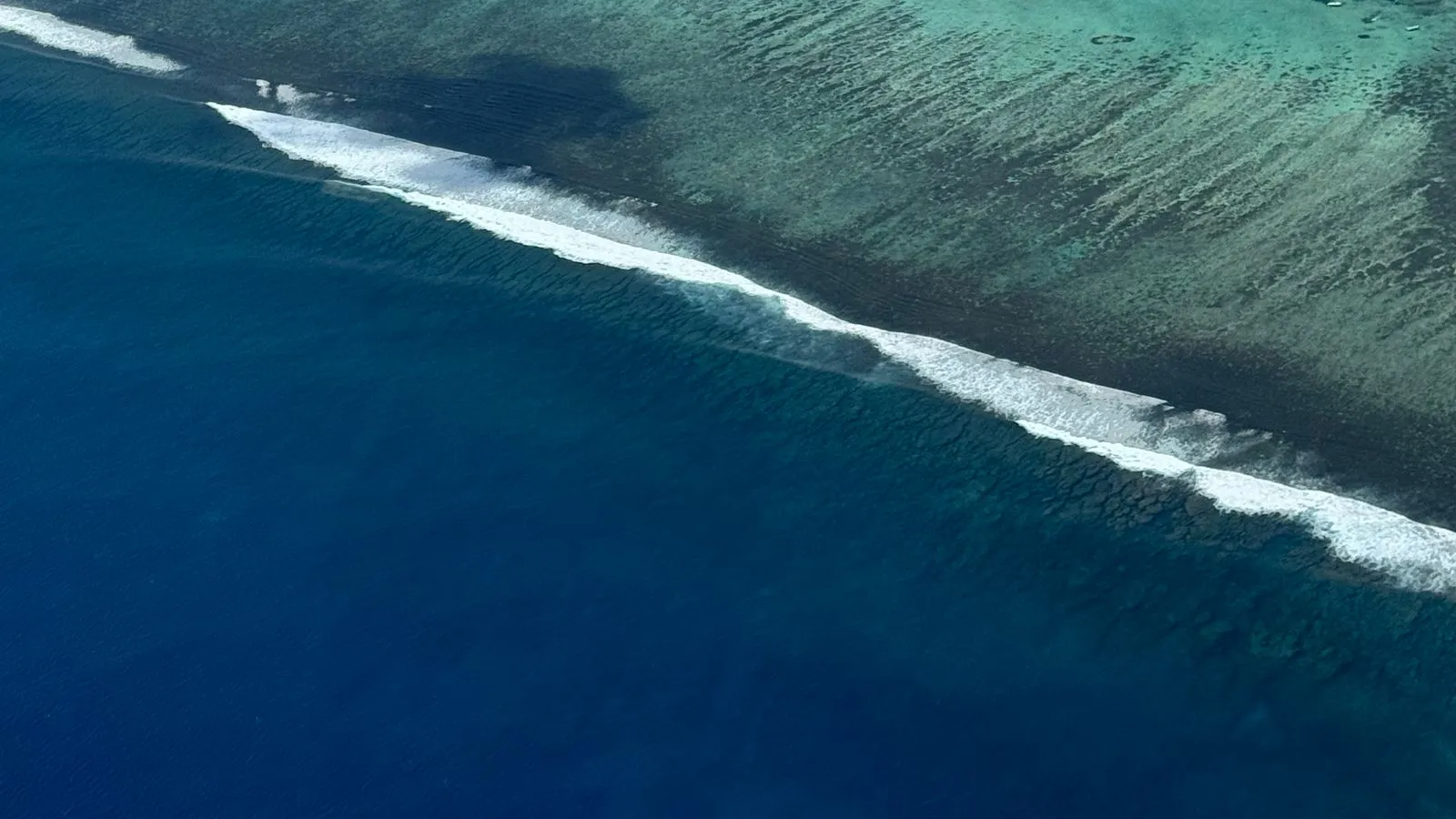
Mauritius sells itself in about three seconds: turquoise lagoons, year-round warmth, and a government that actually wants remote workers to show up. The reality is a little more textured, and that is the honest version worth hearing before you book a one-way flight.
This island suits you if you want a genuine tropical base with functioning infrastructure, decent internet, and a real tax incentive, and you can live with island pace and island prices. It suits you less if you need a dense city, cheap living, or a big anonymous crowd of other nomads. Mauritius is small (around 1.3 million people), and the community here is warm but modest in size.
Most remote workers cluster in a few spots. Grand Baie in the north is the social hub, walkable, full of cafes and short-term rentals. The west coast around Tamarin, Black River, and Flic en Flac draws surfers, families, and anyone chasing sunsets and kitesurfing. Port Louis is the working capital, useful for banking and admin but not where most people choose to live. Moka, inland, is the quieter, modern option near the business parks.
Budget roughly USD 1,500 to 2,500 a month for a comfortable single person including rent, more if you want a pool and an ocean view. Couples splitting a two-bedroom can do very well. The trade-offs are real: cyclone season runs November to April with heat and humidity to match, flights on and off the island are limited and pricey, and bureaucracy moves at its own tempo. Not sure the entry route fits your situation? Run it through our digital nomad visa checker before you commit.
Cost of living in Mauritius
Mauritius is not the bargain that Southeast Asia is, but it is far cheaper than Western Europe or coastal Australia, and the quality of life per dollar is high.
For a one-bedroom apartment, expect around MUR 21,700 a month (roughly USD 480) in a central or sought-after coastal area, and closer to MUR 14,700 (about USD 325) further out, according to Numbeo. Furnished short-term rentals aimed at nomads run higher, so a longer lease pays off fast once you settle.
Groceries are moderate. Local produce, fish, and market vegetables are cheap; imported and branded goods carry a premium because almost everything ships in. Numbeo puts monthly costs for a single person at around MUR 28,000 (roughly USD 625) excluding rent, and about MUR 104,000 (around USD 2,300) for a family of four. Eating out splits sharply: a plate at a local roadside spot or dholl puri stall costs a few dollars, while a three-course dinner for two at a mid-range restaurant lands near MUR 1,950 (about USD 43). Treat these as sourced estimates and verify before you go, since the rupee and import prices move.
Mauritius digital nomad visa and entry
Here is the part Mauritius genuinely gets right. The route for remote workers is the Premium Travel Visa, and per the Economic Development Board of Mauritius it is free of charge, valid for one year, and renewable. That is unusually generous; many countries charge several hundred dollars for an equivalent permit.
The visa is aimed at visitors who plan to stay long term while their work, business, and income remain based outside Mauritius. The EDB’s own FAQ sets the bar at USD 1,500 a month for each adult plus USD 500 a month for each dependent child under 24, so a couple with two children needs to show USD 4,000. You also need travel and health insurance for the whole stay, proof of accommodation, a return ticket beyond six months and your last three months of bank statements. Applications go online, with no processing fee.
Your passport matters for how you apply, not whether you can. Nationals of the 114 countries on the EDB list (the UK, US, EU states, Canada, Australia, India, Brazil and Mexico among them) apply from home. Everyone else, Philippine, Nigerian and Vietnamese passports included, enters on a tourist visa and applies from inside Mauritius. Without the Premium Visa, tourist stays are capped at 180 days in a calendar year.
A few honest caveats. The Premium Visa is a long-stay travel visa, not a residence or work permit, and one of its conditions is that you do not enter the Mauritian labour market, so you cannot take a local job on it. It also does not by itself make you a tax resident (more on that below). If your income sits under the threshold or you want a permanent path, Mauritius also offers Occupation Permits and a Residence Permit tied to buying qualifying property, which are separate, paid, and more demanding routes.
Tax residency and the 183 day rule
Mauritius is a low-tax jurisdiction, and that is a large part of its pull. Individual income tax runs on a progressive scale: the first MUR 500,000 of annual chargeable income is taxed at 0%, the next MUR 500,000 at 10%, and the remainder at 20%, per PwC’s tax summary. A Fair Share Contribution of 15% applies to leviable income above MUR 12 million, so very high earners pay more.
You become a tax resident under any one of three tests, per PwC: you are present for at least 183 days in the income year, or 270 days across the current and two preceding years, or your domicile is in Mauritius. This is the classic 183-day rule, and it is the number to watch if you are trying to shift, or avoid shifting, your tax home.
The detail that matters most for nomads: residents are taxed on worldwide income, but foreign-source income is taxable only when it is actually received (remitted) in Mauritius. So money you earn abroad and keep abroad may fall outside the Mauritian net. The EDB FAQ spells out how that works on the Premium Visa: paying on the island with a foreign card does not count as bringing money in, but money you deposit in a Mauritian bank account is taxable unless you declare that tax was already paid on it at home. This is educational, not advice, and cross-border tax is where people get burned, so speak to a qualified adviser and check where you remain liable back home. Our tax residency checker is a useful first pass on which countries might claim you.
Healthcare and insurance
Mauritius runs a dual system. Public healthcare at government hospitals such as Dr A. G. Jeetoo in Port Louis and SSRN in Pamplemousses is free for citizens, but foreigners are generally billed, so do not count on free treatment; expect queues, older facilities, and limited English at some counters.
Most remote workers lean private. The main names are C-Care (which runs several clinics including the former Apollo Bramwell), Wellkin Hospital in Moka, and Fortis Clinique Darne in Floreal. Standards at the private hospitals are good, doctors are often French or UK trained, and costs are a fraction of US prices, though a serious or complex case may still mean flying to Reunion, South Africa, or Europe.
Comprehensive private health insurance is smart and usually required for the Premium Visa. Local insurers include Swan, Mauritius Union, and Jubilee, and international expat policies work too. A consultation might run MUR 1,000 to 2,500 (roughly USD 22 to 55) out of pocket, but confirm current rates and coverage before relying on any figure.
Money, banking and settling in
Opening a local bank account as a Premium Visa holder is possible but not instant. The major banks are MCB, SBM, and Absa; bring your passport, visa, proof of address, and often a reference or proof of income. Expect paperwork, in-person appointments, and patience, since compliance checks take time.
For the first weeks, a multi-currency card such as Wise or Revolut plus a couple of international cards will cover you comfortably. Card payment is widely accepted in towns, hotels, and supermarkets, but keep cash for markets, small vendors, and buses. The currency is the Mauritian rupee (MUR), and USD or EUR are easy to change.
Practical footing: get a local SIM (Emtel or my.t) on arrival for cheap, reliable data, sort a longer lease once you know which coast you love, and remember driving is on the left with lively roads, so many newcomers rent before buying. English is an official language and widely understood, but French and Mauritian Creole run daily life, so a little French goes a long way. Settle in slowly, and the island rewards you.
Figures are estimates. Always check the official source.
Frequently asked questions
- Mauritius: is there a digital nomad visa?
- Premium Visa. For long-stay tourists, retirees and remote workers whose main place of business and source of income stay outside Mauritius; you must not enter the Mauritian labour market. Nationals of the 114 countries on the EDB list can apply from abroad; everyone else can still apply once in Mauritius on a tourist visa. You need travel and health insurance for the whole stay, proof of accommodation, a return ticket beyond six months and your last three months of bank statements. It is a multiple-entry visa, not a residence or work permit.
- Mauritius: when do you become a tax resident?
- You are tax resident for a Mauritian income year (1 July to 30 June) if you are present for 183 days or more in it, or for an aggregate 270 days or more across it and the two preceding income years, or if your domicile is in Mauritius. Residents are taxed on income derived in Mauritius or remitted to it. For Premium Visa holders the EDB says card spending in Mauritius on foreign cards is not a remittance, while money you bring in and deposit in a Mauritian bank account is taxable unless you declare that tax was already paid on it at home.
- Mauritius: what is the cost of living?
- The cost of living is moderate and the local currency is the MUR. Treat any figures as estimates.
- Mauritius: do you need health insurance?
- Public hospitals are free for residents, but non-resident foreigners pay out of pocket, so private health insurance is recommended.
- Mauritius: can you drive on a foreign licence?
- You may drive on a foreign licence for up to about four weeks; an International Driving Permit is recommended, especially if your licence is not in English or French.
Terms worth knowing
Africa: more countries to explore
Put it to work
- Free
Digital-Nomad Visa Checker
See which digital-nomad visas you could actually get with your passport and income, ranked, with the binding reason per country.
→ - Free
Tax-Residency Reality Checker
Go beyond the 183-day myth: model the treaty tie-breaker and see whether two countries could both claim you as a tax resident.
→ - Free
Nomad Insurance Picker
Match SafetyWing, Genki, World Nomads and others to your situation, and see which policies satisfy specific visa proof requirements.
→ - Free
Banking & FX Picker
Find the right account stack to avoid fees and hold multiple currencies abroad, Wise, Revolut, N26, for your nationality and spending.
→