Countries
Rwanda: visas, tax & cost of living
Moving to Rwanda as a remote worker: real Kigali costs, the visa and residence-permit reality (no nomad visa), tax residency, healthcare and banking.
United KingdomRwanda
Your move to Rwanda on a United Kingdom passport
- VisitHardExceeds visa-free stay
- NomadMediumNo nomad visa, other route
- RelocateMediumResidence with conditions
Visiting
Visa-free for up to 30 days. Travel on a passport valid for your whole stay, with a return or onward ticket and proof you can support yourself.
Passport validity: Passport generally valid for at least 6 months with a blank page is expected.
At the border: Passport, an approved e-visa or visa on arrival (or proof of a visa exemption), and proof of yellow fever vaccination if arriving from an endemic area.
Working remotely
No dedicated nomad visa; the usual route is a standard residence permit.
Tax and residency
You are generally treated as tax resident if you have a permanent home or habitual abode in Rwanda, or stay more than 183 days in any 12 month period, and residents are taxed on worldwide income while non residents are taxed only on Rwanda sourced income. (estimate)
The UK decides residence with its Statutory Residence Test (days in the UK plus your ties). As a non-resident you are usually taxed only on UK income; where one exists, a double-tax treaty with the destination decides who taxes what.
Practical
Currency: RWF. Cost of living: mid.
Healthcare: Foreigners typically rely on private clinics in Kigali or international health insurance, as the public Mutuelle de Sante community scheme is aimed mainly at residents.
Driving: An International Driving Permit alongside your home licence is recommended for short visits, and longer term residents may need to convert to a Rwandan licence.
Sources: Rwanda Directorate General of Immigration and Emigration - Visa · Rwanda Immigration - Visa on arrival · Rwanda Revenue Authority - Personal Income Tax · PwC Worldwide Tax Summaries - Rwanda individual residence · GOV.UK: tax on foreign income · HMRC: double-taxation treaties
Estimates, not advice. Confirm with the official sources before you act.
United StatesRwanda
Your move to Rwanda on a United States passport
- VisitFairly easyVisa on arrival, e-visa or travel authorization (ETA)
- NomadMediumNo nomad visa, other route
- RelocateMediumResidence with conditions
Visiting
You can get a visa on arrival. Carry the fee and the documents the border asks for, and confirm the current rules before you fly.
Passport validity: Passport generally valid for at least 6 months with a blank page is expected.
At the border: Passport, an approved e-visa or visa on arrival (or proof of a visa exemption), and proof of yellow fever vaccination if arriving from an endemic area.
Working remotely
No dedicated nomad visa; the usual route is a standard residence permit.
Tax and residency
You are generally treated as tax resident if you have a permanent home or habitual abode in Rwanda, or stay more than 183 days in any 12 month period, and residents are taxed on worldwide income while non residents are taxed only on Rwanda sourced income. (estimate)
The US taxes its citizens on worldwide income wherever you live, so you keep filing US returns abroad. The Foreign Earned Income Exclusion and the foreign tax credit are what stop you being taxed twice.
Practical
Currency: RWF. Cost of living: mid.
Healthcare: Foreigners typically rely on private clinics in Kigali or international health insurance, as the public Mutuelle de Sante community scheme is aimed mainly at residents.
Driving: An International Driving Permit alongside your home licence is recommended for short visits, and longer term residents may need to convert to a Rwandan licence.
Sources: Rwanda Directorate General of Immigration and Emigration - Visa · Rwanda Immigration - Visa on arrival · Rwanda Revenue Authority - Personal Income Tax · PwC Worldwide Tax Summaries - Rwanda individual residence · IRS: Foreign Earned Income Exclusion · IRS: tax treaties
Estimates, not advice. Confirm with the official sources before you act.
IndiaRwanda
Your move to Rwanda on a India passport
- VisitHardExceeds visa-free stay
- NomadMediumNo nomad visa, other route
- RelocateMediumResidence with conditions
Visiting
Visa-free for up to 30 days. Travel on a passport valid for your whole stay, with a return or onward ticket and proof you can support yourself.
Passport validity: Passport generally valid for at least 6 months with a blank page is expected.
At the border: Passport, an approved e-visa or visa on arrival (or proof of a visa exemption), and proof of yellow fever vaccination if arriving from an endemic area.
Working remotely
No dedicated nomad visa; the usual route is a standard residence permit.
Tax and residency
You are generally treated as tax resident if you have a permanent home or habitual abode in Rwanda, or stay more than 183 days in any 12 month period, and residents are taxed on worldwide income while non residents are taxed only on Rwanda sourced income. (estimate)
India taxes residents on worldwide income; your status depends on the days you spend in India (broadly 182 or more in the year). As a non-resident (NRI) you are taxed only on Indian-source income, and the relevant double-tax treaty allocates the rest.
Practical
Currency: RWF. Cost of living: mid.
Healthcare: Foreigners typically rely on private clinics in Kigali or international health insurance, as the public Mutuelle de Sante community scheme is aimed mainly at residents.
Driving: An International Driving Permit alongside your home licence is recommended for short visits, and longer term residents may need to convert to a Rwandan licence.
Sources: Rwanda Directorate General of Immigration and Emigration - Visa · Rwanda Immigration - Visa on arrival · Rwanda Revenue Authority - Personal Income Tax · PwC Worldwide Tax Summaries - Rwanda individual residence · Income Tax Department, India · India: Double Taxation Avoidance Agreements
Estimates, not advice. Confirm with the official sources before you act.
GermanyRwanda
Your move to Rwanda on a Germany passport
- VisitFairly easyVisa on arrival, e-visa or travel authorization (ETA)
- NomadMediumNo nomad visa, other route
- RelocateMediumResidence with conditions
Visiting
You can get a visa on arrival. Carry the fee and the documents the border asks for, and confirm the current rules before you fly.
Passport validity: Passport generally valid for at least 6 months with a blank page is expected.
At the border: Passport, an approved e-visa or visa on arrival (or proof of a visa exemption), and proof of yellow fever vaccination if arriving from an endemic area.
Working remotely
No dedicated nomad visa; the usual route is a standard residence permit.
Tax and residency
You are generally treated as tax resident if you have a permanent home or habitual abode in Rwanda, or stay more than 183 days in any 12 month period, and residents are taxed on worldwide income while non residents are taxed only on Rwanda sourced income. (estimate)
Germany taxes residents on worldwide income; you become resident through a home available to you (Wohnsitz) or a habitual abode of more than six months. As a non-resident you are usually taxed only on German-source income, and where one exists a double-tax treaty with the destination decides who taxes what.
Practical
Currency: RWF. Cost of living: mid.
Healthcare: Foreigners typically rely on private clinics in Kigali or international health insurance, as the public Mutuelle de Sante community scheme is aimed mainly at residents.
Driving: An International Driving Permit alongside your home licence is recommended for short visits, and longer term residents may need to convert to a Rwandan licence.
Sources: Rwanda Directorate General of Immigration and Emigration - Visa · Rwanda Immigration - Visa on arrival · Rwanda Revenue Authority - Personal Income Tax · PwC Worldwide Tax Summaries - Rwanda individual residence · Bundeszentralamt für Steuern (BZSt) · Germany: double-taxation agreements (BMF)
Estimates, not advice. Confirm with the official sources before you act.
FranceRwanda
Your move to Rwanda on a France passport
- VisitHardExceeds visa-free stay
- NomadMediumNo nomad visa, other route
- RelocateMediumResidence with conditions
Visiting
Visa-free for up to 30 days. Travel on a passport valid for your whole stay, with a return or onward ticket and proof you can support yourself.
Passport validity: Passport generally valid for at least 6 months with a blank page is expected.
At the border: Passport, an approved e-visa or visa on arrival (or proof of a visa exemption), and proof of yellow fever vaccination if arriving from an endemic area.
Working remotely
No dedicated nomad visa; the usual route is a standard residence permit.
Tax and residency
You are generally treated as tax resident if you have a permanent home or habitual abode in Rwanda, or stay more than 183 days in any 12 month period, and residents are taxed on worldwide income while non residents are taxed only on Rwanda sourced income. (estimate)
France taxes you on your worldwide income if your tax home (domicile fiscal) stays there, broadly when your household, main home, main job or main economic interests are in France, so moving abroad alone may not end it. Once you genuinely settle elsewhere you are usually taxed only on French-source income, and tax treaties typically prevent paying twice through an exemption or a foreign tax credit, but treat any figures as estimates and check your situation.
Practical
Currency: RWF. Cost of living: mid.
Healthcare: Foreigners typically rely on private clinics in Kigali or international health insurance, as the public Mutuelle de Sante community scheme is aimed mainly at residents.
Driving: An International Driving Permit alongside your home licence is recommended for short visits, and longer term residents may need to convert to a Rwandan licence.
Sources: Rwanda Directorate General of Immigration and Emigration - Visa · Rwanda Immigration - Visa on arrival · Rwanda Revenue Authority - Personal Income Tax · PwC Worldwide Tax Summaries - Rwanda individual residence · impots.gouv.fr - Résidents de France · impots.gouv.fr - Les conventions internationales
Estimates, not advice. Confirm with the official sources before you act.
SpainRwanda
Your move to Rwanda on a Spain passport
- VisitFairly easyVisa on arrival, e-visa or travel authorization (ETA)
- NomadMediumNo nomad visa, other route
- RelocateMediumResidence with conditions
Visiting
You can get a visa on arrival. Carry the fee and the documents the border asks for, and confirm the current rules before you fly.
Passport validity: Passport generally valid for at least 6 months with a blank page is expected.
At the border: Passport, an approved e-visa or visa on arrival (or proof of a visa exemption), and proof of yellow fever vaccination if arriving from an endemic area.
Working remotely
No dedicated nomad visa; the usual route is a standard residence permit.
Tax and residency
You are generally treated as tax resident if you have a permanent home or habitual abode in Rwanda, or stay more than 183 days in any 12 month period, and residents are taxed on worldwide income while non residents are taxed only on Rwanda sourced income. (estimate)
If Spain still counts as your tax home (roughly 183+ days in the country in a year, or your main base of life and income sits there), Spain taxes your worldwide income at IRPF rates, so what you earn abroad usually counts too. The sting is softened by double-tax treaties and a foreign-tax credit, plus the Article 7.p exemption that can shelter work done abroad up to around 60,100 euros a year, but treat every figure as an estimate and check your own case before you file.
Practical
Currency: RWF. Cost of living: mid.
Healthcare: Foreigners typically rely on private clinics in Kigali or international health insurance, as the public Mutuelle de Sante community scheme is aimed mainly at residents.
Driving: An International Driving Permit alongside your home licence is recommended for short visits, and longer term residents may need to convert to a Rwandan licence.
Sources: Rwanda Directorate General of Immigration and Emigration - Visa · Rwanda Immigration - Visa on arrival · Rwanda Revenue Authority - Personal Income Tax · PwC Worldwide Tax Summaries - Rwanda individual residence · Agencia Tributaria: persona física residente en España · Agencia Tributaria: obtención de rentas extranjeras, reglas generales
Estimates, not advice. Confirm with the official sources before you act.
ItalyRwanda
Your move to Rwanda on a Italy passport
- VisitFairly easyVisa on arrival, e-visa or travel authorization (ETA)
- NomadMediumNo nomad visa, other route
- RelocateMediumResidence with conditions
Visiting
You can get a visa on arrival. Carry the fee and the documents the border asks for, and confirm the current rules before you fly.
Passport validity: Passport generally valid for at least 6 months with a blank page is expected.
At the border: Passport, an approved e-visa or visa on arrival (or proof of a visa exemption), and proof of yellow fever vaccination if arriving from an endemic area.
Working remotely
No dedicated nomad visa; the usual route is a standard residence permit.
Tax and residency
You are generally treated as tax resident if you have a permanent home or habitual abode in Rwanda, or stay more than 183 days in any 12 month period, and residents are taxed on worldwide income while non residents are taxed only on Rwanda sourced income. (estimate)
Italy generally treats you as a tax resident if for most of the year (roughly 183 days or more) your home, family or registration ties are here, and residents are taxed on worldwide income wherever they live. The relief is usually a foreign tax credit for tax already paid abroad, often shaped by Italy's double-taxation treaties, so the same income should not be taxed twice.
Practical
Currency: RWF. Cost of living: mid.
Healthcare: Foreigners typically rely on private clinics in Kigali or international health insurance, as the public Mutuelle de Sante community scheme is aimed mainly at residents.
Driving: An International Driving Permit alongside your home licence is recommended for short visits, and longer term residents may need to convert to a Rwandan licence.
Sources: Rwanda Directorate General of Immigration and Emigration - Visa · Rwanda Immigration - Visa on arrival · Rwanda Revenue Authority - Personal Income Tax · PwC Worldwide Tax Summaries - Rwanda individual residence · Agenzia delle Entrate, Residence for tax purposes · Agenzia delle Entrate, Bilateral agreements to prevent double taxation
Estimates, not advice. Confirm with the official sources before you act.
CanadaRwanda
Your move to Rwanda on a Canada passport
- VisitHardExceeds visa-free stay
- NomadMediumNo nomad visa, other route
- RelocateMediumResidence with conditions
Visiting
Visa-free for up to 30 days. Travel on a passport valid for your whole stay, with a return or onward ticket and proof you can support yourself.
Passport validity: Passport generally valid for at least 6 months with a blank page is expected.
At the border: Passport, an approved e-visa or visa on arrival (or proof of a visa exemption), and proof of yellow fever vaccination if arriving from an endemic area.
Working remotely
No dedicated nomad visa; the usual route is a standard residence permit.
Tax and residency
You are generally treated as tax resident if you have a permanent home or habitual abode in Rwanda, or stay more than 183 days in any 12 month period, and residents are taxed on worldwide income while non residents are taxed only on Rwanda sourced income. (estimate)
Canada taxes you on residency, not on holding the passport, so as long as the CRA still treats you as a resident (kept home, family or strong ties) you generally owe Canadian tax on your worldwide income. The relief is usually a foreign tax credit for tax you already paid abroad, often topped up by a tax treaty, though the exact amounts are only estimates until you check your own case.
Practical
Currency: RWF. Cost of living: mid.
Healthcare: Foreigners typically rely on private clinics in Kigali or international health insurance, as the public Mutuelle de Sante community scheme is aimed mainly at residents.
Driving: An International Driving Permit alongside your home licence is recommended for short visits, and longer term residents may need to convert to a Rwandan licence.
Sources: Rwanda Directorate General of Immigration and Emigration - Visa · Rwanda Immigration - Visa on arrival · Rwanda Revenue Authority - Personal Income Tax · PwC Worldwide Tax Summaries - Rwanda individual residence · Canada Revenue Agency, Determining your residency status · Department of Finance Canada, Tax treaties in force
Estimates, not advice. Confirm with the official sources before you act.
AustraliaRwanda
Your move to Rwanda on a Australia passport
- VisitHardExceeds visa-free stay
- NomadMediumNo nomad visa, other route
- RelocateMediumResidence with conditions
Visiting
Visa-free for up to 30 days. Travel on a passport valid for your whole stay, with a return or onward ticket and proof you can support yourself.
Passport validity: Passport generally valid for at least 6 months with a blank page is expected.
At the border: Passport, an approved e-visa or visa on arrival (or proof of a visa exemption), and proof of yellow fever vaccination if arriving from an endemic area.
Working remotely
No dedicated nomad visa; the usual route is a standard residence permit.
Tax and residency
You are generally treated as tax resident if you have a permanent home or habitual abode in Rwanda, or stay more than 183 days in any 12 month period, and residents are taxed on worldwide income while non residents are taxed only on Rwanda sourced income. (estimate)
If you stay an Australian resident for tax purposes, Australia generally taxes your worldwide income wherever you live, with residency turned on the moment your real home and ties are here (a continuous stay of roughly 6 months can be enough). To soften double tax, you can usually claim a Foreign Income Tax Offset for tax already paid abroad, capped at the Australian tax on that income, and treaties may help too, so treat these figures as estimates and check your own case.
Practical
Currency: RWF. Cost of living: mid.
Healthcare: Foreigners typically rely on private clinics in Kigali or international health insurance, as the public Mutuelle de Sante community scheme is aimed mainly at residents.
Driving: An International Driving Permit alongside your home licence is recommended for short visits, and longer term residents may need to convert to a Rwandan licence.
Sources: Rwanda Directorate General of Immigration and Emigration - Visa · Rwanda Immigration - Visa on arrival · Rwanda Revenue Authority - Personal Income Tax · PwC Worldwide Tax Summaries - Rwanda individual residence · Australian Taxation Office, Australian resident for tax purposes · Australian Taxation Office, International tax agreements (tax treaties)
Estimates, not advice. Confirm with the official sources before you act.
BrazilRwanda
Your move to Rwanda on a Brazil passport
- VisitFairly easyVisa on arrival, e-visa or travel authorization (ETA)
- NomadMediumNo nomad visa, other route
- RelocateMediumResidence with conditions
Visiting
You can get a visa on arrival. Carry the fee and the documents the border asks for, and confirm the current rules before you fly.
Passport validity: Passport generally valid for at least 6 months with a blank page is expected.
At the border: Passport, an approved e-visa or visa on arrival (or proof of a visa exemption), and proof of yellow fever vaccination if arriving from an endemic area.
Working remotely
No dedicated nomad visa; the usual route is a standard residence permit.
Tax and residency
You are generally treated as tax resident if you have a permanent home or habitual abode in Rwanda, or stay more than 183 days in any 12 month period, and residents are taxed on worldwide income while non residents are taxed only on Rwanda sourced income. (estimate)
If Brazil still counts you as tax-resident, usually triggered by a permanent visa, a temporary visa plus a job, or roughly 183 days in the country within any 12 months, the Receita Federal taxes your worldwide income, so you keep filing the annual return wherever you live. The relief is real but partial: tax paid abroad can normally be credited against what you owe in Brazil under a treaty or recognised reciprocity, so most people are not taxed twice on the same income.
Practical
Currency: RWF. Cost of living: mid.
Healthcare: Foreigners typically rely on private clinics in Kigali or international health insurance, as the public Mutuelle de Sante community scheme is aimed mainly at residents.
Driving: An International Driving Permit alongside your home licence is recommended for short visits, and longer term residents may need to convert to a Rwandan licence.
Sources: Rwanda Directorate General of Immigration and Emigration - Visa · Rwanda Immigration - Visa on arrival · Rwanda Revenue Authority - Personal Income Tax · PwC Worldwide Tax Summaries - Rwanda individual residence · Receita Federal, Acordos para evitar a dupla tributação · Receita Federal, Imposto sobre a Renda da Pessoa Física (IRPF)
Estimates, not advice. Confirm with the official sources before you act.
MexicoRwanda
Your move to Rwanda on a Mexico passport
- VisitFairly easyVisa on arrival, e-visa or travel authorization (ETA)
- NomadMediumNo nomad visa, other route
- RelocateMediumResidence with conditions
Visiting
You can get a visa on arrival. Carry the fee and the documents the border asks for, and confirm the current rules before you fly.
Passport validity: Passport generally valid for at least 6 months with a blank page is expected.
At the border: Passport, an approved e-visa or visa on arrival (or proof of a visa exemption), and proof of yellow fever vaccination if arriving from an endemic area.
Working remotely
No dedicated nomad visa; the usual route is a standard residence permit.
Tax and residency
You are generally treated as tax resident if you have a permanent home or habitual abode in Rwanda, or stay more than 183 days in any 12 month period, and residents are taxed on worldwide income while non residents are taxed only on Rwanda sourced income. (estimate)
Mexico taxes you on your worldwide income once you count as a tax resident, which usually means your main home or your center of life is here (very roughly, spending more than about 183 days a year can tip the balance). The good news is the SAT lets you credit foreign income tax you already paid, and Mexico's double-taxation treaties mean the same money should not normally be taxed twice.
Practical
Currency: RWF. Cost of living: mid.
Healthcare: Foreigners typically rely on private clinics in Kigali or international health insurance, as the public Mutuelle de Sante community scheme is aimed mainly at residents.
Driving: An International Driving Permit alongside your home licence is recommended for short visits, and longer term residents may need to convert to a Rwandan licence.
Sources: Rwanda Directorate General of Immigration and Emigration - Visa · Rwanda Immigration - Visa on arrival · Rwanda Revenue Authority - Personal Income Tax · PwC Worldwide Tax Summaries - Rwanda individual residence · SAT - Servicio de Administración Tributaria · SAT - Tratados en Materia Fiscal (para evitar la doble tributación)
Estimates, not advice. Confirm with the official sources before you act.
PhilippinesRwanda
Your move to Rwanda on a Philippines passport
- VisitEasyVisa-free entry
- NomadMediumNo nomad visa, other route
- RelocateMediumResidence with conditions
Visiting
Visa-free for up to 90 days. Travel on a passport valid for your whole stay, with a return or onward ticket and proof you can support yourself.
Passport validity: Passport generally valid for at least 6 months with a blank page is expected.
At the border: Passport, an approved e-visa or visa on arrival (or proof of a visa exemption), and proof of yellow fever vaccination if arriving from an endemic area.
Working remotely
No dedicated nomad visa; the usual route is a standard residence permit.
Tax and residency
You are generally treated as tax resident if you have a permanent home or habitual abode in Rwanda, or stay more than 183 days in any 12 month period, and residents are taxed on worldwide income while non residents are taxed only on Rwanda sourced income. (estimate)
If you stay a resident citizen, the Philippines taxes your worldwide income, but once you genuinely live and work abroad you usually count as a non-resident citizen and are taxed only on income from Philippine sources. The exact line depends on how long you are out and your ties back home, so treat these as estimates, and a foreign tax credit can offset tax already paid abroad.
Practical
Currency: RWF. Cost of living: mid.
Healthcare: Foreigners typically rely on private clinics in Kigali or international health insurance, as the public Mutuelle de Sante community scheme is aimed mainly at residents.
Driving: An International Driving Permit alongside your home licence is recommended for short visits, and longer term residents may need to convert to a Rwandan licence.
Sources: Rwanda Directorate General of Immigration and Emigration - Visa · Rwanda Immigration - Visa on arrival · Rwanda Revenue Authority - Personal Income Tax · PwC Worldwide Tax Summaries - Rwanda individual residence · BIR - Taxation of Foreign Source Income · BIR - Taxation of Non-Residents
Estimates, not advice. Confirm with the official sources before you act.
NigeriaRwanda
Your move to Rwanda on a Nigeria passport
- VisitHardExceeds visa-free stay
- NomadMediumNo nomad visa, other route
- RelocateMediumResidence with conditions
Visiting
Visa-free for up to 30 days. Travel on a passport valid for your whole stay, with a return or onward ticket and proof you can support yourself.
Passport validity: Passport generally valid for at least 6 months with a blank page is expected.
At the border: Passport, an approved e-visa or visa on arrival (or proof of a visa exemption), and proof of yellow fever vaccination if arriving from an endemic area.
Working remotely
No dedicated nomad visa; the usual route is a standard residence permit.
Tax and residency
You are generally treated as tax resident if you have a permanent home or habitual abode in Rwanda, or stay more than 183 days in any 12 month period, and residents are taxed on worldwide income while non residents are taxed only on Rwanda sourced income. (estimate)
If Nigeria still counts you as resident, roughly 183 or more days in the country in a year, or you keep a home, habitual abode or close family and economic ties there, you are generally taxed on your worldwide income, not just what you earn in Nigeria. There is usually a foreign tax credit, and Nigeria's tax treaties, so tax you already paid abroad can typically be set against your Nigerian bill, but treat these figures as estimates and check the current rules before you file.
Practical
Currency: RWF. Cost of living: mid.
Healthcare: Foreigners typically rely on private clinics in Kigali or international health insurance, as the public Mutuelle de Sante community scheme is aimed mainly at residents.
Driving: An International Driving Permit alongside your home licence is recommended for short visits, and longer term residents may need to convert to a Rwandan licence.
Sources: Rwanda Directorate General of Immigration and Emigration - Visa · Rwanda Immigration - Visa on arrival · Rwanda Revenue Authority - Personal Income Tax · PwC Worldwide Tax Summaries - Rwanda individual residence · Federal Inland Revenue Service (FIRS) · FIRS - Tax Treaties and Related Matters
Estimates, not advice. Confirm with the official sources before you act.
VietnamRwanda
Your move to Rwanda on a Vietnam passport
- VisitHardExceeds visa-free stay
- NomadMediumNo nomad visa, other route
- RelocateMediumResidence with conditions
Visiting
Visa-free for up to 30 days. Travel on a passport valid for your whole stay, with a return or onward ticket and proof you can support yourself.
Passport validity: Passport generally valid for at least 6 months with a blank page is expected.
At the border: Passport, an approved e-visa or visa on arrival (or proof of a visa exemption), and proof of yellow fever vaccination if arriving from an endemic area.
Working remotely
No dedicated nomad visa; the usual route is a standard residence permit.
Tax and residency
You are generally treated as tax resident if you have a permanent home or habitual abode in Rwanda, or stay more than 183 days in any 12 month period, and residents are taxed on worldwide income while non residents are taxed only on Rwanda sourced income. (estimate)
Vietnam treats you as a tax resident once you spend roughly 183 days there in a calendar year (or any rolling 12 months) or keep a permanent home, and residents are taxed on worldwide income at progressive rates of around 5% to 35%; there is no foreign-earned-income exclusion, but Vietnam's tax treaties and a foreign tax credit usually stop the same income being taxed twice.
Practical
Currency: RWF. Cost of living: mid.
Healthcare: Foreigners typically rely on private clinics in Kigali or international health insurance, as the public Mutuelle de Sante community scheme is aimed mainly at residents.
Driving: An International Driving Permit alongside your home licence is recommended for short visits, and longer term residents may need to convert to a Rwandan licence.
Sources: Rwanda Directorate General of Immigration and Emigration - Visa · Rwanda Immigration - Visa on arrival · Rwanda Revenue Authority - Personal Income Tax · PwC Worldwide Tax Summaries - Rwanda individual residence · General Department of Taxation (Tổng cục Thuế) · GDT - Agreements for Avoidance of Double Taxation
Estimates, not advice. Confirm with the official sources before you act.
Should you move to Rwanda?
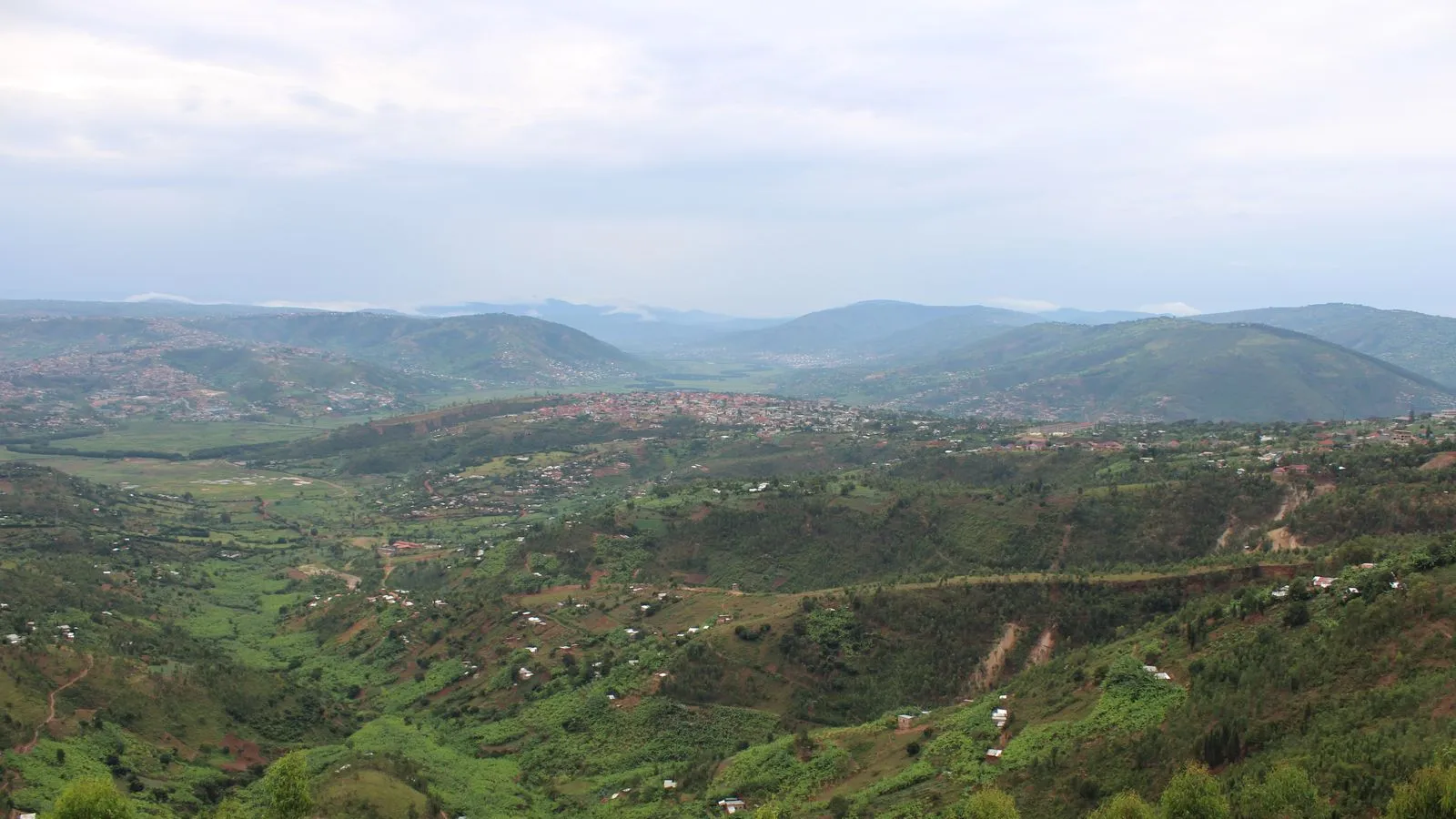
Rwanda is one of those places that quietly surprises people. Kigali, the capital, is clean, orderly and genuinely safe to walk at night, which is not something you can say about most cities on any continent. The city has leaned hard into a tech-hub identity for a decade now, English is an official language alongside Kinyarwanda and French, and the internet is good enough to run video calls without drama. If you want an African base that feels calm and workable rather than chaotic, this is a strong pick.
It suits a specific person, though. You will do best here if you like a slower, greener, hilly city (Kigali sits around 1,500 metres, so it stays mild and cool), you value safety and cleanliness over nightlife, and you do not mind a small expat scene rather than a big one. Most remote workers cluster in Kigali neighbourhoods like Kimihurura, Kacyiru and Nyarutarama, near the cafes, coworking spaces and embassies.
Budget roughly 900 to 1,500 US dollars a month for a comfortable single life, more if you want a modern serviced apartment and eat out a lot. The honest trade-offs: there is no digital nomad visa yet, so long stays mean paperwork; the rainy seasons (roughly March to May and October to November) are properly wet; and while Rwanda is politically stable, it is also tightly governed, with limited press freedom and real tension along the western border with the DRC. Keep to Kigali and the tourist circuit and you will not feel any of that, but it is worth knowing.
Cost of living in Rwanda
Rwanda is moderate, not dirt cheap. Imported goods and modern apartments cost real money, while local food and transport are very affordable. Figures below come from Numbeo’s Kigali index (mid 2026), converted at roughly 1,470 RWF to the US dollar per current exchange rates, so treat every number as a moving estimate.
Rent is the big variable. A one-bedroom flat outside the centre runs around 610,000 RWF a month (about 415 US dollars), while a central one-bedroom is closer to 985,000 RWF (roughly 670 dollars). A three-bedroom outside the centre lands near 1,256,000 RWF (about 855 dollars). Basic utilities for a mid-sized flat are around 99,000 RWF (67 dollars), and home broadband about 32,000 RWF (22 dollars), which is on the pricey side for the speed.
Eating is where Rwanda feels kind. A meal at a simple local place is around 3,500 RWF (under 3 dollars), and a mid-range dinner for two runs near 40,000 RWF (about 27 dollars). Local produce at markets is cheap and good. A monthly public transport pass is about 37,500 RWF (26 dollars), and the moto-taxis everyone uses cost a couple of dollars a ride. Add it up and a frugal nomad can live well under 1,000 dollars, while an imported, air-conditioned, restaurant-heavy lifestyle pushes past 1,800.
Rwanda long-stay visas and entry
Let me be plain: Rwanda does not have a dedicated digital nomad visa. Anyone marketing one is stretching the truth. What Rwanda does have is one of the most open entry policies in Africa. Citizens of every country can get a visa on arrival, typically for 30 days, and you can also apply online in advance through the Directorate General of Immigration and Emigration. Regional travellers can use the East African Tourist Visa (Rwanda, Kenya and Uganda), which is usually valid for 90 days.
For a stay measured in months rather than weeks, the real route is a residence or work permit, applied for through the government’s Irembo portal and issued by the immigration directorate. Rwanda organises these into permit classes covering employees, investors and entrepreneurs, and the country is notably friendly to people setting up a business or working for a registered local entity. There is no clean “I work remotely for a foreign company” category, so remote workers usually either do repeated short stays, register a local company, or get sponsored by a Rwandan employer. Rules and fees change, so confirm your class directly with the directorate before you commit.
If you want a quick read on where you stand across different countries, our digital nomad visa checker is a useful first pass before you dig into the official pages.
Tax residency and the 183 day rule
This is educational, not advice, and Rwandan tax is one place where you genuinely want a local accountant. In broad terms, Rwanda treats you as a tax resident if you have a permanent home in the country or you spend more than 183 days there within a 12-month period. Cross that line and, per the Rwanda Revenue Authority framework, residents are taxed on worldwide income while non-residents are taxed only on Rwanda-source income.
Personal income tax is progressive, with monthly bands that top out at a 30 percent marginal rate on higher earnings, according to PwC’s Rwanda tax summary. One genuinely interesting wrinkle: qualifying experts working for entities licensed under the Kigali International Financial Centre can get an exemption on foreign-source income for their first years of residency, though the conditions are narrow. Rates and thresholds drift, so verify current figures before you plan anything. To sketch out whether a Rwanda stay might tip you into local tax residency, our tax residency checker is a helpful starting point, not a substitute for a professional.
Healthcare and insurance
Public healthcare runs on the well-known Community-Based Health Insurance scheme (Mutuelle de Sante) managed by the Rwanda Social Security Board, which covers a large majority of Rwandans at low cost. As a foreigner you will lean on private care instead. Kigali’s main private and referral options include King Faisal Hospital and Baho International Hospital, plus a growing set of private clinics; consultations and routine care are affordable by Western standards, but complex cases are sometimes referred onward to Nairobi.
The sensible move is comprehensive international health insurance that includes medical evacuation, since regional specialist care can mean a flight. Malaria risk in Kigali itself is low thanks to the altitude, but rises in lower, wetter parts of the country, so pack repellent and check current advice for any travel outside the capital.
Money, banking and settling in
Rwanda runs on mobile money. MTN MoMo and Airtel Money are how locals pay for almost everything, and getting a local SIM and a mobile-money wallet in your first week will make life dramatically easier. Cards (Visa mostly) work at hotels, supermarkets and larger restaurants, but carry cash for markets and moto rides.
Opening a proper bank account usually requires a residence permit and proof of address, so most short-stayers rely on mobile money plus a foreign card and ATMs. If you do settle, Bank of Kigali, Equity Bank and I&M Bank are common choices. A few settling-in notes: Kigali is famously tidy (single-use plastic bags are banned, so bring a reusable one), the last Saturday of each month is Umuganda community cleanup when many services pause for the morning, and the expat community, while small, is welcoming and easy to plug into through coworking spaces and Kimihurura’s cafes. Give yourself a couple of weeks and the city starts to feel like home.
Figures are estimates. Always check the official source.
Frequently asked questions
- Rwanda: is there a digital nomad visa?
- No dedicated digital nomad visa; most people use a standard residence permit instead.
- Rwanda: when do you become a tax resident?
- You are generally treated as tax resident if you have a permanent home or habitual abode in Rwanda, or stay more than 183 days in any 12 month period, and residents are taxed on worldwide income while non residents are taxed only on Rwanda sourced income.
- Rwanda: what is the cost of living?
- The cost of living is moderate and the local currency is the RWF. Treat any figures as estimates.
- Rwanda: do you need health insurance?
- Foreigners typically rely on private clinics in Kigali or international health insurance, as the public Mutuelle de Sante community scheme is aimed mainly at residents.
- Rwanda: can you drive on a foreign licence?
- An International Driving Permit alongside your home licence is recommended for short visits, and longer term residents may need to convert to a Rwandan licence.
Terms worth knowing
Africa: more countries to explore
Put it to work
- Free
Digital-Nomad Visa Checker
See which digital-nomad visas you could actually get with your passport and income, ranked, with the binding reason per country.
→ - Free
Tax-Residency Reality Checker
Go beyond the 183-day myth: model the treaty tie-breaker and see whether two countries could both claim you as a tax resident.
→ - Free
Nomad Insurance Picker
Match SafetyWing, Genki, World Nomads and others to your situation, and see which policies satisfy specific visa proof requirements.
→ - Free
Banking & FX Picker
Find the right account stack to avoid fees and hold multiple currencies abroad, Wise, Revolut, N26, for your nationality and spending.
→