Countries
Montenegro: visas, tax & cost of living
Montenegro's Digital Nomad Visa has no published income figure, just proof of means; runs up to 2 years, extendable once. Tax residency after more than 183 days. Low-cost Adriatic base.
United KingdomMontenegro
Your move to Montenegro on a United Kingdom passport
- VisitEasyVisa-free entry
- NomadEasyNomad visa, likely eligible
- RelocateFairly easyClear residence route
Visiting
Visa-free for up to 90 days. Travel on a passport valid for your whole stay, with a return or onward ticket and proof you can support yourself.
Passport validity: For a visit, a valid travel document is enough under the Decree on Visa Regime. For the nomad permit, art. 43(1)(4) of the Law on Foreigners requires a passport valid at least three months longer than the period the permit covers.
Heads-up: Montenegro is outside Schengen and requires no ETIAS-style pre-authorisation. Neither the permit (Law on Foreigners art. 60a) nor the tax exemption (Personal Income Tax Law art. 32d) carries an expiry date, so reports that the programme closes on 31 December 2026 have no statutory basis we could find; the government's 2021 strategy document ran only to 2025, which may be the source of the confusion. The Law on Foreigners was last amended in Sl. list CG 3/2026.
At the border: Be ready to show passport, proof of onward or return travel, proof of accommodation, and ideally proof of funds and travel insurance. Visa-free entry is capped at 90 days within any 180-day period (art. 8), and you must register your stay with the police within 24 hours of arriving (art. 96), a duty your hotel or host normally discharges for you.
Working remotely
Temporary residence permit for a digital nomad.
Income needed: No published figure. The law asks for "means of subsistence" and the Ministry sets no nomad-specific amount; the EUR 1,800 to EUR 2,400 quoted online has no official basis we could confirm. (estimate)
Duration: 24 months
Fee: EUR 5 for the permit card (rulebook art. 17); administrative tax and application fees on top, with no nomad-specific total published (estimate)
Who qualifies: A digital nomad is defined in art. 6(9) of the Law on Foreigners as a foreigner employed by, or working electronically for, a foreign company or their own company not registered in Montenegro. Art. 60a requires an employment contract or other proof of that work plus proof the company is registered in another state. The general art. 43 conditions also apply: means of subsistence, accommodation, health insurance, a passport valid at least three months beyond the permit, and no unconditional prison sentence over six months in Montenegro or in the country of origin. The application must be lodged in person in Montenegro (art. 61) and biometrics are taken. The permit runs up to two years and can be extended by at most two more; after it expires a new one cannot be issued for six months. Close family (spouse, minor children, stepchildren and adopted children under 18) may join.
Tax and residency
Resident with a domicile or a centre of business and life interests in Montenegro, or after MORE than 183 days in the tax year (Personal Income Tax Law art. 3). Employment income is taxed at 0% up to EUR 700, 9% to EUR 1,000 and 15% above; most other income is a flat 15%. Art. 32d exempts personal earnings and self-employment income from an employer not registered in Montenegro for holders of digital nomad status. The exemption carries no expiry date. (estimate)
The UK decides residence with its Statutory Residence Test (days in the UK plus your ties). As a non-resident you are usually taxed only on UK income; where one exists, a double-tax treaty with the destination decides who taxes what.
Double-tax treaty: yes, in force since 1982
Practical
Currency: EUR. Cost of living: low.
Healthcare: Emergency healthcare is not free for foreigners unless a reciprocal agreement applies, so private travel or medical insurance is recommended.
Healthcare agreement: Reciprocal agreement gives free emergency treatment in state facilities using a GHIC and a certificate of entitlement from the Montenegrin Health Insurance Fund.
Driving: A valid foreign licence is generally fine for short visits, but carrying a 1968 International Driving Permit alongside it is recommended.
Sources: Law on Foreigners, consolidated text (Sl. list CG 12/2018, 3/2019, 86/2022, 77/2024, 3/2026), art. 6(9), art. 43, art. 60a · Personal Income Tax Law, consolidated text (through Sl. list CG 88/2024), art. 3 residence, art. 10 rates, art. 32d digital nomad exemption · Government of Montenegro, legal status for digital nomads (procedure, duration, six-month gap, family) · Decree on Visa Regime (Sl. list CG 33/19 to 126/25, adopted 27 October 2025), art. 1 visa-free 90 days · Rulebook on forms and conditions for temporary residence permits (Sl. list CG 25/2019), art. 9 subsistence, art. 17 permit card fee · Programme for Attracting Digital Nomads in Montenegro until 2025, with the 2022 action plan · GOV.UK: tax on foreign income · HMRC: double-taxation treaties
Estimates, not advice. Confirm with the official sources before you act.
United StatesMontenegro
Your move to Montenegro on a United States passport
- VisitEasyVisa-free entry
- NomadEasyNomad visa, likely eligible
- RelocateFairly easyClear residence route
Visiting
Visa-free for up to 90 days. Travel on a passport valid for your whole stay, with a return or onward ticket and proof you can support yourself.
Passport validity: For a visit, a valid travel document is enough under the Decree on Visa Regime. For the nomad permit, art. 43(1)(4) of the Law on Foreigners requires a passport valid at least three months longer than the period the permit covers.
Heads-up: Montenegro is outside Schengen and requires no ETIAS-style pre-authorisation. Neither the permit (Law on Foreigners art. 60a) nor the tax exemption (Personal Income Tax Law art. 32d) carries an expiry date, so reports that the programme closes on 31 December 2026 have no statutory basis we could find; the government's 2021 strategy document ran only to 2025, which may be the source of the confusion. The Law on Foreigners was last amended in Sl. list CG 3/2026.
At the border: Be ready to show passport, proof of onward or return travel, proof of accommodation, and ideally proof of funds and travel insurance. Visa-free entry is capped at 90 days within any 180-day period (art. 8), and you must register your stay with the police within 24 hours of arriving (art. 96), a duty your hotel or host normally discharges for you.
Working remotely
Temporary residence permit for a digital nomad.
Income needed: No published figure. The law asks for "means of subsistence" and the Ministry sets no nomad-specific amount; the EUR 1,800 to EUR 2,400 quoted online has no official basis we could confirm. (estimate)
Duration: 24 months
Fee: EUR 5 for the permit card (rulebook art. 17); administrative tax and application fees on top, with no nomad-specific total published (estimate)
Who qualifies: A digital nomad is defined in art. 6(9) of the Law on Foreigners as a foreigner employed by, or working electronically for, a foreign company or their own company not registered in Montenegro. Art. 60a requires an employment contract or other proof of that work plus proof the company is registered in another state. The general art. 43 conditions also apply: means of subsistence, accommodation, health insurance, a passport valid at least three months beyond the permit, and no unconditional prison sentence over six months in Montenegro or in the country of origin. The application must be lodged in person in Montenegro (art. 61) and biometrics are taken. The permit runs up to two years and can be extended by at most two more; after it expires a new one cannot be issued for six months. Close family (spouse, minor children, stepchildren and adopted children under 18) may join.
Tax and residency
Resident with a domicile or a centre of business and life interests in Montenegro, or after MORE than 183 days in the tax year (Personal Income Tax Law art. 3). Employment income is taxed at 0% up to EUR 700, 9% to EUR 1,000 and 15% above; most other income is a flat 15%. Art. 32d exempts personal earnings and self-employment income from an employer not registered in Montenegro for holders of digital nomad status. The exemption carries no expiry date. (estimate)
The US taxes its citizens on worldwide income wherever you live, so you keep filing US returns abroad. The Foreign Earned Income Exclusion and the foreign tax credit are what stop you being taxed twice.
Double-tax treaty: none
Practical
Currency: EUR. Cost of living: low.
Healthcare: Emergency healthcare is not free for foreigners unless a reciprocal agreement applies, so private travel or medical insurance is recommended.
Driving: A valid foreign licence is generally fine for short visits, but carrying a 1968 International Driving Permit alongside it is recommended.
Sources: Law on Foreigners, consolidated text (Sl. list CG 12/2018, 3/2019, 86/2022, 77/2024, 3/2026), art. 6(9), art. 43, art. 60a · Personal Income Tax Law, consolidated text (through Sl. list CG 88/2024), art. 3 residence, art. 10 rates, art. 32d digital nomad exemption · Government of Montenegro, legal status for digital nomads (procedure, duration, six-month gap, family) · Decree on Visa Regime (Sl. list CG 33/19 to 126/25, adopted 27 October 2025), art. 1 visa-free 90 days · Rulebook on forms and conditions for temporary residence permits (Sl. list CG 25/2019), art. 9 subsistence, art. 17 permit card fee · Programme for Attracting Digital Nomads in Montenegro until 2025, with the 2022 action plan · IRS: Foreign Earned Income Exclusion · IRS: tax treaties
Estimates, not advice. Confirm with the official sources before you act.
IndiaMontenegro
Your move to Montenegro on a India passport
- VisitMediumVisa required in advance
- NomadFairly easyNomad visa, stricter rules
- RelocateMediumResidence with conditions
Visiting
You need a visa, arranged at a consulate before you travel. Plan ahead: gather the documents, book the appointment, and allow time for processing.
Passport validity: For a visit, a valid travel document is enough under the Decree on Visa Regime. For the nomad permit, art. 43(1)(4) of the Law on Foreigners requires a passport valid at least three months longer than the period the permit covers.
Heads-up: Montenegro is outside Schengen and requires no ETIAS-style pre-authorisation. Neither the permit (Law on Foreigners art. 60a) nor the tax exemption (Personal Income Tax Law art. 32d) carries an expiry date, so reports that the programme closes on 31 December 2026 have no statutory basis we could find; the government's 2021 strategy document ran only to 2025, which may be the source of the confusion. The Law on Foreigners was last amended in Sl. list CG 3/2026.
At the border: Be ready to show passport, proof of onward or return travel, proof of accommodation, and ideally proof of funds and travel insurance. Visa-free entry is capped at 90 days within any 180-day period (art. 8), and you must register your stay with the police within 24 hours of arriving (art. 96), a duty your hotel or host normally discharges for you.
Working remotely
Temporary residence permit for a digital nomad.
Income needed: No published figure. The law asks for "means of subsistence" and the Ministry sets no nomad-specific amount; the EUR 1,800 to EUR 2,400 quoted online has no official basis we could confirm. (estimate)
Duration: 24 months
Fee: EUR 5 for the permit card (rulebook art. 17); administrative tax and application fees on top, with no nomad-specific total published (estimate)
Who qualifies: A digital nomad is defined in art. 6(9) of the Law on Foreigners as a foreigner employed by, or working electronically for, a foreign company or their own company not registered in Montenegro. Art. 60a requires an employment contract or other proof of that work plus proof the company is registered in another state. The general art. 43 conditions also apply: means of subsistence, accommodation, health insurance, a passport valid at least three months beyond the permit, and no unconditional prison sentence over six months in Montenegro or in the country of origin. The application must be lodged in person in Montenegro (art. 61) and biometrics are taken. The permit runs up to two years and can be extended by at most two more; after it expires a new one cannot be issued for six months. Close family (spouse, minor children, stepchildren and adopted children under 18) may join.
Tax and residency
Resident with a domicile or a centre of business and life interests in Montenegro, or after MORE than 183 days in the tax year (Personal Income Tax Law art. 3). Employment income is taxed at 0% up to EUR 700, 9% to EUR 1,000 and 15% above; most other income is a flat 15%. Art. 32d exempts personal earnings and self-employment income from an employer not registered in Montenegro for holders of digital nomad status. The exemption carries no expiry date. (estimate)
India taxes residents on worldwide income; your status depends on the days you spend in India (broadly 182 or more in the year). As a non-resident (NRI) you are taxed only on Indian-source income, and the relevant double-tax treaty allocates the rest.
Double-tax treaty: yes, in force since 2006
Practical
Currency: EUR. Cost of living: low.
Healthcare: Emergency healthcare is not free for foreigners unless a reciprocal agreement applies, so private travel or medical insurance is recommended.
Driving: A valid foreign licence is generally fine for short visits, but carrying a 1968 International Driving Permit alongside it is recommended.
Sources: Law on Foreigners, consolidated text (Sl. list CG 12/2018, 3/2019, 86/2022, 77/2024, 3/2026), art. 6(9), art. 43, art. 60a · Personal Income Tax Law, consolidated text (through Sl. list CG 88/2024), art. 3 residence, art. 10 rates, art. 32d digital nomad exemption · Government of Montenegro, legal status for digital nomads (procedure, duration, six-month gap, family) · Decree on Visa Regime (Sl. list CG 33/19 to 126/25, adopted 27 October 2025), art. 1 visa-free 90 days · Rulebook on forms and conditions for temporary residence permits (Sl. list CG 25/2019), art. 9 subsistence, art. 17 permit card fee · Programme for Attracting Digital Nomads in Montenegro until 2025, with the 2022 action plan · Income Tax Department, India · India: Double Taxation Avoidance Agreements
Estimates, not advice. Confirm with the official sources before you act.
GermanyMontenegro
Your move to Montenegro on a Germany passport
- VisitEasyVisa-free entry
- NomadEasyNomad visa, likely eligible
- RelocateFairly easyClear residence route
Visiting
Visa-free for up to 90 days. Travel on a passport valid for your whole stay, with a return or onward ticket and proof you can support yourself.
Passport validity: For a visit, a valid travel document is enough under the Decree on Visa Regime. For the nomad permit, art. 43(1)(4) of the Law on Foreigners requires a passport valid at least three months longer than the period the permit covers.
Heads-up: Montenegro is outside Schengen and requires no ETIAS-style pre-authorisation. Neither the permit (Law on Foreigners art. 60a) nor the tax exemption (Personal Income Tax Law art. 32d) carries an expiry date, so reports that the programme closes on 31 December 2026 have no statutory basis we could find; the government's 2021 strategy document ran only to 2025, which may be the source of the confusion. The Law on Foreigners was last amended in Sl. list CG 3/2026.
At the border: Be ready to show passport, proof of onward or return travel, proof of accommodation, and ideally proof of funds and travel insurance. Visa-free entry is capped at 90 days within any 180-day period (art. 8), and you must register your stay with the police within 24 hours of arriving (art. 96), a duty your hotel or host normally discharges for you.
Working remotely
Temporary residence permit for a digital nomad.
Income needed: No published figure. The law asks for "means of subsistence" and the Ministry sets no nomad-specific amount; the EUR 1,800 to EUR 2,400 quoted online has no official basis we could confirm. (estimate)
Duration: 24 months
Fee: EUR 5 for the permit card (rulebook art. 17); administrative tax and application fees on top, with no nomad-specific total published (estimate)
Who qualifies: A digital nomad is defined in art. 6(9) of the Law on Foreigners as a foreigner employed by, or working electronically for, a foreign company or their own company not registered in Montenegro. Art. 60a requires an employment contract or other proof of that work plus proof the company is registered in another state. The general art. 43 conditions also apply: means of subsistence, accommodation, health insurance, a passport valid at least three months beyond the permit, and no unconditional prison sentence over six months in Montenegro or in the country of origin. The application must be lodged in person in Montenegro (art. 61) and biometrics are taken. The permit runs up to two years and can be extended by at most two more; after it expires a new one cannot be issued for six months. Close family (spouse, minor children, stepchildren and adopted children under 18) may join.
Tax and residency
Resident with a domicile or a centre of business and life interests in Montenegro, or after MORE than 183 days in the tax year (Personal Income Tax Law art. 3). Employment income is taxed at 0% up to EUR 700, 9% to EUR 1,000 and 15% above; most other income is a flat 15%. Art. 32d exempts personal earnings and self-employment income from an employer not registered in Montenegro for holders of digital nomad status. The exemption carries no expiry date. (estimate)
Germany taxes residents on worldwide income; you become resident through a home available to you (Wohnsitz) or a habitual abode of more than six months. As a non-resident you are usually taxed only on German-source income, and where one exists a double-tax treaty with the destination decides who taxes what.
Double-tax treaty: yes
Practical
Currency: EUR. Cost of living: low.
Healthcare: Emergency healthcare is not free for foreigners unless a reciprocal agreement applies, so private travel or medical insurance is recommended.
Driving: A valid foreign licence is generally fine for short visits, but carrying a 1968 International Driving Permit alongside it is recommended.
Sources: Law on Foreigners, consolidated text (Sl. list CG 12/2018, 3/2019, 86/2022, 77/2024, 3/2026), art. 6(9), art. 43, art. 60a · Personal Income Tax Law, consolidated text (through Sl. list CG 88/2024), art. 3 residence, art. 10 rates, art. 32d digital nomad exemption · Government of Montenegro, legal status for digital nomads (procedure, duration, six-month gap, family) · Decree on Visa Regime (Sl. list CG 33/19 to 126/25, adopted 27 October 2025), art. 1 visa-free 90 days · Rulebook on forms and conditions for temporary residence permits (Sl. list CG 25/2019), art. 9 subsistence, art. 17 permit card fee · Programme for Attracting Digital Nomads in Montenegro until 2025, with the 2022 action plan · Bundeszentralamt für Steuern (BZSt) · Germany: double-taxation agreements (BMF)
Estimates, not advice. Confirm with the official sources before you act.
FranceMontenegro
Your move to Montenegro on a France passport
- VisitEasyVisa-free entry
- NomadEasyNomad visa, likely eligible
- RelocateFairly easyClear residence route
Visiting
Visa-free for up to 90 days. Travel on a passport valid for your whole stay, with a return or onward ticket and proof you can support yourself.
Passport validity: For a visit, a valid travel document is enough under the Decree on Visa Regime. For the nomad permit, art. 43(1)(4) of the Law on Foreigners requires a passport valid at least three months longer than the period the permit covers.
Heads-up: Montenegro is outside Schengen and requires no ETIAS-style pre-authorisation. Neither the permit (Law on Foreigners art. 60a) nor the tax exemption (Personal Income Tax Law art. 32d) carries an expiry date, so reports that the programme closes on 31 December 2026 have no statutory basis we could find; the government's 2021 strategy document ran only to 2025, which may be the source of the confusion. The Law on Foreigners was last amended in Sl. list CG 3/2026.
At the border: Be ready to show passport, proof of onward or return travel, proof of accommodation, and ideally proof of funds and travel insurance. Visa-free entry is capped at 90 days within any 180-day period (art. 8), and you must register your stay with the police within 24 hours of arriving (art. 96), a duty your hotel or host normally discharges for you.
Working remotely
Temporary residence permit for a digital nomad.
Income needed: No published figure. The law asks for "means of subsistence" and the Ministry sets no nomad-specific amount; the EUR 1,800 to EUR 2,400 quoted online has no official basis we could confirm. (estimate)
Duration: 24 months
Fee: EUR 5 for the permit card (rulebook art. 17); administrative tax and application fees on top, with no nomad-specific total published (estimate)
Who qualifies: A digital nomad is defined in art. 6(9) of the Law on Foreigners as a foreigner employed by, or working electronically for, a foreign company or their own company not registered in Montenegro. Art. 60a requires an employment contract or other proof of that work plus proof the company is registered in another state. The general art. 43 conditions also apply: means of subsistence, accommodation, health insurance, a passport valid at least three months beyond the permit, and no unconditional prison sentence over six months in Montenegro or in the country of origin. The application must be lodged in person in Montenegro (art. 61) and biometrics are taken. The permit runs up to two years and can be extended by at most two more; after it expires a new one cannot be issued for six months. Close family (spouse, minor children, stepchildren and adopted children under 18) may join.
Tax and residency
Resident with a domicile or a centre of business and life interests in Montenegro, or after MORE than 183 days in the tax year (Personal Income Tax Law art. 3). Employment income is taxed at 0% up to EUR 700, 9% to EUR 1,000 and 15% above; most other income is a flat 15%. Art. 32d exempts personal earnings and self-employment income from an employer not registered in Montenegro for holders of digital nomad status. The exemption carries no expiry date. (estimate)
France taxes you on your worldwide income if your tax home (domicile fiscal) stays there, broadly when your household, main home, main job or main economic interests are in France, so moving abroad alone may not end it. Once you genuinely settle elsewhere you are usually taxed only on French-source income, and tax treaties typically prevent paying twice through an exemption or a foreign tax credit, but treat any figures as estimates and check your situation.
Double-tax treaty: yes
Practical
Currency: EUR. Cost of living: low.
Healthcare: Emergency healthcare is not free for foreigners unless a reciprocal agreement applies, so private travel or medical insurance is recommended.
Driving: A valid foreign licence is generally fine for short visits, but carrying a 1968 International Driving Permit alongside it is recommended.
Sources: Law on Foreigners, consolidated text (Sl. list CG 12/2018, 3/2019, 86/2022, 77/2024, 3/2026), art. 6(9), art. 43, art. 60a · Personal Income Tax Law, consolidated text (through Sl. list CG 88/2024), art. 3 residence, art. 10 rates, art. 32d digital nomad exemption · Government of Montenegro, legal status for digital nomads (procedure, duration, six-month gap, family) · Decree on Visa Regime (Sl. list CG 33/19 to 126/25, adopted 27 October 2025), art. 1 visa-free 90 days · Rulebook on forms and conditions for temporary residence permits (Sl. list CG 25/2019), art. 9 subsistence, art. 17 permit card fee · Programme for Attracting Digital Nomads in Montenegro until 2025, with the 2022 action plan · impots.gouv.fr - Résidents de France · impots.gouv.fr - Les conventions internationales
Estimates, not advice. Confirm with the official sources before you act.
SpainMontenegro
Your move to Montenegro on a Spain passport
- VisitEasyVisa-free entry
- NomadEasyNomad visa, likely eligible
- RelocateFairly easyClear residence route
Visiting
Visa-free for up to 90 days. Travel on a passport valid for your whole stay, with a return or onward ticket and proof you can support yourself.
Passport validity: For a visit, a valid travel document is enough under the Decree on Visa Regime. For the nomad permit, art. 43(1)(4) of the Law on Foreigners requires a passport valid at least three months longer than the period the permit covers.
Heads-up: Montenegro is outside Schengen and requires no ETIAS-style pre-authorisation. Neither the permit (Law on Foreigners art. 60a) nor the tax exemption (Personal Income Tax Law art. 32d) carries an expiry date, so reports that the programme closes on 31 December 2026 have no statutory basis we could find; the government's 2021 strategy document ran only to 2025, which may be the source of the confusion. The Law on Foreigners was last amended in Sl. list CG 3/2026.
At the border: Be ready to show passport, proof of onward or return travel, proof of accommodation, and ideally proof of funds and travel insurance. Visa-free entry is capped at 90 days within any 180-day period (art. 8), and you must register your stay with the police within 24 hours of arriving (art. 96), a duty your hotel or host normally discharges for you.
Working remotely
Temporary residence permit for a digital nomad.
Income needed: No published figure. The law asks for "means of subsistence" and the Ministry sets no nomad-specific amount; the EUR 1,800 to EUR 2,400 quoted online has no official basis we could confirm. (estimate)
Duration: 24 months
Fee: EUR 5 for the permit card (rulebook art. 17); administrative tax and application fees on top, with no nomad-specific total published (estimate)
Who qualifies: A digital nomad is defined in art. 6(9) of the Law on Foreigners as a foreigner employed by, or working electronically for, a foreign company or their own company not registered in Montenegro. Art. 60a requires an employment contract or other proof of that work plus proof the company is registered in another state. The general art. 43 conditions also apply: means of subsistence, accommodation, health insurance, a passport valid at least three months beyond the permit, and no unconditional prison sentence over six months in Montenegro or in the country of origin. The application must be lodged in person in Montenegro (art. 61) and biometrics are taken. The permit runs up to two years and can be extended by at most two more; after it expires a new one cannot be issued for six months. Close family (spouse, minor children, stepchildren and adopted children under 18) may join.
Tax and residency
Resident with a domicile or a centre of business and life interests in Montenegro, or after MORE than 183 days in the tax year (Personal Income Tax Law art. 3). Employment income is taxed at 0% up to EUR 700, 9% to EUR 1,000 and 15% above; most other income is a flat 15%. Art. 32d exempts personal earnings and self-employment income from an employer not registered in Montenegro for holders of digital nomad status. The exemption carries no expiry date. (estimate)
If Spain still counts as your tax home (roughly 183+ days in the country in a year, or your main base of life and income sits there), Spain taxes your worldwide income at IRPF rates, so what you earn abroad usually counts too. The sting is softened by double-tax treaties and a foreign-tax credit, plus the Article 7.p exemption that can shelter work done abroad up to around 60,100 euros a year, but treat every figure as an estimate and check your own case before you file.
Double-tax treaty: none
Practical
Currency: EUR. Cost of living: low.
Healthcare: Emergency healthcare is not free for foreigners unless a reciprocal agreement applies, so private travel or medical insurance is recommended.
Driving: A valid foreign licence is generally fine for short visits, but carrying a 1968 International Driving Permit alongside it is recommended.
Sources: Law on Foreigners, consolidated text (Sl. list CG 12/2018, 3/2019, 86/2022, 77/2024, 3/2026), art. 6(9), art. 43, art. 60a · Personal Income Tax Law, consolidated text (through Sl. list CG 88/2024), art. 3 residence, art. 10 rates, art. 32d digital nomad exemption · Government of Montenegro, legal status for digital nomads (procedure, duration, six-month gap, family) · Decree on Visa Regime (Sl. list CG 33/19 to 126/25, adopted 27 October 2025), art. 1 visa-free 90 days · Rulebook on forms and conditions for temporary residence permits (Sl. list CG 25/2019), art. 9 subsistence, art. 17 permit card fee · Programme for Attracting Digital Nomads in Montenegro until 2025, with the 2022 action plan · Agencia Tributaria: persona física residente en España · Agencia Tributaria: obtención de rentas extranjeras, reglas generales
Estimates, not advice. Confirm with the official sources before you act.
ItalyMontenegro
Your move to Montenegro on a Italy passport
- VisitEasyVisa-free entry
- NomadEasyNomad visa, likely eligible
- RelocateFairly easyClear residence route
Visiting
Visa-free for up to 90 days. Travel on a passport valid for your whole stay, with a return or onward ticket and proof you can support yourself.
Passport validity: For a visit, a valid travel document is enough under the Decree on Visa Regime. For the nomad permit, art. 43(1)(4) of the Law on Foreigners requires a passport valid at least three months longer than the period the permit covers.
Heads-up: Montenegro is outside Schengen and requires no ETIAS-style pre-authorisation. Neither the permit (Law on Foreigners art. 60a) nor the tax exemption (Personal Income Tax Law art. 32d) carries an expiry date, so reports that the programme closes on 31 December 2026 have no statutory basis we could find; the government's 2021 strategy document ran only to 2025, which may be the source of the confusion. The Law on Foreigners was last amended in Sl. list CG 3/2026.
At the border: Be ready to show passport, proof of onward or return travel, proof of accommodation, and ideally proof of funds and travel insurance. Visa-free entry is capped at 90 days within any 180-day period (art. 8), and you must register your stay with the police within 24 hours of arriving (art. 96), a duty your hotel or host normally discharges for you.
Working remotely
Temporary residence permit for a digital nomad.
Income needed: No published figure. The law asks for "means of subsistence" and the Ministry sets no nomad-specific amount; the EUR 1,800 to EUR 2,400 quoted online has no official basis we could confirm. (estimate)
Duration: 24 months
Fee: EUR 5 for the permit card (rulebook art. 17); administrative tax and application fees on top, with no nomad-specific total published (estimate)
Who qualifies: A digital nomad is defined in art. 6(9) of the Law on Foreigners as a foreigner employed by, or working electronically for, a foreign company or their own company not registered in Montenegro. Art. 60a requires an employment contract or other proof of that work plus proof the company is registered in another state. The general art. 43 conditions also apply: means of subsistence, accommodation, health insurance, a passport valid at least three months beyond the permit, and no unconditional prison sentence over six months in Montenegro or in the country of origin. The application must be lodged in person in Montenegro (art. 61) and biometrics are taken. The permit runs up to two years and can be extended by at most two more; after it expires a new one cannot be issued for six months. Close family (spouse, minor children, stepchildren and adopted children under 18) may join.
Tax and residency
Resident with a domicile or a centre of business and life interests in Montenegro, or after MORE than 183 days in the tax year (Personal Income Tax Law art. 3). Employment income is taxed at 0% up to EUR 700, 9% to EUR 1,000 and 15% above; most other income is a flat 15%. Art. 32d exempts personal earnings and self-employment income from an employer not registered in Montenegro for holders of digital nomad status. The exemption carries no expiry date. (estimate)
Italy generally treats you as a tax resident if for most of the year (roughly 183 days or more) your home, family or registration ties are here, and residents are taxed on worldwide income wherever they live. The relief is usually a foreign tax credit for tax already paid abroad, often shaped by Italy's double-taxation treaties, so the same income should not be taxed twice.
Double-tax treaty: yes
Practical
Currency: EUR. Cost of living: low.
Healthcare: Emergency healthcare is not free for foreigners unless a reciprocal agreement applies, so private travel or medical insurance is recommended.
Driving: A valid foreign licence is generally fine for short visits, but carrying a 1968 International Driving Permit alongside it is recommended.
Sources: Law on Foreigners, consolidated text (Sl. list CG 12/2018, 3/2019, 86/2022, 77/2024, 3/2026), art. 6(9), art. 43, art. 60a · Personal Income Tax Law, consolidated text (through Sl. list CG 88/2024), art. 3 residence, art. 10 rates, art. 32d digital nomad exemption · Government of Montenegro, legal status for digital nomads (procedure, duration, six-month gap, family) · Decree on Visa Regime (Sl. list CG 33/19 to 126/25, adopted 27 October 2025), art. 1 visa-free 90 days · Rulebook on forms and conditions for temporary residence permits (Sl. list CG 25/2019), art. 9 subsistence, art. 17 permit card fee · Programme for Attracting Digital Nomads in Montenegro until 2025, with the 2022 action plan · Agenzia delle Entrate, Residence for tax purposes · Agenzia delle Entrate, Bilateral agreements to prevent double taxation
Estimates, not advice. Confirm with the official sources before you act.
CanadaMontenegro
Your move to Montenegro on a Canada passport
- VisitEasyVisa-free entry
- NomadEasyNomad visa, likely eligible
- RelocateFairly easyClear residence route
Visiting
Visa-free for up to 90 days. Travel on a passport valid for your whole stay, with a return or onward ticket and proof you can support yourself.
Passport validity: For a visit, a valid travel document is enough under the Decree on Visa Regime. For the nomad permit, art. 43(1)(4) of the Law on Foreigners requires a passport valid at least three months longer than the period the permit covers.
Heads-up: Montenegro is outside Schengen and requires no ETIAS-style pre-authorisation. Neither the permit (Law on Foreigners art. 60a) nor the tax exemption (Personal Income Tax Law art. 32d) carries an expiry date, so reports that the programme closes on 31 December 2026 have no statutory basis we could find; the government's 2021 strategy document ran only to 2025, which may be the source of the confusion. The Law on Foreigners was last amended in Sl. list CG 3/2026.
At the border: Be ready to show passport, proof of onward or return travel, proof of accommodation, and ideally proof of funds and travel insurance. Visa-free entry is capped at 90 days within any 180-day period (art. 8), and you must register your stay with the police within 24 hours of arriving (art. 96), a duty your hotel or host normally discharges for you.
Working remotely
Temporary residence permit for a digital nomad.
Income needed: No published figure. The law asks for "means of subsistence" and the Ministry sets no nomad-specific amount; the EUR 1,800 to EUR 2,400 quoted online has no official basis we could confirm. (estimate)
Duration: 24 months
Fee: EUR 5 for the permit card (rulebook art. 17); administrative tax and application fees on top, with no nomad-specific total published (estimate)
Who qualifies: A digital nomad is defined in art. 6(9) of the Law on Foreigners as a foreigner employed by, or working electronically for, a foreign company or their own company not registered in Montenegro. Art. 60a requires an employment contract or other proof of that work plus proof the company is registered in another state. The general art. 43 conditions also apply: means of subsistence, accommodation, health insurance, a passport valid at least three months beyond the permit, and no unconditional prison sentence over six months in Montenegro or in the country of origin. The application must be lodged in person in Montenegro (art. 61) and biometrics are taken. The permit runs up to two years and can be extended by at most two more; after it expires a new one cannot be issued for six months. Close family (spouse, minor children, stepchildren and adopted children under 18) may join.
Tax and residency
Resident with a domicile or a centre of business and life interests in Montenegro, or after MORE than 183 days in the tax year (Personal Income Tax Law art. 3). Employment income is taxed at 0% up to EUR 700, 9% to EUR 1,000 and 15% above; most other income is a flat 15%. Art. 32d exempts personal earnings and self-employment income from an employer not registered in Montenegro for holders of digital nomad status. The exemption carries no expiry date. (estimate)
Canada taxes you on residency, not on holding the passport, so as long as the CRA still treats you as a resident (kept home, family or strong ties) you generally owe Canadian tax on your worldwide income. The relief is usually a foreign tax credit for tax you already paid abroad, often topped up by a tax treaty, though the exact amounts are only estimates until you check your own case.
Double-tax treaty: none
Practical
Currency: EUR. Cost of living: low.
Healthcare: Emergency healthcare is not free for foreigners unless a reciprocal agreement applies, so private travel or medical insurance is recommended.
Driving: A valid foreign licence is generally fine for short visits, but carrying a 1968 International Driving Permit alongside it is recommended.
Sources: Law on Foreigners, consolidated text (Sl. list CG 12/2018, 3/2019, 86/2022, 77/2024, 3/2026), art. 6(9), art. 43, art. 60a · Personal Income Tax Law, consolidated text (through Sl. list CG 88/2024), art. 3 residence, art. 10 rates, art. 32d digital nomad exemption · Government of Montenegro, legal status for digital nomads (procedure, duration, six-month gap, family) · Decree on Visa Regime (Sl. list CG 33/19 to 126/25, adopted 27 October 2025), art. 1 visa-free 90 days · Rulebook on forms and conditions for temporary residence permits (Sl. list CG 25/2019), art. 9 subsistence, art. 17 permit card fee · Programme for Attracting Digital Nomads in Montenegro until 2025, with the 2022 action plan · Canada Revenue Agency, Determining your residency status · Department of Finance Canada, Tax treaties in force
Estimates, not advice. Confirm with the official sources before you act.
AustraliaMontenegro
Your move to Montenegro on a Australia passport
- VisitEasyVisa-free entry
- NomadEasyNomad visa, likely eligible
- RelocateFairly easyClear residence route
Visiting
Visa-free for up to 90 days. Travel on a passport valid for your whole stay, with a return or onward ticket and proof you can support yourself.
Passport validity: For a visit, a valid travel document is enough under the Decree on Visa Regime. For the nomad permit, art. 43(1)(4) of the Law on Foreigners requires a passport valid at least three months longer than the period the permit covers.
Heads-up: Montenegro is outside Schengen and requires no ETIAS-style pre-authorisation. Neither the permit (Law on Foreigners art. 60a) nor the tax exemption (Personal Income Tax Law art. 32d) carries an expiry date, so reports that the programme closes on 31 December 2026 have no statutory basis we could find; the government's 2021 strategy document ran only to 2025, which may be the source of the confusion. The Law on Foreigners was last amended in Sl. list CG 3/2026.
At the border: Be ready to show passport, proof of onward or return travel, proof of accommodation, and ideally proof of funds and travel insurance. Visa-free entry is capped at 90 days within any 180-day period (art. 8), and you must register your stay with the police within 24 hours of arriving (art. 96), a duty your hotel or host normally discharges for you.
Working remotely
Temporary residence permit for a digital nomad.
Income needed: No published figure. The law asks for "means of subsistence" and the Ministry sets no nomad-specific amount; the EUR 1,800 to EUR 2,400 quoted online has no official basis we could confirm. (estimate)
Duration: 24 months
Fee: EUR 5 for the permit card (rulebook art. 17); administrative tax and application fees on top, with no nomad-specific total published (estimate)
Who qualifies: A digital nomad is defined in art. 6(9) of the Law on Foreigners as a foreigner employed by, or working electronically for, a foreign company or their own company not registered in Montenegro. Art. 60a requires an employment contract or other proof of that work plus proof the company is registered in another state. The general art. 43 conditions also apply: means of subsistence, accommodation, health insurance, a passport valid at least three months beyond the permit, and no unconditional prison sentence over six months in Montenegro or in the country of origin. The application must be lodged in person in Montenegro (art. 61) and biometrics are taken. The permit runs up to two years and can be extended by at most two more; after it expires a new one cannot be issued for six months. Close family (spouse, minor children, stepchildren and adopted children under 18) may join.
Tax and residency
Resident with a domicile or a centre of business and life interests in Montenegro, or after MORE than 183 days in the tax year (Personal Income Tax Law art. 3). Employment income is taxed at 0% up to EUR 700, 9% to EUR 1,000 and 15% above; most other income is a flat 15%. Art. 32d exempts personal earnings and self-employment income from an employer not registered in Montenegro for holders of digital nomad status. The exemption carries no expiry date. (estimate)
If you stay an Australian resident for tax purposes, Australia generally taxes your worldwide income wherever you live, with residency turned on the moment your real home and ties are here (a continuous stay of roughly 6 months can be enough). To soften double tax, you can usually claim a Foreign Income Tax Offset for tax already paid abroad, capped at the Australian tax on that income, and treaties may help too, so treat these figures as estimates and check your own case.
Double-tax treaty: none
Practical
Currency: EUR. Cost of living: low.
Healthcare: Emergency healthcare is not free for foreigners unless a reciprocal agreement applies, so private travel or medical insurance is recommended.
Driving: A valid foreign licence is generally fine for short visits, but carrying a 1968 International Driving Permit alongside it is recommended.
Sources: Law on Foreigners, consolidated text (Sl. list CG 12/2018, 3/2019, 86/2022, 77/2024, 3/2026), art. 6(9), art. 43, art. 60a · Personal Income Tax Law, consolidated text (through Sl. list CG 88/2024), art. 3 residence, art. 10 rates, art. 32d digital nomad exemption · Government of Montenegro, legal status for digital nomads (procedure, duration, six-month gap, family) · Decree on Visa Regime (Sl. list CG 33/19 to 126/25, adopted 27 October 2025), art. 1 visa-free 90 days · Rulebook on forms and conditions for temporary residence permits (Sl. list CG 25/2019), art. 9 subsistence, art. 17 permit card fee · Programme for Attracting Digital Nomads in Montenegro until 2025, with the 2022 action plan · Australian Taxation Office, Australian resident for tax purposes · Australian Taxation Office, International tax agreements (tax treaties)
Estimates, not advice. Confirm with the official sources before you act.
BrazilMontenegro
Your move to Montenegro on a Brazil passport
- VisitEasyVisa-free entry
- NomadEasyNomad visa, likely eligible
- RelocateFairly easyClear residence route
Visiting
Visa-free for up to 90 days. Travel on a passport valid for your whole stay, with a return or onward ticket and proof you can support yourself.
Passport validity: For a visit, a valid travel document is enough under the Decree on Visa Regime. For the nomad permit, art. 43(1)(4) of the Law on Foreigners requires a passport valid at least three months longer than the period the permit covers.
Heads-up: Montenegro is outside Schengen and requires no ETIAS-style pre-authorisation. Neither the permit (Law on Foreigners art. 60a) nor the tax exemption (Personal Income Tax Law art. 32d) carries an expiry date, so reports that the programme closes on 31 December 2026 have no statutory basis we could find; the government's 2021 strategy document ran only to 2025, which may be the source of the confusion. The Law on Foreigners was last amended in Sl. list CG 3/2026.
At the border: Be ready to show passport, proof of onward or return travel, proof of accommodation, and ideally proof of funds and travel insurance. Visa-free entry is capped at 90 days within any 180-day period (art. 8), and you must register your stay with the police within 24 hours of arriving (art. 96), a duty your hotel or host normally discharges for you.
Working remotely
Temporary residence permit for a digital nomad.
Income needed: No published figure. The law asks for "means of subsistence" and the Ministry sets no nomad-specific amount; the EUR 1,800 to EUR 2,400 quoted online has no official basis we could confirm. (estimate)
Duration: 24 months
Fee: EUR 5 for the permit card (rulebook art. 17); administrative tax and application fees on top, with no nomad-specific total published (estimate)
Who qualifies: A digital nomad is defined in art. 6(9) of the Law on Foreigners as a foreigner employed by, or working electronically for, a foreign company or their own company not registered in Montenegro. Art. 60a requires an employment contract or other proof of that work plus proof the company is registered in another state. The general art. 43 conditions also apply: means of subsistence, accommodation, health insurance, a passport valid at least three months beyond the permit, and no unconditional prison sentence over six months in Montenegro or in the country of origin. The application must be lodged in person in Montenegro (art. 61) and biometrics are taken. The permit runs up to two years and can be extended by at most two more; after it expires a new one cannot be issued for six months. Close family (spouse, minor children, stepchildren and adopted children under 18) may join.
Tax and residency
Resident with a domicile or a centre of business and life interests in Montenegro, or after MORE than 183 days in the tax year (Personal Income Tax Law art. 3). Employment income is taxed at 0% up to EUR 700, 9% to EUR 1,000 and 15% above; most other income is a flat 15%. Art. 32d exempts personal earnings and self-employment income from an employer not registered in Montenegro for holders of digital nomad status. The exemption carries no expiry date. (estimate)
If Brazil still counts you as tax-resident, usually triggered by a permanent visa, a temporary visa plus a job, or roughly 183 days in the country within any 12 months, the Receita Federal taxes your worldwide income, so you keep filing the annual return wherever you live. The relief is real but partial: tax paid abroad can normally be credited against what you owe in Brazil under a treaty or recognised reciprocity, so most people are not taxed twice on the same income.
Double-tax treaty: none
Practical
Currency: EUR. Cost of living: low.
Healthcare: Emergency healthcare is not free for foreigners unless a reciprocal agreement applies, so private travel or medical insurance is recommended.
Driving: A valid foreign licence is generally fine for short visits, but carrying a 1968 International Driving Permit alongside it is recommended.
Sources: Law on Foreigners, consolidated text (Sl. list CG 12/2018, 3/2019, 86/2022, 77/2024, 3/2026), art. 6(9), art. 43, art. 60a · Personal Income Tax Law, consolidated text (through Sl. list CG 88/2024), art. 3 residence, art. 10 rates, art. 32d digital nomad exemption · Government of Montenegro, legal status for digital nomads (procedure, duration, six-month gap, family) · Decree on Visa Regime (Sl. list CG 33/19 to 126/25, adopted 27 October 2025), art. 1 visa-free 90 days · Rulebook on forms and conditions for temporary residence permits (Sl. list CG 25/2019), art. 9 subsistence, art. 17 permit card fee · Programme for Attracting Digital Nomads in Montenegro until 2025, with the 2022 action plan · Receita Federal, Acordos para evitar a dupla tributação · Receita Federal, Imposto sobre a Renda da Pessoa Física (IRPF)
Estimates, not advice. Confirm with the official sources before you act.
MexicoMontenegro
Your move to Montenegro on a Mexico passport
- VisitEasyVisa-free entry
- NomadEasyNomad visa, likely eligible
- RelocateFairly easyClear residence route
Visiting
Visa-free for up to 90 days. Travel on a passport valid for your whole stay, with a return or onward ticket and proof you can support yourself.
Passport validity: For a visit, a valid travel document is enough under the Decree on Visa Regime. For the nomad permit, art. 43(1)(4) of the Law on Foreigners requires a passport valid at least three months longer than the period the permit covers.
Heads-up: Montenegro is outside Schengen and requires no ETIAS-style pre-authorisation. Neither the permit (Law on Foreigners art. 60a) nor the tax exemption (Personal Income Tax Law art. 32d) carries an expiry date, so reports that the programme closes on 31 December 2026 have no statutory basis we could find; the government's 2021 strategy document ran only to 2025, which may be the source of the confusion. The Law on Foreigners was last amended in Sl. list CG 3/2026.
At the border: Be ready to show passport, proof of onward or return travel, proof of accommodation, and ideally proof of funds and travel insurance. Visa-free entry is capped at 90 days within any 180-day period (art. 8), and you must register your stay with the police within 24 hours of arriving (art. 96), a duty your hotel or host normally discharges for you.
Working remotely
Temporary residence permit for a digital nomad.
Income needed: No published figure. The law asks for "means of subsistence" and the Ministry sets no nomad-specific amount; the EUR 1,800 to EUR 2,400 quoted online has no official basis we could confirm. (estimate)
Duration: 24 months
Fee: EUR 5 for the permit card (rulebook art. 17); administrative tax and application fees on top, with no nomad-specific total published (estimate)
Who qualifies: A digital nomad is defined in art. 6(9) of the Law on Foreigners as a foreigner employed by, or working electronically for, a foreign company or their own company not registered in Montenegro. Art. 60a requires an employment contract or other proof of that work plus proof the company is registered in another state. The general art. 43 conditions also apply: means of subsistence, accommodation, health insurance, a passport valid at least three months beyond the permit, and no unconditional prison sentence over six months in Montenegro or in the country of origin. The application must be lodged in person in Montenegro (art. 61) and biometrics are taken. The permit runs up to two years and can be extended by at most two more; after it expires a new one cannot be issued for six months. Close family (spouse, minor children, stepchildren and adopted children under 18) may join.
Tax and residency
Resident with a domicile or a centre of business and life interests in Montenegro, or after MORE than 183 days in the tax year (Personal Income Tax Law art. 3). Employment income is taxed at 0% up to EUR 700, 9% to EUR 1,000 and 15% above; most other income is a flat 15%. Art. 32d exempts personal earnings and self-employment income from an employer not registered in Montenegro for holders of digital nomad status. The exemption carries no expiry date. (estimate)
Mexico taxes you on your worldwide income once you count as a tax resident, which usually means your main home or your center of life is here (very roughly, spending more than about 183 days a year can tip the balance). The good news is the SAT lets you credit foreign income tax you already paid, and Mexico's double-taxation treaties mean the same money should not normally be taxed twice.
Double-tax treaty: none
Practical
Currency: EUR. Cost of living: low.
Healthcare: Emergency healthcare is not free for foreigners unless a reciprocal agreement applies, so private travel or medical insurance is recommended.
Driving: A valid foreign licence is generally fine for short visits, but carrying a 1968 International Driving Permit alongside it is recommended.
Sources: Law on Foreigners, consolidated text (Sl. list CG 12/2018, 3/2019, 86/2022, 77/2024, 3/2026), art. 6(9), art. 43, art. 60a · Personal Income Tax Law, consolidated text (through Sl. list CG 88/2024), art. 3 residence, art. 10 rates, art. 32d digital nomad exemption · Government of Montenegro, legal status for digital nomads (procedure, duration, six-month gap, family) · Decree on Visa Regime (Sl. list CG 33/19 to 126/25, adopted 27 October 2025), art. 1 visa-free 90 days · Rulebook on forms and conditions for temporary residence permits (Sl. list CG 25/2019), art. 9 subsistence, art. 17 permit card fee · Programme for Attracting Digital Nomads in Montenegro until 2025, with the 2022 action plan · SAT - Servicio de Administración Tributaria · SAT - Tratados en Materia Fiscal (para evitar la doble tributación)
Estimates, not advice. Confirm with the official sources before you act.
PhilippinesMontenegro
Your move to Montenegro on a Philippines passport
- VisitMediumVisa required in advance
- NomadFairly easyNomad visa, stricter rules
- RelocateMediumResidence with conditions
Visiting
You need a visa, arranged at a consulate before you travel. Plan ahead: gather the documents, book the appointment, and allow time for processing.
Passport validity: For a visit, a valid travel document is enough under the Decree on Visa Regime. For the nomad permit, art. 43(1)(4) of the Law on Foreigners requires a passport valid at least three months longer than the period the permit covers.
Heads-up: Montenegro is outside Schengen and requires no ETIAS-style pre-authorisation. Neither the permit (Law on Foreigners art. 60a) nor the tax exemption (Personal Income Tax Law art. 32d) carries an expiry date, so reports that the programme closes on 31 December 2026 have no statutory basis we could find; the government's 2021 strategy document ran only to 2025, which may be the source of the confusion. The Law on Foreigners was last amended in Sl. list CG 3/2026.
At the border: Be ready to show passport, proof of onward or return travel, proof of accommodation, and ideally proof of funds and travel insurance. Visa-free entry is capped at 90 days within any 180-day period (art. 8), and you must register your stay with the police within 24 hours of arriving (art. 96), a duty your hotel or host normally discharges for you.
Working remotely
Temporary residence permit for a digital nomad.
Income needed: No published figure. The law asks for "means of subsistence" and the Ministry sets no nomad-specific amount; the EUR 1,800 to EUR 2,400 quoted online has no official basis we could confirm. (estimate)
Duration: 24 months
Fee: EUR 5 for the permit card (rulebook art. 17); administrative tax and application fees on top, with no nomad-specific total published (estimate)
Who qualifies: A digital nomad is defined in art. 6(9) of the Law on Foreigners as a foreigner employed by, or working electronically for, a foreign company or their own company not registered in Montenegro. Art. 60a requires an employment contract or other proof of that work plus proof the company is registered in another state. The general art. 43 conditions also apply: means of subsistence, accommodation, health insurance, a passport valid at least three months beyond the permit, and no unconditional prison sentence over six months in Montenegro or in the country of origin. The application must be lodged in person in Montenegro (art. 61) and biometrics are taken. The permit runs up to two years and can be extended by at most two more; after it expires a new one cannot be issued for six months. Close family (spouse, minor children, stepchildren and adopted children under 18) may join.
Tax and residency
Resident with a domicile or a centre of business and life interests in Montenegro, or after MORE than 183 days in the tax year (Personal Income Tax Law art. 3). Employment income is taxed at 0% up to EUR 700, 9% to EUR 1,000 and 15% above; most other income is a flat 15%. Art. 32d exempts personal earnings and self-employment income from an employer not registered in Montenegro for holders of digital nomad status. The exemption carries no expiry date. (estimate)
If you stay a resident citizen, the Philippines taxes your worldwide income, but once you genuinely live and work abroad you usually count as a non-resident citizen and are taxed only on income from Philippine sources. The exact line depends on how long you are out and your ties back home, so treat these as estimates, and a foreign tax credit can offset tax already paid abroad.
Double-tax treaty: none
Practical
Currency: EUR. Cost of living: low.
Healthcare: Emergency healthcare is not free for foreigners unless a reciprocal agreement applies, so private travel or medical insurance is recommended.
Driving: A valid foreign licence is generally fine for short visits, but carrying a 1968 International Driving Permit alongside it is recommended.
Sources: Law on Foreigners, consolidated text (Sl. list CG 12/2018, 3/2019, 86/2022, 77/2024, 3/2026), art. 6(9), art. 43, art. 60a · Personal Income Tax Law, consolidated text (through Sl. list CG 88/2024), art. 3 residence, art. 10 rates, art. 32d digital nomad exemption · Government of Montenegro, legal status for digital nomads (procedure, duration, six-month gap, family) · Decree on Visa Regime (Sl. list CG 33/19 to 126/25, adopted 27 October 2025), art. 1 visa-free 90 days · Rulebook on forms and conditions for temporary residence permits (Sl. list CG 25/2019), art. 9 subsistence, art. 17 permit card fee · Programme for Attracting Digital Nomads in Montenegro until 2025, with the 2022 action plan · BIR - Taxation of Foreign Source Income · BIR - Taxation of Non-Residents
Estimates, not advice. Confirm with the official sources before you act.
NigeriaMontenegro
Your move to Montenegro on a Nigeria passport
- VisitMediumVisa required in advance
- NomadFairly easyNomad visa, stricter rules
- RelocateMediumResidence with conditions
Visiting
You need a visa, arranged at a consulate before you travel. Plan ahead: gather the documents, book the appointment, and allow time for processing.
Passport validity: For a visit, a valid travel document is enough under the Decree on Visa Regime. For the nomad permit, art. 43(1)(4) of the Law on Foreigners requires a passport valid at least three months longer than the period the permit covers.
Heads-up: Montenegro is outside Schengen and requires no ETIAS-style pre-authorisation. Neither the permit (Law on Foreigners art. 60a) nor the tax exemption (Personal Income Tax Law art. 32d) carries an expiry date, so reports that the programme closes on 31 December 2026 have no statutory basis we could find; the government's 2021 strategy document ran only to 2025, which may be the source of the confusion. The Law on Foreigners was last amended in Sl. list CG 3/2026.
At the border: Be ready to show passport, proof of onward or return travel, proof of accommodation, and ideally proof of funds and travel insurance. Visa-free entry is capped at 90 days within any 180-day period (art. 8), and you must register your stay with the police within 24 hours of arriving (art. 96), a duty your hotel or host normally discharges for you.
Working remotely
Temporary residence permit for a digital nomad.
Income needed: No published figure. The law asks for "means of subsistence" and the Ministry sets no nomad-specific amount; the EUR 1,800 to EUR 2,400 quoted online has no official basis we could confirm. (estimate)
Duration: 24 months
Fee: EUR 5 for the permit card (rulebook art. 17); administrative tax and application fees on top, with no nomad-specific total published (estimate)
Who qualifies: A digital nomad is defined in art. 6(9) of the Law on Foreigners as a foreigner employed by, or working electronically for, a foreign company or their own company not registered in Montenegro. Art. 60a requires an employment contract or other proof of that work plus proof the company is registered in another state. The general art. 43 conditions also apply: means of subsistence, accommodation, health insurance, a passport valid at least three months beyond the permit, and no unconditional prison sentence over six months in Montenegro or in the country of origin. The application must be lodged in person in Montenegro (art. 61) and biometrics are taken. The permit runs up to two years and can be extended by at most two more; after it expires a new one cannot be issued for six months. Close family (spouse, minor children, stepchildren and adopted children under 18) may join.
Tax and residency
Resident with a domicile or a centre of business and life interests in Montenegro, or after MORE than 183 days in the tax year (Personal Income Tax Law art. 3). Employment income is taxed at 0% up to EUR 700, 9% to EUR 1,000 and 15% above; most other income is a flat 15%. Art. 32d exempts personal earnings and self-employment income from an employer not registered in Montenegro for holders of digital nomad status. The exemption carries no expiry date. (estimate)
If Nigeria still counts you as resident, roughly 183 or more days in the country in a year, or you keep a home, habitual abode or close family and economic ties there, you are generally taxed on your worldwide income, not just what you earn in Nigeria. There is usually a foreign tax credit, and Nigeria's tax treaties, so tax you already paid abroad can typically be set against your Nigerian bill, but treat these figures as estimates and check the current rules before you file.
Double-tax treaty: none
Practical
Currency: EUR. Cost of living: low.
Healthcare: Emergency healthcare is not free for foreigners unless a reciprocal agreement applies, so private travel or medical insurance is recommended.
Driving: A valid foreign licence is generally fine for short visits, but carrying a 1968 International Driving Permit alongside it is recommended.
Sources: Law on Foreigners, consolidated text (Sl. list CG 12/2018, 3/2019, 86/2022, 77/2024, 3/2026), art. 6(9), art. 43, art. 60a · Personal Income Tax Law, consolidated text (through Sl. list CG 88/2024), art. 3 residence, art. 10 rates, art. 32d digital nomad exemption · Government of Montenegro, legal status for digital nomads (procedure, duration, six-month gap, family) · Decree on Visa Regime (Sl. list CG 33/19 to 126/25, adopted 27 October 2025), art. 1 visa-free 90 days · Rulebook on forms and conditions for temporary residence permits (Sl. list CG 25/2019), art. 9 subsistence, art. 17 permit card fee · Programme for Attracting Digital Nomads in Montenegro until 2025, with the 2022 action plan · Federal Inland Revenue Service (FIRS) · FIRS - Tax Treaties and Related Matters
Estimates, not advice. Confirm with the official sources before you act.
VietnamMontenegro
Your move to Montenegro on a Vietnam passport
- VisitMediumVisa required in advance
- NomadFairly easyNomad visa, stricter rules
- RelocateMediumResidence with conditions
Visiting
You need a visa, arranged at a consulate before you travel. Plan ahead: gather the documents, book the appointment, and allow time for processing.
Passport validity: For a visit, a valid travel document is enough under the Decree on Visa Regime. For the nomad permit, art. 43(1)(4) of the Law on Foreigners requires a passport valid at least three months longer than the period the permit covers.
Heads-up: Montenegro is outside Schengen and requires no ETIAS-style pre-authorisation. Neither the permit (Law on Foreigners art. 60a) nor the tax exemption (Personal Income Tax Law art. 32d) carries an expiry date, so reports that the programme closes on 31 December 2026 have no statutory basis we could find; the government's 2021 strategy document ran only to 2025, which may be the source of the confusion. The Law on Foreigners was last amended in Sl. list CG 3/2026.
At the border: Be ready to show passport, proof of onward or return travel, proof of accommodation, and ideally proof of funds and travel insurance. Visa-free entry is capped at 90 days within any 180-day period (art. 8), and you must register your stay with the police within 24 hours of arriving (art. 96), a duty your hotel or host normally discharges for you.
Working remotely
Temporary residence permit for a digital nomad.
Income needed: No published figure. The law asks for "means of subsistence" and the Ministry sets no nomad-specific amount; the EUR 1,800 to EUR 2,400 quoted online has no official basis we could confirm. (estimate)
Duration: 24 months
Fee: EUR 5 for the permit card (rulebook art. 17); administrative tax and application fees on top, with no nomad-specific total published (estimate)
Who qualifies: A digital nomad is defined in art. 6(9) of the Law on Foreigners as a foreigner employed by, or working electronically for, a foreign company or their own company not registered in Montenegro. Art. 60a requires an employment contract or other proof of that work plus proof the company is registered in another state. The general art. 43 conditions also apply: means of subsistence, accommodation, health insurance, a passport valid at least three months beyond the permit, and no unconditional prison sentence over six months in Montenegro or in the country of origin. The application must be lodged in person in Montenegro (art. 61) and biometrics are taken. The permit runs up to two years and can be extended by at most two more; after it expires a new one cannot be issued for six months. Close family (spouse, minor children, stepchildren and adopted children under 18) may join.
Tax and residency
Resident with a domicile or a centre of business and life interests in Montenegro, or after MORE than 183 days in the tax year (Personal Income Tax Law art. 3). Employment income is taxed at 0% up to EUR 700, 9% to EUR 1,000 and 15% above; most other income is a flat 15%. Art. 32d exempts personal earnings and self-employment income from an employer not registered in Montenegro for holders of digital nomad status. The exemption carries no expiry date. (estimate)
Vietnam treats you as a tax resident once you spend roughly 183 days there in a calendar year (or any rolling 12 months) or keep a permanent home, and residents are taxed on worldwide income at progressive rates of around 5% to 35%; there is no foreign-earned-income exclusion, but Vietnam's tax treaties and a foreign tax credit usually stop the same income being taxed twice.
Double-tax treaty: none
Practical
Currency: EUR. Cost of living: low.
Healthcare: Emergency healthcare is not free for foreigners unless a reciprocal agreement applies, so private travel or medical insurance is recommended.
Driving: A valid foreign licence is generally fine for short visits, but carrying a 1968 International Driving Permit alongside it is recommended.
Sources: Law on Foreigners, consolidated text (Sl. list CG 12/2018, 3/2019, 86/2022, 77/2024, 3/2026), art. 6(9), art. 43, art. 60a · Personal Income Tax Law, consolidated text (through Sl. list CG 88/2024), art. 3 residence, art. 10 rates, art. 32d digital nomad exemption · Government of Montenegro, legal status for digital nomads (procedure, duration, six-month gap, family) · Decree on Visa Regime (Sl. list CG 33/19 to 126/25, adopted 27 October 2025), art. 1 visa-free 90 days · Rulebook on forms and conditions for temporary residence permits (Sl. list CG 25/2019), art. 9 subsistence, art. 17 permit card fee · Programme for Attracting Digital Nomads in Montenegro until 2025, with the 2022 action plan · General Department of Taxation (Tổng cục Thuế) · GDT - Agreements for Avoidance of Double Taxation
Estimates, not advice. Confirm with the official sources before you act.
Should you move to Montenegro?
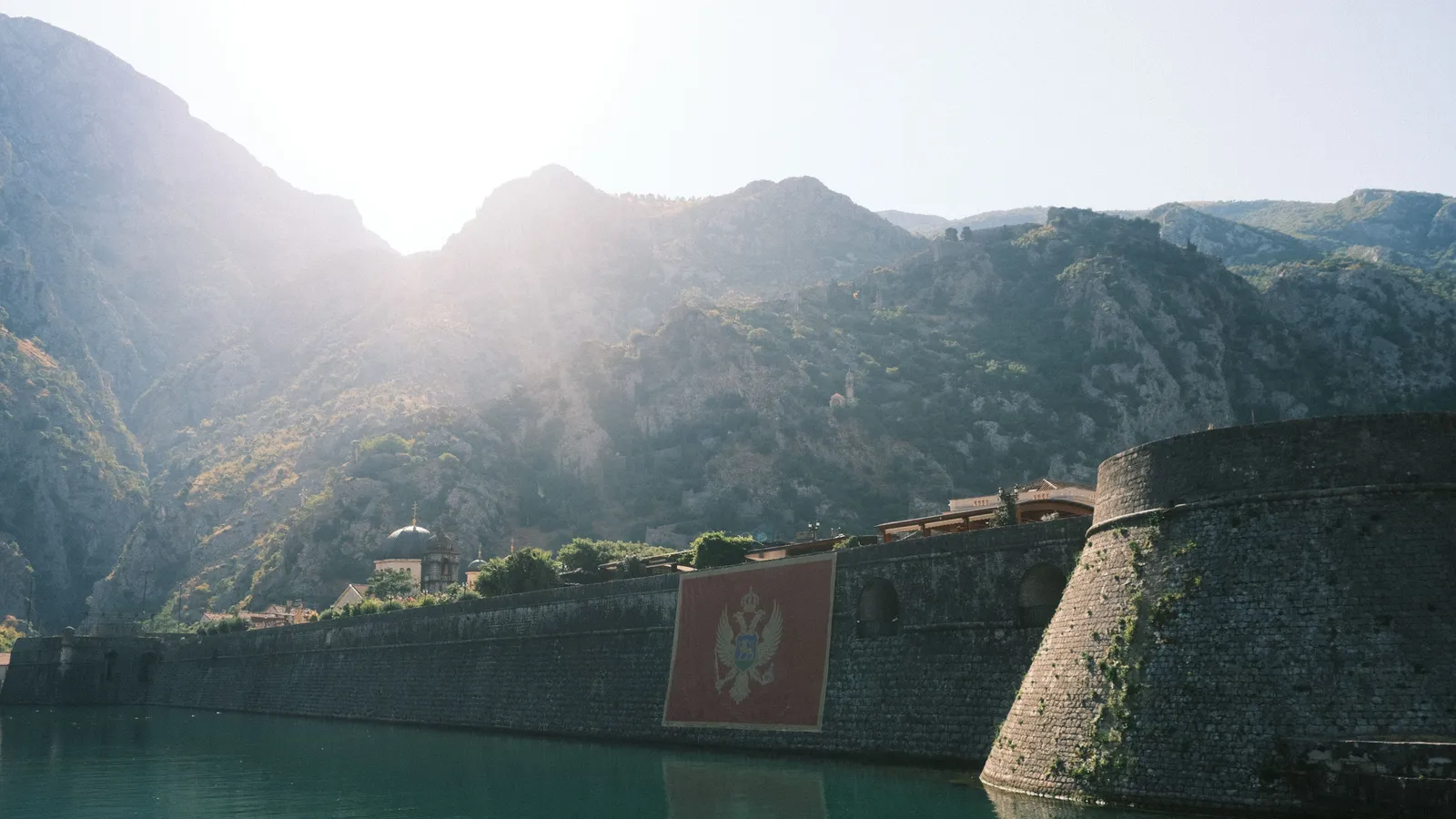
Montenegro is small and easygoing, and it punches above its weight: sea, mountains, and a low cost of living, all without leaving Europe. Most nomads land in Podgorica, which is the cheapest and most practical, or on the coast in Budva and Kotor, which are prettier but heave in summer. Tivat is the polished marina option. Day-to-day costs sit in the low band. A comfortable solo life runs from roughly EUR 1,200 to EUR 1,500 a month including rent, and you can go leaner. Just know that coastal rents jump 20 to 40 percent in peak season. It fits people who want a slower pace, good weather, and a foothold inside Europe without EU prices.
Montenegro visa and entry
Good news: Montenegro runs a real Digital Nomad Visa, so you do not have to stretch a tourist stay. Here is the part worth knowing: you will see the programme described online as running only through the end of 2026, but nothing in the law says that. Neither the permit rule (Law on Foreigners, art. 60a) nor its tax break (art. 32d) carries an expiry date, and the confusion likely traces back to a 2021 government strategy paper that only ran through 2025. The income test has no published figure either. The law asks only for “means of subsistence” (art. 43), and the Ministry has not set a nomad-specific floor, so the EUR 1,800 to EUR 2,400 a month you will see quoted everywhere has no official source we could confirm. Treat it as a guess, not a rule, and ask the Ministry what they actually want to see from you. To qualify, you need to work remotely for a foreign company, or run your own company that is not registered in Montenegro, plus accommodation, health insurance, a clean criminal record, and a passport valid at least three months beyond the permit. You apply in person once you are already in Montenegro. The permit itself runs up to two years and you can extend it once for up to two more, but if you let it lapse, Montenegro makes you wait six months before issuing a new one. Your spouse and any children under 18, including stepchildren and adopted children, can join you on the same route. Citizens of many countries can also enter visa-free for up to 90 days as tourists while they sort the paperwork.
Tax residency and what to check
The usual trigger is spending more than 183 days in Montenegro in a tax year, not “at least”: a flat 183 is not quite enough on its own. The authorities also weigh your centre of business and life interests, so deep ties can pull you in even under that day count. Once you are a resident, you are taxed on worldwide income. Personal income tax is progressive: employment income is taxed at 0 percent up to EUR 700, 9 percent up to EUR 1,000, then 15 percent above that, and most other income is a flat 15 percent. If you hold digital nomad status, article 32d of the tax law exempts your personal earnings and self-employment income specifically when they come from an employer that is not registered in Montenegro. The law sets no expiry date on that break, but you lose it the moment your nomad status does. Treat all of this as an estimate and confirm your own numbers before you file.
Figures are estimates. Always check the official source linked below.
At a glance
- Currency
- EUR
- Cost of living
- Low
- Digital-nomad visa
- Yes
Frequently asked questions
- Montenegro: is there a digital nomad visa?
- Temporary residence permit for a digital nomad. A digital nomad is defined in art. 6(9) of the Law on Foreigners as a foreigner employed by, or working electronically for, a foreign company or their own company not registered in Montenegro. Art. 60a requires an employment contract or other proof of that work plus proof the company is registered in another state. The general art. 43 conditions also apply: means of subsistence, accommodation, health insurance, a passport valid at least three months beyond the permit, and no unconditional prison sentence over six months in Montenegro or in the country of origin. The application must be lodged in person in Montenegro (art. 61) and biometrics are taken. The permit runs up to two years and can be extended by at most two more; after it expires a new one cannot be issued for six months. Close family (spouse, minor children, stepchildren and adopted children under 18) may join.
- Montenegro: when do you become a tax resident?
- Resident with a domicile or a centre of business and life interests in Montenegro, or after MORE than 183 days in the tax year (Personal Income Tax Law art. 3). Employment income is taxed at 0% up to EUR 700, 9% to EUR 1,000 and 15% above; most other income is a flat 15%. Art. 32d exempts personal earnings and self-employment income from an employer not registered in Montenegro for holders of digital nomad status. The exemption carries no expiry date.
- Montenegro: what is the cost of living?
- The cost of living is low and the local currency is the EUR. Treat any figures as estimates.
- Montenegro: do you need health insurance?
- Emergency healthcare is not free for foreigners unless a reciprocal agreement applies, so private travel or medical insurance is recommended.
- Montenegro: can you drive on a foreign licence?
- A valid foreign licence is generally fine for short visits, but carrying a 1968 International Driving Permit alongside it is recommended.
Terms worth knowing
Europe: more countries to explore
Put it to work
- Free
Digital-Nomad Visa Checker
See which digital-nomad visas you could actually get with your passport and income, ranked, with the binding reason per country.
→ - Free
Tax-Residency Reality Checker
Go beyond the 183-day myth: model the treaty tie-breaker and see whether two countries could both claim you as a tax resident.
→ - Free
Nomad Insurance Picker
Match SafetyWing, Genki, World Nomads and others to your situation, and see which policies satisfy specific visa proof requirements.
→ - Free
Banking & FX Picker
Find the right account stack to avoid fees and hold multiple currencies abroad, Wise, Revolut, N26, for your nationality and spending.
→