Countries
Monaco: visas, tax & cost of living
Thinking of moving to Monaco as a remote worker? Honest guide to costs, the no-nomad-visa residency route, zero income tax, healthcare and banking.
United KingdomMonaco
Your move to Monaco on a United Kingdom passport
- VisitEasyVisa-free entry
- NomadMediumNo nomad visa, other route
- RelocateMediumResidence with conditions
Visiting
Visa-free for up to 90 days. Travel on a passport valid for your whole stay, with a return or onward ticket and proof you can support yourself.
Passport validity: Passport should be issued within the last 10 years and valid for at least 3 months beyond your planned departure from the Schengen area.
Heads-up: ETIAS pre-travel authorisation is expected to become required for visa-exempt non-EU visitors entering the Schengen area (including Monaco via France), with rollout anticipated from late 2026; confirm before travel.
At the border: Valid passport (and a Schengen visa if your nationality requires one); Monaco has no border post and is entered through France.
Working remotely
No dedicated nomad visa; the usual route is a standard residence permit.
Tax and residency
Monaco levies no personal income tax on residents (French nationals are an exception under the 1963 France to Monaco convention); becoming a tax resident generally requires a residence permit plus genuine establishment in the Principality, and foreign income earned abroad is typically not taxed locally. (estimate)
The UK decides residence with its Statutory Residence Test (days in the UK plus your ties). As a non-resident you are usually taxed only on UK income; where one exists, a double-tax treaty with the destination decides who taxes what.
Practical
Currency: EUR. Cost of living: high.
Healthcare: Everyone residing in Monaco must by law hold valid health insurance; new residents are not automatically covered and must arrange private cover unless registered through Monaco employment with the Caisses Sociales de Monaco.
Driving: Non-EU visitors are advised to carry an International Driving Permit alongside their national licence; EU/EEA licences are recognised.
Sources: Monaco Government, Tax in Monaco · Monaco Government, How to apply for a residence permit · Monaco Government, Health insurance funds in Monaco · Monaco Embassy in France, Visiting Monaco · UK Government, Monaco entry requirements · GOV.UK: tax on foreign income · HMRC: double-taxation treaties
Estimates, not advice. Confirm with the official sources before you act.
United StatesMonaco
Your move to Monaco on a United States passport
- VisitEasyVisa-free entry
- NomadMediumNo nomad visa, other route
- RelocateMediumResidence with conditions
Visiting
Visa-free for up to 90 days. Travel on a passport valid for your whole stay, with a return or onward ticket and proof you can support yourself.
Passport validity: Passport should be issued within the last 10 years and valid for at least 3 months beyond your planned departure from the Schengen area.
Heads-up: ETIAS pre-travel authorisation is expected to become required for visa-exempt non-EU visitors entering the Schengen area (including Monaco via France), with rollout anticipated from late 2026; confirm before travel.
At the border: Valid passport (and a Schengen visa if your nationality requires one); Monaco has no border post and is entered through France.
Working remotely
No dedicated nomad visa; the usual route is a standard residence permit.
Tax and residency
Monaco levies no personal income tax on residents (French nationals are an exception under the 1963 France to Monaco convention); becoming a tax resident generally requires a residence permit plus genuine establishment in the Principality, and foreign income earned abroad is typically not taxed locally. (estimate)
The US taxes its citizens on worldwide income wherever you live, so you keep filing US returns abroad. The Foreign Earned Income Exclusion and the foreign tax credit are what stop you being taxed twice.
Practical
Currency: EUR. Cost of living: high.
Healthcare: Everyone residing in Monaco must by law hold valid health insurance; new residents are not automatically covered and must arrange private cover unless registered through Monaco employment with the Caisses Sociales de Monaco.
Driving: Non-EU visitors are advised to carry an International Driving Permit alongside their national licence; EU/EEA licences are recognised.
Sources: Monaco Government, Tax in Monaco · Monaco Government, How to apply for a residence permit · Monaco Government, Health insurance funds in Monaco · Monaco Embassy in France, Visiting Monaco · UK Government, Monaco entry requirements · IRS: Foreign Earned Income Exclusion · IRS: tax treaties
Estimates, not advice. Confirm with the official sources before you act.
IndiaMonaco
Your move to Monaco on a India passport
- VisitMediumVisa required in advance
- NomadMediumNo nomad visa, other route
- RelocateMediumResidence with conditions
Visiting
You need a visa, arranged at a consulate before you travel. Plan ahead: gather the documents, book the appointment, and allow time for processing.
Passport validity: Passport should be issued within the last 10 years and valid for at least 3 months beyond your planned departure from the Schengen area.
Heads-up: ETIAS pre-travel authorisation is expected to become required for visa-exempt non-EU visitors entering the Schengen area (including Monaco via France), with rollout anticipated from late 2026; confirm before travel.
At the border: Valid passport (and a Schengen visa if your nationality requires one); Monaco has no border post and is entered through France.
Working remotely
No dedicated nomad visa; the usual route is a standard residence permit.
Tax and residency
Monaco levies no personal income tax on residents (French nationals are an exception under the 1963 France to Monaco convention); becoming a tax resident generally requires a residence permit plus genuine establishment in the Principality, and foreign income earned abroad is typically not taxed locally. (estimate)
India taxes residents on worldwide income; your status depends on the days you spend in India (broadly 182 or more in the year). As a non-resident (NRI) you are taxed only on Indian-source income, and the relevant double-tax treaty allocates the rest.
Practical
Currency: EUR. Cost of living: high.
Healthcare: Everyone residing in Monaco must by law hold valid health insurance; new residents are not automatically covered and must arrange private cover unless registered through Monaco employment with the Caisses Sociales de Monaco.
Driving: Non-EU visitors are advised to carry an International Driving Permit alongside their national licence; EU/EEA licences are recognised.
Sources: Monaco Government, Tax in Monaco · Monaco Government, How to apply for a residence permit · Monaco Government, Health insurance funds in Monaco · Monaco Embassy in France, Visiting Monaco · UK Government, Monaco entry requirements · Income Tax Department, India · India: Double Taxation Avoidance Agreements
Estimates, not advice. Confirm with the official sources before you act.
GermanyMonaco
Your move to Monaco on a Germany passport
- VisitEasyVisa-free entry
- NomadMediumNo nomad visa, other route
- RelocateMediumResidence with conditions
Visiting
Visa-free for up to short stays. Travel on a passport valid for your whole stay, with a return or onward ticket and proof you can support yourself.
Passport validity: Passport should be issued within the last 10 years and valid for at least 3 months beyond your planned departure from the Schengen area.
Heads-up: ETIAS pre-travel authorisation is expected to become required for visa-exempt non-EU visitors entering the Schengen area (including Monaco via France), with rollout anticipated from late 2026; confirm before travel.
At the border: Valid passport (and a Schengen visa if your nationality requires one); Monaco has no border post and is entered through France.
Working remotely
No dedicated nomad visa; the usual route is a standard residence permit.
Tax and residency
Monaco levies no personal income tax on residents (French nationals are an exception under the 1963 France to Monaco convention); becoming a tax resident generally requires a residence permit plus genuine establishment in the Principality, and foreign income earned abroad is typically not taxed locally. (estimate)
Germany taxes residents on worldwide income; you become resident through a home available to you (Wohnsitz) or a habitual abode of more than six months. As a non-resident you are usually taxed only on German-source income, and where one exists a double-tax treaty with the destination decides who taxes what.
Practical
Currency: EUR. Cost of living: high.
Healthcare: Everyone residing in Monaco must by law hold valid health insurance; new residents are not automatically covered and must arrange private cover unless registered through Monaco employment with the Caisses Sociales de Monaco.
Driving: Non-EU visitors are advised to carry an International Driving Permit alongside their national licence; EU/EEA licences are recognised.
Sources: Monaco Government, Tax in Monaco · Monaco Government, How to apply for a residence permit · Monaco Government, Health insurance funds in Monaco · Monaco Embassy in France, Visiting Monaco · UK Government, Monaco entry requirements · Bundeszentralamt für Steuern (BZSt) · Germany: double-taxation agreements (BMF)
Estimates, not advice. Confirm with the official sources before you act.
FranceMonaco
Your move to Monaco on a France passport
- VisitEasyVisa-free entry
- NomadMediumNo nomad visa, other route
- RelocateMediumResidence with conditions
Visiting
Visa-free for up to short stays. Travel on a passport valid for your whole stay, with a return or onward ticket and proof you can support yourself.
Passport validity: Passport should be issued within the last 10 years and valid for at least 3 months beyond your planned departure from the Schengen area.
Heads-up: ETIAS pre-travel authorisation is expected to become required for visa-exempt non-EU visitors entering the Schengen area (including Monaco via France), with rollout anticipated from late 2026; confirm before travel.
At the border: Valid passport (and a Schengen visa if your nationality requires one); Monaco has no border post and is entered through France.
Working remotely
No dedicated nomad visa; the usual route is a standard residence permit.
Tax and residency
Monaco levies no personal income tax on residents (French nationals are an exception under the 1963 France to Monaco convention); becoming a tax resident generally requires a residence permit plus genuine establishment in the Principality, and foreign income earned abroad is typically not taxed locally. (estimate)
France taxes you on your worldwide income if your tax home (domicile fiscal) stays there, broadly when your household, main home, main job or main economic interests are in France, so moving abroad alone may not end it. Once you genuinely settle elsewhere you are usually taxed only on French-source income, and tax treaties typically prevent paying twice through an exemption or a foreign tax credit, but treat any figures as estimates and check your situation.
Practical
Currency: EUR. Cost of living: high.
Healthcare: Everyone residing in Monaco must by law hold valid health insurance; new residents are not automatically covered and must arrange private cover unless registered through Monaco employment with the Caisses Sociales de Monaco.
Driving: Non-EU visitors are advised to carry an International Driving Permit alongside their national licence; EU/EEA licences are recognised.
Sources: Monaco Government, Tax in Monaco · Monaco Government, How to apply for a residence permit · Monaco Government, Health insurance funds in Monaco · Monaco Embassy in France, Visiting Monaco · UK Government, Monaco entry requirements · impots.gouv.fr - Résidents de France · impots.gouv.fr - Les conventions internationales
Estimates, not advice. Confirm with the official sources before you act.
SpainMonaco
Your move to Monaco on a Spain passport
- VisitEasyVisa-free entry
- NomadMediumNo nomad visa, other route
- RelocateMediumResidence with conditions
Visiting
Visa-free for up to short stays. Travel on a passport valid for your whole stay, with a return or onward ticket and proof you can support yourself.
Passport validity: Passport should be issued within the last 10 years and valid for at least 3 months beyond your planned departure from the Schengen area.
Heads-up: ETIAS pre-travel authorisation is expected to become required for visa-exempt non-EU visitors entering the Schengen area (including Monaco via France), with rollout anticipated from late 2026; confirm before travel.
At the border: Valid passport (and a Schengen visa if your nationality requires one); Monaco has no border post and is entered through France.
Working remotely
No dedicated nomad visa; the usual route is a standard residence permit.
Tax and residency
Monaco levies no personal income tax on residents (French nationals are an exception under the 1963 France to Monaco convention); becoming a tax resident generally requires a residence permit plus genuine establishment in the Principality, and foreign income earned abroad is typically not taxed locally. (estimate)
If Spain still counts as your tax home (roughly 183+ days in the country in a year, or your main base of life and income sits there), Spain taxes your worldwide income at IRPF rates, so what you earn abroad usually counts too. The sting is softened by double-tax treaties and a foreign-tax credit, plus the Article 7.p exemption that can shelter work done abroad up to around 60,100 euros a year, but treat every figure as an estimate and check your own case before you file.
Practical
Currency: EUR. Cost of living: high.
Healthcare: Everyone residing in Monaco must by law hold valid health insurance; new residents are not automatically covered and must arrange private cover unless registered through Monaco employment with the Caisses Sociales de Monaco.
Driving: Non-EU visitors are advised to carry an International Driving Permit alongside their national licence; EU/EEA licences are recognised.
Sources: Monaco Government, Tax in Monaco · Monaco Government, How to apply for a residence permit · Monaco Government, Health insurance funds in Monaco · Monaco Embassy in France, Visiting Monaco · UK Government, Monaco entry requirements · Agencia Tributaria: persona física residente en España · Agencia Tributaria: obtención de rentas extranjeras, reglas generales
Estimates, not advice. Confirm with the official sources before you act.
ItalyMonaco
Your move to Monaco on a Italy passport
- VisitEasyVisa-free entry
- NomadMediumNo nomad visa, other route
- RelocateMediumResidence with conditions
Visiting
Visa-free for up to short stays. Travel on a passport valid for your whole stay, with a return or onward ticket and proof you can support yourself.
Passport validity: Passport should be issued within the last 10 years and valid for at least 3 months beyond your planned departure from the Schengen area.
Heads-up: ETIAS pre-travel authorisation is expected to become required for visa-exempt non-EU visitors entering the Schengen area (including Monaco via France), with rollout anticipated from late 2026; confirm before travel.
At the border: Valid passport (and a Schengen visa if your nationality requires one); Monaco has no border post and is entered through France.
Working remotely
No dedicated nomad visa; the usual route is a standard residence permit.
Tax and residency
Monaco levies no personal income tax on residents (French nationals are an exception under the 1963 France to Monaco convention); becoming a tax resident generally requires a residence permit plus genuine establishment in the Principality, and foreign income earned abroad is typically not taxed locally. (estimate)
Italy generally treats you as a tax resident if for most of the year (roughly 183 days or more) your home, family or registration ties are here, and residents are taxed on worldwide income wherever they live. The relief is usually a foreign tax credit for tax already paid abroad, often shaped by Italy's double-taxation treaties, so the same income should not be taxed twice.
Practical
Currency: EUR. Cost of living: high.
Healthcare: Everyone residing in Monaco must by law hold valid health insurance; new residents are not automatically covered and must arrange private cover unless registered through Monaco employment with the Caisses Sociales de Monaco.
Driving: Non-EU visitors are advised to carry an International Driving Permit alongside their national licence; EU/EEA licences are recognised.
Sources: Monaco Government, Tax in Monaco · Monaco Government, How to apply for a residence permit · Monaco Government, Health insurance funds in Monaco · Monaco Embassy in France, Visiting Monaco · UK Government, Monaco entry requirements · Agenzia delle Entrate, Residence for tax purposes · Agenzia delle Entrate, Bilateral agreements to prevent double taxation
Estimates, not advice. Confirm with the official sources before you act.
CanadaMonaco
Your move to Monaco on a Canada passport
- VisitEasyVisa-free entry
- NomadMediumNo nomad visa, other route
- RelocateMediumResidence with conditions
Visiting
Visa-free for up to 90 days. Travel on a passport valid for your whole stay, with a return or onward ticket and proof you can support yourself.
Passport validity: Passport should be issued within the last 10 years and valid for at least 3 months beyond your planned departure from the Schengen area.
Heads-up: ETIAS pre-travel authorisation is expected to become required for visa-exempt non-EU visitors entering the Schengen area (including Monaco via France), with rollout anticipated from late 2026; confirm before travel.
At the border: Valid passport (and a Schengen visa if your nationality requires one); Monaco has no border post and is entered through France.
Working remotely
No dedicated nomad visa; the usual route is a standard residence permit.
Tax and residency
Monaco levies no personal income tax on residents (French nationals are an exception under the 1963 France to Monaco convention); becoming a tax resident generally requires a residence permit plus genuine establishment in the Principality, and foreign income earned abroad is typically not taxed locally. (estimate)
Canada taxes you on residency, not on holding the passport, so as long as the CRA still treats you as a resident (kept home, family or strong ties) you generally owe Canadian tax on your worldwide income. The relief is usually a foreign tax credit for tax you already paid abroad, often topped up by a tax treaty, though the exact amounts are only estimates until you check your own case.
Practical
Currency: EUR. Cost of living: high.
Healthcare: Everyone residing in Monaco must by law hold valid health insurance; new residents are not automatically covered and must arrange private cover unless registered through Monaco employment with the Caisses Sociales de Monaco.
Driving: Non-EU visitors are advised to carry an International Driving Permit alongside their national licence; EU/EEA licences are recognised.
Sources: Monaco Government, Tax in Monaco · Monaco Government, How to apply for a residence permit · Monaco Government, Health insurance funds in Monaco · Monaco Embassy in France, Visiting Monaco · UK Government, Monaco entry requirements · Canada Revenue Agency, Determining your residency status · Department of Finance Canada, Tax treaties in force
Estimates, not advice. Confirm with the official sources before you act.
AustraliaMonaco
Your move to Monaco on a Australia passport
- VisitEasyVisa-free entry
- NomadMediumNo nomad visa, other route
- RelocateMediumResidence with conditions
Visiting
Visa-free for up to 90 days. Travel on a passport valid for your whole stay, with a return or onward ticket and proof you can support yourself.
Passport validity: Passport should be issued within the last 10 years and valid for at least 3 months beyond your planned departure from the Schengen area.
Heads-up: ETIAS pre-travel authorisation is expected to become required for visa-exempt non-EU visitors entering the Schengen area (including Monaco via France), with rollout anticipated from late 2026; confirm before travel.
At the border: Valid passport (and a Schengen visa if your nationality requires one); Monaco has no border post and is entered through France.
Working remotely
No dedicated nomad visa; the usual route is a standard residence permit.
Tax and residency
Monaco levies no personal income tax on residents (French nationals are an exception under the 1963 France to Monaco convention); becoming a tax resident generally requires a residence permit plus genuine establishment in the Principality, and foreign income earned abroad is typically not taxed locally. (estimate)
If you stay an Australian resident for tax purposes, Australia generally taxes your worldwide income wherever you live, with residency turned on the moment your real home and ties are here (a continuous stay of roughly 6 months can be enough). To soften double tax, you can usually claim a Foreign Income Tax Offset for tax already paid abroad, capped at the Australian tax on that income, and treaties may help too, so treat these figures as estimates and check your own case.
Practical
Currency: EUR. Cost of living: high.
Healthcare: Everyone residing in Monaco must by law hold valid health insurance; new residents are not automatically covered and must arrange private cover unless registered through Monaco employment with the Caisses Sociales de Monaco.
Driving: Non-EU visitors are advised to carry an International Driving Permit alongside their national licence; EU/EEA licences are recognised.
Sources: Monaco Government, Tax in Monaco · Monaco Government, How to apply for a residence permit · Monaco Government, Health insurance funds in Monaco · Monaco Embassy in France, Visiting Monaco · UK Government, Monaco entry requirements · Australian Taxation Office, Australian resident for tax purposes · Australian Taxation Office, International tax agreements (tax treaties)
Estimates, not advice. Confirm with the official sources before you act.
BrazilMonaco
Your move to Monaco on a Brazil passport
- VisitEasyVisa-free entry
- NomadMediumNo nomad visa, other route
- RelocateMediumResidence with conditions
Visiting
Visa-free for up to 90 days. Travel on a passport valid for your whole stay, with a return or onward ticket and proof you can support yourself.
Passport validity: Passport should be issued within the last 10 years and valid for at least 3 months beyond your planned departure from the Schengen area.
Heads-up: ETIAS pre-travel authorisation is expected to become required for visa-exempt non-EU visitors entering the Schengen area (including Monaco via France), with rollout anticipated from late 2026; confirm before travel.
At the border: Valid passport (and a Schengen visa if your nationality requires one); Monaco has no border post and is entered through France.
Working remotely
No dedicated nomad visa; the usual route is a standard residence permit.
Tax and residency
Monaco levies no personal income tax on residents (French nationals are an exception under the 1963 France to Monaco convention); becoming a tax resident generally requires a residence permit plus genuine establishment in the Principality, and foreign income earned abroad is typically not taxed locally. (estimate)
If Brazil still counts you as tax-resident, usually triggered by a permanent visa, a temporary visa plus a job, or roughly 183 days in the country within any 12 months, the Receita Federal taxes your worldwide income, so you keep filing the annual return wherever you live. The relief is real but partial: tax paid abroad can normally be credited against what you owe in Brazil under a treaty or recognised reciprocity, so most people are not taxed twice on the same income.
Practical
Currency: EUR. Cost of living: high.
Healthcare: Everyone residing in Monaco must by law hold valid health insurance; new residents are not automatically covered and must arrange private cover unless registered through Monaco employment with the Caisses Sociales de Monaco.
Driving: Non-EU visitors are advised to carry an International Driving Permit alongside their national licence; EU/EEA licences are recognised.
Sources: Monaco Government, Tax in Monaco · Monaco Government, How to apply for a residence permit · Monaco Government, Health insurance funds in Monaco · Monaco Embassy in France, Visiting Monaco · UK Government, Monaco entry requirements · Receita Federal, Acordos para evitar a dupla tributação · Receita Federal, Imposto sobre a Renda da Pessoa Física (IRPF)
Estimates, not advice. Confirm with the official sources before you act.
MexicoMonaco
Your move to Monaco on a Mexico passport
- VisitEasyVisa-free entry
- NomadMediumNo nomad visa, other route
- RelocateMediumResidence with conditions
Visiting
Visa-free for up to 90 days. Travel on a passport valid for your whole stay, with a return or onward ticket and proof you can support yourself.
Passport validity: Passport should be issued within the last 10 years and valid for at least 3 months beyond your planned departure from the Schengen area.
Heads-up: ETIAS pre-travel authorisation is expected to become required for visa-exempt non-EU visitors entering the Schengen area (including Monaco via France), with rollout anticipated from late 2026; confirm before travel.
At the border: Valid passport (and a Schengen visa if your nationality requires one); Monaco has no border post and is entered through France.
Working remotely
No dedicated nomad visa; the usual route is a standard residence permit.
Tax and residency
Monaco levies no personal income tax on residents (French nationals are an exception under the 1963 France to Monaco convention); becoming a tax resident generally requires a residence permit plus genuine establishment in the Principality, and foreign income earned abroad is typically not taxed locally. (estimate)
Mexico taxes you on your worldwide income once you count as a tax resident, which usually means your main home or your center of life is here (very roughly, spending more than about 183 days a year can tip the balance). The good news is the SAT lets you credit foreign income tax you already paid, and Mexico's double-taxation treaties mean the same money should not normally be taxed twice.
Practical
Currency: EUR. Cost of living: high.
Healthcare: Everyone residing in Monaco must by law hold valid health insurance; new residents are not automatically covered and must arrange private cover unless registered through Monaco employment with the Caisses Sociales de Monaco.
Driving: Non-EU visitors are advised to carry an International Driving Permit alongside their national licence; EU/EEA licences are recognised.
Sources: Monaco Government, Tax in Monaco · Monaco Government, How to apply for a residence permit · Monaco Government, Health insurance funds in Monaco · Monaco Embassy in France, Visiting Monaco · UK Government, Monaco entry requirements · SAT - Servicio de Administración Tributaria · SAT - Tratados en Materia Fiscal (para evitar la doble tributación)
Estimates, not advice. Confirm with the official sources before you act.
PhilippinesMonaco
Your move to Monaco on a Philippines passport
- VisitMediumVisa required in advance
- NomadMediumNo nomad visa, other route
- RelocateMediumResidence with conditions
Visiting
You need a visa, arranged at a consulate before you travel. Plan ahead: gather the documents, book the appointment, and allow time for processing.
Passport validity: Passport should be issued within the last 10 years and valid for at least 3 months beyond your planned departure from the Schengen area.
Heads-up: ETIAS pre-travel authorisation is expected to become required for visa-exempt non-EU visitors entering the Schengen area (including Monaco via France), with rollout anticipated from late 2026; confirm before travel.
At the border: Valid passport (and a Schengen visa if your nationality requires one); Monaco has no border post and is entered through France.
Working remotely
No dedicated nomad visa; the usual route is a standard residence permit.
Tax and residency
Monaco levies no personal income tax on residents (French nationals are an exception under the 1963 France to Monaco convention); becoming a tax resident generally requires a residence permit plus genuine establishment in the Principality, and foreign income earned abroad is typically not taxed locally. (estimate)
If you stay a resident citizen, the Philippines taxes your worldwide income, but once you genuinely live and work abroad you usually count as a non-resident citizen and are taxed only on income from Philippine sources. The exact line depends on how long you are out and your ties back home, so treat these as estimates, and a foreign tax credit can offset tax already paid abroad.
Practical
Currency: EUR. Cost of living: high.
Healthcare: Everyone residing in Monaco must by law hold valid health insurance; new residents are not automatically covered and must arrange private cover unless registered through Monaco employment with the Caisses Sociales de Monaco.
Driving: Non-EU visitors are advised to carry an International Driving Permit alongside their national licence; EU/EEA licences are recognised.
Sources: Monaco Government, Tax in Monaco · Monaco Government, How to apply for a residence permit · Monaco Government, Health insurance funds in Monaco · Monaco Embassy in France, Visiting Monaco · UK Government, Monaco entry requirements · BIR - Taxation of Foreign Source Income · BIR - Taxation of Non-Residents
Estimates, not advice. Confirm with the official sources before you act.
NigeriaMonaco
Your move to Monaco on a Nigeria passport
- VisitMediumVisa required in advance
- NomadMediumNo nomad visa, other route
- RelocateMediumResidence with conditions
Visiting
You need a visa, arranged at a consulate before you travel. Plan ahead: gather the documents, book the appointment, and allow time for processing.
Passport validity: Passport should be issued within the last 10 years and valid for at least 3 months beyond your planned departure from the Schengen area.
Heads-up: ETIAS pre-travel authorisation is expected to become required for visa-exempt non-EU visitors entering the Schengen area (including Monaco via France), with rollout anticipated from late 2026; confirm before travel.
At the border: Valid passport (and a Schengen visa if your nationality requires one); Monaco has no border post and is entered through France.
Working remotely
No dedicated nomad visa; the usual route is a standard residence permit.
Tax and residency
Monaco levies no personal income tax on residents (French nationals are an exception under the 1963 France to Monaco convention); becoming a tax resident generally requires a residence permit plus genuine establishment in the Principality, and foreign income earned abroad is typically not taxed locally. (estimate)
If Nigeria still counts you as resident, roughly 183 or more days in the country in a year, or you keep a home, habitual abode or close family and economic ties there, you are generally taxed on your worldwide income, not just what you earn in Nigeria. There is usually a foreign tax credit, and Nigeria's tax treaties, so tax you already paid abroad can typically be set against your Nigerian bill, but treat these figures as estimates and check the current rules before you file.
Practical
Currency: EUR. Cost of living: high.
Healthcare: Everyone residing in Monaco must by law hold valid health insurance; new residents are not automatically covered and must arrange private cover unless registered through Monaco employment with the Caisses Sociales de Monaco.
Driving: Non-EU visitors are advised to carry an International Driving Permit alongside their national licence; EU/EEA licences are recognised.
Sources: Monaco Government, Tax in Monaco · Monaco Government, How to apply for a residence permit · Monaco Government, Health insurance funds in Monaco · Monaco Embassy in France, Visiting Monaco · UK Government, Monaco entry requirements · Federal Inland Revenue Service (FIRS) · FIRS - Tax Treaties and Related Matters
Estimates, not advice. Confirm with the official sources before you act.
VietnamMonaco
Your move to Monaco on a Vietnam passport
- VisitMediumVisa required in advance
- NomadMediumNo nomad visa, other route
- RelocateMediumResidence with conditions
Visiting
You need a visa, arranged at a consulate before you travel. Plan ahead: gather the documents, book the appointment, and allow time for processing.
Passport validity: Passport should be issued within the last 10 years and valid for at least 3 months beyond your planned departure from the Schengen area.
Heads-up: ETIAS pre-travel authorisation is expected to become required for visa-exempt non-EU visitors entering the Schengen area (including Monaco via France), with rollout anticipated from late 2026; confirm before travel.
At the border: Valid passport (and a Schengen visa if your nationality requires one); Monaco has no border post and is entered through France.
Working remotely
No dedicated nomad visa; the usual route is a standard residence permit.
Tax and residency
Monaco levies no personal income tax on residents (French nationals are an exception under the 1963 France to Monaco convention); becoming a tax resident generally requires a residence permit plus genuine establishment in the Principality, and foreign income earned abroad is typically not taxed locally. (estimate)
Vietnam treats you as a tax resident once you spend roughly 183 days there in a calendar year (or any rolling 12 months) or keep a permanent home, and residents are taxed on worldwide income at progressive rates of around 5% to 35%; there is no foreign-earned-income exclusion, but Vietnam's tax treaties and a foreign tax credit usually stop the same income being taxed twice.
Practical
Currency: EUR. Cost of living: high.
Healthcare: Everyone residing in Monaco must by law hold valid health insurance; new residents are not automatically covered and must arrange private cover unless registered through Monaco employment with the Caisses Sociales de Monaco.
Driving: Non-EU visitors are advised to carry an International Driving Permit alongside their national licence; EU/EEA licences are recognised.
Sources: Monaco Government, Tax in Monaco · Monaco Government, How to apply for a residence permit · Monaco Government, Health insurance funds in Monaco · Monaco Embassy in France, Visiting Monaco · UK Government, Monaco entry requirements · General Department of Taxation (Tổng cục Thuế) · GDT - Agreements for Avoidance of Double Taxation
Estimates, not advice. Confirm with the official sources before you act.
Should you move to Monaco?
Let us be honest up front: Monaco is not a nomad move. It is a wealth move that happens to sit on a beautiful stretch of Riviera coast. If you are funding a laptop life on a normal salary, this is the wrong country, and no amount of clever planning changes that. If you have real capital behind you and you want a tax-light, ultra-safe base an hour from Nice airport, it starts to make sense.
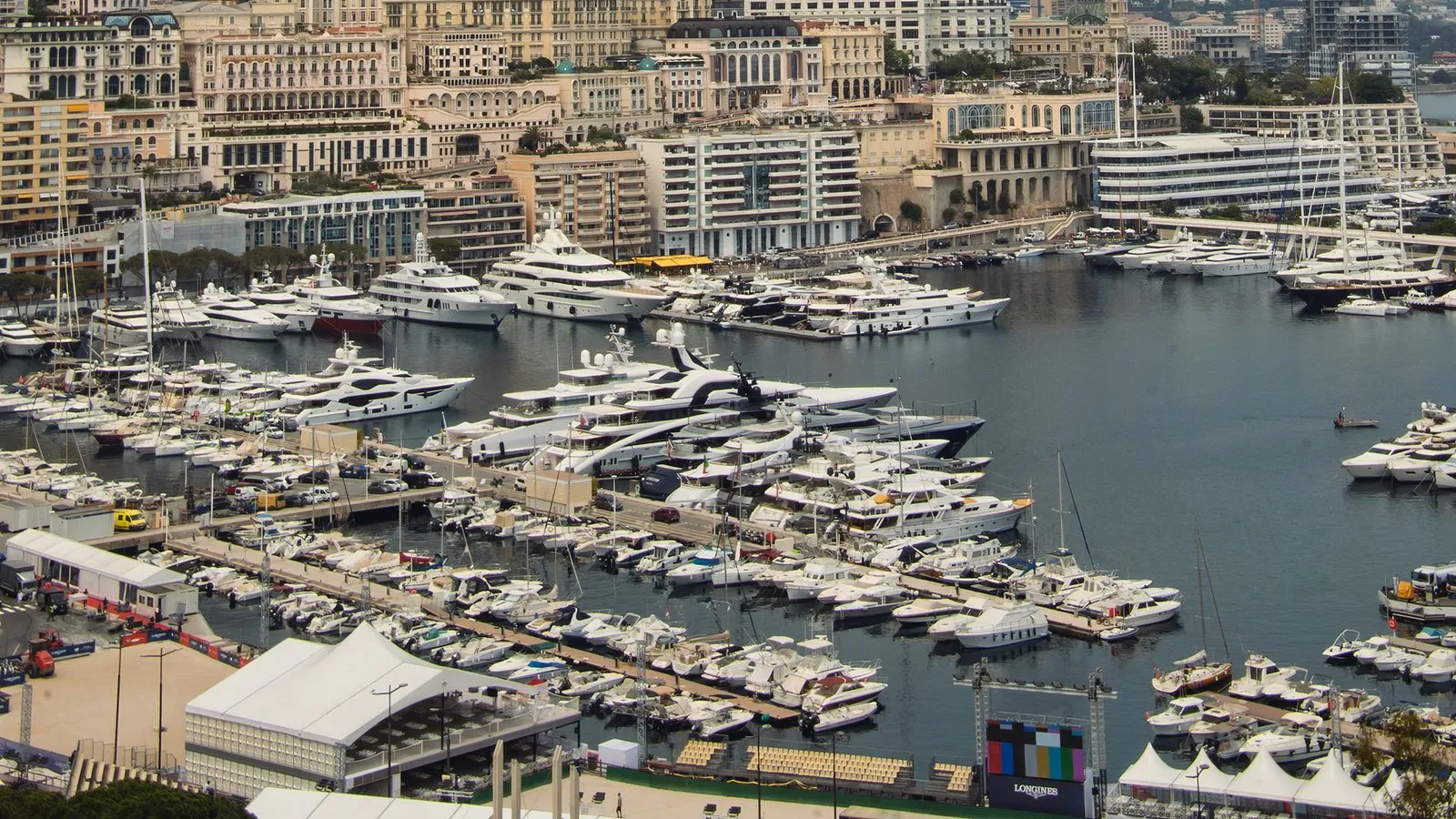
The whole place is smaller than New York’s Central Park. Around 38,000 people live packed into two square kilometres, which makes it the most densely populated country on earth (Wikipedia). There are no real “hubs” to choose between; you are picking a building. Monte Carlo has the casino, the grand hotels and the marina. La Condamine, around Port Hercule, is a touch more everyday. Fontvieille, built on reclaimed land, is quieter and newer. Everywhere is walkable, and the free public elevators and escalators that stitch the hills together are a genuinely lovely detail once you get used to them.
Budget honestly. Once rent is in the picture, a single person should expect to spend somewhere north of €9,000 to €10,000 a month to live modestly here (Numbeo). The trade-offs are real. It is safe to the point of feeling watched, because it more or less is, with one of the highest per-capita policing and camera densities anywhere. The upside of that: people leave laptops on cafe tables. The downsides are space (you get very little), traffic and construction noise (constant), and a certain airless quality if you are not into yachts and watches. French is the official language, though you will hear Italian and English everywhere.
Cost of living in Monaco
Rent is the whole story, and the numbers are eye-watering. A one-bedroom apartment in the centre runs around €8,000 a month, and moving to the edge of the principality barely helps, at roughly €7,400 (Numbeo, June 2026). These are estimates and the market is thin, so real listings swing hard. Buying is worse: Monaco regularly tops the global charts for price per square metre.
Day to day, groceries are expensive but not insane if you shop like a local: milk around €1.60 a litre, bread near €3 a loaf, chicken breast about €15 a kilo. Utilities for a small flat land near €380 a month. Eating out is where the two Monacos show themselves. A simple lunch is roughly €20, while a three-course dinner for two at a mid-range place sits around €150 before drinks. You can eat cheaply if you are disciplined, but the entire environment nudges you the other way. Treat every figure here as a sourced estimate and price your own shortlist before committing.
Monaco residency and entry (there is no digital nomad visa)
Plainly: Monaco has no digital nomad visa, and it never has. Do not go looking for one. The only real route in is residency, and residency is gated by money, not by remote work.
The core requirement is proof that you can support yourself without a local job, usually shown by depositing a substantial sum with a Monaco bank. Advisers commonly cite a figure around €500,000 held with a local bank, though banks set their own thresholds and often want more (Henley & Partners). You also need somewhere to live (an ownership deed, a lease, or a certificate of accommodation) before you can apply.
The steps, roughly: non-EU citizens first obtain a French type D long-stay visa through a French consulate, because Monaco sits inside the French visa perimeter. You then open the bank account, secure housing, and apply for the residence card (carte de séjour) with the Monaco authorities. The first card is temporary and renewed annually, moving over years to an ordinary card and, only after ten years of genuine residence, a privilege card (gouv.mc). Monaco is not a Schengen member but functions as de facto Schengen through its open border with France, so your card lets you move freely across the area. If you are weighing this against countries that do offer a nomad route, our digital nomad visa checker is a quick way to see the realistic alternatives side by side.
Tax residency and the 183 day rule
The headline is true: Monaco has levied no personal income tax on residents since 1869, and there is no capital gains or wealth tax either (Wikipedia). That is the entire draw for most people who move here.
The catches matter more than the headline. French nationals are the famous exception: under a long-standing France-Monaco convention, most French citizens who moved to Monaco after 1962 still pay French income tax as if they lived in France. And residency for tax purposes is not automatic just because you hold a card. The widely used rule of thumb is the 183-day idea, spending more than half the year in a country, but your old country may test where your home, family and centre of life actually sit, not only your day count. Leaving a high-tax country cleanly is often harder than arriving in Monaco. This is educational, not advice: your situation can turn on treaty wording and a single exit-tax clause. Sketch it out with our tax residency checker, then pay a cross-border specialist before you move a euro.
Healthcare and insurance
Monaco’s care is excellent and the system is generous. Residents who work or contribute fall under the Caisses Sociales de Monaco (CCSS), which reimburses roughly 80% to 100% of medical costs, prescriptions, dentistry and hospital stays (Wikipedia). Contributions are high on the employer side, so the model assumes you are either employed locally or covered another way.
The anchor institution is the Centre Hospitalier Princesse Grace (CHPG), the public hospital with around 630 beds, backed by a well-regarded cardiothoracic centre. Outcomes are among the best in the world, with life expectancy near 90 years. If you are living off capital rather than a local salary, you will likely not slot neatly into CCSS, so most non-working residents carry comprehensive private international health insurance from the day they arrive. Budget for that as a fixed, non-trivial line item and confirm the plan covers both Monaco and neighbouring France, since many specialists and clinics you will use are just over the border in Nice.
Money, banking and settling in
Banking is the gate you pass through first, not last. Because residency hinges on that large local deposit, opening a Monaco account is effectively step one, and it is a proper private-banking relationship, not a quick app sign-up. Expect real due diligence: source-of-funds documents, references, and patience. Start conversations with banks months before you plan to move, since they, not the government, often set the true financial bar.
For everyday spending, EU cards and the usual multi-currency apps work fine across Monaco and France, so you are not stuck. Keep in mind that a lot of ordinary life leaks across the French border: cheaper supermarkets, bigger hospitals, the airport, weekend space to breathe. Register your address, get your residence card process moving early, and line up French-speaking help for admin, because the paperwork is formal and unforgiving even when the people are pleasant. First weeks: sort the bank, sign the lease, book the residence appointment, and buy good private health cover before anything else.
Figures are estimates. Always check the official source.
Frequently asked questions
- Monaco: is there a digital nomad visa?
- No dedicated digital nomad visa; most people use a standard residence permit instead.
- Monaco: when do you become a tax resident?
- Monaco levies no personal income tax on residents (French nationals are an exception under the 1963 France to Monaco convention); becoming a tax resident generally requires a residence permit plus genuine establishment in the Principality, and foreign income earned abroad is typically not taxed locally.
- Monaco: what is the cost of living?
- The cost of living is high and the local currency is the EUR. Treat any figures as estimates.
- Monaco: do you need health insurance?
- Everyone residing in Monaco must by law hold valid health insurance; new residents are not automatically covered and must arrange private cover unless registered through Monaco employment with the Caisses Sociales de Monaco.
- Monaco: can you drive on a foreign licence?
- Non-EU visitors are advised to carry an International Driving Permit alongside their national licence; EU/EEA licences are recognised.
Terms worth knowing
Europe: more countries to explore
Put it to work
- Free
Digital-Nomad Visa Checker
See which digital-nomad visas you could actually get with your passport and income, ranked, with the binding reason per country.
→ - Free
Tax-Residency Reality Checker
Go beyond the 183-day myth: model the treaty tie-breaker and see whether two countries could both claim you as a tax resident.
→ - Free
Nomad Insurance Picker
Match SafetyWing, Genki, World Nomads and others to your situation, and see which policies satisfy specific visa proof requirements.
→ - Free
Banking & FX Picker
Find the right account stack to avoid fees and hold multiple currencies abroad, Wise, Revolut, N26, for your nationality and spending.
→